Gardenias In Texas: Expert Care Guide For Year-Round Blooms
Master the art of cultivating fragrant gardenias in Texas with expert tips on soil, climate adaptation, and care routines.
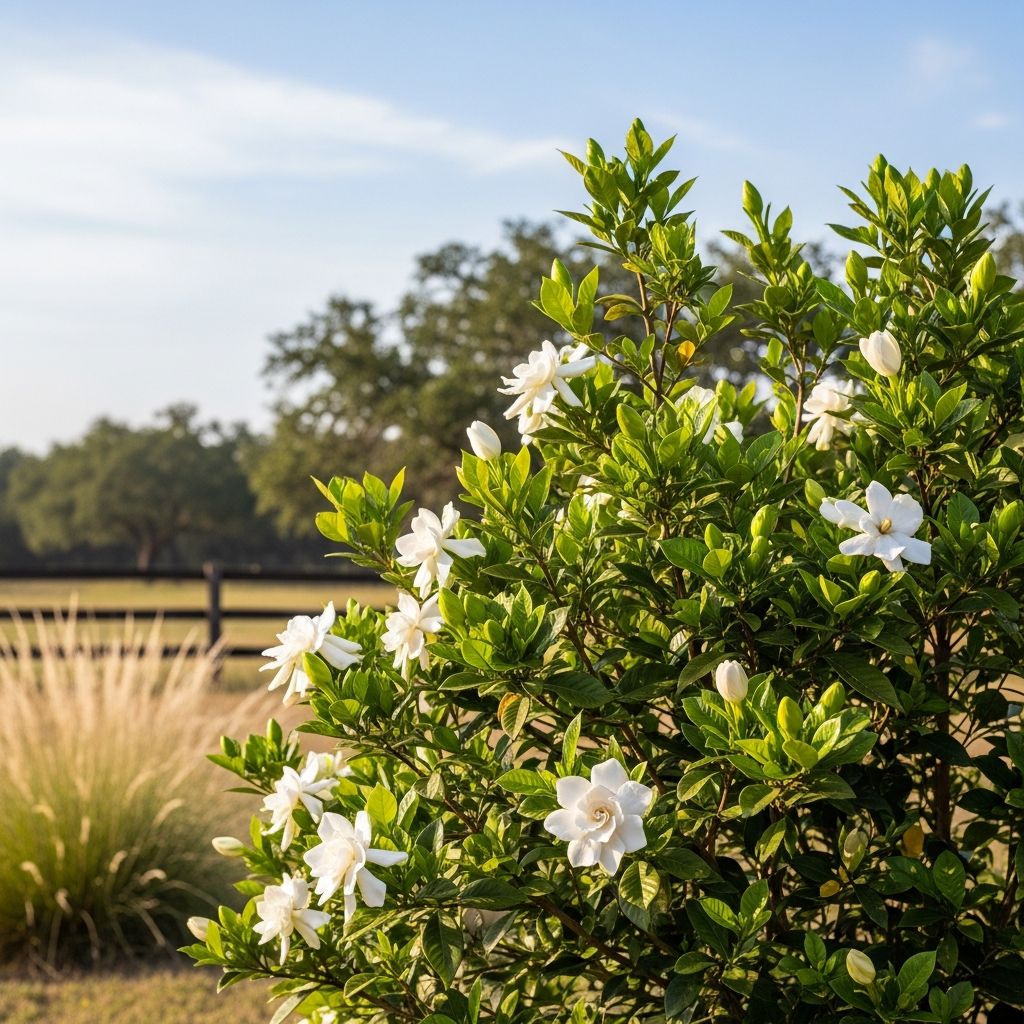
Thriving Gardenias in Texas Landscapes
Gardenias, with their intoxicating fragrance and waxy white blooms, can transform any Texas garden into a tropical paradise. However, Texas’s diverse climates—from humid Gulf Coast regions to arid West Texas—present unique hurdles like alkaline soils, intense summer heat, and occasional freezes. This guide provides a fresh roadmap for success, drawing on proven horticultural practices tailored to the Lone Star State.
Understanding Gardenia Basics for Texas Growers
Gardenias (Gardenia jasminoides) belong to the Rubiaceae family and are evergreen shrubs prized for their glossy leaves and long-lasting flowers. Native to subtropical Asia, they demand acidic, moist soils and mild temperatures, conditions often at odds with Texas’s calcareous clays and scorching afternoons. Thriving specimens reach 4-8 feet tall and wide, blooming from spring through fall in ideal settings.
In Texas, USDA hardiness zones span 6-10, with most areas falling in 8-9. Gardenias prefer zones 8-11, tolerating heat zones 8-12. They excel in full sun to partial shade but require protection from harsh midday rays to avoid leaf scorch.
Selecting the Perfect Gardenia Varieties for Texas Conditions
Choosing cold-hardy, heat-tolerant cultivars is crucial. For Central and North Texas (zones 7b-8a), opt for:
- Kleim’s Hardy: Survives down to 10°F (-12°C), compact at 3-4 feet, ideal for smaller yards.
- Frostproof: Zone 7 hardy, withstands 10°F dips, with prolific blooms.
- August Beauty: Vigorous grower for South Texas, heat-resistant with large flowers.
South Texas gardeners should prioritize heat-tolerant types like ‘Magnifica’ or ‘Florida’. Container growing suits all regions, allowing mobility for winter protection.
Site Selection: Finding the Ideal Texas Garden Spot
Position gardenias where they receive 4-6 hours of morning sun followed by afternoon shade—think east-facing beds near structures or under high tree canopies. Avoid full western exposure, which scorches foliage in Texas summers.
Shelter from prevailing winds prevents bud drop and petal damage. In urban areas, reflectors like house walls can boost light without excess heat. For patios, elevate pots on stands for air circulation.
Soil Mastery: Overcoming Texas’s Alkaline Challenge
Texas soils are notoriously alkaline (pH 7.5-8.5), but gardenias crave 5.0-6.5 pH. Test soil with kits from extension services; amend aggressively:
- Incorporate pine bark, peat moss, or composted leaves (20-30% by volume).
- Apply elemental sulfur or iron sulfate 3-6 months pre-planting to acidify.
- Mulch with pine needles or oak leaves to maintain acidity.
For in-ground planting, raise beds 12-18 inches with imported acidic loam. Pots demand azalea/camellia mixes; refresh annually.
| Soil Amendment | Amount per 100 sq ft | Effect |
|---|---|---|
| Pine Bark Fines | 2-3 cubic yards | Improves drainage, acidity |
| Peat Moss | 1 cubic yard | Lowers pH, retains moisture |
| Sulfur | 1-2 lbs | Acidifies over 3-6 months |
| Compost | 1 cubic yard | Adds organics, microbes |
Iron chlorosis (yellow leaves, green veins) signals pH issues; treat with chelated iron sprays or soil drenches.
Planting Techniques for Long-Term Success
Plant in early spring or fall, avoiding summer heat. Dig holes twice as wide as the root ball, same depth. Mix native soil 50/50 with amendments. Water deeply post-planting; mulch 2-3 inches thick, keeping it from the stem.
Spacing: 4-6 feet apart for shrubs. For hedges, plant closer at 3 feet. Stake loosely if needed, but encourage natural form.
Watering Wisely in Variable Texas Weather
Gardenias demand consistent moisture—never drought-stressed, yet hate soggy roots. Water deeply weekly (1 inch), more in 100°F+ heat. Use drip irrigation or soaker hoses to target roots, bypassing foliage to deter fungal issues.
In pots, check daily; top-water until draining. Capture rainwater for its natural acidity, countering tap water’s high pH in areas like San Antonio. Mulch conserves moisture and cools roots.
Fertilization Strategies for Blooms and Vigor
Feed from March to September with acidifying fertilizers (e.g., 15-5-10 or azalea formulas, low nitrogen, high phosphorus/potassium). Apply every 3-4 weeks at half-strength; skip winter.
- Spring: Balanced for growth.
- Summer: Bloom-boosters.
- Fall: Reduce to harden off.
Organic options: Cottonseed meal, fish emulsion. Micronutrients like iron, magnesium prevent deficiencies.
Humidity and Temperature Management
Mimic tropics with 50-60% humidity. Outdoors, mist early morning or group plants. Indoors, pebble trays or humidifiers work. Ideal temps: 65-75°F days, 60-65°F nights.
Texas summers boost humidity naturally, but dry West Texas needs intervention. Avoid AC vents or heaters.
Pest and Disease Prevention in Texas Gardens
Common foes: Aphids, whiteflies, scale—treat with neem oil or insecticidal soap. Sooty mold follows pests; clean with hort oil. Root rot from overwatering; ensure drainage.
Leaf spot: Improve air flow, avoid overhead water. Powdery mildew: Baking soda sprays (1 tbsp per gallon).
Winter Protection for Texas Gardenias
In zones 8+, minimal care suffices. North of zone 8, cover at 15°F with breathable fabrics; mulch roots heavily post-frost. Potted plants overwinter indoors above 50°F. Varieties like ‘Frostproof’ extend range.
Prune lightly post-bloom to shape, removing deadwood. Avoid heavy cuts.
Container Gardening: Flexible Texas Solution
Pots sidestep soil woes: Use 5-gallon+ glazed terracotta for insulation. Repot yearly. Ideal for patios, balconies; wheel to shade in peak heat.
Troubleshooting Common Texas Gardenia Problems
| Symptom | Cause | Solution |
|---|---|---|
| Yellow leaves | High pH, iron deficiency | Chelated iron, acidify soil |
| No buds/flowers | Low phosphorus, heat stress | Bloom fertilizer, shade |
| Leaf scorch | Excess sun | Relocate, morning sun only |
| Bud drop | Wind, temp swings | Shelter, stable microclimate |
| Root rot | Poor drainage | Amend soil, elevate beds |
Frequently Asked Questions (FAQs)
Can gardenias survive Texas winters?
Yes, hardy varieties like Kleim’s Hardy endure zone 7 freezes to 10°F with mulch and covers.
How do I acidify alkaline Texas soil?
Add sulfur 6 months ahead, mix organics, and use rainwater; monitor pH yearly.
Why are my gardenia buds dropping?
Fluctuating moisture, temps, or wind; maintain even conditions and shelter.
What’s the best fertilizer for Texas gardenias?
Acid-loving formulas like 15-5-10, applied spring-fall.
Can I grow gardenias in pots in Texas?
Absolutely—perfect for mobility and soil control in challenging yards.
Year-Round Care Calendar for Texas Gardenias
- January-February: Protect from freezes, minimal water.
- March-April: Plant/prune, start fertilizing.
- May-August: Frequent water, shade cloth if needed, pest checks.
- September-October: Reduce fertilizer, mulch.
- November-December: Winter prep, inspect for damage.
With diligence, Texas gardeners reap gardenias’ rewards: a symphony of scent and beauty amid challenging conditions. Patience yields paradise.
References
- Learn How to Grow and Care for Your Gardenia — Gardenia.net. 2023. https://www.gardenia.net/guide/learn-how-to-grow-and-care-for-your-gardenia
- How to Grow and Care for Gardenia — Monrovia. 2024-01-15. https://www.monrovia.com/be-inspired/how-to-grow-and-care-for-gardenia.html
- The Sweet Scent of Success — Texas Master Gardeners (Henderson County). 2022-05-10. https://txmg.org/hendersonmg/publicity/the-sweet-scent-of-success/
- Gardening with Gardenias — LSU AgCenter. 2023-11-20. https://www.lsuagcenter.com/articles/page1747844626416
- How to Grow Gorgeous Gardenias — Southern Living Plants. 2024. https://southernlivingplants.com/plan-your-garden/how-to-grow-gardenias/
Similar Articles








Read full bio of medha deb