Complete Guide to Growing Knock Out Roses
Master the art of cultivating vibrant Knock Out roses with expert techniques and care tips.
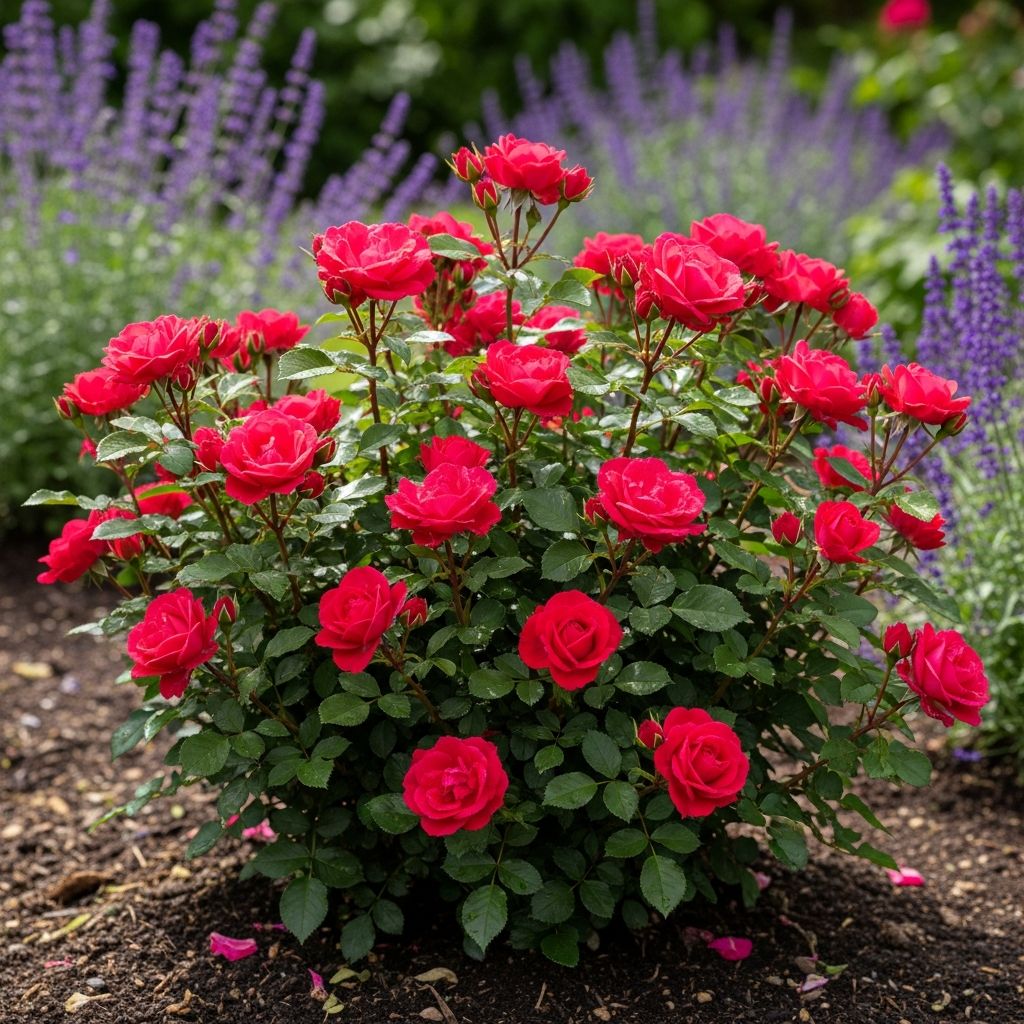
Knock Out roses have revolutionized home gardening since their introduction, offering gardeners an opportunity to enjoy abundant blooms with relatively modest maintenance requirements. These shrub roses represent a significant breakthrough in rose cultivation, providing continuous color from late spring through the first frost without demanding the intensive care associated with traditional rose varieties. Whether you’re a seasoned gardener or just beginning to explore ornamental plantings, understanding the fundamentals of Knock Out rose cultivation will help you create a thriving garden display that enhances your landscape for many seasons.
Understanding Light Requirements for Optimal Growth
Successful Knock Out rose cultivation begins with selecting an appropriate planting location. Light exposure stands as one of the most critical factors influencing blooming performance and overall plant vigor. Knock Out roses thrive when positioned in areas receiving a minimum of six to eight hours of direct sunlight daily. This substantial light requirement ensures that the plants develop the energy reserves necessary for consistent flower production throughout the growing season. Areas receiving six or more hours of sunlight will perform exceptionally well, allowing the roses to produce their characteristic abundant blooms.
When evaluating potential planting sites, consider the movement of shadows across your garden throughout the day. Morning sun exposure proves particularly beneficial, as it helps dry morning dew and reduces disease susceptibility. Afternoon shade in extremely hot climates can provide some protection during intense summer temperatures, but this should not compromise the minimum six-hour light requirement. Examine your garden during different seasons, as tree growth and seasonal shadow patterns may affect light availability year-round.
Soil Preparation and Site Development
Creating an ideal growing environment begins with soil preparation. Knock Out roses require well-draining, amended soil that provides both moisture retention and excellent drainage characteristics. Begin by digging a planting hole that measures significantly wider than the root ball of your plant, typically twice as wide as the container. The depth should match the height of the root ball to ensure proper planting depth.
Within the planting hole, break up compacted soil at the bottom using your shovel. This loosening process aerates the soil and allows roots to penetrate more easily. When amending your soil, incorporate organic materials such as compost or well-rotted manure to improve soil structure and nutrient content. The combination of loosened native soil and organic amendments creates an environment where roots can establish quickly and begin accessing nutrients essential for growth.
Step-by-Step Planting Process
Following proper planting procedures ensures that your Knock Out roses establish themselves quickly and develop strong root systems. The planting process consists of several important steps that, when executed correctly, set the foundation for years of reliable blooming:
- Preparing the hole: Dig a hole that extends twice as wide as your rose’s container and matches the depth of the root ball. Loosen the soil at the bottom to promote root penetration and air circulation.
- Removing from container: Carefully slide your rose from its nursery pot. Using your hands, gently tease apart compacted roots at the base of the plant, particularly any that circle around the root ball. This root loosening encourages outward growth into the surrounding soil.
- Positioning correctly: Place the rose into the prepared hole, ensuring that the base of the plant sits level with the surrounding soil surface. The graft union, where the cultivated rose connects to the rootstock, should be positioned at or slightly below soil level, depending on your climate zone.
- Backfilling the hole: Return soil to the hole around the plant, working systematically to eliminate air pockets. Crumble the soil as you add it to ensure good contact between soil and roots. If desired, apply mulch around the base of the plant, maintaining some space between the mulch and the plant stem.
- Initial watering: Water thoroughly around the base of the plant, allowing water to soak deeply into the soil. This initial watering settles the soil, eliminates remaining air pockets, and provides moisture for root establishment.
Establishing Your Rose and Early Care
The first few weeks following planting represent a critical period for root establishment. During this establishment phase, monitor soil moisture carefully and water as needed to keep the soil consistently moist but not waterlogged. Check on your roses every couple of days, providing supplemental water if the top inch of soil feels dry. This attentive care during the initial period dramatically improves survival rates and encourages vigorous root development.
Once your rose has completed its establishment phase (typically two to three weeks), you can transition to regular watering schedules. During the growing season, water your roses approximately once weekly, adjusting frequency based on rainfall and local climate conditions. Deep, thorough watering proves more beneficial than frequent shallow watering, as it encourages deep root development and drought tolerance.
Watering Techniques and Best Practices
Proper watering methodology contributes significantly to disease prevention and plant health. When watering, direct water to the soil at the base of the plant rather than applying water overhead to the foliage. Overhead watering creates wet conditions that promote fungal diseases and can damage delicate flowers. Soaker hoses represent an ideal watering tool, delivering water directly to the root zone while minimizing foliage contact.
When watering containerized Knock Out roses, ensure thorough saturation of the soil substrate. Water should flow from the drainage holes at the base of the container, indicating that the entire soil volume has received moisture. Allow excess water to drain completely, then repeat the watering process to ensure complete soil saturation. During summer months when container plants dry out more rapidly, daily or twice-daily watering may be necessary depending on pot size and ambient temperature.
Fertilization Schedule and Nutrient Management
While Knock Out roses are relatively low-maintenance regarding nutrition, strategic fertilization enhances blooming performance and plant vigor. Begin fertilizing after the first flush of blooms appears, then continue monthly applications until August. This timing aligns with natural growth cycles and prevents late-season fertilization that might encourage tender new growth vulnerable to frost damage.
A well-balanced rose fertilizer or general-purpose shrub fertilizer works effectively for Knock Out roses. Products containing systemic components offer additional benefits by being absorbed through the root system and transported internally throughout the plant, providing both nutritional support and integrated pest management. Follow package directions for application rates, and apply fertilizer around the base of the plant, being careful not to allow granules to contact the foliage directly.
Annual Pruning for Shape and Vigor
Pruning represents one of the most important cultural practices for maintaining healthy, attractive Knock Out roses. Annual spring pruning, performed after the last frost threat has passed, revitalizes plants and encourages abundant new growth. Timing is essential—prune when you observe new shoots beginning to emerge from the existing canes, indicating that sap is rising and the plant is ready for active growth.
Knock Out roses should be cut back to approximately twelve inches in height to maintain a compact, full shape. This aggressive pruning stimulates vigorous regrowth, and plants typically triple in size during the growing season, reaching a mature size of three to four feet wide and tall by season’s end. While this dramatic growth might seem shocking at pruning time, it represents the natural response of these vigorous shrubs and results in fuller, more attractive plants with improved flowering.
Pruning Tools and Techniques
Successful pruning requires appropriate tools and proper technique. Assemble the following implements before beginning your pruning work:
| Tool | Purpose | Selection Tips |
|---|---|---|
| Hand pruners | Cutting individual canes to desired height | Choose bypass-type pruners with sharp blades for clean cuts |
| Hedge shears | Roughing out the overall shape | Select well-balanced shears that reduce hand fatigue |
| Work gloves | Protecting hands from thorns | Invest in thick leather gloves for superior protection |
| Pruning saw | Removing thick, woody canes | Keep saw sharp for efficient cutting |
When pruning, examine your rose bush and remove any dead, diseased, or damaged canes first. These problem areas never develop properly and waste the plant’s energy. As you cut back the remaining healthy canes to your target height, make cuts at forty-five-degree angles just above outward-facing buds. This angle promotes water runoff and encourages outward growth that develops an attractive, open plant form.
Ongoing Maintenance and Growth Management
After the initial spring pruning, Knock Out roses typically require minimal pruning intervention during the growing season. However, monitoring your plants throughout the season allows you to address problems promptly. Remove any diseased or damaged growth as you observe it, and occasionally thin crowded interior branches to improve air circulation. This attention to detail prevents disease issues and maintains attractive plant form.
Knock Out roses grow vigorously and may require light heading back during midsummer if they become excessively tall or leggy. Cutting back by one-third in early summer encourages branching and creates fuller plants with more flowers. This summer pruning can be performed multiple times throughout the season to maintain desired size and shape.
Container Cultivation Considerations
Knock Out roses perform well in container settings, expanding design possibilities for gardeners with limited space. When growing Knock Out roses in containers, provide a large pot with adequate drainage holes to accommodate the root system. Container-grown roses typically require more frequent watering than in-ground plantings, as containerized soil dries more quickly, particularly during hot summers.
Container-grown Knock Out roses require winter protection in cold climates. Once fall frosts arrive and temperatures drop, move containers to a protected location such as an unheated garage or cold frame. This protection insulates roots from damaging freeze-thaw cycles that can kill containerized plants. In spring, return containers to outdoor growing areas once the danger of hard frost has passed.
Troubleshooting Common Issues
Knock Out roses demonstrate remarkable disease resistance and vigor, but several issues occasionally arise. Yellowing foliage often indicates overwatering or poor drainage; adjust watering frequency and ensure soil drains adequately. Black spot fungal disease appears as dark lesions on foliage; improve air circulation by pruning interior branches and avoid overhead watering. Spider mites cause stippled foliage; increase humidity by misting plants early in the day and use miticides if populations become severe.
Frequently Asked Questions
How often should I fertilize my Knock Out roses?
Begin fertilizing after the first bloom flush appears, then apply a balanced rose fertilizer once monthly until August. This schedule supports blooming without encouraging late-season tender growth.
Can Knock Out roses be grown in shade?
While Knock Out roses tolerate partial shade, they perform best with a minimum of six to eight hours of direct sunlight daily. Insufficient light reduces blooming frequency and compromises plant vigor.
What is the best time to prune Knock Out roses?
Prune in early spring after the last frost threat, when you observe new shoots emerging from existing canes. This timing aligns with the plant’s natural growth cycle and ensures healthy new growth.
How much should I cut back my Knock Out roses?
Cut plants back to approximately twelve inches in height. They will typically triple in size during the growing season, reaching three to four feet tall and wide by season’s end.
Do Knock Out roses need winter protection?
In-ground Knock Out roses generally don’t require special winter protection in most climates. However, container-grown roses should be moved to a protected location in cold regions to prevent root damage from freezing.
Creating a Stunning Knock Out Rose Display
Knock Out roses offer remarkable versatility in landscape design. Plant them individually among shrubs and perennials for colorful accents, create dramatic hedges with grouped plantings, or establish bright borders along foundation lines. Their continuous blooming habit and low-maintenance requirements make them ideal for busy gardeners seeking reliable color throughout the growing season. With proper planting, consistent care, and annual pruning, your Knock Out roses will reward you with years of spectacular blooms and landscape beauty.
References
- Planting — The Knock Out® Family of Roses — Knock Out Roses Official. Accessed February 2026. https://www.knockoutroses.com/planting
- Planting Knockout Rose Bushes — Mike’s Backyard Nursery. April 2015. https://mikesbackyardnursery.com/2015/04/planting-knockout-rose-bushes/
- How to Grow Knock Out® Roses — PETITTI. Video. https://www.youtube.com/watch?v=q8ReG7Us1Nw
- Easy Care — The Knock Out® Family of Roses — Knock Out Roses Official. Accessed February 2026. https://www.knockoutroses.com/cultivate
- How to Plant Knockout Roses — Brighter Blooms Nursery. Video. https://www.youtube.com/watch?v=rQlXEp23EJI
- Pruning — The Knock Out® Family of Roses — Knock Out Roses Official. Accessed February 2026. https://www.knockoutroses.com/pruning
Similar Articles








Read full bio of Sneha Tete