Growing Lavender in Containers: A Complete Guide
Master container lavender cultivation with expert tips on soil, drainage, watering, and seasonal care.
Cultivating Lavender in Containers: Everything You Need to Know
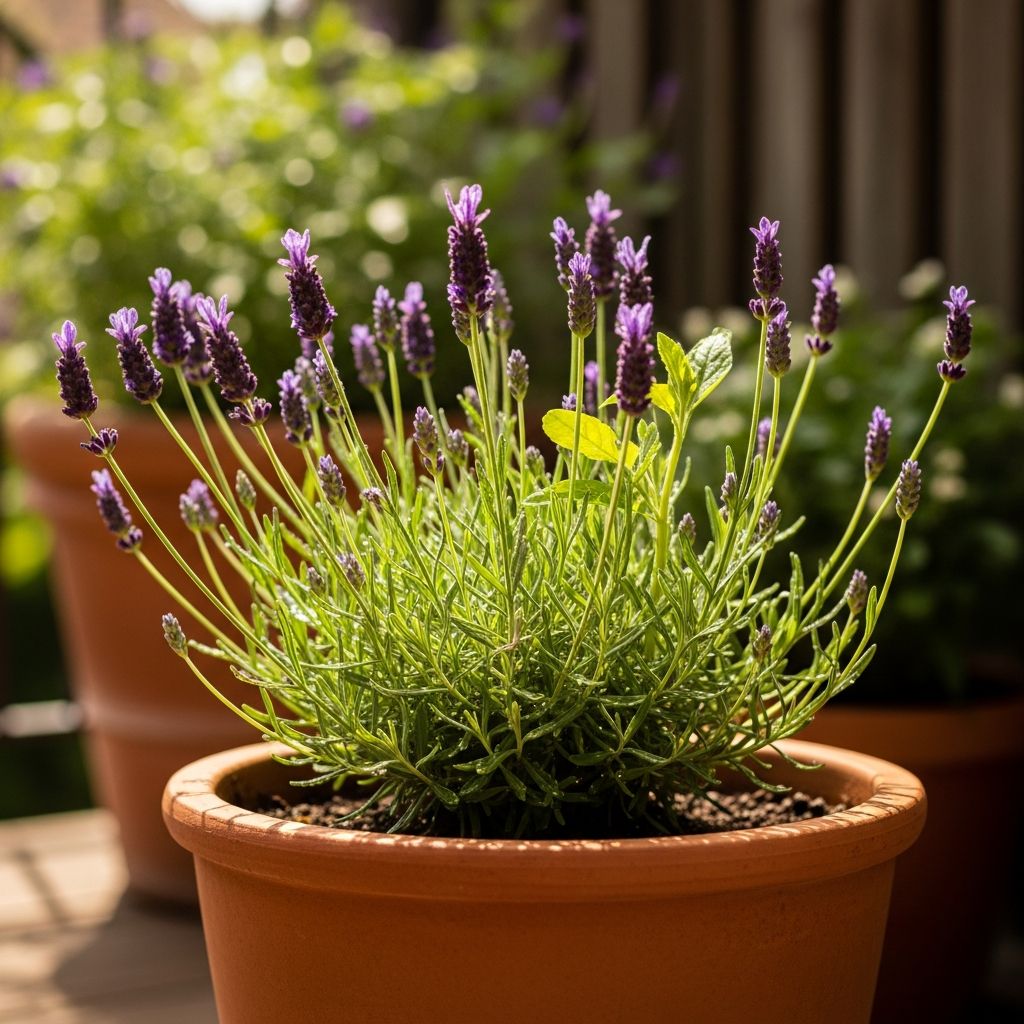
Lavender stands out as one of the most rewarding plants for container gardening, offering fragrant blooms and minimal maintenance requirements when grown in pots. Whether you’re cultivating lavender on a balcony, patio, or small garden space, understanding the fundamental requirements ensures your plants thrive and produce abundant flowers throughout the growing season. Container growing provides flexibility and control over growing conditions, making it an excellent choice for both experienced gardeners and beginners exploring herb cultivation.
Selecting the Right Container for Your Lavender
The foundation of successful container lavender begins with choosing an appropriate pot that supports healthy root development and allows excess moisture to escape. Container selection impacts drainage efficiency, plant longevity, and overall growth patterns, making this decision critically important before purchasing your lavender plant.
Container Dimensions and Capacity
Pot size directly influences how well your lavender establishes and matures. For small to medium lavender varieties, a container measuring 12 inches in diameter provides adequate space for root expansion and nutrient uptake. Larger cultivars and vigorous growing varieties benefit from 16-inch or larger containers that accommodate more extensive root systems. If you’re starting with seedlings, begin with smaller pots and plan to upgrade as the plant develops, allowing roots to fill available space without excess soil that retains unwanted moisture. An 8-inch pot works adequately for producing a compact, flowering plant, while 10 to 12-inch containers offer more margin for error in watering schedules.
Material Considerations for Container Construction
Container material significantly affects moisture retention and air circulation around the root zone. Unglazed terracotta and clay pots represent the optimal choice for lavender cultivation because their porous structure allows excess water to evaporate through pot walls, creating the dry conditions lavender requires. Fabric grow bags also perform excellently, providing superior drainage and air exchange to the root system. Ceramic pots with adequate drainage holes can work acceptably if they feature drainage openings. Avoid plastic containers, particularly glazed or non-porous varieties that trap moisture and create environments conducive to root rot and fungal diseases. Regardless of material selection, verify that your chosen container includes substantial drainage holes—multiple openings prove more effective than single small perforations.
Preparing Soil and Establishing Drainage Systems
Lavender’s preference for well-draining, slightly alkaline soil represents one of the most critical success factors in container cultivation. Improper soil composition and inadequate drainage mechanisms cause the majority of container lavender failures, making this preparation phase essential.
Drainage Enhancement Techniques
Before adding soil, establish a drainage foundation within your container. Place small stones, pebbles, or broken pottery shards at the pot’s base to facilitate water movement toward drainage holes and prevent soil from clogging the openings. This simple layer creates space for excess water to collect and drain away rather than remaining in contact with roots. Some gardeners prefer incorporating a thin layer of sand above the stone barrier to further promote water movement through the soil profile.
Soil Composition and pH Management
Lavender thrives in sandy potting mixes that drain rapidly and resist compaction. Standard potting soil blended with cactus mix or perlite creates an appropriately light, friable medium. Fill your container approximately three-quarters full with this prepared soil mixture. Because most commercial potting soils lean acidic while lavender prefers slightly alkaline conditions (pH 6.7 to 7.3), incorporate lime into your soil at approximately one tablespoon per standard-sized container or at a rate of 2 to 3 ounces per cubic foot of potting mix. This amendment raises pH and creates optimal growing conditions for vigorous growth and abundant flowering.
Planting Your Lavender and Establishing Initial Growth
Proper planting technique establishes the foundation for years of healthy growth. Position your lavender plant at the same depth it grew in its nursery container, with the crown sitting approximately 1 inch above the soil surface. This positioning prevents moisture from accumulating around the base where it might trigger rot. Gently firm soil around the plant to eliminate large air pockets while avoiding excessive compaction that restricts drainage and root expansion. Water thoroughly after planting to settle soil and provide initial hydration, then reduce watering frequency as the plant becomes established.
For gardeners propagating lavender from seed, transplant seedlings when they reach approximately 1 inch in height into final containers. Match the soil line of young plants to the new container’s soil level, maintaining consistent planting depth. Apply only minimal mulch—a thin layer prevents excessive moisture retention and allows accurate assessment of soil moisture levels.
Mastering Watering Schedules for Container Lavender
Watering represents the most critical ongoing maintenance task, as container-grown lavender requires different approaches than in-ground plantings. The confined soil volume in pots dries more rapidly than garden beds while simultaneously offering less root penetration for accessing deeper moisture reserves.
Water Frequency and Technique
Newly planted lavender requires consistently moist (but not waterlogged) soil during the initial establishment phase. Once the plant fills out and develops a mature root system, reduce watering substantially. Established lavender prefers slightly dry conditions and should only receive water when the top inch of soil feels dry to the touch. In full sun during summer months, this typically translates to watering every 1 to 2 weeks, though specific frequency depends on multiple variables including climate, container material, soil composition, sun exposure, and plant age.
When watering, apply water thoroughly until soil becomes completely moist and excess drains from the pot’s bottom. This approach ensures water reaches the entire root zone and flushes out accumulated salts. Allow the pot to drain completely before returning it to its location, preventing standing water that promotes root rot. Container lavender grown indoors requires less frequent watering than outdoor plants due to reduced evaporation rates and lower light intensity.
Seasonal Adjustments and Environmental Factors
Water requirements fluctuate with seasons and weather patterns. During hot summer months, monitor soil moisture more frequently as potting mix dries rapidly. In cooler seasons and during dormancy, reduce watering significantly. Indoor-grown lavender typically requires less frequent watering than outdoor plants. If temperatures reach extreme highs, ensure adequate water availability while maintaining the preference for drier conditions—this balance prevents stress while avoiding moisture-related diseases.
Light Requirements and Placement Considerations
Lavender demands full sunlight to achieve optimal growth and flowering. Position containers where plants receive minimum 6 or more hours of direct daily sunlight. Plants receiving insufficient light develop slowly, produce fewer flowers, and may become leggy and weak. Even partial shade significantly impairs growth rates and flowering capacity. Ensure placement in open areas with good air circulation, which reduces humidity levels and minimizes fungal disease risk. Patios, south-facing balconies, and sunny garden locations provide ideal settings for container lavender cultivation.
Fertilization Strategies for Vigorous Growth
Lavender generally requires minimal fertilization, as excessive feeding produces soft growth, reduces flowering, and creates plants susceptible to diseases. Apply a balanced, slow-release fertilizer formulated for herbs during early spring to support vigorous growth and abundant flowering. Use products providing nitrate-form nitrogen rather than urea-based options. Avoid high-nitrogen fertilizers that promote foliage at the expense of flowers. Many gardeners find that single annual applications in spring provide adequate nutrition for healthy container lavender, particularly if quality potting soil was used during planting.
Protecting Lavender Through Seasonal Extremes
While lavender demonstrates impressive resilience, temperature extremes pose challenges for container-grown plants. Winter cold penetrates containers more readily than ground soil, potentially damaging roots and foliage. Move potted lavender to sheltered locations before hard freezes arrive, or wrap containers with insulating materials to protect the root system. Bringing containers against house walls or into unheated greenhouses provides additional protection. In summer, excessive heat stress may develop if temperatures soar extremely high. Ensure adequate watering and provide afternoon shade in climates with intense summer sun to prevent stress.
Long-Term Container Lavender Viability and Lifespan
Properly maintained container lavender produces beautiful flowers for 5 to 10 years, making it a long-term investment in garden beauty. Longevity depends on consistent care practices, climate compatibility with your chosen lavender variety, and timely repotting as plants mature. Annually inspect root systems and upgrade containers when plants become root-bound, allowing continued expansion and healthy growth. Eventually, even well-cared-for plants may decline after many years, but many gardeners successfully maintain productive plants well beyond a decade.
Troubleshooting Common Container Lavender Problems
Root Rot and Moisture-Related Issues
Overwatering represents the primary cause of container lavender failure. Root rot develops rapidly when soil remains consistently moist, causing stems to soften and roots to decay. Prevent this by ensuring excellent drainage, using appropriate porous containers, and strictly limiting water applications. If root rot develops, reduce watering immediately and consider repotting into fresh soil. Severe cases may prove fatal, underscoring the importance of prevention through proper cultural practices.
Nutrient Deficiencies and Weak Growth
Pale foliage or stunted growth may indicate insufficient nutrition or poor drainage restricting nutrient uptake. Apply balanced slow-release fertilizer in spring, but avoid excessive applications. If growth remains poor despite adequate feeding, evaluate drainage and consider repotting into fresh soil. Acidic potting soil without lime amendment can impair nutrient availability, so verify pH levels and add lime if necessary.
Pest and Disease Management
Container lavender generally experiences fewer pest problems than in-ground plants, though spider mites and whiteflies occasionally appear on indoor specimens. Spray affected plants with water or use insecticidal soap if infestations develop. Good air circulation minimizes fungal diseases, so avoid crowding containers and ensure adequate spacing between plants.
Propagating Lavender for Expanded Collections
Once your container lavender matures, propagation creates additional plants for expanded planting schemes. Strip lower leaves from healthy stems and place the stem bases in water until roots develop over several weeks. Transfer rooted cuttings to soil and position in sunny locations. Alternatively, many gardeners collect seed from dried flower heads, sowing them in seed-starting mix for spring germination. Seed-grown plants may not reproduce exact parent characteristics, but this method works acceptably for most applications.
Frequently Asked Questions About Container Lavender Growing
Q: Can lavender grow in small pots or window boxes?
A: Yes, lavender adapts to small containers including window boxes and 8-inch pots, producing compact flowering plants. Ensure excellent drainage and monitor soil moisture closely as small containers dry rapidly.
Q: How often should I repot my container lavender?
A: Repot when plants become root-bound or annually in spring as plants grow. Use a container only slightly larger than the current one to avoid excessive soil that retains unwanted moisture.
Q: Is indoor container lavender cultivation possible?
A: Indoor lavender requires bright light from windows or grow lights to thrive. Without sufficient light, plants decline despite proper care. Supplement natural light with grow lights positioned close to plants for best results.
Q: What lavender varieties work best for containers?
A: Compact varieties like Munstead, Hidcote, and Rosea excel in containers, growing to manageable heights without excessive sprawling. Larger varieties require correspondingly larger containers but can still grow successfully.
Q: Can container lavender survive freezing winters?
A: Hardiness depends on variety and container insulation. English lavender varieties tolerate cold better than tender French types. Move containers to sheltered locations and wrap pots with insulating materials to protect roots during freezing temperatures.
References
- Planting and Caring for Lavender in Pots — Gardenia.net. Accessed 2026. https://www.gardenia.net/guide/planting-and-caring-for-lavender-in-pots
- How To Grow Lavender In Containers — Great Garden Plants Blog. Accessed 2026. https://blog.greatgardenplants.com/how-to-grow-lavender-in-containers/
- How to Grow Lavender — Bonnie Plants. Accessed 2026. https://bonnieplants.com/blogs/how-to-grow/growing-lavender
- How to Grow Lavender From Seed in A Container (the Easy Way!) — Next Door Homestead. Accessed 2026. https://nextdoorhomestead.com/blog/grow-lavender-containers-from-seed/
- Gardening Tips for Growing Lavender Mt Airy — U.S. Lavender. Accessed 2026. https://www.uslavender.org/gardening-tips-for-growing-lavender-mt-airy
Similar Articles



Read full bio of Sneha Tete