Growing Lavender In Arizona: Expert Tips For Desert Gardens
Master the art of cultivating lavender in Arizona's arid climate with expert tips on varieties, planting, and care for thriving plants.
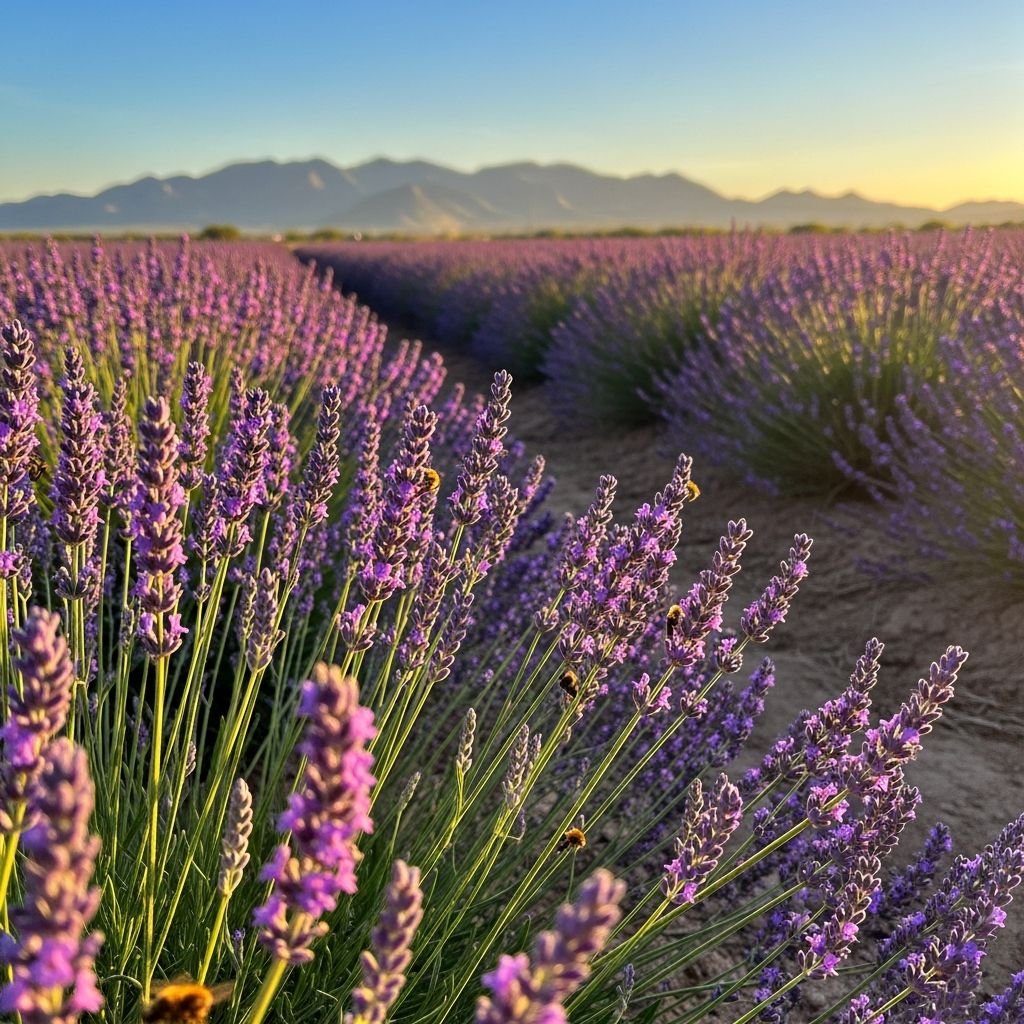
Growing Lavender in Arizona: A Desert Gardener’s Complete Guide
Lavender flourishes in Arizona’s intense sun and dry conditions when given proper care, offering fragrant blooms and pollinator attraction year after year. This guide provides step-by-step advice tailored to the state’s diverse climates, from low-desert valleys to higher elevations, ensuring your plants thrive despite heat waves and alkaline soils.
Why Lavender Excels in Arizona Landscapes
Arizona’s arid environment mimics lavender’s native Mediterranean habitat, with full sun, low humidity, and minimal rainfall creating ideal conditions. Plants like Spanish lavender tolerate Phoenix’s scorching summers up to 112°F, while varieties from local farms such as those near Show Low prove resilient in eastern regions. These perennials add purple hues to xeriscapes, repel pests naturally, and require little upkeep once established, making them perfect for water-conscious gardens.
Beyond aesthetics, lavender supports bees and butterflies, enhances culinary dishes, and provides essential oils for crafts. In hot climates, success hinges on selecting heat-adapted types and avoiding overwatering, which leads to root issues.
Selecting the Best Lavender Varieties for Arizona Heat
Choose varieties bred for high temperatures and poor soils to ensure longevity. Spanish lavender (Lavandula stoechas) stands out for Phoenix and low-desert areas, handling full sun and reflective heat from walls.
- Spanish Lavender: Compact, with bunny-ear bracts; zones 7-9; blooms spring to fall.
- Fernleaf Lavender: Frilly leaves, heat-tolerant; ideal for borders.
- Red Rock Varieties: Farm-tested options from Arizona growers, thriving in Valley of the Sun conditions.
- Grosso or Provence: For higher elevations like Heber; more cold-hardy but heat-resistant.
Avoid English lavender (Lavandula angustifolia) in extreme low-desert heat unless potted with afternoon shade, as it struggles above 100°F consistently.
Optimal Timing for Planting Lavender in the Desert
Fall or early spring planting allows roots to develop before summer stress. Fall (September-October) leverages cooler nights for establishment, reducing transplant shock. Early spring (February-March) suits areas with mild winters, preparing plants for bloom cycles.
| Season | Pros | Cons | Best Regions |
|---|---|---|---|
| Fall | Root growth in mild weather; less evaporation | Rare frosts in low deserts | Statewide |
| Early Spring | Mild temps for settling; pre-summer prep | Potential heat spikes | Low deserts (Phoenix) |
| Summer Avoid | High transplant failure | Extreme heat stress | All |
Plant when soil temperatures exceed 60°F for best results.
Site Preparation: Sun, Soil, and Drainage Essentials
Lavender demands 6-8 hours of direct sun daily, preferably morning light with afternoon protection in ultra-hot spots like Tucson. Good air circulation prevents fungal issues; avoid crowding near structures.
Soil is critical: amend heavy clay with 30-50% gravel, sand, or cactus mix for sharp drainage. Test by filling a hole with water—it should drain in 1-2 hours. Alkaline Arizona soils suit lavender’s preference for pH 6.5-7.5; minimal fertility prevents leggy growth.
- Plant at container depth to avoid burying crowns.
- Space 2-3 feet apart for airflow.
- Elevate beds in flood-prone yards.
Watering Strategies for Thriving Lavender
Young plants need weekly deep watering to establish, tapering to bi-weekly in cool seasons and once monthly in summer for mature ones. Let soil dry completely between sessions—overwatering causes rot.
In pots, use terracotta for breathability; water when top 2 inches are dry. Drip irrigation works best, targeting roots not foliage.
Mulching and Fertilizing for Low-Maintenance Growth
Apply a thin (1-inch) layer of gravel mulch to suppress weeds and stabilize soil temps, keeping it from stems to prevent rot. Organic mulch like bark traps moisture and harms plants.
Fertilize sparingly: a light compost top-dress in fall suffices. Excess nitrogen promotes weak stems over flowers.
Pruning Techniques to Promote Bushy Blooms
Prune annually post-bloom (late spring) by one-third, shaping into a mound. Remove dead wood in late winter. This encourages density and prevents woodiness.
- Use sharp shears; avoid old wood.
- Deadhead spent flowers for rebloom.
- Pinch tips on young plants.
Container Growing for Patios and Small Spaces
Pots suit balconies or heat-sensitive varieties. Select 12-18 inch terracotta pots with drainage holes; fill with gritty mix (50% potting soil, 50% perlite/sand).
Repot every 2-3 years in spring. Place in full sun, water less frequently than ground plants.
Propagation Methods for Expanding Your Lavender Patch
Stem cuttings in spring: take 4-inch tips, dip in rooting hormone, plant in sandy mix under mist. Roots form in 3-4 weeks. Seeds are unreliable due to low germination.
Harvesting and Using Homegrown Lavender
Harvest buds just before full bloom for fragrance. Dry bundles upside down in shade for sachets, teas, or oils. Culinary uses include sugars and vinegars.
Troubleshooting Common Arizona Lavender Problems
| Issue | Symptoms | Solution |
|---|---|---|
| Root Rot | Yellow leaves, mushy roots | Improve drainage; reduce water |
| Leggy Growth | Sparse flowers, woody base | Prune hard; ensure full sun |
| No Blooms | Foliage only | Too much water/fertilizer; prune properly |
| Fungal Spots | Black leaves | Increase airflow; avoid overhead water |
Frequently Asked Questions (FAQs)
Can lavender survive Phoenix summers?
Yes, heat-tolerant types like Spanish lavender excel in Phoenix with proper drainage and minimal watering.
How often should I water lavender in Arizona?
Established plants need water every 2-4 weeks; more for new ones. Always check soil dryness first.
Is lavender deer-resistant in desert areas?
Its strong scent deters deer and rabbits effectively.
Can I grow lavender indoors in Arizona?
Possible with bright south-facing windows, but outdoor conditions are superior.
When is the Red Rock Lavender Festival?
This event showcases Arizona-grown varieties; check local schedules for dates.
Year-Round Care Calendar for Arizona Lavender
- Winter: Minimal water; protect from rare freezes with frost cloth.
- Spring: Prune, fertilize lightly, watch for aphids.
- Summer: Deep water monthly; afternoon shade if over 110°F.
- Fall: Plant new stock, mulch, harvest seeds.
With these practices, lavender becomes a cornerstone of sustainable Arizona gardens, blooming reliably for 10+ years.
References
- Purple Reign: Luscious Lavender in Arizona — Phoenix Home & Garden. 2023. https://www.phgmag.com/purple-reign/
- How to Grow Lavender in Hot Climates — Growing In The Garden. 2023. https://growinginthegarden.com/how-to-grow-lavender-in-hot-climates/
- All About Lavender — Life at Bella Terra. 2023. https://lifeatbellaterra.com/lavender/
- Lavender Growing Guide: Best Types + Care Tips for Hot Climates — Growing In The Garden (YouTube). 2025-04-11. https://www.youtube.com/watch?v=Lu2ySDv2isk
- How to Grow Lavender in Pots — Joy Us Garden. 2023. https://www.joyusgarden.com/potted-lavender/
- Native Plants for Southwestern Landscapes — Mielke, Judy. University of Texas Press. 1993. Referenced in .
Similar Articles








Read full bio of medha deb