How To Grow A Lemon Tree From Seed: Step-By-Step Guide
Master the art of cultivating lemon trees from seeds in your home with this comprehensive guide.
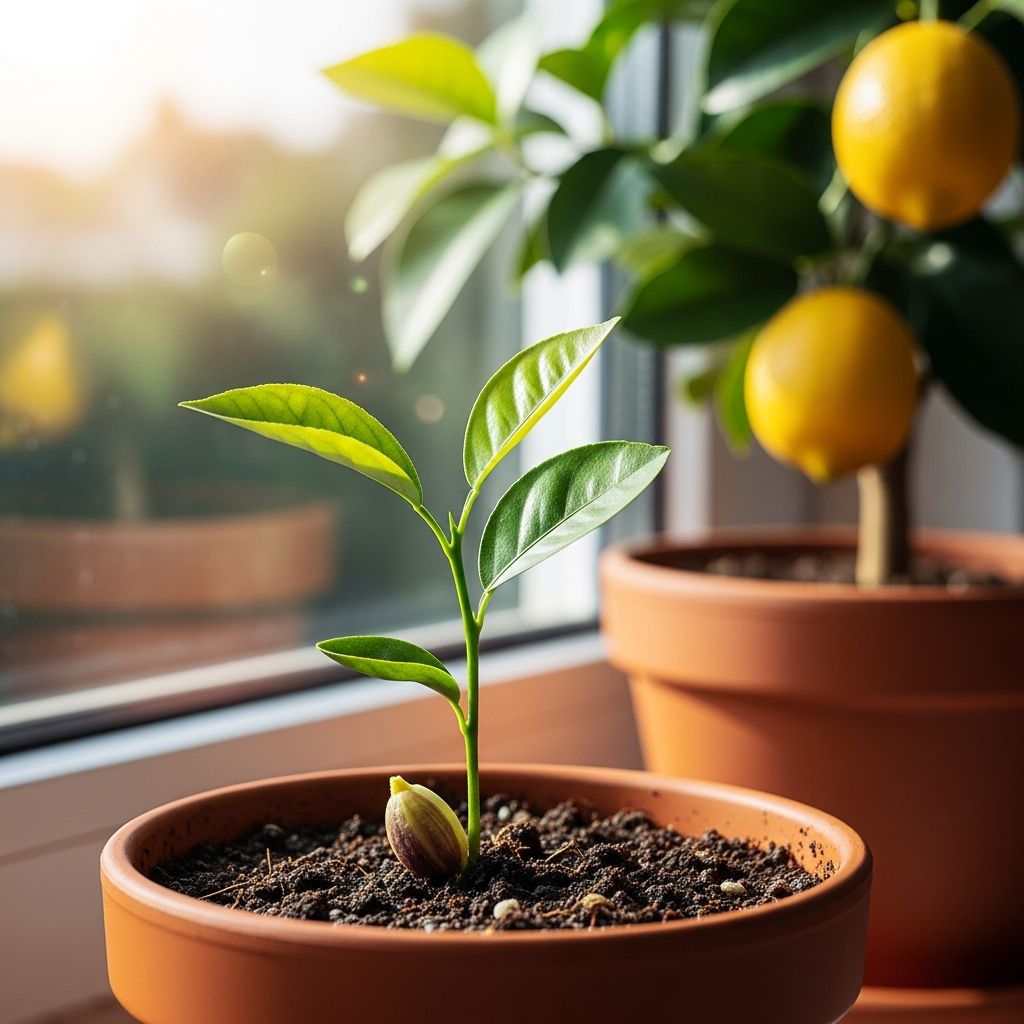
Understanding the Journey: From Seed to Fruiting Lemon Tree
Growing lemon trees from seeds offers an exciting and rewarding gardening experience, whether you’re an experienced horticulturist or a curious beginner. The process requires patience and attention to detail, but the payoff—fresh, homegrown lemons—makes every effort worthwhile. Unlike purchasing mature trees from nurseries, starting from seeds allows you to witness the entire lifecycle of your plant and develop a deeper connection with your garden. While fruit production from seed-grown trees typically takes between three to ten years, the experience of nurturing a plant from its earliest stages creates a unique satisfaction that store-bought specimens simply cannot match.
Selecting and Sourcing Quality Lemon Seeds
The foundation of successful indoor lemon cultivation begins with choosing appropriate seeds. When selecting lemons for seed extraction, prioritize organic varieties or fruits from local farmers’ markets that haven’t undergone pesticide treatment. Organic lemons offer the best chance of viable, healthy seeds that will develop into robust plants.
If you have access to fresh lemons from neighbors or friends, this represents an economical starting point. However, it’s important to understand that many commercial lemon varieties are hybrids, meaning seeds from these fruits may not produce trees with identical characteristics to their parent plants. This genetic variation shouldn’t deter you—the resulting trees will still produce edible lemons, though the fruit quality or appearance might differ slightly from the original.
For gardeners with limited space, Meyer lemon varieties present an excellent alternative. These naturally compact trees thrive in container environments and follow the same propagation methods as standard lemon varieties.
Preparing Seeds for Optimal Germination Success
Proper seed preparation significantly impacts germination rates and early seedling development. Begin by carefully extracting seeds from fresh lemons using your fingers, ensuring each seed remains intact without cracks or damage. Immediately rinse the seeds under cool, running water to eliminate any residual flesh or pulp clinging to the surface. This critical step prevents fungal infections and seed rot, as leftover sugar from the fruit promotes unwanted microbial growth.
After rinsing, many gardeners choose to crack the outer shell of each seed to access the smaller seed nestled inside. While this step requires patience and a delicate touch, it can enhance germination rates. However, you may also plant whole seeds if you prefer to avoid this fiddly process—they will often germinate successfully without shell removal.
Unlike many other seed types, lemon seeds should not be allowed to dry out before planting. Keep seeds consistently moist throughout the preparation and planting process. If you cannot plant immediately after preparation, store seeds in a damp paper towel wrapped in a plastic bag until you’re ready to proceed.
Creating the Ideal Germination Environment
Before planting seeds directly into potting soil, many experienced growers prefer to germinate them using the paper towel method. This approach provides greater visibility of root development and allows you to plant seeds only once they’ve established sufficient root systems.
To implement the paper towel germination technique, dampen several sheets of paper towel and arrange your seeds at least one inch apart in all directions. Cover with another layer of moist paper towel and place the entire setup in a sealed food storage container or plastic bag. This enclosed environment maintains consistent moisture levels while preventing seeds from drying out.
Temperature control proves essential during germination. Maintain environmental temperatures around 70°F (21°C) for optimal seed sprouting. If your home tends to run cool, the top of a refrigerator provides an ideal warm location for germination containers. Check seeds every three days, ensuring they remain moist but not waterlogged. Depending on seed viability and environmental conditions, you should observe root emergence between one and three weeks.
Planting Germinated Seeds in Potting Medium
Once roots reach approximately one inch in length, it’s time to transition seeds into their growing medium. Select containers with drainage holes to prevent water accumulation around roots, which can lead to rot and fungal issues. Use a high-quality potting soil formulated for citrus or palm plants, as these mixes provide appropriate drainage and nutrient composition.
Plant seeds approximately one-half inch deep, positioning roots just below the soil surface while keeping any emerging growth above the soil level. Gently firm the potting mix around each seedling and water thoroughly. If planting multiple seeds in a single container, space them adequately to prevent root competition during early growth stages.
If you prefer direct planting without the paper towel germination step, create one-inch holes in pre-moistened potting soil and place wet seeds directly into these holes. Cover gently and maintain consistent moisture—the top inch of soil should remain damp but never soggy throughout the germination period. Keep planted containers in warm, sunny indoor locations to encourage germination.
Managing Light Requirements for Healthy Seedlings
Once seedlings emerge and begin developing their first true leaves, light becomes the most critical environmental factor. Position young lemon plants in the warmest, sunniest location available—an indoor window with southern or western exposure works excellently. Seedlings require at least six to eight hours of direct sunlight daily for optimal growth and development.
For the first few weeks indoors, seedlings adjust to their environment through gradual acclimation. After two to three weeks of indoor growth by a window, begin carefully introducing outdoor conditions if weather permits. Start with just one hour of direct morning sunlight, progressively increasing exposure over several weeks. This gradual transition prevents leaf burn and stress that can damage young plants.
Once fully acclimated, lemon trees cannot receive excessive sunlight—they thrive with eight to twelve hours of daily illumination. If natural sunlight proves insufficient in your location, grow lights positioned six to twelve inches above plants can supplement natural light and promote vigorous growth.
Establishing a Consistent Watering Schedule
Water management represents perhaps the most delicate balance in early lemon tree cultivation. Overwatering causes root rot and fungal infections, while underwatering stunts growth and wilts developing leaves. Test soil moisture by inserting your finger into the potting mix—water only when the top two to three inches feel dry to the touch.
During the germination and early growth phases, keep soil consistently moist but never saturated. Once seedlings are established and beginning active growth, allow the top portion of soil to dry slightly between waterings. Mature lemon trees appreciate deep, thorough watering followed by a drying period rather than frequent light sprinkling.
Watch for visual indicators of water stress: drooping leaves suggest the plant needs water, while yellowing foliage and mushy stems indicate overwatering. The key is finding the balance where soil moisture supports healthy root development without creating waterlogged conditions.
Transplanting and Container Progression
As seedlings develop multiple true leaves, they require larger containers to accommodate expanding root systems. When seedlings have established several leaves, carefully transplant them into four to six-inch diameter containers using the same quality potting mix. This transition prevents root binding and provides space for continued growth.
As your lemon tree continues developing, continue upsizing containers as needed. A tree that remains in a smaller container will grow more slowly than one transplanted into progressively larger pots. However, using containers that are excessively large relative to the plant size can lead to overwatering issues, so maintain reasonable proportionality.
During spring, prune young lemon trees to encourage bushier, more balanced growth rather than tall, leggy development. Removing growing tips stimulates branching and creates more aesthetically pleasing plant architecture.
Long-Term Care for Maturing Indoor Lemon Trees
Beyond the initial germination and establishment phases, sustained success requires attention to several ongoing care requirements. Maintain temperatures between 60°F and 70°F during active growing seasons, adjusting expectations for slower winter growth when daylight decreases.
Fertilization supports healthy development, particularly once trees reach maturity. Apply citrus-specific fertilizers following product label instructions, typically beginning once the tree has developed a substantial canopy. During winter months in cold climates, reduce watering and discontinue fertilizer applications, resuming both when spring growth recommences.
In colder climates where outdoor cultivation isn’t feasible, maintain lemon trees as potted houseplants year-round. Many gardeners keep trees indoors during winter months (approximately four months annually in northern regions) and move them outside during warmer seasons. This seasonal migration protects tender plants from frost while maximizing summer sunlight exposure.
Understanding Flowering and Fruit Production Timelines
Perhaps the most challenging aspect of seed-grown lemon trees involves the extended wait for fruit production. Most seed-grown trees require seven to ten years to produce flowers and subsequent fruit, though some exceptional specimens fruit within three years. This extended juvenile period tests gardeners’ patience but shouldn’t discourage effort—the eventual reward of homegrown lemons justifies the wait.
When your tree finally begins flowering, provide citrus-specific fertilizer to support fruit development. Apply mulch around the base of the tree to moderate soil temperature, conserve moisture, and suppress weeds that might compete for nutrients.
Troubleshooting Common Indoor Cultivation Challenges
Several issues commonly arise during indoor lemon tree cultivation. Fungal infections and seed rot typically result from excessive moisture or residual fruit pulp on seeds. Prevent these problems through thorough rinsing, proper drainage, and careful moisture management.
Leggy, weak growth usually indicates insufficient light. Respond by moving plants to brighter locations or supplementing with grow lights. Yellowing leaves may signal nutrient deficiency, requiring balanced fertilizer application.
Pest infestations, while less common indoors than in outdoor settings, can affect container-grown citrus. Monitor leaves regularly for spider mites, mealybugs, or scale insects, treating promptly with appropriate organic pest management methods if infestations develop.
Frequently Asked Questions
Q: Can I grow a lemon tree from a store-bought lemon seed?
A: Yes, you can grow lemon trees from supermarket seeds, though organic lemons offer better viability since they haven’t been treated with growth inhibitors or pesticides. Many commercial lemons are hybrids, so resulting trees may produce fruit with slightly different characteristics than the original fruit.
Q: How long until my lemon tree produces fruit?
A: Seed-grown lemon trees typically require seven to ten years to produce fruit, though some exceptional specimens fruit within three years. Patience is essential when starting from seeds.
Q: What’s the best time of year to start lemon seeds indoors?
A: You can start seeds anytime, though planting a few weeks before the last frost in your region allows seedlings to establish before moving outdoors. This timing maximizes outdoor growing time during warmer months.
Q: Do lemon seeds need light to germinate?
A: Lemon seeds germinate best in warm, dark, moist environments. Keep them covered during germination, then move to bright light once seedlings emerge and begin developing leaves.
Q: Can I keep a lemon tree indoors permanently?
A: Yes, lemon trees grow well indoors as long as they receive sufficient sunlight (6-8 hours daily) and appropriate care. However, they also thrive outdoors during warm seasons, making container cultivation ideal for seasonal transitions between indoor and outdoor environments.
Q: How do I separate multiple seedlings growing in the same pot?
A: Wait until weather warms and seedlings have developed several true leaves. Gently separate seedlings by carefully pulling them apart, minimizing root disturbance, and transplant into individual containers filled with fresh potting mix. Perform this operation when you can place newly separated plants in outdoor conditions to reduce transplant shock.
References
- How to Grow a Lemon Tree From a Seed at Home — The Garden Glove. Accessed January 2026. https://www.thegardenglove.com/grow-lemon-tree-from-seed/
- Growing Lemon Trees from Seed — Practical Self Reliance. Accessed January 2026. https://practicalselfreliance.com/growing-lemon-trees-from-seed/
- How to Grow Lemon Trees from Seed & Other Citrus Fruits — Empress of Dirt. Accessed January 2026. https://empressofdirt.net/grow-citrus-seed/
Similar Articles





Read full bio of Sneha Tete