Growing Melons at Home
Master the art of cultivating sweet, juicy melons in your backyard with expert tips on soil, planting, and care for bountiful harvests.
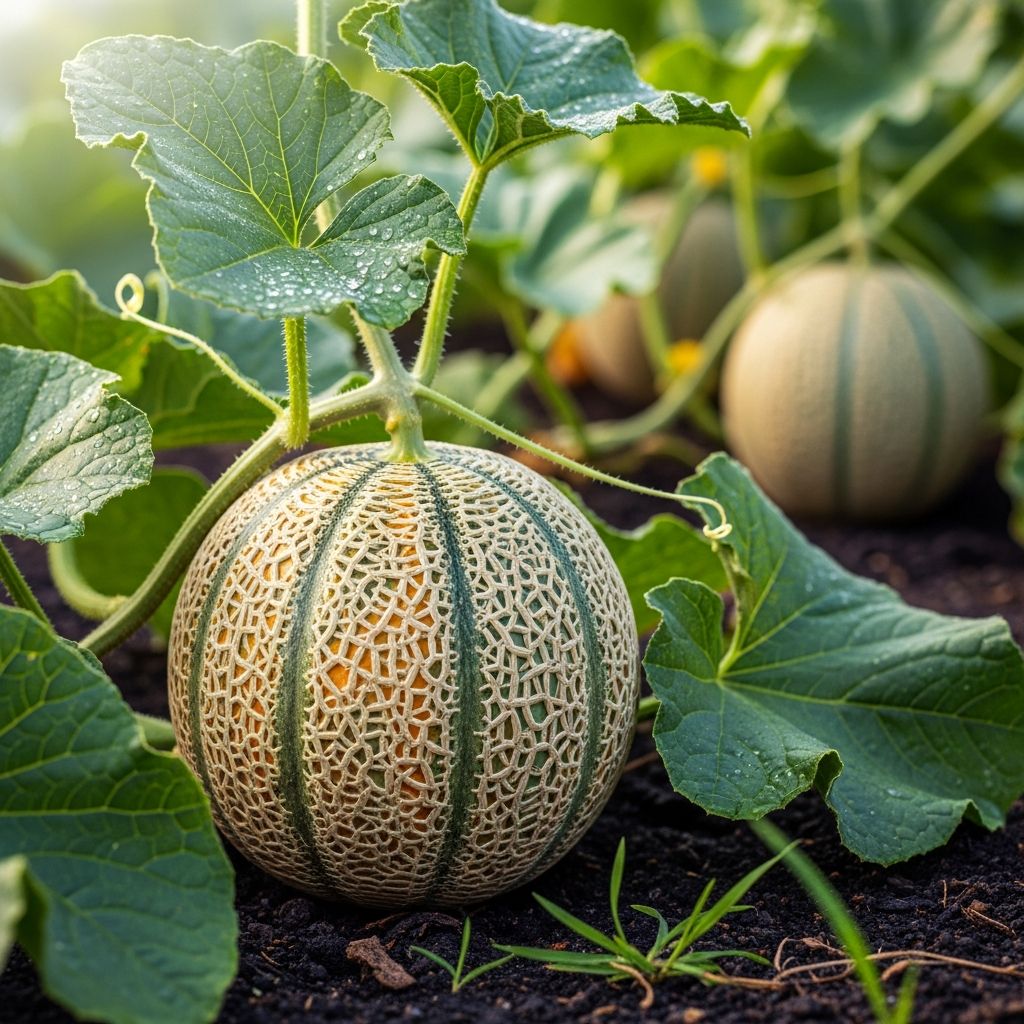
Melons, including cantaloupes, watermelons, and honeydews, offer gardeners a rewarding crop of sweet, refreshing fruits when grown under the right conditions. These warm-season plants thrive in full sun, fertile soil, and consistent moisture, producing abundant yields in as little as 80-100 days from transplant.
Understanding Melon Varieties for Your Garden
Selecting the appropriate melon type sets the foundation for success.
Cantaloupes
(muskmelons) feature netted rinds and aromatic flesh, maturing in 75-90 days.Watermelons
range from small icebox sizes to large oblong varieties, needing 80-100 days.Honeydews
provide smooth, green-skinned fruits with pale flesh, ideal for cooler climates.- Cantaloupes: Compact vines suit smaller spaces; harvest when rind slips easily from fruit.
- Watermelons: Sprawling vines demand more room; choose disease-resistant hybrids for reliability.
- Honeydews: Longer maturity (90-110 days); prefer greenhouse protection in short seasons.
Opt for varieties resistant to common issues like powdery mildew or fusarium wilt, especially in humid regions.
Optimal Site Selection and Soil Preparation
Melons require
full sun
—at least 6-10 hours daily—and well-drained, nutrient-rich soil with a pH of 6.0-7.0. Sandy loam or amended clay soils perform best, enriched with compost or well-rotted manure to boost fertility and drainage.Prepare the site weeks ahead: Till in organic matter (two bucketfuls per square yard) and warm soil using black plastic mulch or cloches. This raises soil temperature to the critical 70°F (21°C) minimum for root establishment.
| Soil Type | Suitability | Amendments Needed |
|---|---|---|
| Sandy Loam | Excellent | Compost for nutrients |
| Clay | Good with prep | Organic matter + raised beds |
| Poor Drainage | Avoid | Not recommended |
Test soil pH and adjust with lime if below 6.0. Drip irrigation encourages deep roots, enhancing drought tolerance.
Starting Melon Seeds Indoors for Early Harvests
For regions with short summers, begin seeds indoors 3-4 weeks before the last frost. Sow in 3-inch pots with seed-starting mix, planting 2-3 seeds ½-inch deep at 85°F on a heat mat. Germination occurs in 3-10 days.
Reduce temperature to 75°F post-germination, providing bright light. Thin to the strongest seedling at 2 inches tall. Harden off plants over 7-10 days before transplanting when soil hits 70°F.
- Use peat pots to minimize transplant shock.
- Maintain daytime temps above 70°F and nights above 60°F.
- Direct sow only after soil warms to 59°F (15°C).
Transplanting and Spacing Melon Plants
Plant outdoors post-frost, spacing cantaloupes 24 inches in rows 5-6 feet apart, watermelons 3-4 feet in rows 6-7 feet apart, or in hills of 2-3 plants 6-8 feet apart. Cut slits in plastic mulch for transplants, securing edges with soil or rocks.
In greenhouses or containers (16+ inches wide), position one plant per pot in multi-purpose compost. Train vines vertically on trellises to save space and improve airflow.
Water deeply after planting. Apply organic mulch (straw or leaves) once soil warms to retain moisture and suppress weeds.
Essential Watering and Fertilization Strategies
Consistent moisture is vital during establishment and fruit set—1-2 inches weekly via drip lines. Avoid overhead watering to prevent foliar diseases. Mulch conserves water and cools roots.
Fertilize with balanced 5-10-10 or fish emulsion at planting, then side-dress with nitrogen mid-season. Excess nitrogen promotes vines over fruit.
- Early: High-nitrogen for vegetative growth.
- Fruiting: Shift to phosphorus-potassium blends.
- Foliar feeds: Boost micronutrients weekly.
Pollination Techniques for Maximum Yields
Melons rely on bees for pollination. In greenhouses or low-bee areas, hand-pollinate by transferring male flower pollen to female flowers (with tiny fruit base) early morning.
Vertical training exposes flowers; shake vines gently to aid pollen dispersal. One vine can support 4-6 fruits; prune excess for larger sizes.
Common Pests and Diseases Management
Monitor for
aphids
,cucumber beetles
, andsquash bugs
—use row covers early, then insecticidal soap.Powdery mildew
thrives in humidity; space plants well and apply sulfur sprays.| Issue | Symptoms | Control |
|---|---|---|
| Powdery Mildew | White powder on leaves | Improve air circulation, fungicides |
| Aphids | Curling leaves, honeydew | Soap sprays, ladybugs |
| Fusarium Wilt | Wilting, yellowing | Resistant varieties, crop rotation |
Rotate crops every 3 years; remove debris post-harvest.
Supporting Vines and Fruit Development
Vines sprawl 6-10 feet; use slings for heavy watermelons on trellises. Prune to 2-3 vines per plant, removing suckers for focused energy on fruit.
Fruits ripen in 30-50 days post-pollination. Cantaloupes: Tendril dries, rind nets. Watermelons: Ground spot yellows, thump for dull sound.
Harvesting and Storage Tips
Harvest cantaloupes when they “slip” from vines; watermelons at full slip or 90 days. Store at 45-50°F for 2-3 weeks. Excess? Freeze cubes or make preserves.
Growing Melons in Containers and Small Spaces
Use 5-gallon buckets or grow bags with drainage. Fill with potting mix + compost + slow-release fertilizer. Trellis vertically; water frequently as pots dry fast.
- Ideal for patios or balconies.
- Choose bush varieties like ‘Sugar Baby’ watermelon.
- Feed bi-weekly with balanced liquid fertilizer.
Frequently Asked Questions (FAQs)
Can I grow melons in cooler climates?
Yes, use black plastic mulch, row covers, and early transplants to extend the season.
How do I know when to harvest?
Look for slip signs, dried tendrils, and aroma. Avoid pulling prematurely.
What if my melons are small or bland?
Ensure even watering, pollination, and full sun. Reduce nitrogen late-season.
Are melons easy for beginners?
Moderately; success comes with warmth, soil prep, and pest vigilance.
Can I replant melons yearly?
Rotate sites to prevent soil diseases.
References
- Growing Melons in a Home Garden — University of Maryland Extension. Accessed 2026. https://extension.umd.edu/resource/growing-melons-home-garden
- How to grow melons | RHS Guide — Royal Horticultural Society. Accessed 2026. https://www.rhs.org.uk/fruit/melons/grow-your-own
- How To Grow Cantaloupe Melons From START TO FINISH — TheKiwiGrower (YouTube). Accessed 2026. https://www.youtube.com/watch?v=0LK3tNZD9Qg
- Success with Growing Melons, Part 1 — Sustainable Market Farming. 2023-05-31. https://www.sustainablemarketfarming.com/2023/05/31/success-with-growing-melons-part-1/
- How to Grow Melons — MSU Extension. Accessed 2026. https://www.canr.msu.edu/resources/how_to_grow_melons
- How Do I Grow Melons? | Planting & Care Guide — joegardener. Accessed 2026. https://joegardener.com/how-do-i-grow-melons/
Similar Articles






Read full bio of Sneha Tete