Growing Wisteria From Seeds: A Complete Beginner’s Guide
Unlock the secrets to cultivating stunning wisteria vines from seeds, from collection to breathtaking blooms in your garden.
Transform simple seed pods into cascading cascades of purple, pink, or white flowers by learning how to cultivate wisteria from seeds. This vigorous climbing vine, prized for its fragrant blooms and lush foliage, can be propagated at home with basic materials and patience. While grafted plants flower faster, seed-grown wisteria offers genetic diversity and the thrill of nurturing from the start. Expect a journey spanning years, with first blooms potentially arriving in 6-15 years, but the reward is a robust, unique specimen tailored to your garden.
Understanding Wisteria: Botany and Varieties
Wisteria belongs to the Fabaceae family, known for nitrogen-fixing abilities that enrich soil. Native to East Asia and North America, popular species include Chinese wisteria (Wisteria sinensis), Japanese wisteria (Wisteria floribunda), and American wisteria (Wisteria frutescens). Chinese and Japanese types are more vigorous and invasive in some regions, producing long racemes of pea-like flowers. American varieties are milder growers with shorter blooms but better cold hardiness.
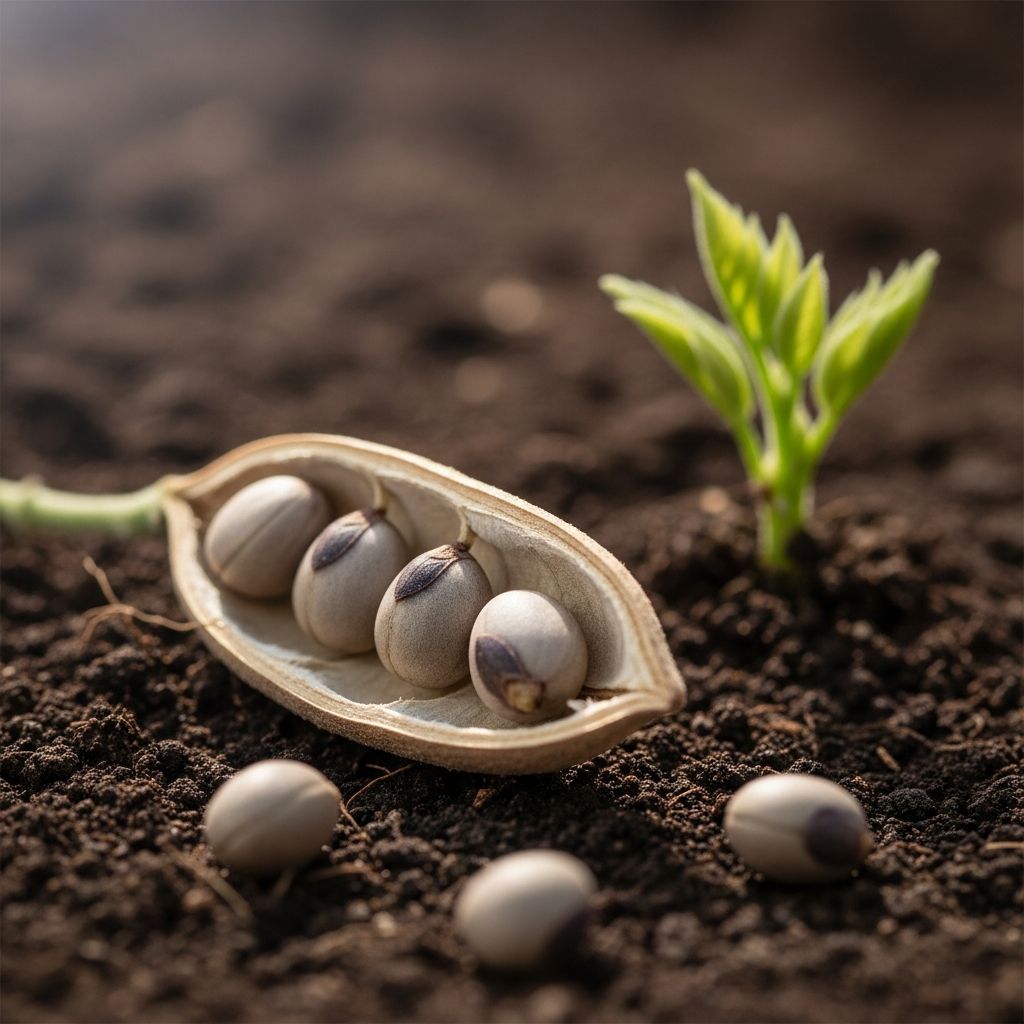
Seeds form in velvety, bean-like pods that explosively twist open when dry, flinging seeds up to 15 meters. Each pod holds 3-6 flat, oval seeds with a hard, impermeable coat that protects against premature germination. This dormancy mechanism requires specific pre-treatments for successful sprouting.
| Species | Bloom Color | Pod Length | Hardiness Zone | Flower Timing |
|---|---|---|---|---|
| Chinese (W. sinensis) | Purple, white | 4-6 inches | 5-9 | Early spring |
| Japanese (W. floribunda) | Purple, blue, pink | 2-4 inches | 4-9 | Mid-spring |
| American (W. frutescens) | Purple, white | 2-5 inches | 5-9 | Late spring |
Collecting and Preparing Wisteria Seeds
Harvest seeds in late summer or fall after leaves drop. Select mature, brown pods from healthy vines—avoid green ones. Pods dry and split naturally, but collect before dispersal to prevent loss. Twist or pry open pods carefully; seeds inside are hard, brown discs about 1 cm wide.
Spread seeds on newspaper in a single layer to air-dry for 1-2 weeks in a warm, ventilated spot. Store in a paper envelope or sealed jar in the fridge for up to a year if not planting immediately. Fresh seeds germinate best, but viability drops after 18 months.
- Inspect for damage: Discard shriveled or moldy seeds.
- Quantity tip: 10-20 seeds yield 5-10 viable seedlings due to 50-80% germination rates.
- Safety note: Wear gloves; pods can irritate skin when splitting explosively.
Seed Scarification and Soaking Techniques
The impermeable seed coat demands scarification to allow water uptake. This mimics natural wear from soil abrasion. Methods include:
- Mechanical scarification: Gently nick the edge with a sharp knife or rub with fine sandpaper until the inner white layer shows. Avoid cutting deep to protect the embryo.
- Thermal scarification: Soak in hot (not boiling) water for 24 hours; it softens as water cools.
- Chemical option: Brief dip in dilute sulfuric acid (professional use only).
Post-scarification, soak seeds in room-temperature water for 24-72 hours. They plump up dramatically, signaling readiness. Change water daily to prevent bacterial growth. Videos show seeds doubling in size, with sprouts emerging in humid jars after 3 days.
Germination Process: Step-by-Step
Create optimal conditions: warmth (65-75°F/18-24°C), moisture, and indirect light. Germination takes 1-4 weeks.
- Prepare medium: Use damp paper towels in a plastic bag or sterile seed-starting mix in trays.
- Plant shallowly: Place scarified seeds 1/2 inch deep, 1-2 inches apart.
- Maintain humidity: Cover with plastic dome; ventilate daily.
- Monitor daily: Radicles (white roots) appear first, followed by shoots.
Success rates exceed 70% with scarification. Place in a warm spot like a heat mat or sunny windowsill. Once sprouted (cotyledons visible), transplant to pots.
Potting Up Seedlings for Initial Growth
Gently handle sprouted seeds by roots. Use 4-inch pots with well-draining potting mix (50% compost, 30% perlite, 20% peat). Plant 1-2 per pot at 1-inch depth.
- Water until drainage occurs; keep soil moist but not soggy.
- Provide bright, indirect light; thin to strongest seedling per pot after true leaves form.
- Fertilize lightly with diluted balanced liquid feed every 2 weeks after 4 weeks.
Seedlings grow rapidly, reaching 6-12 inches in months. Harden off outdoors after 6-8 weeks by gradual exposure.
Transplanting to Garden or Larger Containers
Wait 1-2 years for root development before permanent planting. Choose full sun (6+ hours), fertile, well-drained loamy soil pH 6.0-7.0. Space 10-15 feet apart for vines.
Dig a hole twice the root ball width; amend clay soils with compost. Water deeply weekly first year. For pots, upgrade to 20-gallon containers with trellis support.
- Training tip: Pinch tips to encourage branching; tie to supports.
- Winter care: Mulch roots in zones 4-5; protect young plants from frost.
Long-Term Care for Blooming Vines
Wisteria thrives with minimal input once established but demands pruning for flowers. Growth timeline:
| Stage | Timeframe | Key Actions |
|---|---|---|
| Germination to potting | 1-4 weeks | Moist warmth |
| Seedling to transplant | 1-2 years | Repot annually |
| First blooms | 6-15 years | Prune twice yearly |
| Maturity | 15+ years | Heavy pruning |
Prune in late winter (remove 1/3 growth) and summer (shorten sideshoots to 6 buds). Avoid excess nitrogen fertilizer to prevent foliage over flowers. Pests like aphids or Japanese beetles require insecticidal soap; fungal issues need good air circulation.
Common Challenges and Solutions
No germination: Insufficient scarification or cold temps—retry with hot water soak.
Leggy seedlings: Increase light exposure.
No flowers: Patience or root-prune mature plants to stimulate blooming.
Invasive risk: Chinese/Japanese wisteria seeds spread easily; remove pods annually and check local regulations.
FAQs
Can I grow wisteria from store-bought seeds?
Yes, but fresh local seeds perform better. Expect similar timelines.
How long until my seed-grown wisteria flowers?
Typically 6-15 years; Japanese varieties may bloom sooner than Chinese.
Is scarification always necessary?
Not strictly, but it boosts rates from 30% to 80%.
Can wisteria grow in pots permanently?
Yes, dwarf varieties or American types; repot every 2-3 years.
Why won’t my wisteria bloom?
Excess fertilizer, insufficient sun/pruning, or young age. Patience is key.
Advanced Tips for Spectacular Results
Experiment with grafting seedlings onto mature rootstock after 2 years for earlier blooms. Track progress with a journal noting varieties and conditions. Join gardening forums for region-specific advice. For pollinator gardens, pair with spring bulbs—wisteria attracts bees en masse.
Seed propagation preserves heirloom traits absent in clones. With dedication, your vines could span arbors, creating shaded retreats fragrant for decades.
References
- How to grow Wisteria from seed — YouTube. 2023. https://www.youtube.com/watch?v=0DLyNTa2uoM
- Growing Wisteria From Seed Pods — Gardening Know How. 2024-10-15. https://www.gardeningknowhow.com/ornamental/vines/wisteria/grow-wisteria-seeds.htm
- How to grow wisteria — Royal Horticultural Society (RHS). 2025-01-20. https://www.rhs.org.uk/plants/wisteria/growing-guide
- How To Grow Your Wisteria – From Seed To A Blossoming Tree — Spirit Japan. 2023. https://www.spiritjapan.com/blogs/ninja-scrolls-%E6%9C%AC/how-to-grow-your-wisteria-from-seed-to-a-blossoming-tree
- Growing Wisteria Vine from Seed Pod (40-day Time Lapse) — YouTube. 2021-08-12. https://www.youtube.com/watch?v=ZwAztACEw5w
Similar Articles




Read full bio of Sneha Tete