Kitchen Cabinet Styles: A Complete Design Guide
Discover popular kitchen cabinet styles to transform your kitchen with timeless or contemporary designs.
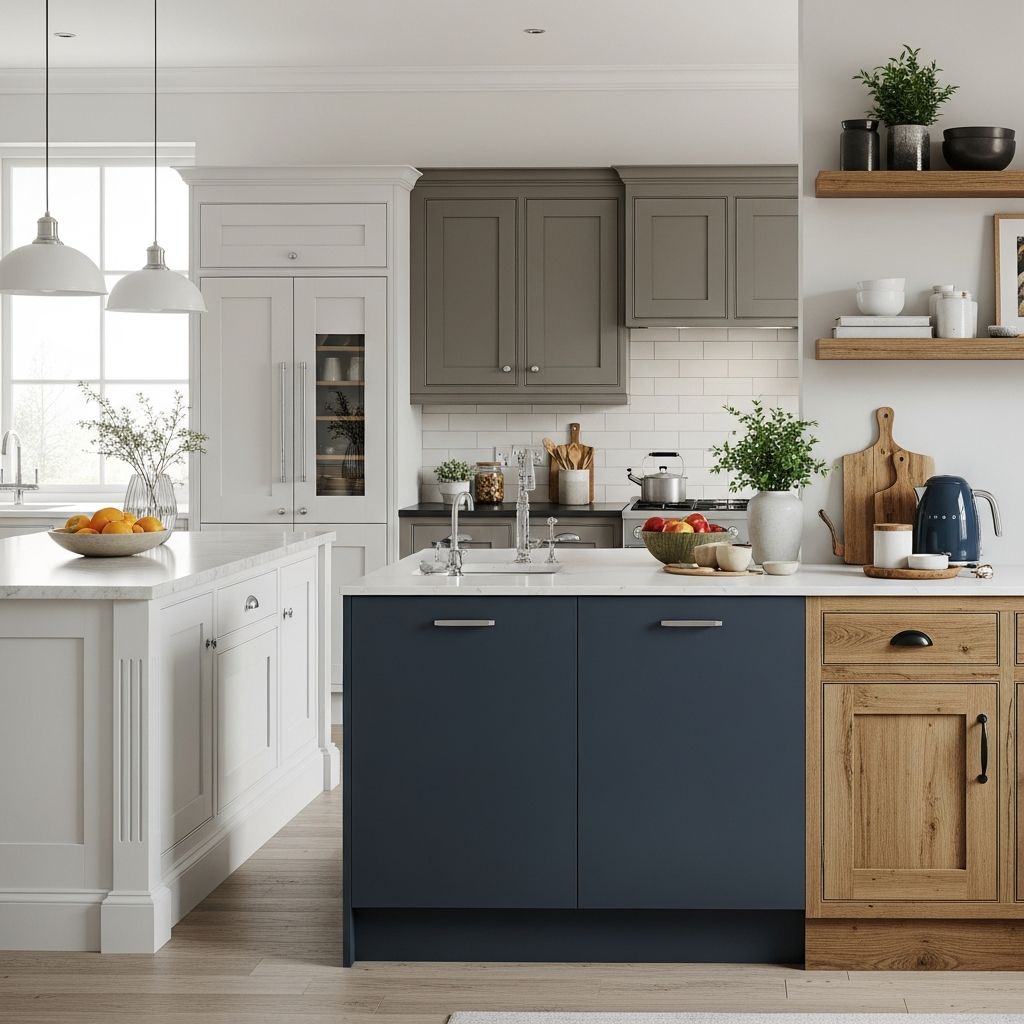
Your kitchen cabinets are one of the most prominent features in your home, setting the tone for the entire space and determining both functionality and aesthetic appeal. Choosing the right cabinet style can dramatically transform your kitchen’s appearance while ensuring practicality for everyday use. Whether you’re planning a complete kitchen remodel or updating your current cabinets, understanding the various styles available will help you make an informed decision that aligns with your personal taste, budget, and lifestyle needs.
Kitchen cabinets have evolved significantly over the years, with designers and manufacturers creating styles that range from sleek and contemporary to warm and traditional. Each style offers unique characteristics, benefits, and considerations that can influence your kitchen’s overall design scheme. This comprehensive guide explores the most popular kitchen cabinet styles, helping you understand what each one offers and how to determine which style is best suited for your home.
Modern Kitchen Cabinets
Modern kitchen cabinets represent a bold departure from traditional design, emphasizing clean lines, minimalist aesthetics, and functional efficiency. These cabinets feature flat-panel doors without decorative elements, creating a sleek and streamlined appearance that appeals to homeowners seeking a contemporary kitchen environment.
The hallmarks of modern kitchen cabinets include handle-less designs, where doors open via push-to-open mechanisms or integrated handles. This design choice eliminates visual clutter and creates an uninterrupted surface, contributing to the minimalist aesthetic that defines modern kitchens. Materials commonly used in modern cabinets include engineered wood, laminate, and natural materials with matte or glossy finishes in neutral colors such as white, gray, black, or natural wood tones.
Modern cabinets excel at maximizing storage efficiency with innovative organizational systems, including pull-out drawers, lazy Susans, and custom compartments designed to accommodate modern kitchen gadgets and appliances. These cabinets work exceptionally well in open-concept kitchen layouts and pair beautifully with stainless steel appliances and concrete or stone countertops.
- Flat-panel doors without ornamental details
- Handle-less or minimalist hardware
- Neutral color palettes
- High-gloss or matte finishes
- Efficient storage solutions
Traditional Kitchen Cabinets
Traditional kitchen cabinets draw inspiration from classic design principles that have stood the test of time. These cabinets feature ornate details, raised-panel doors, and decorative moldings that convey elegance, warmth, and timeless sophistication. Traditional cabinets are ideal for homeowners who appreciate classic design elements and prefer a more formal, established aesthetic.
The defining characteristics of traditional cabinets include raised or recessed panel doors, decorative hardware such as cup handles or knobs, crown molding at the top, and often a finished toe-kick base. These cabinets are typically crafted from solid wood such as oak, cherry, or maple, with rich finishes in warm tones including cherry red, honey oak, or dark brown stains that emphasize the wood’s natural grain and character.
Traditional cabinets coordinate seamlessly with classic countertops like granite or marble, traditional backsplashes, and formal kitchen layouts. They work particularly well in colonial, Victorian, and farmhouse-inspired homes and create an inviting, sophisticated atmosphere that never goes out of style.
- Raised-panel doors with decorative elements
- Ornate hardware finishes (brass, bronze)
- Crown molding and trim details
- Rich wood stains and finishes
- Solid wood construction
Transitional Kitchen Cabinets
Transitional kitchen cabinets represent a sophisticated bridge between traditional and modern design aesthetics, combining the best elements of both styles. These cabinets appeal to homeowners who desire elegance and timelessness while incorporating contemporary functionality and cleaner lines. Transitional design has become increasingly popular for its versatility and broad appeal across different home styles.
Transitional cabinets typically feature a hybrid approach with simple raised-panel doors that lack extensive ornamentation, paired with minimalist hardware that suggests modern efficiency. The color palette often includes soft neutrals, warm whites, soft grays, and natural wood tones that create a balanced, harmonious appearance. These cabinets maintain the craftsmanship and quality associated with traditional cabinetry while embracing the streamlined functionality of modern designs.
This style works exceptionally well in homes transitioning from traditional to modern aesthetics or in mixed-style interiors where various design elements need to coexist harmoniously. Transitional cabinets pair beautifully with quartz or granite countertops, subway tile backsplashes, and a mix of traditional and contemporary hardware, allowing for creative design flexibility.
- Simplified raised-panel doors
- Balanced modern and traditional elements
- Subtle hardware choices
- Neutral color selections
- Quality craftsmanship with modern efficiency
Farmhouse Kitchen Cabinets
Farmhouse kitchen cabinets evoke a warm, rustic charm inspired by country living and rural aesthetics. This style has gained tremendous popularity in recent years, appealing to those seeking a kitchen that feels inviting, lived-in, and connected to natural elements. Farmhouse cabinets create a cozy atmosphere perfect for families who prioritize comfort and tradition.
Characteristic features of farmhouse cabinets include shaker-style doors with simple frames, open shelving displaying decorative dishes and cookbooks, distressed finishes that suggest age and character, and often an off-white or cream paint color that creates a soft, approachable appearance. Some farmhouse cabinets incorporate beadboard backing or decorative legs at the base, reinforcing the country aesthetic. Hardware typically includes vintage-inspired knobs or cup handles in oil-rubbed bronze or black finishes.
Farmhouse kitchens often incorporate natural wood elements, such as exposed ceiling beams or wooden shelves, alongside the cabinets. These kitchens typically feature farmhouse sinks, butcher block countertops, and vintage-inspired lighting fixtures that complete the cohesive aesthetic. This style creates an atmosphere of warmth and nostalgia, making it an ideal choice for homes with period architecture or for those seeking a relaxed, family-friendly kitchen environment.
- Shaker-style door designs
- Distressed or weathered finishes
- Off-white or cream paint colors
- Open shelving options
- Vintage-inspired hardware
Rustic Kitchen Cabinets
Rustic kitchen cabinets embrace natural materials and organic forms, celebrating the inherent beauty of wood with its knots, grain variations, and imperfections. This style appeals to homeowners who appreciate nature-inspired design and prefer a more casual, relaxed kitchen environment. Rustic cabinets create warmth and character while maintaining functionality.
Rustic cabinets typically feature solid wood construction, often with visible wood grain, knots, and color variations that highlight the material’s natural characteristics. The finish may be stained rather than painted, showcasing rich colors such as honey, amber, or deep brown. Hardware tends to be simple and functional, often in black iron or wrought iron, emphasizing the utilitarian aspect of rustic design. Some rustic cabinets may incorporate hand-forged elements or reclaimed wood for added authenticity and historical significance.
This style coordinates beautifully with stone countertops, terracotta or natural tile backsplashes, and warm lighting fixtures. Rustic kitchens often feature open shelving, exposed beams, and natural materials throughout, creating a cohesive design that feels connected to the earth and traditional craftsmanship. This approach works particularly well in mountain homes, cottages, and properties with a natural, outdoor-oriented aesthetic.
- Solid wood with visible grain and knots
- Natural finishes and stains
- Functional, simple hardware
- Distressed textures and aging
- Reclaimed or authentic materials
Contemporary Kitchen Cabinets
Contemporary kitchen cabinets represent current design trends and modern aesthetics that emphasize experimentation and artistic expression. Unlike modern cabinets, which follow specific minimalist principles, contemporary cabinets are more flexible and may incorporate mixed materials, unexpected colors, and innovative design elements that feel current and fresh.
Contemporary cabinets often feature mixed materials such as wood combined with metal accents, glass-front doors, or bold color choices in navy, forest green, or even black. Hardware may be statement pieces that serve as design focal points rather than purely functional elements. These cabinets may incorporate asymmetrical designs, varied door heights, or geometric patterns that create visual interest and personality.
Contemporary style allows for greater creative freedom and personal expression, making it ideal for homeowners who want their kitchen to reflect their unique taste and lifestyle. These cabinets pair well with modern appliances, mixed countertop materials, and eclectic design elements that showcase individual style preferences. Contemporary kitchens often serve as the central gathering space in a home, reflecting the personality and interests of those who inhabit it.
- Mixed materials and finishes
- Bold color selections
- Statement hardware pieces
- Glass-front door options
- Asymmetrical and artistic designs
Mediterranean Kitchen Cabinets
Mediterranean kitchen cabinets draw inspiration from the countries surrounding the Mediterranean Sea, incorporating warm colors, ornate details, and a relaxed, vacation-like aesthetic. This style appeals to homeowners who desire a kitchen that feels warm, inviting, and connected to European traditions and leisurely living.
Mediterranean cabinets typically feature ornate details, arched crown molding, decorative corbels, and often a painted or stained finish in warm hues such as terra cotta, golden yellow, sage green, or cream. Hardware is frequently decorative and ornate, often in bronze or gold finishes that complement the overall warm aesthetic. Open shelving is common in Mediterranean kitchens, displaying colorful dishes, ceramic pieces, or decorative items that reflect the region’s artistic traditions.
This style coordinates beautifully with terra cotta tile floors, stone countertops, hand-painted tile backsplashes, and arched doorways. Mediterranean kitchens often incorporate wrought iron details, rustic lighting fixtures, and warm color palettes that create an atmosphere of European sophistication and casual elegance. This approach works particularly well in homes in warm climates or those with Spanish, Italian, or Greek architectural influences.
- Warm color palettes
- Ornate decorative details
- Arched molding and corbels
- Ornate hardware finishes
- Open display shelving
Shaker Kitchen Cabinets
Shaker kitchen cabinets represent a distinctive style rooted in American craftsmanship and Shaker movement principles, emphasizing function, simplicity, and quality construction. This versatile style has remained popular for decades due to its timeless appeal and ability to complement various kitchen aesthetics from traditional to contemporary.
Shaker cabinets are characterized by simple, flat-frame doors with minimal decoration, creating an understated elegance that works in virtually any kitchen setting. The frames are typically made from solid wood, with clean lines and no raised panels or elaborate moldings. Hardware is usually simple and functional, ranging from no hardware at all to subtle knobs or handles. Shaker cabinets come in various finishes from natural wood stains to painted colors, allowing significant design flexibility.
The beauty of Shaker cabinets lies in their versatility and ability to serve as a neutral backdrop for various design elements. These cabinets work equally well in traditional farmhouse kitchens, contemporary urban spaces, or transitional homes. Their timeless design ensures they remain stylish regardless of evolving trends, making them an excellent choice for homeowners seeking longevity and enduring appeal in their kitchen investment.
- Simple, flat-frame doors
- Minimal decorative elements
- Solid wood construction
- Versatile color options
- Functional hardware choices
Choosing the Right Cabinet Style for Your Home
Selecting the appropriate kitchen cabinet style requires careful consideration of multiple factors including your home’s architectural style, personal preferences, lifestyle needs, and budget constraints. Begin by examining your home’s overall design aesthetic and identifying which style aligns most naturally with your existing décor and personal taste.
Consider your kitchen’s layout, natural lighting, and the amount of space available. Some styles, such as modern or contemporary, work better in open-concept spaces, while traditional or farmhouse styles may feel more at home in enclosed kitchens with distinct boundaries. Think about how much time you spend in your kitchen and what atmosphere you want to create—whether you prefer a professional chef’s kitchen, a family gathering space, or a balance of both.
Budget is another crucial consideration, as different styles vary significantly in cost. Transitional and Shaker styles offer excellent quality and appeal at reasonable price points, while custom traditional or Mediterranean cabinets may represent a larger investment. Modern and contemporary styles may require specialized hardware and construction, affecting overall cost.
Frequently Asked Questions About Kitchen Cabinet Styles
What is the most popular kitchen cabinet style?
Transitional and Shaker styles are currently among the most popular choices due to their versatility, timeless appeal, and ability to complement various kitchen designs and home architectural styles.
Can I mix different cabinet styles in one kitchen?
Yes, mixing styles can create visual interest and personalized design. However, ensure the styles share complementary elements such as color palettes, hardware finishes, or material types to maintain cohesion.
Which cabinet style is most budget-friendly?
Modern and contemporary styles with flat-panel doors and minimal hardware tend to be more affordable options compared to ornate traditional or Mediterranean designs that require specialized craftsmanship.
How long do kitchen cabinets typically last?
High-quality kitchen cabinets can last 15-20 years or longer with proper maintenance. The lifespan depends on materials, construction quality, and how heavily the kitchen is used.
Should my cabinet style match my home’s architectural style?
While not strictly necessary, coordinating your cabinet style with your home’s architecture creates a cohesive design. However, transitional and Shaker styles work well across various architectural settings.
What’s the difference between modern and contemporary cabinet styles?
Modern cabinets follow specific minimalist principles with strict design rules, while contemporary cabinets embrace current trends with more flexibility and artistic expression, allowing for mixed materials and bold choices.
References
- Kitchen Cabinet Styles Guide — Family Handyman. 2024. https://www.familyhandyman.com/list/guide-to-kitchen-cabinet-styles/
- Kitchen Remodeling: Cabinet Selection and Installation — National Association of Home Builders. 2024. https://www.nahb.org/
- Design Principles in Kitchen Cabinets — American Society of Interior Designers. 2024. https://www.asid.org/
Similar Articles






Read full bio of Sneha Tete