Complete Guide to Refreshing Metal Siding with Paint
Master the art of painting metal siding with expert techniques and practical tips
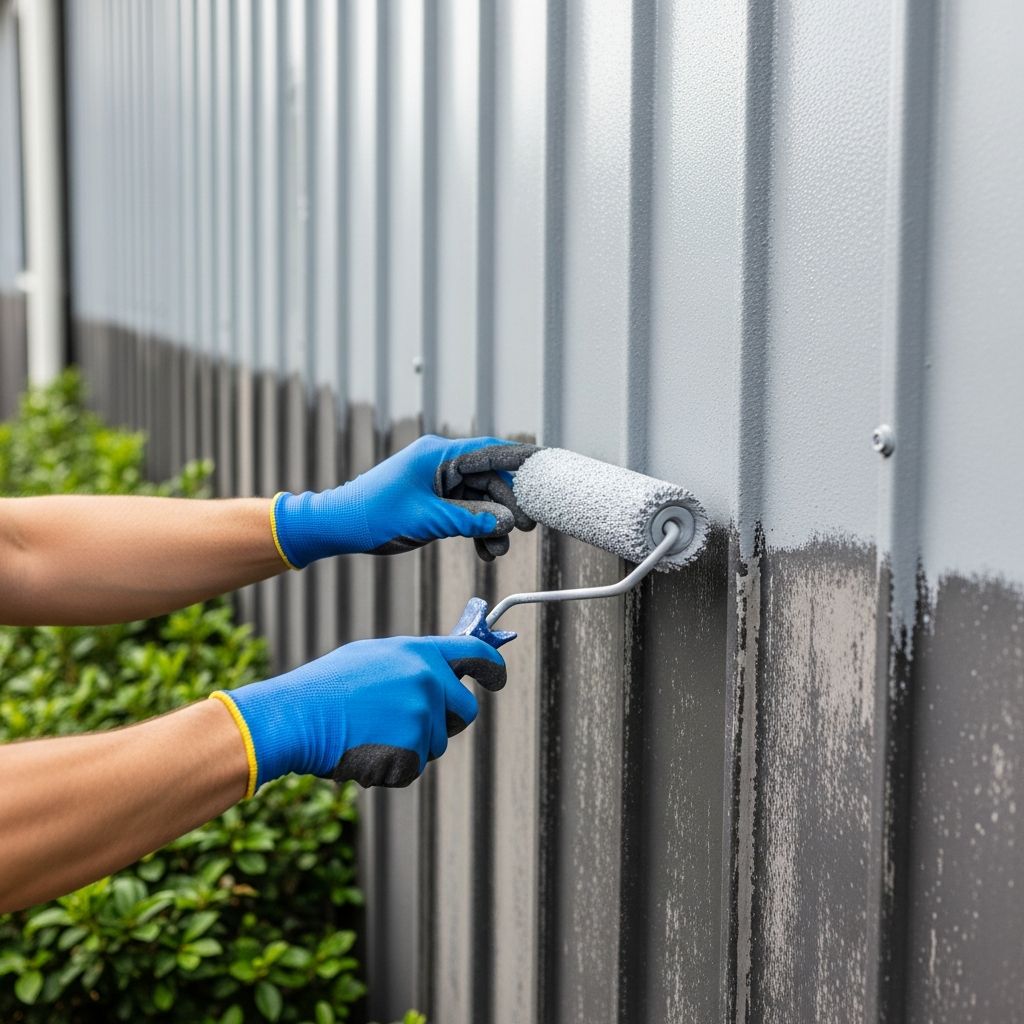
Metal siding offers homeowners a durable and low-maintenance exterior option, but over time, exposure to weather, UV rays, and environmental factors can diminish its appearance. Repainting metal siding is an excellent way to restore curb appeal, protect the underlying material from corrosion, and extend the lifespan of your exterior. Unlike painted wood or vinyl siding, metal surfaces require specific preparation techniques and products to ensure paint adhesion and longevity. Whether you’re looking to refresh a dated color or protect aging siding from rust and deterioration, understanding the proper painting process is essential for achieving professional-quality results that withstand harsh weather conditions.
Understanding Your Metal Siding Type
Before beginning any painting project, it’s important to identify the specific type of metal siding on your home. Different metal siding styles present unique challenges and advantages when painting. Vertical ribbed panels feature straight grooves running from top to bottom, which naturally direct water runoff and minimize dirt accumulation—making them relatively straightforward to paint once properly prepared. The vertical orientation helps maintain paint consistency and reduces the likelihood of water pooling behind the paint layer.
Horizontal lap siding mimics traditional wooden siding with overlapping horizontal sections. While this style adds visual interest to a home’s exterior, the overlapping edges require careful attention during painting to ensure complete coverage underneath each panel. The overlap areas can trap moisture and debris, making thorough cleaning and priming especially important for this siding type.
Other variations include corrugated metal panels commonly found on agricultural or industrial structures, and smooth metal sheets used in modern residential designs. Each type demands slightly different application techniques, but the fundamental preparation and priming steps remain consistent across all metal siding varieties.
Critical Surface Preparation Steps
The foundation of any successful metal siding painting project lies in meticulous surface preparation. Rushing this phase or cutting corners will inevitably compromise the final result, leading to paint failure, poor adhesion, and premature deterioration. Proper preparation involves multiple stages that cannot be overlooked.
Initial Cleaning Protocol
Begin by thoroughly cleaning your metal siding to remove accumulated dirt, grime, mildew, moss, and oxidation. The presence of oxidation—the white, powdery substance that forms on aged metal surfaces—is particularly problematic as it creates a barrier preventing paint from bonding directly to the metal substrate. Hand washing with warm soapy water works well for light contamination and provides good control over the process. For more heavily soiled siding or larger surface areas, a pressure washer at 2500 PSI or higher delivers faster results and better penetration into textured surfaces.
When using a pressure washer, exercise caution to avoid surface damage. Maintain adequate distance from the metal and use a wide spray pattern rather than concentrating pressure in one area. This is especially critical for aluminum siding, which can dent or deform under excessive pressure. Allow the cleaned surface to dry completely—ideally for at least 24 hours—before proceeding to the next step. Moisture trapped beneath paint will cause adhesion failure and promote rust development.
Rust Removal and Surface Texture
After cleaning, inspect the entire surface for rust spots, flaking paint, chalky residue, and other areas of corrosion or oxidation. These defects must be completely removed to establish a sound foundation for new paint. Use a stiff brush, scraper, or sanding tool to dislodge loose material. For pitted rust or heavily corroded areas, a power sander with appropriate grit sandpaper provides efficient removal.
Beyond rust removal, light sanding of the entire siding surface improves paint adhesion significantly. Even undamaged metal with a glossy finish benefits from gentle sanding that dulls the surface and provides mechanical texture for paint to grip. This abrading process creates microscopic roughness that locks paint molecules into place, resulting in longer-lasting finishes that resist peeling and chipping.
Selecting Appropriate Materials and Primers
Choosing the right primer and paint products specifically formulated for metal substrates is non-negotiable for project success. Generic exterior paints designed for wood or masonry will not perform adequately on metal surfaces.
Primer Selection Criteria
Rust-inhibitive primers create a protective barrier that prevents oxidation and rust formation beneath the topcoat paint. These primers should be applied to all bare metal areas and any spots where rust was removed. They cure to create excellent adhesion surfaces while actively inhibiting corrosion at the metal interface. Latex-bonding primers offer water-based convenience and quick drying, while solvent-based rust-inhibitive primers provide superior adhesion in challenging conditions.
Direct-to-metal (DTM) paints represent an alternative approach, combining primer and paint properties in a single product. These specialty formulations can be applied directly to properly prepared metal without a separate primer coat, streamlining the application process. However, DTM paints typically cost more per unit and require careful surface preparation to deliver results equivalent to traditional primer-plus-paint systems.
Topcoat Paint Options
100% acrylic latex exterior paints serve as the industry standard for metal siding applications. These water-based formulations offer multiple advantages: easy application and cleanup, quick drying times enabling faster project completion, low odor, and excellent color retention under UV exposure. Acrylic latex paints form flexible coatings that accommodate metal expansion and contraction without cracking—a critical property since metal responds dramatically to temperature fluctuations.
When selecting finish sheen, satin or semi-gloss finishes perform better than flat paints on metal siding. The slight gloss promotes water beading and runoff, reducing moisture penetration and staining. These finishes also resist mildew development better than flat options and simplify future cleaning and maintenance.
Oil-based paints, while offering excellent adhesion and durability on some substrates, are generally not recommended for metal siding. Oil-based formulations tend to oxidize over time, leading to color fading, brittleness, and eventual chipping. Additionally, oil-based products require extended drying time between coats, mineral spirits for cleanup, and special disposal procedures due to volatile organic compound content.
Essential Equipment and Tools
Assembling the necessary equipment before starting ensures smooth workflow and professional results. Beyond paint and primer, gather the following items:
- Quality paintbrushes and rollers in various sizes
- Paint sprayer (airless or HVLP, depending on your siding type and comfort level)
- Paint trays for brush and roller application
- Painter’s tape for protecting adjacent surfaces
- Plastic sheeting to cover windows, doors, and landscaping
- Drop cloths for ground protection
- Sturdy ladder or scaffolding for safe elevated access
- Sandpaper in appropriate grits (120 to 150)
- Cleaning supplies including brushes, pressure washer, and cleaning solution
- Safety equipment: gloves, eye protection, and respiratory mask if applicable
Application Methods Comparison
Three primary application techniques exist for painting metal siding, each with distinct advantages and limitations.
| Method | Advantages | Best Use Cases | Challenges |
|---|---|---|---|
| Brush and Roller | Maximum control, ideal for detail work and edges, no equipment rental needed, cost-effective | Small projects, touch-ups, areas requiring precision, horizontal lap siding | Time-consuming for large areas, visible brush marks possible, labor-intensive |
| Airless Spray | Fastest application, smoothest finish, excellent for large flat areas, professional appearance | Expansive metal siding, vertical ribbed panels, corrugated surfaces, new construction | Equipment rental cost, overspray concerns, requires practice for consistency, weather-dependent |
| HVLP Spray | Lower overspray than airless, better material control, good for detailed areas | Medium-sized projects, homes with nearby landscaping, precision work | Slower than airless, less suitable for textured surfaces, extended application time |
Brush and roller application provides maximum control, making it ideal for precision work, edging, and smaller projects. Work from top to bottom to prevent drips from compromising completed areas below. Use consistent directional strokes to minimize visible brush marks, and maintain a wet edge to blend overlapping sections seamlessly.
Spray application delivers the most professional and uniform finish, particularly for large flat surfaces. Use long, smooth strokes with consistent overlap, maintaining the spray tip at 15-25 inches from the surface. Test spray patterns on cardboard before starting on actual siding. Spray painting works particularly well for corrugated or textured metal where brush marks would otherwise be visible.
Priming and Painting Workflow
After surface preparation and material selection, the actual painting process follows a logical sequence. Begin by protecting adjacent surfaces with painter’s tape applied to window frames, door trim, and gutters. Plastic sheeting secured with tape prevents paint overspray from landing on windows, landscaping, and hardscaping.
Apply primer according to manufacturer specifications, typically starting at the top of the wall and working downward. Allow the primer to dry completely—usually 2-4 hours depending on product formulation—before applying topcoat paint. This patience prevents mud-cracking and ensures proper paint adhesion to the primer layer.
Apply the first coat of topcoat paint using your chosen method. Maintain consistent technique, whether brushing, rolling, or spraying, and work methodically across the surface. Allow adequate drying time before applying additional coats. Most quality exterior paints require 24 hours between coats, though humidity, temperature, and ventilation affect actual drying times.
Apply a minimum of two topcoats for optimal coverage and durability. A third coat provides enhanced protection in high-wear areas or when lighter paint colors demand superior coverage. Some painters apply a clear protective top coat to further extend paint longevity and ease future maintenance.
Environmental and Application Considerations
Weather conditions significantly impact painting outcomes and should inform scheduling decisions. Avoid painting during rain, high humidity exceeding 85%, or temperatures below 50°F or above 85°F. These conditions compromise primer and paint adhesion, promote brush marks, and extend drying times unpredictably.
Ideal painting conditions exist during mild, dry weather with moderate temperatures and low humidity. Morning application allows afternoon and overnight drying before potential nighttime moisture. Wind creates overspray challenges during spray application and may carry dust onto wet paint surfaces.
Color selection deserves careful consideration, as metal siding’s inherent reflectivity makes colors appear different on small samples versus large wall expanses. Obtain color samples and paint them on inconspicuous areas, observing them throughout the day as lighting changes. Purchase all paint from the same production batch to ensure color consistency across multiple cans.
Maintenance and Long-Term Protection
Proper maintenance extends paint longevity and preserves your investment. Annual inspection identifies early signs of paint failure, rust spots, or moisture intrusion. Gentle cleaning with soft brushes and mild detergent removes dirt and prevents oxidation. Avoid high-pressure washing on painted surfaces, as excessive pressure can damage paint coatings.
Address any paint damage promptly through spot repairs before small issues escalate into larger problems. Touch-up paint kept in sealed containers from your original project prevents color mismatching during repairs. Every 5-7 years, evaluate whether your paint has faded significantly or shows signs of chalking, which indicates the need for repainting.
Frequently Asked Questions
How long does painted metal siding typically last?
Quality acrylic latex paint on properly prepared metal siding typically lasts 7-10 years before repainting becomes necessary. Factors affecting longevity include climate conditions, sun exposure, maintenance practices, and paint quality selected.
Can I paint directly over old paint without priming?
If existing paint is in good condition with no rust or significant chalking, you may paint directly with a high-quality topcoat paint. However, priming provides superior adhesion and extends overall paint durability, particularly on metal substrates.
What is the cost difference between brush application and spray application?
Brush application requires no equipment costs but demands significantly more labor time. Spray application accelerates work completion but requires equipment rental ranging from $50-150 daily, plus additional paint needed for overspray. For most homeowners, the time savings justify the equipment expense.
Should I remove the gutter system before painting?
Removing gutters simplifies siding access and ensures complete coverage. However, this adds labor and requires professional reinstallation. Most DIY painters protect gutters with tape and plastic sheeting, accepting minor overspray as acceptable given the complexity of removal and reinstallation.
References
- Can You Paint Metal Siding? Tips, Tricks, and What to Know — Tru Log Siding. Retrieved from https://www.trulogsiding.com/can-you-paint-metal-siding/
- How to Paint Your Mobile Home’s Metal Siding — Mobile Home Parts Store. Retrieved from https://mobilehomepartsstore.com/latestnews/how-to-paint-your-mobile-homes-metal-siding/
- Painting Metal Siding & Gutters | Professional Tips & Tricks — CertaPro Painters. Retrieved from https://certapro.com/northridge-granadahills/community/painting-metal-siding-gutters-professional-tips-tricks/
- Painting Metal Siding — Diamond Vogel. Retrieved from https://www.diamondvogel.com/architectural/painting-metal-siding
Similar Articles



Read full bio of medha deb