Staining Concrete Block Walls: Complete DIY Guide & Pro Tips
Transform plain concrete block walls into stunning features with expert staining techniques for lasting beauty and protection.
Mastering Concrete Block Wall Staining: A Complete DIY Guide
Staining concrete block walls offers a durable, attractive alternative to painting, penetrating the surface to create rich, natural colors that withstand weather and time. This guide explores preparation, stain options, application methods, and maintenance for flawless results on retaining walls, basements, or garden features.
Why Choose Staining Over Painting for Concrete Blocks?
Unlike paint, which forms a surface film prone to chipping and peeling, stains chemically bond with concrete, delivering permanent coloration. This makes them ideal for vertical surfaces like block walls, where adhesion challenges are common. Stained walls resist fading from UV exposure and require less upkeep, blending seamlessly with landscapes for an organic aesthetic.
Benefits include enhanced curb appeal, increased property value, and protection against moisture infiltration. Homeowners report compliments on stained retaining walls that mimic natural stone after simple applications.
Types of Stains Suitable for Concrete Block Walls
Select stains based on desired finish, surface porosity, and environmental factors. Here’s a breakdown:
| Stain Type | Key Features | Best For | Pros | Cons |
|---|---|---|---|---|
| Acid-Based (e.g., DecoGel) | Reacts with lime in concrete for variegated colors | Vertical retaining walls | Permanent, no drips in gel form, rich patina | Requires neutralization, limited colors |
| Waterborne | Penetrates without reaction, wide color palette | Indoor/outdoor blocks | Easy cleanup, eco-friendly, customizable | May fade faster outdoors |
| Hybrid | Combines acid etch with waterborne | Complex designs | Versatile effects, stone-like realism | More steps involved |
| Tinted Sealers | Applies over stain or alone | Quick refreshes | Adds protection and subtle color | Less depth, surface-level |
Essential Tools and Materials for the Project
- Pressure washer or stiff brush for cleaning
- Degreasers like citrus-based etch (e.g., CitrusEtch)
- Neutralizers (baking soda solution or commercial)
- Stain applicators: foam brushes, sprayers, sponges, rollers
- Plastic sheeting, gloves, respirators, eye protection
- Sealants: acrylic solvent-based for outdoors
- Mixing buckets, paint trays, scrub brushes
Gather high-quality products from reputable suppliers to ensure even coverage and longevity.
Step-by-Step Preparation Process
Proper prep determines 80% of success. New concrete needs 28-30 days curing; existing surfaces demand thorough cleaning.
- Clean Thoroughly: Pressure wash at 2000-3000 PSI to remove dirt, efflorescence, oils. Use degreaser on stubborn spots; rinse well.
- Test Absorption: Spray water—if not absorbed in 5 minutes, etch with mild acid solution, neutralize, and dry 24-48 hours.
- Protect Surroundings: Mask plants, windows, ground with plastic drop cloths.
- Repair Imperfections: Fill cracks with concrete patch; sand smooth once dry.
Drying time: Allow 3 days post-pressure wash. Test a small area with stain to confirm uptake.
Applying Stains: Techniques for Vertical Surfaces
Vertical application prevents runs; gel formulas excel here.
Acid Stain Method
1. Stir DecoGel or similar to 1/16-inch thickness.
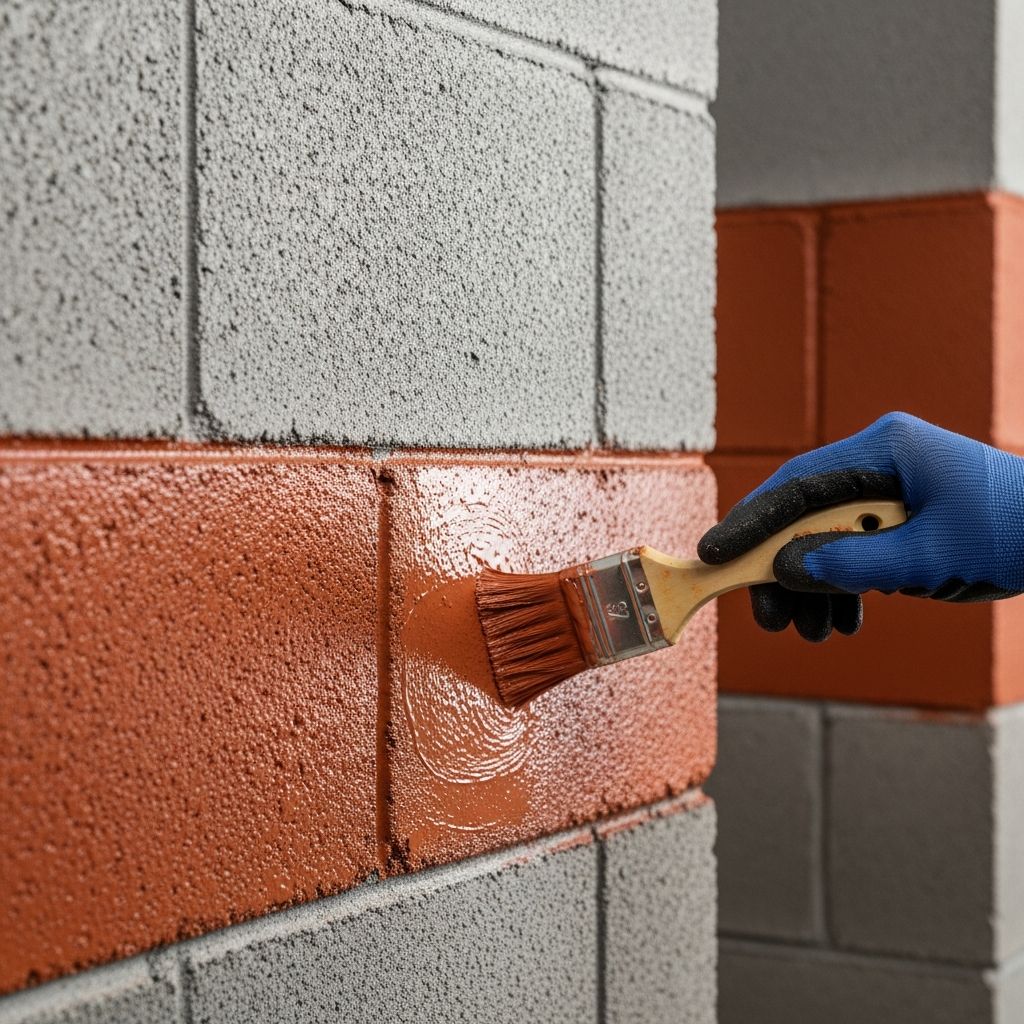
2. Apply generously with foam brush or sprayer in sections.
3. Let react 4-8 hours for color development.
4. Neutralize with baking soda water or ProClean; scrub residue.
5. Rinse until clear; dry 8+ hours.
“We stained blocks after 3 months curing, using sprayer and roller—done in 2 hours.”
Waterborne and Hybrid Techniques
Spray base coat, then highlight with sponges or rags for stone effects. Use sea sponges to blend excess, avoiding streaks. Dilute for washes or layer undiluted for opacity.
Creative tip: Sponge multiple colors (e.g., earth tones) for natural variation.
Sealing for Protection and Enhanced Color
Sealer locks in color, repels water. Apply 2 thin coats of satin acrylic after full drying (24-48 hours). Colors “pop” post-sealing. Reapply every 2-3 years outdoors.
Creative Design Ideas and Customization
- Stone Mimicry: Base brown with black/gray highlights via spray patterns.
- Mossy Garden Wall: Blend milk-moss slurry post-stain for organic growth.
- Stencil Patterns: Mask designs before staining for brick or tile illusions.
- Multi-Tone Effects: Dilute stains, apply with rags/cloths for artistic depth.
Experiment on test panels. Tinted sealers add final sheen without altering base hues.
Common Mistakes and Troubleshooting
| Issue | Cause | Solution |
|---|---|---|
| Uneven Color | Poor prep/absorption | Etch and re-clean |
| Runs/Drips | Thin liquid stain | Use gels, apply in thin layers |
| Fading | No sealer/UV exposure | Seal promptly, choose UV-resistant |
| White Haze | Residue | Neutralize/rinse thoroughly |
Avoid over-application; work in shade to control drying.
Safety Precautions and Best Practices
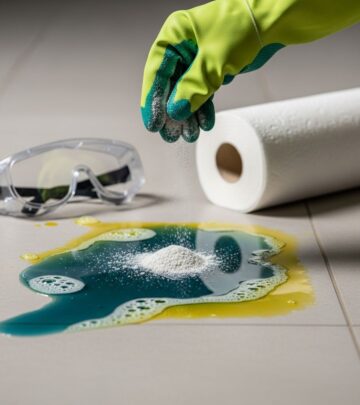
Wear PPE: gloves, goggles, masks—especially with acids. Work in ventilated areas; keep vinegar/baking soda handy for spills. Dispose of waste per local regs.
Maintenance for Long-Lasting Results
Annual inspections: Re-seal as needed. Gentle pressure wash yearly. Stains endure 10+ years with care, outperforming paint.
Frequently Asked Questions (FAQs)
Can I stain new concrete blocks right away?
New blocks need 28-30 days curing minimum for proper reaction. Pressure wash after to expose pores.
What’s the best stain for outdoor retaining walls?
Gel acid stains like DecoGel for no-drip vertical use, followed by solvent sealer.
How long does stained concrete last?
10-20 years with sealing; waterborne may need touch-ups sooner.
Is staining eco-friendly?
Waterborne yes—low VOCs. Acid requires neutralization to prevent runoff harm.
Can I DIY a stone-look wall?
Yes, layer base/highlight colors with sponges/sprayers for realistic texture.
References
- Staining a cinder block wall — Fine Homebuilding Forum. Accessed 2026. https://www.finehomebuilding.com/forum/staining-a-cinder-block-wall
- Block Staining & Sealing — Recon Wall Systems. Accessed 2026. https://reconwalls.com/block-staining-sealing/
- DIY: Acid Stain Retaining Walls with DecoGel — Direct Colors. Accessed 2026. https://directcolors.com/diy/acid-staining-concrete-retaining-walls/
- Unlock the Power of Water-Based Stains on Vertical Concrete — YouTube (MagnumStone). 2023. https://www.youtube.com/watch?v=skZoXxspgUc
- Tips for Color Staining Concrete & Cinder Blocks — Triple-S Chemicals. Accessed 2026. https://www.concrete-stains.com/concrete-staining-tips
- Everything To Know About Adding a Concrete Wall Stain — Nawkaw. Accessed 2026. https://nawkaw.com/blog/everything-to-know-about-adding-a-concrete-wall-stain-to-your-home/
Similar Articles








Read full bio of medha deb