An In-Depth Look at Hampton Bay Fire Pits: Style, Safety and Smart Buying
How to choose and use a Hampton Bay fire pit for cozy, safe outdoor evenings
Hampton Bay Fire Pits: A Practical Homeowner’s Guide
Hampton Bay fire pits have become a popular option for homeowners who want a simple, attractive way to add warmth and ambience to their outdoor spaces. While designs and features vary across the product line, most models aim to balance aesthetics, price, and ease of use in a way that fits typical backyards and patios.
This guide offers an original, holistic look at Hampton Bay fire pits: what they do well, what to consider before buying, and how to use them safely and effectively in everyday life. It is inspired by publicly available information but written entirely in new language, with fresh organization, headings, and explanations.
Why Homeowners Look at Hampton Bay
Hampton Bay is associated with widely available, mid-range outdoor products that are designed to be attainable for the average homeowner rather than a luxury niche. That positioning tends to make Hampton Bay fire pits attractive to people who want something better than a no-name budget unit but do not need premium designer pricing.
Most Hampton Bay fire pits focus on a blend of straightforward assembly, familiar styling, and compatibility with common backyards, decks, and patios. In other words, the target buyer is more interested in a reliable gathering spot than in an ultra-custom outdoor fireplace.
Key Styles and Fuel Types
Before choosing any specific model, it helps to understand the main categories of Hampton Bay fire pits. Models generally fall into two major fuel types: wood-burning and gas-fueled (usually propane). Each has trade-offs in feel, maintenance, and convenience.
Wood-Burning Hampton Bay Fire Pits
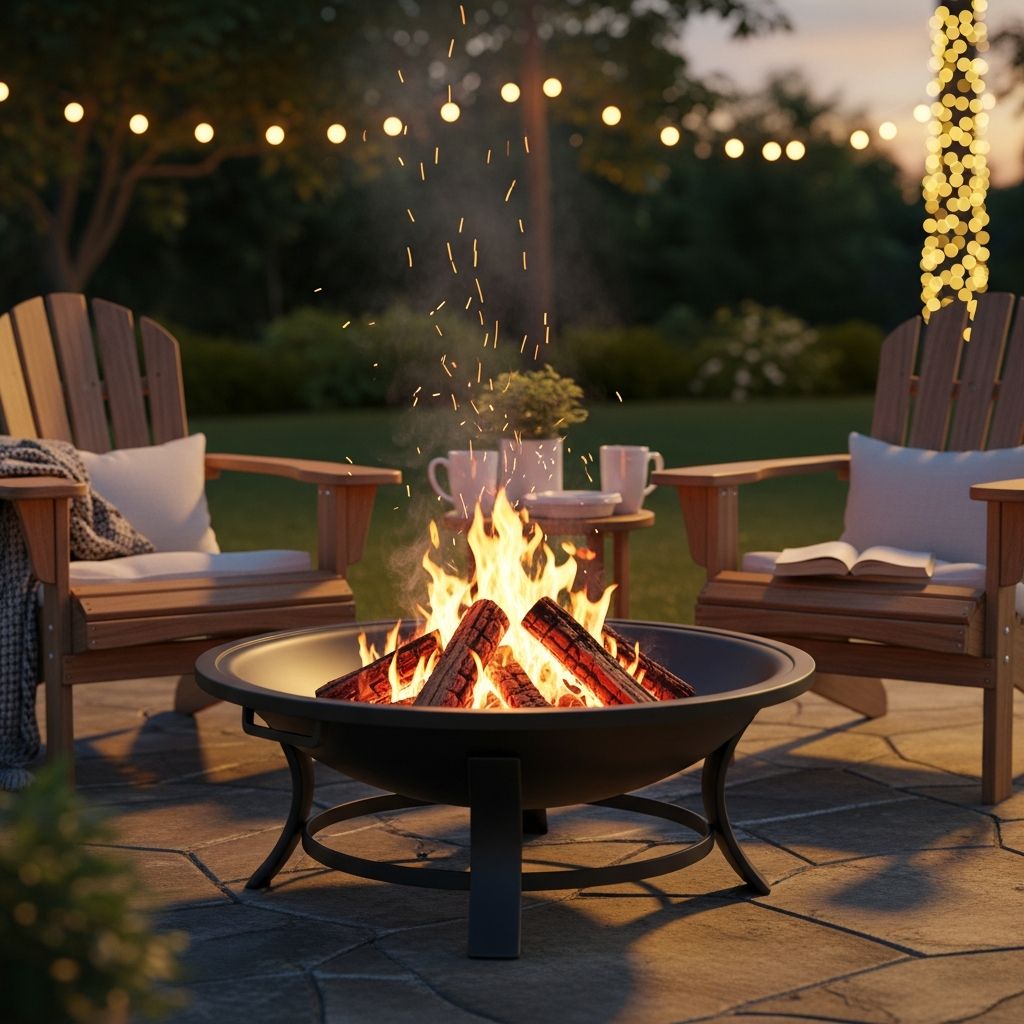
Wood-burning units give the most traditional campfire experience: crackling logs, wood smoke, and higher peak flame temperatures when properly loaded. These models often use steel bowls or basins with a surrounding frame or table-like top.
- Appeal to homeowners who enjoy the sensory aspect of real wood and the look of open flames.
- Typically require more cleanup, including ash removal and more careful attention to where embers might land.
- Often include accessories such as spark screens and pokers to help manage wood and reduce stray sparks.
Propane and Gas Fire Pits
Gas-fired Hampton Bay fire pits usually run on standard propane cylinders, though some tables and larger units can sometimes be adapted to natural gas lines according to model-specific instructions. These products emphasize convenience and cleaner operation.
- Light with an ignition system instead of manual fire starting methods.
- Produce a controlled flame height, often adjustable with a simple knob.
- Generate less soot and no ash, easing cleanup and long-term maintenance.
Design Elements That Affect Everyday Use
Once you decide on fuel type, design details become critical. The way a Hampton Bay fire pit is constructed will influence comfort, safety, and longevity. Pay attention to bowl depth, table surface, materials, and layout of functional parts such as ignition and gas controls.
Table-Style vs. Open Bowl Designs
Many Hampton Bay gas fire pits take the form of a table with a central burner, allowing the top to serve as a place for drinks or decor when the flame is low. Wood-burning models are more likely to use a raised bowl or basin with a narrow rim.
- Table-style fire pits are often better for casual entertaining and can double as a regular table when not in use.
- Open bowl designs prioritize direct heat and a clear view of the flames but offer less surface area around the fire.
Materials, Finishes, and Durability
Most Hampton Bay fire pits use some combination of steel, aluminum, and weather-resistant finishes. The material selection affects weight, rust resistance, and how well the fire pit stands up to seasons of use.
- Steel components provide rigidity and structure, but they must be properly coated or painted to limit corrosion.
- Aluminum parts can reduce weight and resist rust but may be combined with steel frames for strength.
- Decorative finishes in colors like black, bronze, or gray help the unit blend with outdoor furniture while masking minor wear.
Feature Comparison Overview
The table below summarizes some typical feature differences between common Hampton Bay wood-burning and gas fire pits. Exact details vary by specific product line and retailer listing, but this gives a sense of how functionality tends to differ.
| Aspect | Wood-Burning Models | Gas/Propane Models |
|---|---|---|
| Fuel experience | Traditional logs, smoke, crackle, higher heat potential. | Clean-burning, no ash, steady and adjustable flame. |
| Ignition | Manual lighting with matches or lighter. | Built-in ignition button or knob with gas control. |
| Maintenance | Requires ash removal and more frequent cleaning. | Requires inspection of burner and gas components, but minimal debris. |
| Portability | Typically lighter, easier to move when not loaded with ash. | Often heavier, especially table-type units with hidden tanks. |
| Atmosphere | Rustic, campfire-like, stronger wood scent. | Modern, controlled flame pattern, often with lava rock or glass. |
Comfort, Heat Output, and Realistic Expectations
Regardless of fuel type, most Hampton Bay fire pits are designed for casual, close-range warmth rather than whole-yard heating. Expect them to keep people near the unit comfortable on chilly evenings, but not to replace a full outdoor heater system.
- Wood-burning pits can generate intense heat directly above and near the flame, but heat quickly disperses in open air.
- Propane models often list a BTU rating; higher numbers indicate more heat potential, but wind and temperature still limit range.
Safety Best Practices for Home Use
Any fire feature, even a modest one, deserves careful attention to safety. Homeowners should evaluate their outdoor environment and local rules before purchasing and operating a Hampton Bay fire pit.
Placement and Surface Considerations
Where you set the fire pit matters as much as which model you buy. The goal is to reduce fire risk, prevent damage to surfaces, and keep people comfortable when moving around the area.
- Choose a level, non-combustible surface such as stone, concrete, or approved paver systems when possible.
- Maintain generous clearance from walls, fences, plants, overhangs, and outdoor decor.
- If placing on a deck, confirm both manufacturer guidance and local codes, and consider a heat-resistant barrier designed for deck use.
Operating and Supervision Guidelines
Safe operation centers on attentiveness. Never treat a fire pit as a background appliance that can run without supervision, regardless of whether it is gas or wood-burning.
- Keep a fire extinguisher, bucket of sand, or hose rated for outdoor use within easy reach.
- Ensure children and pets stay at a safe distance and understand not to touch the exterior surfaces, which can become very hot.
- Extinguish or turn off the flame completely before leaving the area and do not store covers on a hot unit.
Assembly and Setup Tips
Many Hampton Bay fire pits are delivered as flat-pack kits that require assembly. While the process is usually straightforward, a few practical steps can reduce frustration and help the finished unit feel solid.
- Lay out all parts and hardware before beginning to verify that everything is present and undamaged.
- Use hand tools rather than power drivers when tightening bolts near thin metal panels to avoid stripping or deforming components.
- Only fully tighten fasteners after major sections are assembled and aligned, which helps avoid wobble and misalignment.
Everyday Maintenance and Long-Term Care
Routine care can significantly extend the usable life of a Hampton Bay fire pit. Most units are designed for outdoor use but will still last longer if protected from constant moisture, debris, and extreme weather conditions.
Basic Cleaning Habits
Cleaning focuses on removing debris that can trap moisture, interfere with flame performance, or accelerate corrosion. Regular light upkeep is more effective than occasional deep cleaning.
- For wood-burning models, allow ashes to cool completely, then dispose of them safely in a non-combustible container.
- For gas models, periodically clear lava rocks or decorative media of soot and debris, and keep burner ports unobstructed.
- Wipe exterior surfaces with a mild, non-abrasive cleaner to preserve the finish.
Seasonal Protection Strategies
Covering the fire pit when not in use and storing removable parts indoors can minimize weather-related wear. This is especially helpful in areas with snow, heavy rain, or salt-laden coastal air.
- Use a well-fitted, breathable cover to protect the unit from water pooling and debris accumulation.
- In colder seasons, consider disconnecting and storing propane tanks according to safety guidelines.
- Inspect and touch up minor chips or scratches in painted surfaces to limit rust development.
Enhancing Your Outdoor Space Around the Fire Pit
A Hampton Bay fire pit works best when treated as part of a complete outdoor living area rather than as a standalone object. Thoughtful layouts supports conversation, comfort, and safe movement.
- Arrange seating in a loose circle with enough room for people to get up and walk behind chairs without stepping too close to the fire.
- Combine the fire pit with low lighting such as string lights or pathway fixtures to avoid tripping hazards after dark.
- Incorporate side tables or weather-resistant surfaces for drinks and snacks, keeping them far enough from open flames.
When a Hampton Bay Fire Pit Is (and Is Not) the Right Choice
For many households, a Hampton Bay fire pit offers a practical mix of approachable pricing, recognizable styling, and functional warmth. It usually suits small to mid-sized patios, moderately frequent use, and buyers who appreciate value-focused products from mainstream retailers.
- It is a strong fit if you want a reliable, visually appealing centerpiece for casual gatherings without the complexity of custom masonry work.
- It may not be ideal if your goal is a permanent, built-in architectural feature or you require commercial-grade performance for constant, heavy use.
Frequently Asked Questions About Hampton Bay Fire Pits
Are Hampton Bay fire pits suitable for small patios?
Many models are designed with modest footprints that fit standard patios and townhome yards, but space planning is critical. Always account for both the unit’s size and the recommended safety clearances around it, and avoid shoehorning a fire pit into overly tight areas.
Can these fire pits be used on wood or composite decks?
Deck use depends on multiple factors: the specific model, the deck material, local regulations, and any protective accessories you use underneath. Review the product’s instructions and consider consulting local codes; even with approval, a heat-resistant barrier and careful supervision are strongly recommended.
How much assembly skill is typically required?
Most homeowners with basic hand tools and patience can assemble Hampton Bay fire pits by following the included instructions. The process generally involves bolting together legs, frames, and panels, then installing the bowl or burner components, which is within reach for typical DIY skill levels.
Do gas models require professional installation?
Propane table-style units often come set up for do-it-yourself connection to a cylinder, similar to many outdoor grills. However, any conversion to a fixed natural gas line or modification beyond the supplied configuration should be handled by a qualified professional to ensure safe operation and compliance with local standards.
What is the best way to store a fire pit during winter?
If possible, move portable fire pits to a sheltered location such as a garage or covered porch once they have fully cooled and been cleaned. When indoor storage is not practical, use a high-quality cover, secure loose components, disconnect fuel sources where applicable, and check for rust or damage before the next season.
How long can a Hampton Bay fire pit last?
Lifespan varies with climate, frequency of use, maintenance, and how well the unit is protected between sessions. With regular cleaning, periodic inspection, and seasonal covering, many homeowners can expect years of enjoyable use before cosmetic wear or component fatigue becomes significant.
Can you cook over a Hampton Bay fire pit?
Some wood-burning pits may be used for simple cooking like roasting marshmallows if the manufacturer indicates that this is acceptable, but they are not always designed as full cooking appliances. Gas fire pits are generally intended for ambience and warmth rather than direct food preparation, so owners should pay close attention to the instructions and safety warnings for their specific model.
What accessories are most useful?
Common accessories include protective covers, spark screens for wood-burning models, and decorative media such as lava rocks or fire glass for gas units. Additional seating, outdoor rugs rated for use near heat, and storage solutions for fuel or accessories also help create a cohesive, comfortable fire pit area.
Similar Articles






Read full bio of Sneha Tete