Handyman Essentials: 9 Must-Have Supplies Every DIYer Should Keep On Hand
Build a lean, powerful kit that solves everyday home problems before they turn into big repairs.
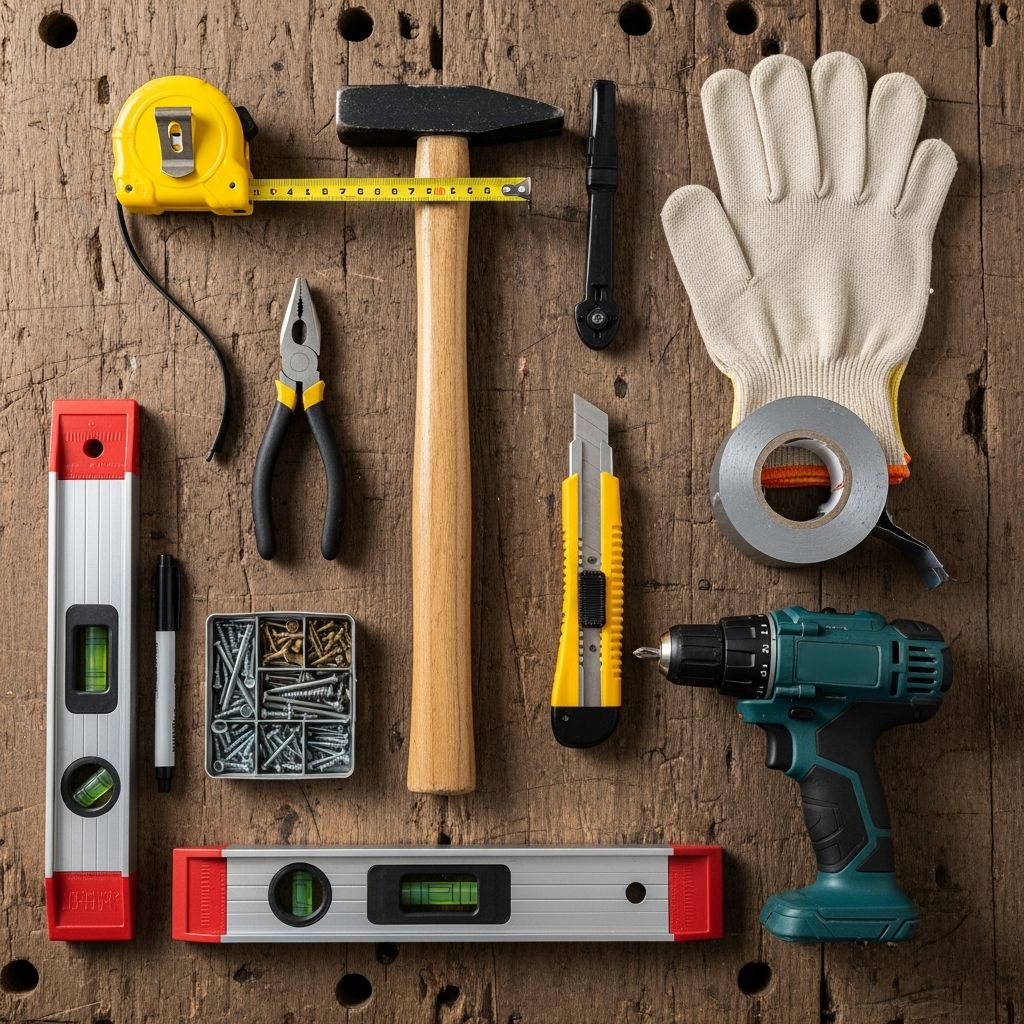
If you own a home, rent an apartment, or simply enjoy fixing things yourself, a thoughtfully chosen collection of handyman supplies can save you time, money, and stress. Instead of scrambling to borrow tools or waiting for a pro to arrive, the right essentials let you handle many small issues on the spot.
This guide walks through nine core supplies that form a powerful, compact kit for everyday repairs and projects. You will learn what each item does, what to look for when buying, and how to store and use everything safely and efficiently.
Why a Small, Smart Kit Beats a Huge Toolbox
It is tempting to buy every new gadget at the hardware store, but most day-to-day fixes rely on a surprisingly small set of reliable tools and materials. A focused kit is easier to carry, faster to search, and more affordable to build.
- Most common household jobs use the same handful of items: measuring, fastening, cutting, patching, and sealing.
- A compact kit encourages good habits: putting tools back, checking for damage, and replacing consumables before they run out.
- Buying fewer items lets you invest in better quality, which usually means safer, longer-lasting tools.
Overview: The 9 Core Handyman Supplies
These nine essentials cover the majority of small DIY and repair tasks around a typical home:
- Multi-bit screwdriver set
- Adjustable wrench and basic pliers
- Measuring tape and compact level
- Utility knife and spare blades
- Painter’s tape and general-purpose tape
- All-purpose screws, anchors, and fasteners
- Spackling compound and putty tools
- Multi-surface adhesive and sealant
- Safety gear and a simple organizer
Together, these supplies support hanging shelves, assembling furniture, patching holes, tightening loose fixtures, basic sealing, and much more.
1. Multi-Bit Screwdriver Set
A good screwdriver set is the foundation of any handyman kit, because screws appear in almost every fixture, piece of furniture, and appliance. A multi-bit handle with interchangeable tips lets you tackle many different fasteners without carrying a full rack of tools.
What to Look For
- Comfortable grip: A rubberized, non-slip handle reduces fatigue and gives better control.
- Core bit types: Include Phillips, flathead, and at least a few smaller precision bits for electronics or eyeglasses.
- Magnetic tip or bit holder: Helps keep small screws from falling and disappearing into corners.
- Clearly labeled bits: Marked sizes make it easy to select the right tip quickly.
Everyday Uses
- Tightening door knobs, cabinet pulls, and hinge screws.
- Assembling flat-pack furniture or shelving.
- Opening battery compartments or access panels.
- Installing switch plates and outlet covers.
2. Adjustable Wrench and Basic Pliers
Not every repair needs a full set of sockets or specialty plumbing tools. An adjustable wrench and a couple of pliers cover most basic tightening, loosening, and gripping tasks.
Key Pieces to Include
- Adjustable wrench: Jaw width that opens wide enough for common nuts on furniture, plumbing, and appliance connections.
- Slip-joint or groove-joint pliers: Versatile for gripping irregular shapes, pipes, and stubborn hardware.
- Needle-nose pliers: Useful for reaching into tight spaces, bending wire, and retrieving dropped items.
Practical Uses
- Snugging up loose bolts under a sink or on a bed frame.
- Holding a nut while you turn the screw from the other side.
- Bending picture wire or straightening bent metal hardware.
3. Measuring Tape and Compact Level
Guessing measurements leads to crooked pictures, wobbly shelves, and poorly fitting materials. A tape measure and level ensure that what you install is both accurate and safe.
Choosing the Right Measuring Tools
- Measuring tape: A 16- or 25-foot tape is enough for most rooms, with clear markings and a sturdy, wide blade.
- Compact level: A small torpedo-style level fits in your kit yet still checks vertical, horizontal, and sometimes 45-degree angles.
- Locking mechanism: A good tape measure locks securely so the blade does not retract while you are marking or reading.
Common Tasks
- Centering and aligning framed art above furniture.
- Marking anchor locations for shelves or TV brackets.
- Checking that appliances, tables, and cabinets sit level.
Measurement and Leveling Quick Reference
| Task | Tool to Use | Tips |
|---|---|---|
| Hanging a single picture | Measuring tape + level | Measure from floor or nearby furniture to keep height consistent across the room. |
| Installing a floating shelf | Measuring tape + level | Mark both ends, then draw a light pencil line to follow with the shelf bracket. |
| Checking an appliance | Level | Place the level front-to-back and side-to-side to confirm stability. |
4. Utility Knife and Spare Blades
A sharp utility knife cuts packaging, caulk, drywall, carpet, and many other materials cleanly. It is safer to cut with a sharp blade than a dull one because you use less force and have better control.
Features That Matter
- Retractable or folding design: Keeps the blade protected when not in use.
- Heavy-duty body: Metal or reinforced plastic housing holds up to drops and tough jobs.
- Easy blade change: Quick-release mechanisms reduce the temptation to keep using a dull blade.
- Pack of replacement blades: Store extras in a labeled container so you do not have to reuse worn blades.
Safe and Smart Uses
- Scoring drywall before snapping it along a straight line.
- Trimming carpet edges or rug pads to size.
- Cutting old caulk lines before removing and resealing joints.
5. Painter’s Tape and General-Purpose Tape
Tape does far more than mask edges for painting. A couple of different types give you quick, non-permanent ways to mark, hold, bundle, and protect surfaces while you work.
Types to Keep on Hand - Painter’s tape: Designed to peel off cleanly without damaging walls, trim, or finished surfaces.
- General-purpose tape: A stronger tape such as duct or repair tape is useful for temporary fixes and bundling materials.
- Electrical tape (optional): Useful for basic cord labeling and insulating minor, safe connections, but not a substitute for proper electrical work.
Handy Uses Beyond Painting
- Labeling screws or parts during disassembly of furniture or fixtures.
- Holding a small template or bracket in place while you mark holes.
- Protecting delicate finishes from tool marks or accidental scuffs.
6. All-Purpose Screws, Anchors, and Fasteners
Small fasteners are easy to overlook until you need just one more screw to finish hanging a shelf. A small assortment box keeps everything in one place so you do not have to make last-minute hardware runs.
What to Include in a Basic Assortment
- Wood screws: Several lengths for building or reinforcing wood joints.
- Drywall screws: For fastening into studs or replacing popped fasteners in walls and ceilings.
- Wall anchors: Plastic or metal anchors sized to match your screws for hanging in hollow drywall.
- Picture hangers and hooks: Different weight ratings for frames, mirrors, and decor.
Storage Tip
Use a divided organizer with clear lids and labels for each compartment. Group fasteners by type and size so you are never guessing which combination is strong enough for a given job.
7. Spackling Compound and Putty Tools
Walls and trim inevitably collect nail holes, dents, and minor cracks. A small container of spackling compound and a couple of putty tools can make surfaces look fresh and smooth again.
Basic Wall Repair Kit
- Spackling compound or lightweight filler: Dries quickly and sands easily for small interior repairs.
- Putty knife: A flexible blade, around 1.5 to 3 inches wide, for applying and smoothing compound.
- Sanding pad or fine-grit sandpaper: Levels the patch once it is dry.
- Touch-up paint (optional): A small container of matching wall color to complete the repair.
Typical Uses
- Filling old nail or screw holes after rearranging wall decor.
- Smoothing small dings from moving furniture.
- Softening the appearance of minor cracks around window trim or baseboards.
8. Multi-Surface Adhesive and Sealant
Not every repair requires mechanical fasteners. Adhesives and sealants can quietly solve many issues such as loose trim, small gaps, and worn-out caulk lines in kitchens and bathrooms.
Useful Products to Keep Ready
- Construction adhesive: Bonds wood, metal, and many other building materials for permanent fixes.
- Household glue: A versatile adhesive for small repairs and crafts.
- Silicone or hybrid caulk: Works well around sinks, tubs, and windows where flexibility and water resistance are important.
- Caulk gun (if using tubes): Provides even pressure and better control than squeezing tubes by hand.
Common Repairs
- Re-caulking around a bathtub or sink to prevent moisture damage.
- Reattaching loose baseboard or trim to a wall.
- Sealing small gaps around window or door frames to reduce drafts.
9. Safety Gear and a Simple Organizer
No toolkit is complete without basic safety gear. Protecting eyes, hands, and lungs is just as important as finishing a repair. A simple organizer then keeps everything accessible so you can grab your gear quickly.
Safety Basics
- Safety glasses: Shield eyes from dust, chips, and flying debris.
- Work gloves: Protect hands from sharp edges, splinters, and minor impacts.
- Dust mask or respirator: Helpful when sanding, cutting, or working with strong fumes.
- Hearing protection (optional): Simple earplugs or muffs for loud tools or environments.
Organizing Your Core Kit
- Use a sturdy tool bag, small toolbox, or latching plastic bin with a handle.
- Reserve interior pockets for items used most often, such as your screwdriver and tape measure.
- Label the outside so every household member knows where to return tools when finished.
Putting It All Together: A Starter Checklist
Once you know the categories that matter, you can build a starter kit in a single hardware-store trip or online order. Use this quick checklist to ensure you have the essentials covered.
| Category | Essential Items |
|---|---|
| Fastening & Loosening | Multi-bit screwdriver, adjustable wrench, pliers set |
| Measuring & Layout | Measuring tape, compact level, pencil |
| Cutting & Trimming | Utility knife, spare blades |
| Holding & Protecting | Painter’s tape, general-purpose tape |
| Fasteners & Hardware | Assorted screws, anchors, picture hangers |
| Patch & Seal | Spackling compound, putty knife, adhesive, caulk |
| Safety & Storage | Safety glasses, gloves, dust mask, tool bag or box |
Maintenance Tips for Your Handyman Supplies
Supplies that are rusty, dull, or dried out will frustrate you and may even be unsafe. A few simple habits keep your kit ready for the next project at all times.
- Wipe down metal tools after use, especially if they have been exposed to moisture or dust.
- Replace utility blades, tape rolls, and dried adhesives before they become unusable.
- Store everything in a dry location off the floor to avoid moisture damage.
- Review your kit once or twice a year and note any gaps that showed up in recent projects.
FAQs About Essential Handyman Supplies
How many tools do beginners really need?
Beginners do not need a full workshop to handle typical household tasks. The nine categories in this guide cover the majority of simple jobs such as hanging decor, tightening loose hardware, patching minor wall damage, and sealing small gaps. Over time, you can add specialized power tools if you take on bigger projects.
Is it better to buy a pre-made kit or build my own?
Pre-made kits are convenient, but they often include low-quality items or tools you may never use. Building your own set lets you choose better versions of the tools you rely on most, like a comfortable screwdriver, a sturdy tape measure, and reliable pliers. You can still store everything together in a single bag or box for convenience.
How much should I budget for a basic handyman kit?
Costs vary by brand, but a solid beginner kit usually falls somewhere between the price of a single professional service visit and two or three visits. Prioritize quality in the tools you will grip often, such as the screwdriver, wrench, and pliers, and save money by buying fasteners and consumables in modest, mixed assortments.
Where should I keep my handyman supplies?
Choose a spot that is dry, easy to access, and known to everyone in the household, such as a hall closet, utility room, or shelving in the garage. If you live in an apartment, a small bin or tool bag stored on a closet floor or shelf works well. Consistent storage helps ensure tools get returned and are available when needed.
When should I call a professional instead of relying on my kit?
Your kit is ideal for small, low-risk tasks like hanging items, tightening hardware, and cosmetic patching. Call a licensed professional for anything involving wiring changes, complex plumbing, structural work, gas lines, or situations where you feel unsure about safety. The same basic supplies still help you understand the problem and communicate clearly with the pro.
Final Thoughts on Building Your Everyday Repair Kit
A small but carefully chosen set of handyman supplies turns many household headaches into quick, manageable tasks. By focusing on versatile tools, simple repair materials, and basic safety gear, you can confidently tackle everyday maintenance without feeling overwhelmed.
Start with the nine essentials outlined here, store them together, and update your kit as you learn what you use most. Over time, your tools will feel as familiar as your kitchen utensils, and home projects will become less of a chore and more of a satisfying part of caring for your space.
Similar Articles







Read full bio of medha deb