Restoring Hardwood Floors: Complete Guide to Scratch and Hole Repair
Master DIY hardwood floor repairs with proven techniques for every damage type
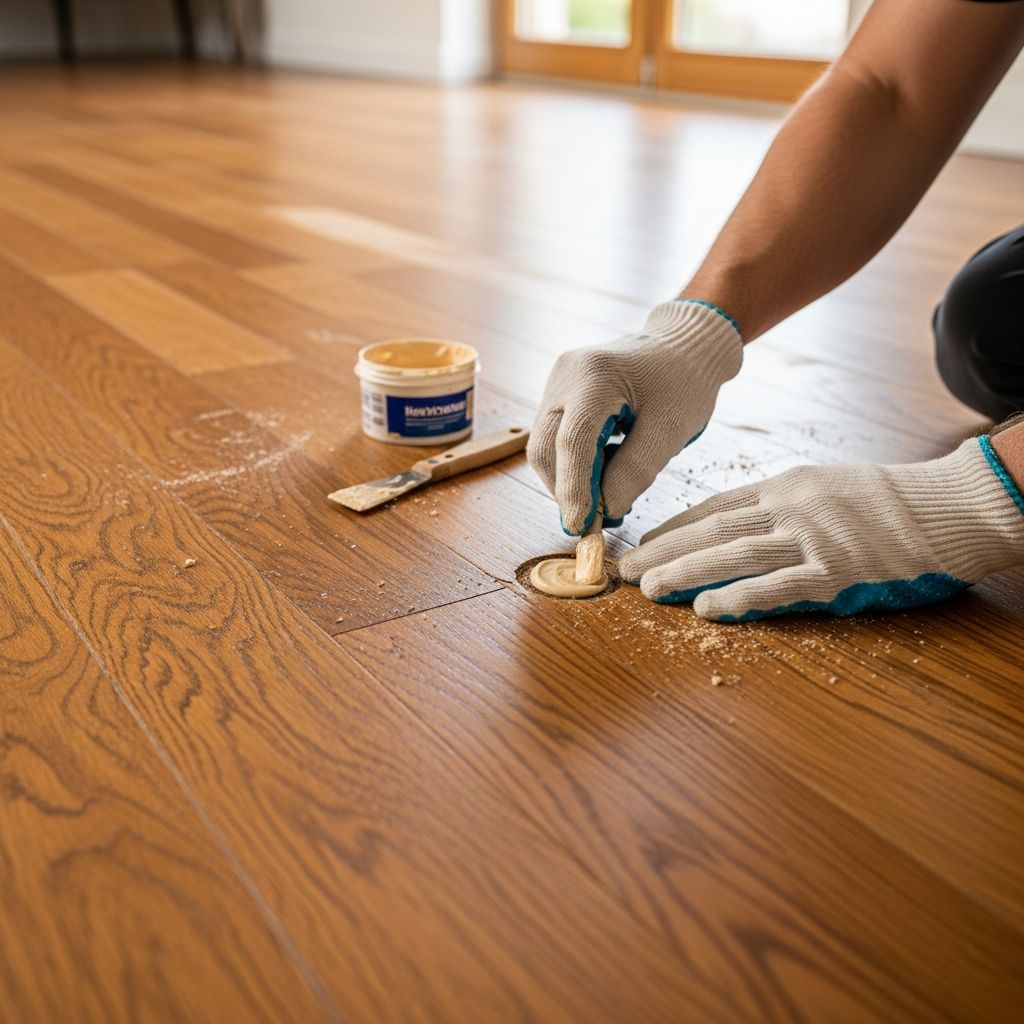
Hardwood floors add warmth and elegance to any home, but they are vulnerable to damage from daily wear and tear. Scratches, gouges, and small holes can appear seemingly overnight, diminishing the beauty of your investment. The encouraging news is that most of these imperfections can be repaired effectively without requiring expensive professional refinishing. With the right tools, materials, and techniques, homeowners can restore their floors to near-original condition in a single afternoon.
Understanding Hardwood Floor Damage Categories
Before selecting a repair method, it is essential to accurately assess the severity and type of damage present on your flooring. Damage falls into distinct categories, each requiring different treatment approaches and repair materials. Properly identifying the damage ensures you choose the most effective solution and achieve professional-looking results.
Surface-Level Blemishes and Fine Scratches
Surface scratches represent the most minor form of hardwood floor damage. These marks appear as thin lines that affect only the finish layer without penetrating into the wood itself. They typically result from light contact with furniture legs, pet claws, or small debris dragged across the surface. These scratches are often barely visible when viewed from certain angles but become noticeable under direct lighting. Addressing these marks quickly prevents further deterioration and maintains the floor’s appearance.
Medium-Depth Damage and Visible Gouges
Medium-depth scratches extend beyond the protective finish and penetrate slightly into the wood grain. These marks are more pronounced than surface scratches and remain visible regardless of viewing angle. They may result from dropped objects, furniture being moved across the floor, or repeated scraping from sand or grit trapped under foot traffic. This category requires more substantial filling than simple markers but does not necessitate complete floor refinishing.
Deep Gouges, Holes, and Structural Damage
Severe damage includes deep gouges, actual holes, and gaps between floorboards. These defects penetrate significantly into the wood and may expose the substrate layer beneath the floor’s finish. Such damage often results from major impacts, water damage, or structural settling. Repairing this level of damage requires heavy-duty solutions that can be sanded, stained, and finished to match surrounding areas seamlessly.
Essential Materials for Floor Repair Projects
Several product categories address different types of hardwood floor damage. Understanding the characteristics of each material helps you select the most appropriate solution for your specific situation.
Wood Repair Markers and Stain Solutions
Repair markers function like oversized colored pencils specifically designed for wood surfaces. These specialized markers contain wood-toned pigments that blend into the wood grain to conceal surface scratches. Available in multiple wood tones, they allow matching to virtually any floor color. Markers work by depositing color directly into minor scratches, making them less noticeable to the eye. They are ideal for light damage and offer the fastest application method available. The primary limitation is that markers only work on surface-level scratches and cannot fill gouges or holes effectively.
Wax-Based Filling Products
Wax fillers come in stick or paste form and provide a middle-ground solution for moderate damage. These products can be warmed slightly to improve pliability and application smoothness. Wax sticks are rubbed directly into scratches like crayons, filling the damaged area with colored material that matches surrounding wood tones. Wax fillers offer several advantages including ease of application, fast drying time, and ability to blend with surrounding finishes. However, wax-based solutions are semi-permanent and typically require periodic touch-ups as they gradually diminish with foot traffic. Wax fillers are available in both soft varieties for light filling and harder formulations for high-traffic areas.
Wood Putty and Permanent Filler Compounds
Wood putty and filler compounds represent the most durable repair solution for serious damage. These products are formulated to create permanent repairs that match the wood grain and can be sanded, stained, and finished like the original floor. Fillers come in two main formulations: water-based options that clean up easily with minimal odor, and solvent-based versions that typically provide superior adhesion and durability. Many fillers are available in stainable varieties, allowing precise color matching after the repair cures. These heavy-duty solutions work for deep gouges, actual holes, and gaps between boards.
Step-by-Step Repair Process for Different Damage Types
Each damage category requires a slightly different approach to achieve optimal results. Following the correct procedure ensures the repair blends seamlessly with surrounding flooring.
Repairing Surface Scratches with Markers
Begin by thoroughly cleaning the scratched area using soapy water and a soft toothbrush. Remove all dust, dirt, and debris that could interfere with the marker’s adhesion to the wood. Rinse completely and allow the area to dry thoroughly before proceeding. Once dry, apply the repair marker directly over the scratch, following the direction of the wood grain. Apply sufficient color to fill the scratch completely, using gentle pressure and multiple passes if necessary to achieve adequate coverage. Immediately wipe away excess marker with a clean cloth, following the grain direction. The key to professional results with markers is removing excess immediately before it dries and becomes difficult to clean.
Addressing Medium Scratches with Wax Fillers
Clean the damaged area thoroughly using the same method as with markers. For wax stick application, gently warming the stick with a hair dryer for a few seconds makes the material more pliable and easier to apply. Rub the warm wax stick directly into the scratch, pressing firmly to ensure complete filling of the void. For deeper scratches, you may need to apply multiple thin layers rather than one thick application. Allow the wax to set for a few minutes until it firms up slightly. Use a plastic putty knife or an old credit card to scrape away excess wax, leveling the repair flush with the surrounding floor surface. Once excess is removed, use a clean lint-free cloth to buff the repair area vigorously. This buffing action helps blend the wax with the surrounding finish and can restore some of the floor’s natural sheen. For optimal blending, apply finishing wax or floor polish over the repair after buffing to create a uniform appearance.
Treating Deep Damage with Putty and Fillers
Clean the area thoroughly and apply painter’s tape around the damaged section to protect surrounding flooring. This prevents filler from spreading beyond the repair area and makes cleanup easier. Using a putty knife, apply the wood filler into the hole or scratch, attempting to keep the application as smooth and level as possible. Slightly overfill the area to account for material shrinkage as it dries. For very deep damage, apply the filler in multiple layers, allowing each layer to dry according to product instructions before applying the next layer. Once the final layer is completely dry, lightly sand the repair area using fine-grit sandpaper, feathering the edges to blend smoothly with the surrounding floor. Apply matching wood stain to the patched area if necessary to achieve color consistency. Finally, apply a clear protective topcoat such as polyurethane to seal the repair and match the surrounding floor finish. Always test stain and finish products in an inconspicuous area before applying to visible damage.
Finishing Techniques for Seamless Blending
The final steps of any floor repair determine whether the fix appears professional or noticeably patched. Several finishing techniques help achieve invisible repairs that blend naturally with surrounding flooring.
Buffing and Polish Application
Gentle buffing with a clean, lint-free cloth works wonders for wax-based repairs. This technique helps blend the filler material with the surrounding wood and can restore some of the floor’s natural sheen. For repairs using putty or fillers, buffing after light sanding helps smooth any rough spots and improves the overall finish appearance. Finishing wax products applied over the repair area create subtle sheens that match the surrounding floor, making repairs virtually invisible under normal lighting conditions.
Stain Matching and Color Correction
For repairs using wood putty or fillers, color matching is critical. Always test stain colors on inconspicuous areas or scrap pieces before applying to visible repairs. Wood stains vary significantly between manufacturers and even between batches of the same product, so proper testing ensures accurate color matching. When applying stain, use a small brush and work carefully to confine the product to the repair area, following wood grain direction.
Protective Topcoat Application
Clear topcoats seal repairs and provide protection from future damage while helping fillers blend with surrounding flooring. Polyurethane is the most common choice for hardwood floor topcoats. Apply thin, even coats using a brush or applicator designed for polyurethane application. Multiple thin coats provide better protection and appearance than single thick applications. Allow proper drying time between coats according to product instructions.
Frequently Asked Questions About Hardwood Floor Repair
How long do wax-based repairs last?
Wax repairs typically remain effective for several months to a year depending on traffic levels in the repaired area. High-traffic zones require more frequent touch-ups than lightly used areas. Wax gradually diminishes through wear and weathering, necessitating periodic reapplication for lasting results.
Can repairs be done without sanding?
Marker and wax-based repairs can be completed without sanding, making them quick solutions for surface and moderate damage. Deep damage and putty repairs typically require light sanding to achieve smooth, flush surfaces that blend with surrounding flooring.
Will repairs prevent future refinishing?
Wax-based repairs can interfere with future floor refinishing because wax prevents polyurethane adhesion. Professionals often require complete resanding to bare wood before applying new finishes over previously waxed repairs. Putty-based repairs do not create adhesion problems for future refinishing.
What products work for light-colored wood floors?
Light-colored hardwood floors require matching repair materials in corresponding light tones. Most repair marker and wax stick brands offer multiple shade options to accommodate various wood colors. For natural solutions on light wood, raw walnut rubbed into scratches provides acceptable coverage.
How much does professional hardwood floor repair cost?
Professional repair services typically cost significantly more than DIY solutions using readily available products. Complete floor refinishing remains the most expensive option, while targeted repairs using fillers and markers represent the most economical approach for minor to moderate damage.
Alternative Natural Repair Methods
Beyond commercial products, several household solutions provide acceptable results for light damage. These methods work particularly well for minor scratches that only affect the finish layer. Combining equal parts lemon juice and vegetable oil or vinegar and olive oil creates a mixture that can mask minor scratches effectively. Raw walnut, when rubbed directly into scratches, transfers natural oils that penetrate the wood and reduce scratch visibility. These natural methods work best on light to medium scratches and do not create adhesion problems for future floor maintenance or refinishing.
Preventative Maintenance Strategies
Preventing new damage proves far more cost-effective than repairing existing damage. Using furniture pads beneath chair and table legs eliminates scratches caused by movement. Regular sweeping removes grit and debris that cause scratching under foot traffic. Promptly wiping up spills prevents water damage that leads to gouges and warping. Maintaining appropriate humidity levels reduces wood expansion and contraction that create gaps between boards. Strategic area rugs in high-traffic zones reduce wear on exposed flooring and minimize new damage accumulation.
Conclusion
Hardwood floor damage need not be permanent or expensive. By accurately assessing damage severity and selecting appropriate repair materials, homeowners can address scratches and holes effectively using DIY methods. Whether employing quick marker solutions for surface scratches, wax-based fillers for moderate damage, or permanent putty repairs for deep gouges, proven techniques exist for every situation. With proper execution and attention to finishing details, professional-quality repairs are achievable without extensive time investment or significant expense. Regular preventative maintenance combined with prompt repair of new damage keeps hardwood floors beautiful for decades.
References
- Hardwood floor scratch filler: 3 Perfect Picks — Buff and Coat Virginia. 2024. https://buffandcoatvirginia.com/blog/hardwood-floor-scratch-filler-ultimate-guide/
- The Easiest Hardwood Floor Scratch Repair – Average But Inspired — Average But Inspired. 2021. https://averageinspired.com/2021/10/how-to-fix-scratched-hardwood-floors-in-no-time.html
- Hardwood Floor Scratch Repair — Murphy Oil Soap. https://www.murphyoilsoap.com/hardwood-flooring/hardwood-floor-scratch-repair
Similar Articles








Read full bio of medha deb