Harnessing Predator Insects for Garden Pest Control
Discover effective strategies to deploy beneficial insects and restore natural balance in your garden ecosystem.
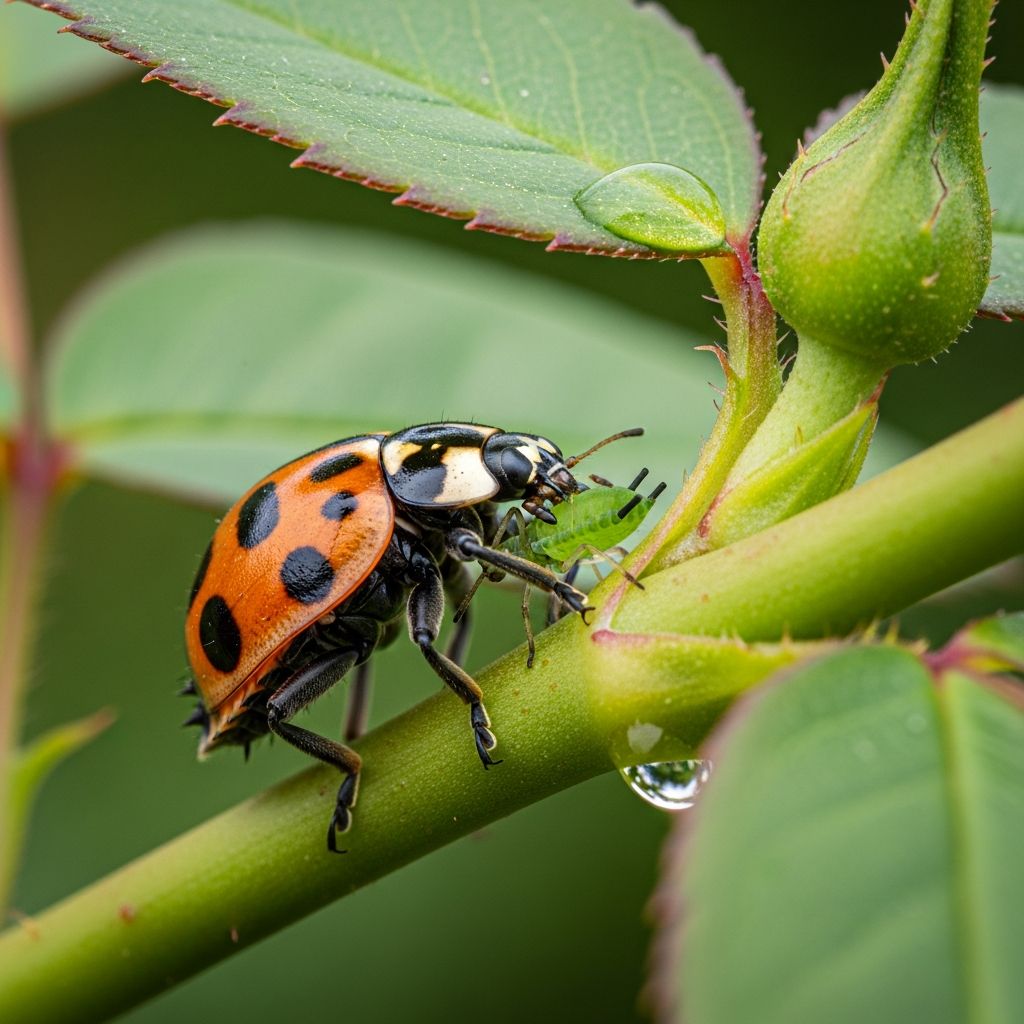
Predator insects offer a powerful, eco-friendly method to manage garden pests by leveraging nature’s own checks and balances. These beneficial bugs target specific harmful insects, reducing damage while preserving pollinators and plants.
The Science Behind Biological Pest Management
Biological control involves introducing or encouraging natural enemies—such as predatory insects, mites, and parasitoids—to suppress pest populations. In natural ecosystems, these predators maintain equilibrium by feeding on pests that reproduce rapidly. Gardens often lack sufficient predator numbers, allowing pests to proliferate. Boosting these populations restores balance without synthetic chemicals.
Unlike broad-spectrum pesticides, which kill indiscriminately, predator insects focus on pests. This targeted approach minimizes harm to beneficial species like bees. Research from agricultural extensions highlights how predators like ladybugs and lacewings can reduce aphid infestations by up to 90% in controlled settings.
Key Types of Beneficial Predators
Gardens host diverse predator insects, each specialized for certain pests. Understanding their roles helps in strategic deployment.
- Ladybugs (Lady Beetles): Voracious aphid eaters; both larvae and adults consume dozens daily.
- Lacewings: Larvae prey on aphids, mites, and soft-bodied insects; adults feed on pollen.
- Predatory Mites: Microscopic hunters targeting spider mites in humid environments like greenhouses.
- Parasitic Wasps: Lay eggs inside hosts like caterpillars; larvae devour the pest from within.
- Ground Beetles: Nocturnal hunters of slugs, cutworms, and soil-dwelling pests.
- Syrphid Flies (Hoverflies): Larvae devour aphids; adults pollinate flowers.
These species thrive when provided with habitat and alternate food sources.
Creating a Predator-Friendly Garden Habitat
To attract native predators, design your garden as a supportive ecosystem. Native plants provide nectar, pollen, and prey, sustaining predators year-round.
| Plant Type | Benefits | Examples |
|---|---|---|
| Flowering Natives | Nectar for adults; attracts prey | Dill, Fennel, Yarrow, Alyssum |
| Ground Covers | Shelter for ground dwellers | Clover, Creeping Thyme |
| Trees/Shrubs | Perches and overwintering sites | Elderberry, Serviceberry |
Avoid tidy monocultures; allow wild edges with leaf litter and mulch for beetle habitats. Tolerate minor pest presence to feed predators during lean times.
Step-by-Step Guide to Introducing Predators
- Identify the Pest: Examine damage—sticky leaves for aphids, webbing for mites, holes for caterpillars. Confirm via magnification or extension services.
- Avoid Chemicals: Cease pesticide use 2-4 weeks prior; opt for soaps or oils if needed.
- Source Beneficials: Purchase from reputable suppliers offering live, species-matched predators. Native strains establish better.
- Timing and Release: Release evenings in cool weather. Shake onto infested plants; repeat every 7-14 days for 3 weeks.
- Monitor Progress: Expect gradual results over 1-4 weeks as predators multiply.
For enclosed spaces like greenhouses, introduced biocontrol excels due to contained environments. Outdoors, combine with habitat enhancements for lasting impact.
Matching Predators to Common Pests
Select predators based on pest type for optimal control.
| Pest | Symptoms | Recommended Predators |
|---|---|---|
| Aphids | Curled leaves, honeydew | Ladybugs, Lacewings, Syrphid Flies |
| Spider Mites | Fine webs, stippling | Predatory Mites, Minute Pirate Bugs |
| Caterpillars | Chewed foliage | Parasitic Wasps (Trichogramma), Ground Beetles |
| Whiteflies | Yellowing, sooty mold | Encarsia Wasps, Predatory Beetles |
| Thrips | Silver scars, deformed growth | Predatory Mites, Pirate Bugs |
Generalists like big-eyed bugs handle multiple pests.
Best Practices for Long-Term Success
- Maintain plant health: Well-fed plants resist pests better.
- Provide water sources: Shallow dishes with pebbles aid hydration.
- Diversify crops: Interplanting confuses pests, supports predators.
- Winter refuges: Leave stems and brush piles for diapause.
- Track efficacy: Use sticky traps to monitor pest decline.
Patience is key—predators build populations over time, unlike instant chemical fixes.
Challenges and Solutions
Predators may disperse if prey vanishes, so sustain minor infestations or supplemental feeds like sugar water. High heat or drought stresses them; mist plants regularly. In open gardens, flying species like lacewings may wander—focus on ground-dwellers or parasitoids for retention.
Integrated Pest Management (IPM) combines predators with cultural controls for resilience.
Environmental and Economic Benefits
Adopting predator insects cuts chemical costs, protects waterways from runoff, and boosts biodiversity. Studies show IPM gardens yield comparably to sprayed ones with fewer inputs. Healthier soils emerge as reduced tillage preserves predator habitats.
Frequently Asked Questions
Are predator insects safe for pets and children?
Yes, these native species pose no risk, unlike many pesticides.
How long until I see results?
Typically 1-3 weeks, depending on infestation size and conditions.
Can I use predators outdoors?
Absolutely, especially non-flying types like beetles and mites.
What if pests return?
Reapply or enhance habitats; consistent monitoring prevents outbreaks.
Where to buy quality beneficials?
Seek suppliers with live delivery guarantees and pest-specific products.
References
- How to use predatory insects for your garden (2024) — Andermatt Garden. 2024. https://andermattgarden.co.uk/blogs/pests/how-to-use-predatory-insects-for-your-garden-2022
- How to Get an Army of Beneficial Insects to Protect Your Garden — UC ANR. N/A. https://ucanr.edu/blog/real-dirt/article/how-get-army-beneficial-insects-protect-your-garden
- Planting for Helpful Predators: How “Natural Enemies” Can Control Garden Pests for You — Xerces Society. N/A. https://www.xerces.org/blog/planting-for-helpful-predators-how-natural-enemies-can-control-garden-pests-for-you
- The Value of Predatory Insects | How to Attract Good Bugs — joe gardener. N/A. https://joegardener.com/podcast/value-predatory-beneficial-insects-garden/
- Be a good host – attract these 9 beneficial predators — Raise Your Garden. N/A. https://raiseyourgarden.com/home/be-a-good-host-attract-these-9-beneficial-predators
Similar Articles








Read full bio of medha deb