Harvest Lettuce: 3 Easy Cut-And-Come-Again Methods
Master cut-and-come-again techniques to enjoy fresh lettuce harvests from the same plants all season long.
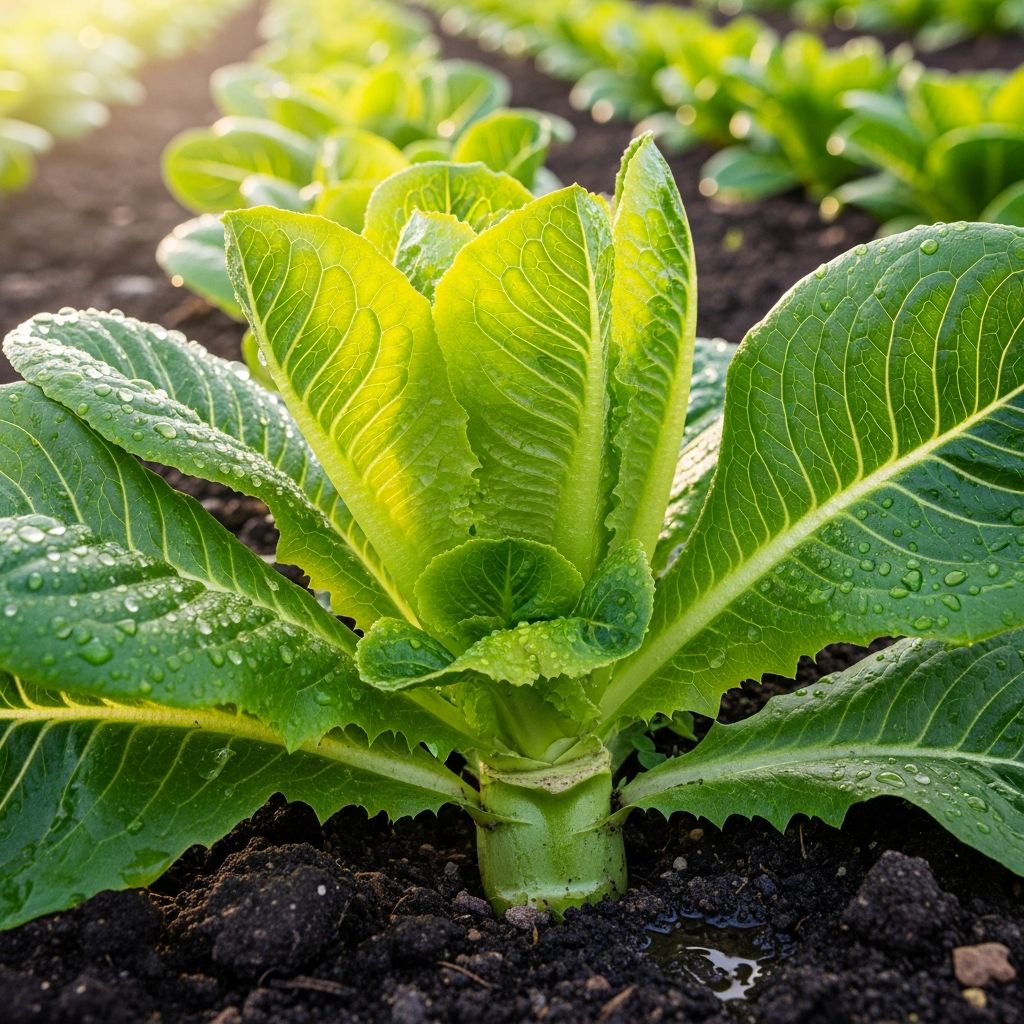
Growing your own lettuce offers unmatched freshness, but traditional harvesting often means pulling up the entire plant after one use. By adopting sustainable techniques like the cut-and-come-again method, gardeners can enjoy multiple harvests from the same plants, extending the season and maximizing space efficiency. This approach not only reduces waste but also provides a steady supply of tender greens for salads and meals.
Understanding Lettuce Plant Biology
Lettuce (Lactuca sativa) is a cool-season annual that thrives in temperatures between 45°F and 75°F. The plant develops from a central crown, where new leaves emerge, surrounded by older outer foliage. Preserving this crown during harvest is key to regrowth, as it remains the engine for producing fresh leaves. Heat stress or long days trigger bolting, where plants send up flower stalks and turn bitter, signaling the end of leafy production.
Leafy varieties like looseleaf, oakleaf, and butterhead respond best to repeated harvesting, yielding 3-6 cuts per plant under ideal conditions. Head-forming types such as romaine or iceberg are trickier but can still be managed for partial harvests before full maturity.
Core Harvesting Techniques for Regrowth
Several methods allow selective leaf removal without terminating the plant’s life cycle. Each prioritizes clean cuts above the crown to minimize stress and promote rapid recovery.
Gentle Leaf-by-Leaf Picking
Ideal for beginners, this hands-on approach involves pinching or snipping individual mature outer leaves. Wait until plants have 6-8 leaves, then remove 1-2 largest ones per plant, always leaving the central cluster intact. This method mimics natural foraging, directing energy inward for new growth.
- Select leaves 4-6 inches long for optimal tenderness.
- Use fingers for small plants or clean scissors for precision.
- Harvest in the morning when leaves are crisp and hydrated.
Batch Cutting Above the Crown
For quicker results, slice horizontally 1-2 inches above the soil line or crown using sharp shears. This ‘ponytail chop’ gathers outer leaves in bundles, leaving the heart protected. Plants regrow in 7-14 days, often bushier than before.
- Cut no more than one-third of the plant at once.
- Avoid jagged edges to prevent disease entry.
- Expect 4-6 harvests before quality declines.
Full Head Removal as Last Resort
Reserve this for bolted or overcrowded plants. Sever at the base, leaving roots to decompose and enrich soil microbes. Separate leaves post-harvest for storage or immediate use.
Tools and Best Practices
Success hinges on proper equipment and hygiene.
| Tool | Purpose | Tips |
|---|---|---|
| Sharp garden scissors or pruners | Clean cuts to avoid tearing | Sanitize with alcohol between plants |
| Serrated knife | Bulk chopping | High-quality steel for smooth slices |
| Harvest basket or bowl | Collecting leaves | Line with damp cloth to maintain freshness |
Always inspect for pests or damage before cutting. Post-harvest, rinse leaves gently in cool water and store in the fridge wrapped in a towel for up to a week.
Extending Your Harvest Season
To prevent bolting and sustain production:
- Succession Planting: Sow seeds every 2-3 weeks for continuous supply. Rotate harvest zones to allow recovery time.
- Shade and Cooling: Use row covers or companion plants like radishes to shield soil from heat above 75°F. Mulch heavily to retain moisture.
- Watering Schedule: Provide consistent 1-inch weekly irrigation, deeply but infrequently, to cool roots.
- Fertilization: Apply balanced organic fertilizer every 3-4 weeks to fuel regrowth.
These strategies can yield up to 6x more lettuce per square foot compared to single-harvest methods.
Variety Selection for Maximum Yields
Not all lettuces are equal for regrowth. Opt for these top performers:
- Black Seeded Simpson: Fast-growing looseleaf, heat-tolerant.
- Red Sails: Vibrant, frilly leaves with mild flavor.
- Salad Bowl: Colorful mix, bolts slowly.
- Buttercrunch: Compact butterhead for small spaces.
Experiment with mesclun blends for diverse textures and flavors in one bed.
Troubleshooting Common Issues
Even with best practices, challenges arise.
- Bitter Leaves: Caused by heat or drought; harvest frequently and shade plants.
- Slow Regrowth: Check for nutrient deficiencies or root crowding; thin as needed.
- Pest Damage: Slugs love young leaves—use diatomaceous earth or beer traps.
- Disease: Slugs, aphids, or fungal spots; remove affected parts and improve air circulation.
When plants bolt, collect seeds by drying flower heads, then compost or replant successors.
Benefits Beyond the Garden
This harvesting style transforms home gardening into a productive powerhouse. Save hundreds on store-bought greens—$10 per square foot is achievable. Reduce food waste by picking only what you need, preserving peak nutrition and crunch. Environmentally, it cuts replanting needs, conserves water, and boosts biodiversity through extended plant life.
Frequently Asked Questions
How often can I harvest using cut-and-come-again?
Every 7-10 days, or when outer leaves reach harvest size, up to 4-6 times per plant.
What if my lettuce bolts early?
Harvest seeds for replanting, then remove and start new succession crops.
Can I use this method on all lettuce types?
Best for looseleaf; head lettuces work for partial cuts but may need full harvest at maturity.
How do I store cut leaves?
Wash, dry, wrap in a damp towel, and refrigerate in a perforated bag for 5-7 days.
Does soil temperature affect bolting?
Yes, cooler soil via mulch and shade delays bolting more than air temperature alone.
Scaling Up for Abundance
For larger yields, dedicate 10-20 square feet to intensive planting at 6-inch spacing. Track harvests in a journal to refine timing. Sell surplus at markets or share with neighbors, turning hobby into side income. Integrate with other greens like spinach or arugula for mixed salads.
Incorporate vertical elements like trellises for trailers or hydroponic towers for year-round indoor growth. Monitor pH (6.0-7.0) and amend with compost for vigor.
References
- How to Harvest Lettuce All Season: Cut & Come Again Method — MIgardener. 2023. https://migardener.com/blogs/blog/how-to-harvest-lettuce
- How to Harvest Lettuce to Increase Production — Gardenary. 2023. https://www.gardenary.com/blog/how-to-harvest-lettuce-to-increase-production
- USDA National Plant Germplasm System: Lettuce Cultivation Guidelines — United States Department of Agriculture. 2024-06-15. https://npgsweb.ars-grin.gov/gringlobal/cropdetail.aspx?type=species&code=Lactuca%20sativa
- Leafy Greens Production Guide — University of California Agriculture and Natural Resources. 2025-01-10. https://anrcatalog.ucanr.edu/pdf/8090.pdf
- Home Vegetable Garden Insect Pest Management — Penn State Extension. 2024. https://extension.psu.edu/home-vegetable-garden-insect-pest-management
Similar Articles






Read full bio of medha deb