Heat Pump vs. Air Conditioner: Complete Comparison Guide
Understand the key differences between heat pumps and air conditioners for your home.
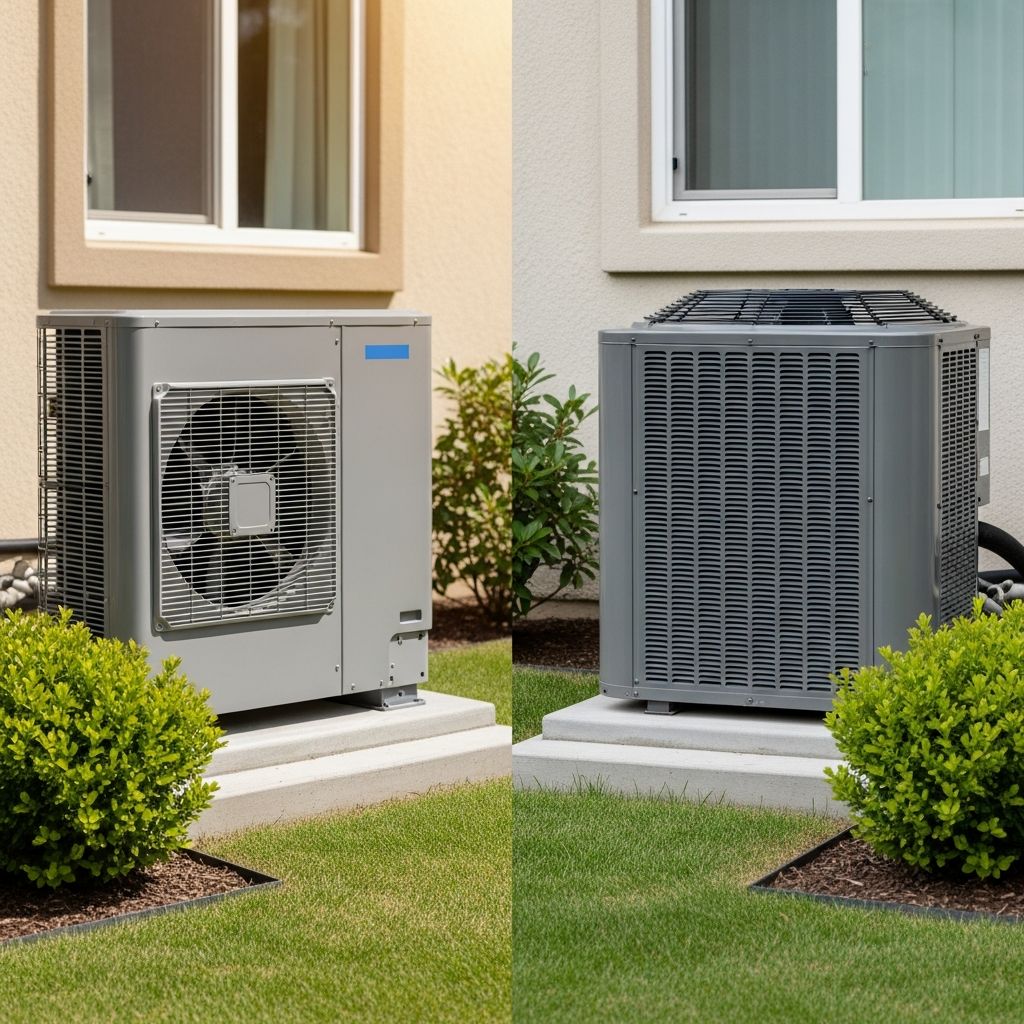
Heat Pump vs. Air Conditioner: Which System Is Right for Your Home?
When it comes to keeping your home comfortable year-round, choosing between a heat pump and a traditional air conditioner is one of the most important decisions you’ll make. While both systems can cool your home effectively, they differ significantly in their capabilities, costs, and overall performance. Understanding these differences will help you make an informed decision that aligns with your needs, budget, and climate.
A heat pump moves heat in or out of an indoor space, while an air conditioner can only cool a building or room. This fundamental distinction shapes how each system operates and the value it provides to homeowners. By exploring the key differences between these two HVAC solutions, you can determine which option offers the best long-term benefits for your household.
How Heat Pumps and Air Conditioners Work
Understanding the mechanics behind each system is essential to appreciating their differences. Both heat pumps and air conditioners use refrigerant cycles to transfer heat, but their capabilities diverge significantly based on their design.
How Air Conditioners Function
A conventional air conditioner works by transferring heat from inside your home to the outside environment. The system pulls warm air from your living spaces across a cold evaporator coil. As air passes over this coil, the refrigerant inside absorbs the heat, evaporating into a gas state. This heated refrigerant gas then travels to the condenser coil located outside your home, where it undergoes a phase change back into a liquid state, releasing the captured heat to the outdoor environment. A fan blows air across the cold evaporator coil, cooling it and distributing the cooled air throughout your home. This cycle repeats continuously until your desired indoor temperature is achieved.
How Heat Pumps Operate
Heat pumps function similarly to air conditioners during warm months, but they include a critical component called a reversing valve that allows them to reverse the refrigeration cycle. This reversing valve is the key innovation that enables heat pumps to provide both heating and cooling capabilities. During warm weather, a heat pump operates identically to an air conditioner, pulling heat from inside your home and transferring it outside. When temperatures drop, the reversing valve changes the direction of refrigerant flow, reversing the cycle entirely. Even in cold air, heat energy exists, and the heat pump extracts this residual heat from the outdoor air and transfers it indoors for warmth. This dual functionality eliminates the need for a separate heating system during mild to moderate winters.
Key Differences Between Heat Pumps and Air Conditioners
Several important distinctions separate these two systems, affecting everything from your initial investment to your long-term operational costs.
Heating and Cooling Capabilities
The most significant difference is functionality. Heat pumps can both heat and cool your home through their reversing valve mechanism, making them an all-in-one solution. Air conditioners can only provide cooling and require a separate heating system, such as a furnace or electric resistance heater, for winter warmth. If your current heating system is old or in poor condition, a heat pump installation combines your heating and cooling upgrades into a single system, potentially offering better value.
Installation Costs
Heat pump installation typically costs between $4,200 and $7,900, while central air conditioning installation ranges from $3,900 to $7,900. While heat pumps may have a higher initial cost due to their dual heating and cooling technology, they function as an all-in-one solution. Air conditioners cost less upfront but require a supplementary heating system for cold months, which adds to the total investment if you’re starting from scratch.
Operating Costs
Heat pumps may be cheaper to run than air conditioners, particularly in moderate climates. According to the U.S. Department of Energy, heat pumps can reduce electricity use for heating by about 50% compared to furnaces and baseboard heaters. High-efficiency heat pumps also dehumidify better than central AC units, which means they use less energy to cool your home. However, operating costs depend on system size, location, and your local climate.
Energy Efficiency
In general, heat pumps tend to be more energy efficient than AC systems due to their ability to transfer heat rather than generate it, resulting in lower energy consumption. Heat pumps can be up to three times more efficient than a gas furnace for heating purposes. However, efficiency levels can vary significantly based on regional climate, system size, age of equipment, insulation levels, maintenance patterns, and individual usage habits. Heat pumps perform particularly well in moderate climates where temperature differentials between indoor and outdoor environments are not extreme. In regions with extreme winter conditions, heat pump efficiency drops considerably because the system must engage auxiliary heating equipment and expend additional energy for deicing.
Climate Considerations
Heat pumps offer significant energy savings in moderate climates, while their efficiency diminishes in areas with extreme temperature variations between seasons. Air conditioners perform equally well whether you live in a mild or extremely hot climate, and they are adept at keeping indoor temperatures up to 20 degrees cooler than outdoor air. For cold climates, a traditional air conditioner paired with a gas furnace may be more effective and cost-efficient than a fully electric heat pump system.
Performance Comparison
| Feature | Heat Pump | Central Air Conditioner |
|---|---|---|
| Heating Capability | Yes (dual function) | No (heating system required) |
| Cooling Capability | Yes | Yes |
| Installation Cost | $4,200–$7,900 | $3,900–$7,900 |
| Operating Efficiency | Generally higher | Generally lower |
| Power Dependency | Electricity required | Various fuels (gas, propane, electricity) |
| Environmental Impact | More environmentally friendly | May use fossil fuels |
| Noise Level | Minimal noise | Varies by system |
| Lifespan | Generally shorter | Generally longer |
Dehumidification and Air Quality
Heat pumps generally dehumidify the air better than standard AC units, which can result in measurably less energy use. This superior dehumidification capability improves indoor air quality and comfort, especially in humid climates. Both systems are effective for air quality when properly maintained, but the heat pump’s enhanced dehumidification offers an additional benefit during cooling seasons.
Environmental Considerations
Heat pumps utilize renewable heat sources from the air and ground, making them more environmentally friendly than systems that rely on fossil fuels. Because heat pumps are fully electric, they produce zero direct emissions in your home. Most modern air conditioning systems can run on various fuels, including natural gas or propane, which may have a larger environmental footprint. However, the electricity powering your heat pump depends on your local power grid’s energy sources, so regional factors influence the overall environmental benefit.
Reliability and Power Outage Considerations
Heat pumps cannot function without electricity, making them more susceptible to failure during power outages. This is an important consideration if you live in an area prone to electrical disruptions. Air conditioners that operate on natural gas or propane may continue functioning during electrical outages, depending on their design. However, most modern HVAC systems require at least some electrical power, so this distinction is less critical than it once was.
System Lifespan
Heat pumps generally have a shorter lifespan than air conditioners because they operate year-round, covering both cooling and heating duties, while air conditioners are only active when cool air is needed. The biggest factors in the lifespan of either system are how much use they receive and how well they’re maintained. Both systems also tend to live longer in cooler climates where extreme summer heat doesn’t put as much wear and tear on components.
Maintenance Requirements
Air conditioners can be more affordable and less complex to maintain than heat pumps. Because they perform only one function, they have fewer components that require regular servicing. Heat pumps, with their reversing valve and year-round operation, typically require more frequent maintenance to ensure both heating and cooling functions work optimally.
Which System Should You Choose?
Choose a Heat Pump If:
– You want an efficient all-in-one heating and cooling solution- You live in a moderate climate with mild to moderate winters- Your heating system needs replacement- You prioritize long-term energy savings- Environmental impact is important to you- You’re willing to invest more upfront for lower operating costs
Choose an Air Conditioner If:
– You need only cooling and already have an efficient heating system- Your budget is limited for upfront installation costs- You live in an extremely cold climate with harsh winters- You prefer a simpler, low-maintenance cooling system- You want the option to use alternative fuels like natural gas- You need maximum cooling performance during extreme heat
Frequently Asked Questions
Q: Is a heat pump more efficient than an air conditioner?
A: In general, heat pumps tend to be more energy efficient than AC systems due to their ability to transfer heat rather than generate it. However, efficiency varies based on factors like regional climate, system size, insulation, and maintenance. Heat pumps perform best in moderate climates and may not be as efficient in regions with extreme cold winters.
Q: Can a heat pump heat my home adequately in winter?
A: Heat pumps work well in moderate climates but may struggle in extremely cold regions. In harsh winters, heat pumps must engage auxiliary heating equipment, which increases electricity consumption. Many homeowners in cold climates pair heat pumps with furnaces for optimal winter performance.
Q: What is the reversing valve in a heat pump?
A: The reversing valve is a critical component that allows heat pumps to reverse their refrigeration cycle. This enables the system to switch from cooling mode (removing heat from inside) to heating mode (extracting heat from outside air and transferring it indoors).
Q: How much can I save with a heat pump compared to an air conditioner?
A: According to the U.S. Department of Energy, heat pumps can reduce electricity use for heating by about 50% compared to traditional furnaces and baseboard heaters. Actual savings depend on your climate, energy rates, and how efficiently your current heating system operates.
Q: What happens to a heat pump during a power outage?
A: Heat pumps require electricity to operate and will stop functioning during a power outage. If you live in an area with frequent outages, consider a system with a backup generator or explore alternatives like natural gas heating options.
Q: Are heat pumps noisy?
A: No, heat pumps operate with minimal noise compared to many other HVAC systems. The indoor air handler runs quietly, making them a good choice for noise-sensitive homeowners.
Q: How long do heat pumps and air conditioners last?
A: With proper maintenance, air conditioners typically last 15-20 years, while heat pumps often have a slightly shorter lifespan of 10-15 years due to year-round operation. Both lifespans depend significantly on usage patterns and maintenance quality.
Our Conclusion
A heat pump can be an excellent choice if you want an efficient way to heat and cool your home. It’s generally a more energy-efficient and cost-effective option than maintaining separate heating and cooling systems. High-efficiency heat pumps dehumidify better than central AC units and use less energy overall. However, heat pumps are more expensive upfront and may require more maintenance throughout their lifespan.
Air conditioners, on the other hand, can be more affordable and less complex to maintain than heat pumps. They are great for cooling your home quickly and effectively during hot summer months and are better suited for climates with extreme winters. However, they cannot provide heating and require a separate system for winter warmth.
Your choice ultimately depends on your climate, budget, current heating system condition, and long-term priorities. Homeowners in moderate climates who value energy efficiency and are willing to invest upfront typically benefit most from heat pumps. Those in cold climates with existing efficient furnaces or those prioritizing immediate affordability and simplicity may find air conditioners more suitable. Evaluate your specific situation, consult with HVAC professionals, and consider your region’s climate patterns to make the best decision for your home’s comfort and your wallet.
References
- Heat Pump vs. Air Conditioner – This Old House — This Old House. 2025. https://www.thisoldhouse.com/heating-cooling/heat-pump-vs-ac
- Reducing Home Energy Costs with Heat Pumps — U.S. Department of Energy. 2024. https://www.energy.gov/energysaver/heat-pump-systems
- Heat Pump vs Central Air: Which Is Better for Your Home? — BKV Energy. 2024. https://bkvenergy.com/blog/heat-pump-vs-central-air/
- Heat Pump vs Air Conditioner – Carrier — Carrier Global Corporation. 2024. https://www.carrier.com/residential/en/us/products/heat-pumps/heat-pumps-vs-air-conditioners/
- Heat Pump vs Air Conditioner: Which Is Better? – Trane — Trane Technologies. 2024. https://www.trane.com/residential/en/resources/blog/heat-pump-vs-air-conditioner/
- A Guide to Heat Pumps vs. Air Conditioners — Rheem Manufacturing. 2024. https://www.rheem.com/air-conditioning/articles/a-guide-to-heat-pumps-vs-air-conditioners/
Similar Articles




Read full bio of Sneha Tete