Hide Wallpaper Seams: Expert Repair Guide
Master techniques to conceal unsightly wallpaper gaps and achieve seamless, professional walls effortlessly.
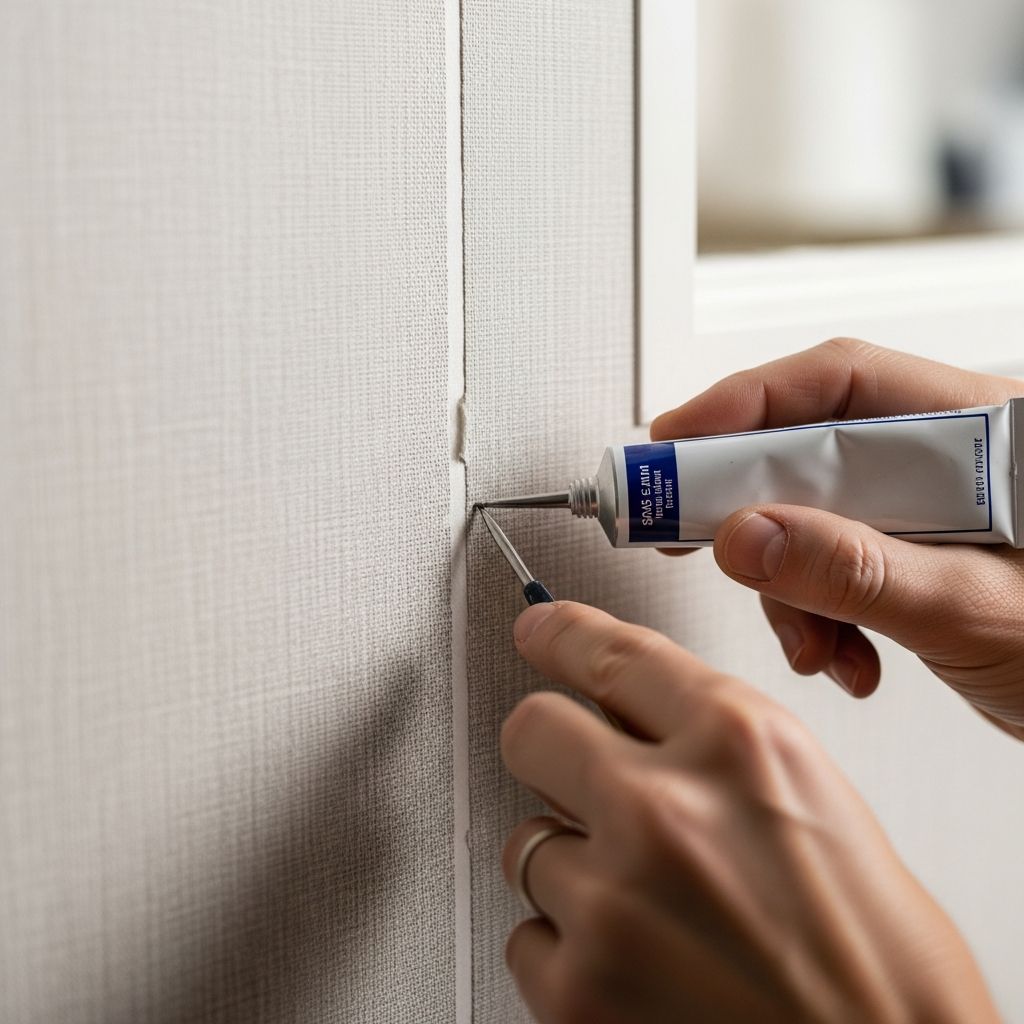
Wallpaper seams that gap or lift can detract from an otherwise perfect wall finish, but with targeted techniques, these imperfections become invisible. This guide explores the root causes of seam issues and provides step-by-step solutions tailored to various wallpaper types, ensuring durable, seamless results.
Understanding Why Seams Appear in Wallpaper
Seam gaps often emerge due to material behavior, installation errors, or environmental factors. Non-woven and paper-backed wallpapers expand when wet with adhesive and contract during drying, creating visible separations. Vinyl varieties may separate because their slick surface resists strong bonding, while embossed or textured papers demand precise alignment to avoid noticeable offsets.
Environmental influences exacerbate problems: low humidity causes shrinkage, high moisture softens edges, and temperature swings lead to lifting. Poor wall preparation, such as uneven plaster or old paint layers, prevents uniform adhesion, allowing seams to pull apart over time.
Essential Tools for Seamless Wallpaper Repairs
Gather these items before starting repairs to work efficiently:
- Wallpaper adhesive: Choose type-specific formulas, like heavy-duty for vinyl or clear for fiberglass.
- Seam roller: Applies even pressure without damaging texture.
- Small brush or syringe: For precise adhesive application under lifted edges.
- Plastic smoother or putty knife: Gently repositions without tearing.
- Damp cloth and sponge: Cleans excess paste.
- Needle or pin: Releases bubbles near seams.
- Color-matching supplies: Crayons, watercolors, or pens for camouflage.
Step-by-Step: Reactivating Lifted Seams
The most reliable fix for minor lifts involves re-adhering without full removal. Lift the edge gently with a plastic tool, apply paste using a fine brush directly into the gap, then press and roll. For embossed types, use minimal pressure to preserve texture. Wipe excess immediately to prevent bubbling.
| Wallpaper Type | Adhesive Recommendation | Pressure Level |
|---|---|---|
| Non-woven | Standard paste | Medium roll |
| Vinyl | Vinyl-specific glue | Light roll |
| Embossed/Textured | Heavy-duty clear | Gentle press |
| Peel-and-Stick | Reactivation spray | No roller |
Addressing Gaps from Shrinkage
When drying causes contraction, narrow gaps appear. Option one: While adhesive remains workable, slide adjacent strips together using a smoothing tool. For dried gaps, cut a thin matching strip from scraps, align the pattern, and overlap slightly before trimming excess. Professionals endorse this for bold patterns where precision matters.
Alternative: Fill with flexible caulk tinted to match, then feather edges smooth. Test in a hidden area first.
Correcting Pattern Misalignments
Misaligned designs stand out on geometric or floral prints. Peel back the seam carefully, dampen with warm water to loosen old adhesive, realign by sliding, and reapply fresh paste. Non-woven materials flex easily for adjustments. Roll from center outward to avoid new bubbles.
Eliminating Bubbles Near Seams
Trapped air pushes seams apart. Puncture with a pin, inject adhesive via syringe, and smooth outward. Follow with rolling for a flat seal. This prevents future drifting.
Camouflage Techniques for Stubborn Gaps
When physical fixes fall short, visual tricks conceal flaws effectively. Match wall primer color to wallpaper background before installation to hide under-seams. For repairs, color gaps with crayons, felt-tip pens, or watercolors in exact shades—test dry time first.
Banding involves painting vertical stripes along seams with a sponge-dipped in matching paint, creating optical continuity. Watercolor brush pens offer precision for textured surfaces.
Prevention Strategies for Flawless Installations
Avoid repeats by priming walls to seal imperfections and ensure even paste retention. For paper-backed rolls, adhere strictly to soaking times per instructions to match expansion across strips. Paste beyond strip edges, especially on heavy papers, and prepare one strip at a time for paste-the-wall methods.
Maintain stable room conditions: 65-75°F and 40-50% humidity during hanging and curing. Overlap seams slightly on vinyl, then double-cut for invisible joins.
Troubleshooting Common Challenges by Wallpaper Type
- Vinyl: Use slick-surface adhesive; avoid over-wetting to prevent slippage.
- Embossed: Gentle handling preserves relief; fresh paste revives bonds best.
- Non-Woven: Repositions easily; primer enhances grip on porous walls.
- Peel-and-Stick: Heat with hairdryer to reactivate; no water needed.
Long-Term Maintenance for Lasting Seams
After repairs, monitor humidity and avoid direct steam cleaning. Dust lightly with a dry cloth. For high-traffic areas, apply seam varnish sparingly. Annual inspections catch lifts early.
Frequently Asked Questions
Can I fix seams on already-painted wallpaper?
Yes, score paint along the seam, lift gently, and proceed with adhesive reactivation. Avoid if paper is brittle.
What’s the best adhesive for vinyl seams?
Vinyl-specific or heavy-duty clear formulas provide the strongest hold on slick surfaces.
How long do repairs take to dry?
24-48 hours for full cure; avoid disturbance during this period.
Will coloring techniques fade over time?
High-quality crayons or watercolors resist fading if sealed lightly; test for lightfastness.
Is professional help needed for large gaps?
DIY works for minor issues; extensive damage may require stripping and reinstalling.
References
- How to Fix Wallpaper Seams That Don’t Match | Walloro Guide — Walloro. 2023. https://www.walloro.com/blogs/walloro/how-do-i-fix-wallpaper-seams-that-aren-t-matching-a-complete-guide-for-perfect-professional-looking-walls
- Why do wallpaper seams open up and how can you fix them? — Wallpaper from the 70s. 2023. https://www.wallpaperfromthe70s.com/inspiration/blog/knowledge/why-do-wallpaper-seams-open-up-and-how-can-you-fix-them
- How to fix wallpaper seams & other common issues — Photowall. 2023. https://www.photowall.com/ie/diy/how-to-fix-wallpaper-seams-other-common-issues-article
Similar Articles








Read full bio of medha deb