Home Design Errors Undermining Comfort
Discover common interior pitfalls that disrupt your living space harmony and learn practical fixes for a cozier home environment.
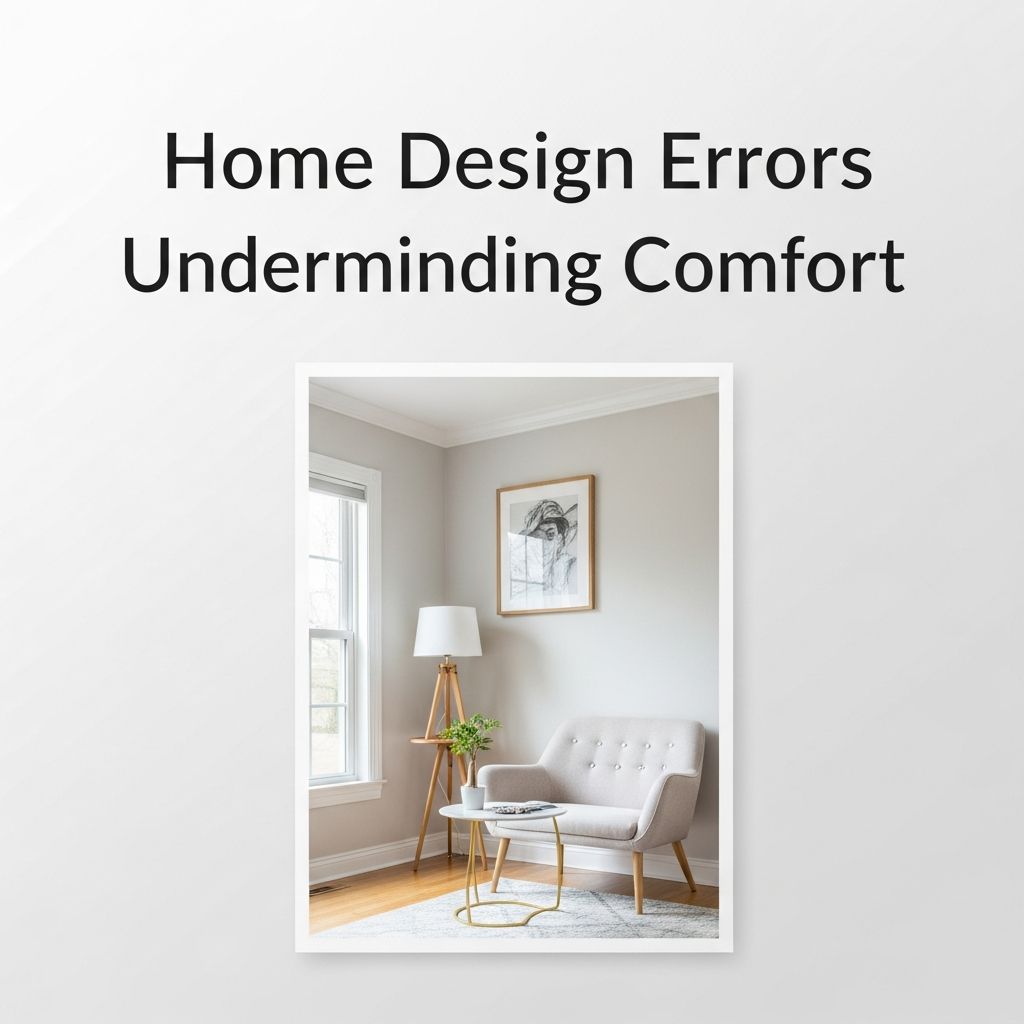
Your home should be a sanctuary of relaxation and ease, yet subtle design choices can quietly sabotage that goal. Many homeowners unknowingly introduce elements that create unease, from cramped walkways to harsh lighting shadows. This guide uncovers eight prevalent issues drawn from designer insights, offering straightforward solutions to restore balance and warmth.
Why Comfort Starts with Smart Planning
Effective home design merges aesthetics with functionality. Spaces that prioritize flow, proportion, and sensory harmony feel inherently welcoming. Common oversights, however, lead to frustration—furniture that blocks paths, echoes that disrupt sleep, or visuals that overwhelm. Addressing these elevates daily living without requiring a full overhaul.
1. Overlooking Room Proportions in Furniture Choices
Selecting pieces without considering scale is a top culprit for discomfort. Oversized sofas dwarf small areas, while tiny chairs leave large rooms empty and cold. Designers emphasize measuring twice: ensure key items like sectionals fit with at least 18-24 inches of clearance for traffic flow.
In living areas, test layouts virtually or with tape on the floor. A coffee table should align roughly two-thirds the sofa length, promoting easy reach without crowding. Bedrooms benefit from beds that allow 2 feet on each side for nightstands, fostering a restful setup.
- Measure room dimensions first.
- Opt for fewer, larger anchors over many small items.
- Mix scales: pair a substantial rug with mid-sized accents.
2. Undersized Rugs That Fail to Anchor Spaces
Rugs define zones but falter when too small, making furniture appear to float aimlessly. Experts recommend rugs large enough for front legs of sofas and chairs to rest on, instantly grounding the arrangement. This creates cohesion and perceived spaciousness.
For dining rooms, choose ovals or rectangles extending 24-30 inches beyond table edges when chairs push back. In bedrooms, runners flank the bed fully. Avoid scatter rugs in high-traffic spots—they trip hazards disguised as decor.
| Room Type | Ideal Rug Size Guideline | Comfort Benefit |
|---|---|---|
| Living Room | 8×10 ft min for avg space | Unites seating, adds warmth |
| Bedroom | Full bed coverage + 2 ft sides | Softens floors, defines sleep zone |
| Dining | Table + 3 ft all sides | Prevents chair wobble |
3. Inadequate Storage Leading to Clutter Chaos
Insufficient built-ins force visible piles, breeding stress. Plan pantries, closets, and cabinets during renos: kitchens need deep drawers for utensils, bedrooms walk-ins for seasonal gear. Multifunctional ottomans or beds with lifts hide extras stylishly.
Assess needs by category—linens, tech, shoes—allocating zones. Vertical solutions like over-door hooks maximize utility in tight spots, keeping surfaces clear for mental calm.
4. Single-Source Lighting That Casts Unflattering Shadows
Reliance on one overhead fixture creates glare or gloom. Layering—ambient, task, accent—mimics natural light shifts for versatility. Dimmers control mood: bright for tasks, soft for evenings.
Incorporate floor lamps beside seats, table fixtures for reading, and wall sconces for drama. Smart bulbs adjust color temperature, warmer tones (2700K) soothing at night versus cooler (4000K) for focus.
- Ambient: Ceiling fans or recessed.
- Task: Desk lamps, under-cabinet strips.
- Accent: Picture lights, toe-kick glow.
5. Curtains Hung Low, Shrinking Perceived Height
Window treatments mounted near frames compress ceilings visually. Install rods ceiling-high or 4-6 inches beyond edges, letting panels puddle slightly for elegance. Sheer layers filter light softly, enhancing airiness.
This trick elongates walls, making compact rooms feel grand. Linen or velvet in neutrals adapt seasonally, insulating against drafts for thermal comfort.
6. Layouts Ignoring Noise and Privacy Flows
Poor zoning amplifies disturbances: bedrooms near patios or baths without buffers. Position master suites away from streets, using hallways as sound breaks. Double walls or acoustic panels in shared homes muffle echoes.
Test traffic: kitchens should connect to living without crossing sleep paths. Outdoor views matter—screen undesirable sights with frosted glass or strategic planting.
7. Matching Furniture Sets Lacking Personality
Uniform suites resemble showrooms, stifling warmth. Blend woods, fabrics, and eras for lived-in appeal. A leather armchair beside linen slipcovers adds depth, inviting touch and conversation.
Start with hero pieces—a vintage sideboard—building around. Vary heights and textures: rough jute beside smooth marble prevents monotony.
8. Excessive Small Decor Creating Visual Noise
Collections of trinkets overwhelm senses, unlike curated vignettes. Edit ruthlessly: group threes or fives on trays for impact. Shelves gain power with negative space, breathing room for eyes.
Rotate seasonally, storing off-season. Mirrors expand views, plants soften edges—nature elements universally soothe.
Bonus Fixes for Lasting Harmony
Beyond basics, audit undertones in paints and floors for unity; trendy finishes date quickly, so timeless neutrals endure. Floor plans pre-furniture prevent regrets—apps simulate.
Frequently Asked Questions
How do I fix a room with wrong-scale furniture?
Measure precisely, prioritize multi-use items, and sell mismatches. Rent tools for mockups.
What’s the best rug rule for beginners?
All major furniture legs on or touching—size up if unsure.
Can budget tweaks boost lighting comfort?
Yes—LED kits, thrift lamps, smart plugs layer affordably.
Why avoid matching sets entirely?
They lack character; mixing reflects personal style.
How much storage is enough?
Plan 20% more than current needs for future-proofing.
References
- 10 Interior Design Mistakes Making Your Home Look Cheap (AND How to Fix Them!) — YouTube (Nicole DelaCruz). 2023. https://www.youtube.com/watch?v=SsVn1UpxMF4
- 14 Design Choices Designers Wish Homeowners Would Stop Making — Good Housekeeping. 2024-09-15. https://www.goodhousekeeping.com/home/decorating-ideas/g70085113/design-choices-designers-wish-stop/
- 6 Common Mistakes to Avoid When Designing a New Home — Prime Design TAS. 2023. https://primedesigntas.com.au/6-common-mistakes-to-avoid-when-designing-a-new-home/
- 10 Decorating “Mistakes” That Instantly Trigger Designers — House Beautiful. 2024. https://www.housebeautiful.com/design-inspiration/a70407476/decorating-mistakes-designers-hate/
- 10 Interior Design Mistakes that Make your Home Look CHEAP — YouTube. 2023. https://www.youtube.com/watch?v=hDUfXPumf8c
Similar Articles







Read full bio of medha deb