5 Homemade Drain Cleaners You Can Make at Home
Master DIY drain cleaning with safe, effective homemade solutions using common household ingredients.
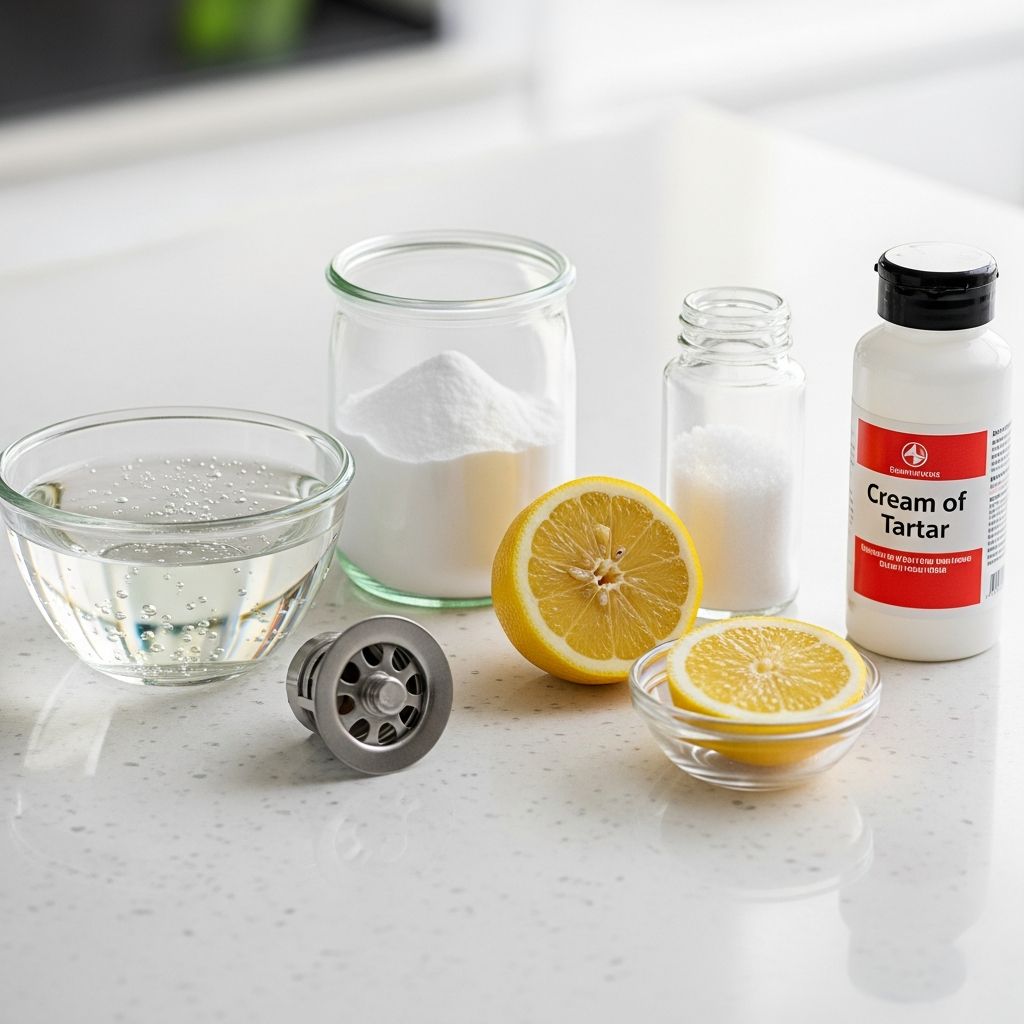
Clogged drains are one of the most common household plumbing problems, and many homeowners instinctively reach for commercial drain cleaners to solve the issue. However, these chemical-laden products come with significant drawbacks. They contain harsh ingredients that can corrode your plumbing pipes over time, damage septic systems, and pose serious environmental and health risks. When these chemicals enter water systems, they can kill beneficial bacteria and harm aquatic life. The good news? You likely already have everything you need in your kitchen to create effective drain cleaners right at home.
Making your own drain cleaners using common household ingredients offers multiple advantages. Not only are homemade solutions significantly more affordable than store-bought alternatives, but they’re also safer for your family, gentler on your plumbing system, and environmentally responsible. Whether you’re dealing with a slow-draining sink, a clogged bathtub, or a foul-smelling drain, these DIY recipes provide powerful solutions without the harsh chemicals.
Why Choose Homemade Drain Cleaners Over Chemical Alternatives?
Understanding why homemade drain cleaners are superior begins with recognizing the problems with commercial products. While chemical drain cleaners effectively dissolve blockages, they do so through highly caustic reactions that can damage your plumbing infrastructure. Many contain sodium hydroxide or sulfuric acid—ingredients so powerful they require careful handling and protective equipment. These same ingredients that break down clogs can also gradually eat away at older pipes, leading to leaks and costly repairs down the line.
Beyond plumbing concerns, chemical drain cleaners pose health risks to your household. Accidental ingestion can cause severe burns, and fumes can irritate respiratory systems. For families with children and pets, the risks are even more pronounced. Environmental impact is another critical consideration—these chemicals don’t simply disappear after use. They enter water treatment systems and eventually natural water bodies, where they disrupt ecosystems and contaminate drinking water supplies.
Homemade drain cleaners eliminate these concerns entirely. The ingredients are safe, non-toxic, and biodegradable. They work through natural chemical reactions that are effective yet gentle, protecting both your plumbing and the environment.
The 5 Best Homemade Drain Cleaner Recipes
1. Boiling Water and Dish Soap
Sometimes the simplest solution is the most effective. The boiling water and dish soap method is perfect for minor clogs caused by soap scum, grease buildup, and other organic debris. This approach requires no special ingredients—just items already in your kitchen.
How to use it: Boil a kettle of water and carefully pour it directly down the clogged drain. Immediately follow this with a generous squeeze of liquid dish soap. The hot water softens and dislodges blockages while the soap’s surfactant properties break down grease and organic matter. Wait at least one hour to allow the soap to work through the clog. After waiting, pour another pot of boiling water down the drain to flush away the dissolved debris. Finally, run hot tap water until all suds have dissipated.
This method is particularly effective for kitchen sink drains where grease accumulation is common. It’s also the gentlest option for older plumbing systems and works wonderfully as a preventative maintenance technique.
2. Baking Soda and Vinegar
The baking soda and vinegar combination is perhaps the most popular homemade drain cleaner, and for good reason—it’s incredibly effective at breaking down various types of clogs. The chemical reaction between these two common household items creates fizzing action that dislodges stubborn blockages and eliminates odors simultaneously.
How to use it: Start by running hot water down the affected drain for several minutes to loosen any trapped debris and warm the pipes. Pour approximately one-third to one-half cup of baking soda directly into the drain opening. Next, pour an equal amount of white vinegar down the drain on top of the baking soda. The mixture will immediately begin to fizz and bubble—this vigorous reaction is what breaks down the clog. Allow the mixture to work for at least 15-30 minutes. For stubborn clogs, you can cover the drain opening to keep the fizzing action concentrated. Finally, flush the drain with a kettle of hot water.
If you don’t have white vinegar on hand, lemon juice works equally well as it contains similar acidic properties and reacts identically with baking soda. This method is safe, non-toxic, and also helps eliminate foul drain odors.
3. Baking Soda, Salt, and Cream of Tartar
This lesser-known but highly effective formula combines three pantry staples into a powerful drain-cleaning paste. Cream of tartar, an acidic byproduct of winemaking, adds extra cleaning power when combined with baking soda and salt.
Ingredients:
- 1/4 cup of baking soda
- 1/4 cup of table salt
- 1 tablespoon of cream of tartar
How to use it: Mix all three ingredients together in a small bowl to create a uniform powder. Pour this mixture directly into the clogged drain, then let it sit undisturbed for 30 minutes. The combination works to break down mineral deposits, grease, and organic matter. After 30 minutes have elapsed, slowly pour a full pot of boiling water down the drain. The hot water activates the chemical reaction and flushes away the dissolved clog. If the drain remains slow-draining, repeat the process as needed.
This formula is particularly effective for drains with mineral buildup or in areas with hard water, as the cream of tartar specifically targets mineral deposits.
4. Salt, Borax, and Vinegar Paste
Among the most powerful homemade drain cleaners, the salt, borax, and vinegar combination creates a paste with remarkable cleaning capabilities. Borax is a naturally occurring mineral that’s been used for cleaning purposes for decades.
Ingredients:
- 1/2 cup of borax
- 1/2 cup of salt
- 1 cup of white vinegar
How to use it: Combine all three ingredients in a bowl and stir thoroughly until a thick paste forms. Pour this paste directly into the slow or clogged drain. Cover the drain opening with a rag or drain stopper to contain the mixture and prevent it from splashing back up. Allow the paste to work for 30 minutes—during this time, the chemical reaction between the borax, salt, and vinegar breaks down stubborn blockages and mineral deposits. After 30 minutes, remove the drain cover and carefully pour boiling water down the drain. The hot water flushes away the dissolved debris and any remaining paste residue. If the drain is still slow, repeat the process.
Important safety note: While borax is generally considered non-toxic and safe when used as directed, it should be kept away from children and pets who might accidentally ingest it. Always wash your hands after handling borax.
5. Enzymatic Drain Cleaner
For a gentler, completely natural approach, an enzymatic drain cleaner works by using natural enzymes to break down organic matter. While this method takes longer than others, it’s excellent for maintenance and preventing future clogs.
How to use it: Pour 1/2 cup of baking soda down the drain, followed by 2 cups of boiling water. Let this sit overnight. The enzymes naturally present in the baking soda begin breaking down organic buildup. This method works best when used weekly as a preventative measure rather than for severe clogs.
Additional Drain Maintenance and Prevention Strategies
Beyond using homemade drain cleaners when clogs occur, several preventative measures can significantly reduce the likelihood of future drainage problems:
Monthly Hot Water Flush: Pour boiling water down each drain in your home once monthly. This simple practice encourages trapped debris to move along the pipes and keeps grease liquified and moving. It’s the easiest preventative measure you can implement.
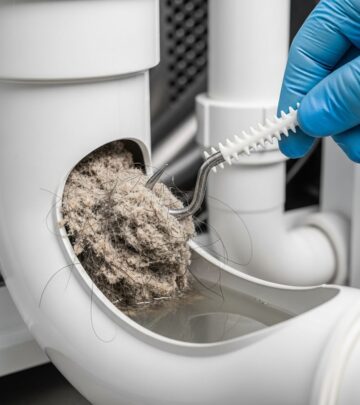
Drain Traps and Screens: Installing drain covers or traps prevents food particles, hair, and other materials from entering your drainage system in the first place. These inexpensive devices are among the most effective preventative tools available.
Drain Snake: For more stubborn clogs, a drain snake (also called a plumbing auger) is an invaluable tool. Simply push it down the blocked drain and pull it out to catch accumulated debris. Unlike chemical cleaners, a drain snake physically removes the blockage without harsh chemicals.
Baking Soda for Odor Control: Beyond drain cleaning, baking soda is excellent for eliminating foul drain odors. Pour one cup of baking soda down a smelly drain and let it sit overnight. The baking soda absorbs odors naturally.
Wire Coat Hanger Retrieval: If you accidentally drop jewelry or small objects down a drain, straighten a wire coat hanger to create a hook and carefully retrieve the item. This low-tech solution prevents the need for professional plumbing services.
When to Call a Professional Plumber
While homemade drain cleaners solve most common household clogs, some situations require professional intervention. If you’ve tried multiple homemade recipes without success, the problem may be deeper in your plumbing system or involve a broken pipe. Recurring clogs in the same drain, sewage backups, or multiple drains clogging simultaneously indicate more serious issues that need professional diagnosis and repair.
Professional plumbers have advanced equipment like video inspection cameras and high-pressure water jets that can address problems beyond the reach of DIY solutions. When in doubt, calling a professional plumber is the safest choice for your home’s plumbing infrastructure.
Frequently Asked Questions (FAQs)
Q: Are homemade drain cleaners safe for all types of pipes?
A: Yes, homemade drain cleaners are generally safe for all pipe materials including PVC, copper, and cast iron. Unlike chemical cleaners, they don’t corrode pipes. However, for very old or delicate plumbing systems, the boiling water and dish soap method is the gentlest option.
Q: Can I use homemade drain cleaners in my septic system?
A: Absolutely. Homemade drain cleaners are actually beneficial for septic systems because they don’t kill the beneficial bacteria that septic systems rely on. Chemical drain cleaners can seriously damage septic systems by destroying these essential microorganisms.
Q: How often should I use drain maintenance treatments?
A: For preventative maintenance, perform a monthly hot water flush of all drains. Use more intensive recipes like baking soda and vinegar quarterly or as needed when you notice slow drainage.
Q: Why does the baking soda and vinegar mixture fizz so much?
A: The fizzing reaction occurs because baking soda (a base) and vinegar (an acid) undergo a chemical reaction that produces carbon dioxide gas. This fizzing action is what helps dislodge blockages and is completely safe.
Q: Is it safe to use bleach with these homemade cleaners?
A: No, bleach should never be mixed with these homemade solutions, especially vinegar-based ones. Mixing bleach with acids can produce toxic chlorine gas. Additionally, bleach can damage certain pipe materials and finishes on bathroom fixtures.
Q: Can homemade drain cleaners help with drain odors?
A: Yes, particularly the baking soda and vinegar method, which naturally eliminates odors while cleaning. Baking soda alone is also excellent for absorbing foul drain smells.
References
- Chemical Drain Cleaners: Safety and Environmental Impact — U.S. Environmental Protection Agency. 2024. https://www.epa.gov/safepesticide/understanding-household-drain-cleaners
- Baking Soda and Vinegar as Natural Cleaning Agents — Today’s Homeowner Television. October 14, 2024. https://todayshomeowner.com/
- DIY Drain Cleaner Recipes and Plumbing Maintenance — Grasshopper Heating & Cooling. 2024. https://gograsshopper.com/blog/4-homemade-drain-cleaner-recipes/
Similar Articles


Read full bio of Sneha Tete