Rose Attar: Step-By-Step Guide To Make At Home
Learn the art of creating luxurious rose attar using simple methods and fresh petals.
Understanding Rose Attar: The Essence of Natural Fragrance
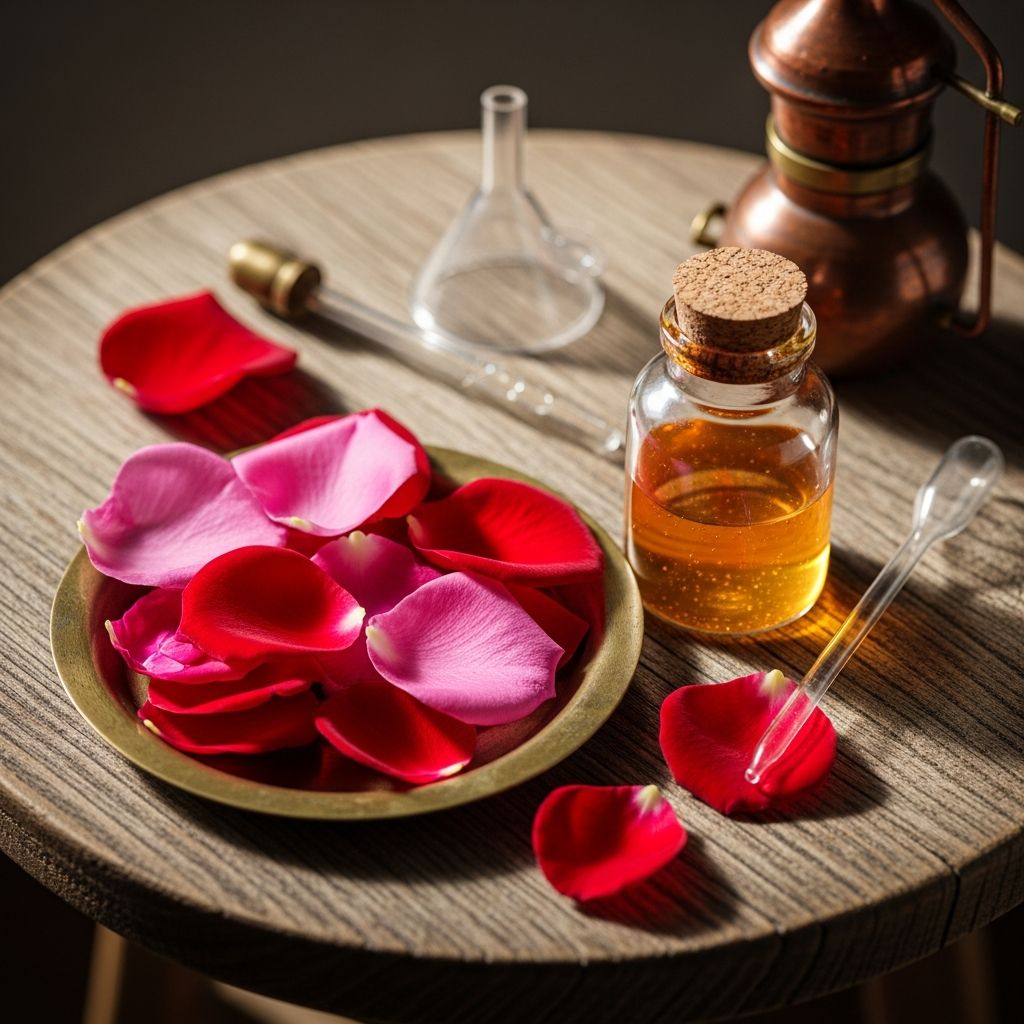
Rose attar represents one of the most prized and sophisticated expressions of natural fragrance craftsmanship. Unlike conventional perfumes that rely on synthetic compounds and alcohol bases, true attar is a concentrated essential oil extracted directly from flower petals, making it a pure and unadulterated olfactory experience. The creation of authentic rose attar requires patience, attention to detail, and an appreciation for traditional methods that have been refined over centuries.
The fundamental characteristic that distinguishes attar from other fragrance products is its composition. Attar contains no alcohol whatsoever, instead featuring a dense oil foundation that carries the aromatic compounds extracted from roses. This alcohol-free nature makes attar particularly valuable for individuals seeking a more intimate and lasting fragrance experience. The intensity of rose attar stems from the sheer volume of botanical material required to produce even modest quantities of finished product.
The Economics and Value of Rose Attar Production
One cannot discuss rose attar without acknowledging the significant investment required to produce this luxury item. The production ratio is staggeringly high, with some traditional methods requiring over one thousand kilograms of rose petals to yield merely six to eight milliliters of finished attar. This extraordinary ratio explains why authentic rose attar commands premium prices in the fragrance marketplace. Higher quality formulations can retail for substantial sums, reflecting both the raw materials consumed and the labor-intensive processes involved.
Understanding this economic reality helps contextualize why making attar at home becomes an attractive proposition for fragrance enthusiasts. While professional-grade attar production demands industrial-scale equipment and decades of expertise, small-batch home production allows for creating personalized fragrances at a fraction of commercial costs. Even recognizing the significant quantity of petals required, home producers can experiment with manageable amounts using garden roses or purchased flowers.
Preparing Your Materials: Selecting and Harvesting Roses
The foundation of exceptional homemade rose attar begins with thoughtful selection and proper handling of rose petals. The timing of harvest directly impacts the fragrance intensity and quality of your finished product. Optimal harvesting occurs early in the morning, after morning dew has evaporated but before afternoon heat diminishes the volatile aromatic compounds within the flowers. At this precise timing window, the concentration of fragrant oils reaches its maximum potential.
When selecting which roses to harvest, focus on flowers that are transitioning from closed buds to partially opened blooms. Flowers in this developmental stage contain the most concentrated fragrance, while fully bloomed roses have begun losing their aromatic intensity. Avoid harvesting from flowers that appear wilted, discolored, or damaged, as these petals will contribute diminished scent to your final product.
Once harvested, handle petals with care to preserve their delicate structure and fragrant compounds. Gently remove petals from the flower head, taking care not to crush or bruise them unnecessarily during initial separation. Spread petals in a single layer between clean cotton sheets or food-grade paper to allow air circulation and prevent moisture accumulation. This temporary storage protects petals until you begin the infusion process.
Selecting Carrier Oils: The Foundation of Your Attar
The choice of carrier oil fundamentally influences the final fragrance profile of your homemade rose attar. The carrier oil serves as the medium through which rose fragrance compounds dissolve and blend, ultimately determining how the scent develops and performs on the skin.
Olive oil stands as the most economical and readily available carrier option. Its neutral profile allows rose fragrance to take center stage without competing aromatic notes. Olive oil’s proven track record in fragrance production makes it an excellent choice for beginners experimenting with attar creation. The slightly heavier viscosity of olive oil helps extend the longevity of fragrance when applied to skin.
Sweet almond oil offers a more refined alternative to olive oil, though at increased cost. Beyond its carrier function, sweet almond oil contributes its own subtle, pleasant aromatic character that complements rose fragrances beautifully. This oil imparts a slightly sweeter dimension to the finished attar, creating a more complex and sophisticated scent profile. Those seeking a more luxurious finished product should consider incorporating almond oil despite its premium pricing.
Sandalwood oil represents the apex of carrier oil choices for professional-quality attar production. This precious oil brings its own distinctive woody and warm aromatic notes while serving as an excellent medium for floral fragrance compounds. The combination of rose and sandalwood creates a classic fragrance pairing with historical precedent in traditional attar-making regions.
The Infusion Process: Creating Fragrant Extraction
The core technique for homemade rose attar creation involves a straightforward infusion methodology that you can execute in your kitchen using basic equipment. This method relies on maceration—allowing rose petals to steep in carrier oil so that aromatic compounds gradually transfer into the oil medium.
Begin by placing your prepared rose petals into a clean glass container with a tight-fitting lid. Glass containers are essential because they do not interact with oils or fragrant compounds the way plastic or metal containers might. Pour your selected carrier oil over the petals until they are completely submerged. The ratio of petals to oil affects the final fragrance concentration, with more petals producing more intensely scented attar.
Seal the container tightly and position it near a sunny window. Sunlight gently warms the oil and accelerates the infusion process without exposing the delicate compounds to excessive heat. Allow the petals to steep in the oil for a minimum of twenty-four hours, though longer steeping periods produce progressively more fragrant results. During this time, the volatile aromatic compounds from the petals dissolve into the carrier oil.
After the initial steeping period, gently agitate the container by shaking or swirling to encourage continued infusion. This physical movement helps distribute fragrance compounds throughout the oil evenly. You may notice the oil taking on a reddish or pinkish hue as pigments and aromatic compounds transfer from the petals into the carrier medium.
The Layering Technique: Intensifying Fragrance Through Repetition
Creating truly potent rose attar requires employing a layering strategy where you progressively reinforce fragrance concentration by cycling fresh petals through the same oil base. This technique allows home producers to achieve fragrance intensity comparable to commercial products without requiring impractically large quantities of petals processed simultaneously.
After your initial twenty-four-hour infusion period, strain the oil through double-layered cheesecloth or a fine coffee filter, capturing the fragrant oil while removing spent petals. Do not discard this infused oil—it now serves as the foundation for subsequent infusion cycles.
Harvest or obtain fresh rose petals and repeat the steeping process using the same oil. The previously infused oil, now enriched with fragrance compounds, will extract additional aromatic material from the new petals even more efficiently than it did during the first cycle. Continue this process for three consecutive days or until the fragrance reaches your desired intensity level. Each cycle incrementally strengthens the attar’s aromatic profile.
This layering approach offers practical advantages beyond simply improving scent strength. By processing smaller quantities of petals over multiple days, you reduce the storage burden and allow for quality assessment at each stage. You can halt the process when fragrance intensity satisfies your preferences rather than committing to a fixed timeline that might produce over-extraction.
Storage and Preservation: Maintaining Your Creation
Proper storage directly determines how long your homemade rose attar maintains its fragrant qualities and prevents degradation. Transfer your finished attar into dark glass bottles with tight-sealing caps, avoiding clear glass containers that expose the product to light exposure. Amber or cobalt blue glass bottles provide superior protection by filtering out the light wavelengths most damaging to fragile aromatic compounds.
Store your attar in a cool, dark location away from direct sunlight, heat sources, and temperature fluctuations. A dedicated shelf in a closet, pantry, or bedroom dresser provides an ideal storage environment. Avoid storing attar in kitchens near cooking areas, bathrooms with temperature and humidity variations, or window sills despite the appeal of sunlight-filled spaces. Consistent cool temperatures preserve fragrance compounds longer than fluctuating conditions.
Unlike commercial perfumes containing preservatives, homemade attar lacks chemical stabilizers, making proper storage even more critical. When stored appropriately, homemade rose attar typically maintains quality for six months to one year, though some reports suggest that attar may actually improve with age, similar to fine wines developing greater complexity and refinement as aromatic compounds mature.
Applications and Uses for Your Homemade Attar
Your finished rose attar offers versatility far beyond simple personal fragrance. The concentrated nature of attar makes it suitable for multiple applications, each delivering distinct benefits and aesthetic results.
As a personal fragrance, apply attar directly to pulse points including wrists, inner elbows, behind ears, and the base of the throat. The warmth of these areas enhances fragrance diffusion, creating an intimate scent envelope that intensifies as your body temperature rises. Unlike alcohol-based perfumes, attar’s oil base allows for longer wear and deeper skin absorption, producing fragrances that evolve throughout the day as they interact with your skin’s natural oils.
Rose attar enriches various craft projects including homemade potpourri, dried flower arrangements, and decorative sachets. Add a few drops of attar to dried botanicals to revive their fragrance or enhance existing aromatic profiles. Sachets filled with rose-scented materials provide gentle fragrance for closets, drawers, and living spaces without the chemical intensity of commercial air fresheners.
Consider creating custom perfume blends by combining your rose attar with complementary fragrances. Diluting attar with additional carrier oils produces lighter fragrance intensities suitable for those preferring subtle scent, while combining multiple attars creates sophisticated blended fragrances reflecting personal taste.
Exploring Variations and Advanced Techniques
Once comfortable with basic rose attar production, experimenting with variations expands creative possibilities. Different rose varieties produce subtly different fragrance profiles—damask roses offer rich complexity, while hybrid roses provide lighter, brighter character. Sourcing petals from different growers or regions introduces variables that create unique personal expressions.
Combining rose attar with complementary floral essences produces sophisticated blended compositions. Jasmine, lavender, or violet essences mixed with rose attar create classical fragrance harmonies known for generations. Begin with small experimental batches before committing significant materials to novel formulations.
Extended maceration periods beyond the standard three-day cycle produce exceptionally potent attars, though with diminishing returns. Some traditionalists employ months-long infusions, allowing subtle flavor development similar to aging spirits or fermented products. Patience and experimentation reveal optimal timelines for your personal preferences and intended applications.
Frequently Asked Questions
Q: How many rose petals do I need to start making attar at home?
A: You can begin with modest quantities—even one cup of fresh petals produces usable attar when properly infused. While commercial production requires enormous quantities, home batches successfully work with manageable volumes harvested from garden flowers or purchased blooms.
Q: Can I use dried rose petals instead of fresh ones?
A: Fresh petals produce superior results because they contain higher concentrations of volatile aromatic compounds. Dried petals have already lost significant fragrance intensity during the drying process, though they can supplement fresh petals in extended infusion cycles.
Q: What should I do if my attar smells too weak after three days?
A: Continue the layering process with additional fresh petals for two to three more days. Each cycle progressively intensifies fragrance until reaching your desired strength. Patience and repetition are more effective than rushing through single infusion periods.
Q: Is homemade rose attar safe to use on sensitive skin?
A: Since homemade attar contains only natural ingredients without synthetic additives or preservatives, it is generally gentler than commercial fragrances. However, all fragrance products can irritate sensitive skin in some individuals. Test small amounts on inconspicuous areas before regular application.
Q: Can children use homemade rose attar?
A: Homemade rose attar prepared with natural ingredients proves safe for children above twelve years old. Younger children should avoid direct skin application but can enjoy the fragrance diffused through sachets or room sprays.
Q: How long does homemade rose attar last once finished?
A: When properly stored in dark glass bottles in cool, dark conditions, homemade rose attar maintains quality for six months to one year. Many enthusiasts report that attar actually improves with age, developing greater depth and refinement as aromatic compounds mature.
References
- How to Make Attar of Roses — GiftExo. Accessed January 16, 2026. https://giftexo.com/how-to-make-attar-of-roses/
- Attar Perfume: The Full Guide — Maison Anthony Marmin. Accessed January 16, 2026. https://anthonymarmin.com/the-perfume-blog/attar-perfume
- How is the famous attar of Kannauj made? — The Hindu. October 24, 2023. https://www.youtube.com/watch?v=jyawI34RQhU
Similar Articles


Read full bio of Sneha Tete