The Homeowner’s Guide to Choosing Trim Paint Like a Pro
Everything you need to know to pick the perfect paint for doors, baseboards, and molding.
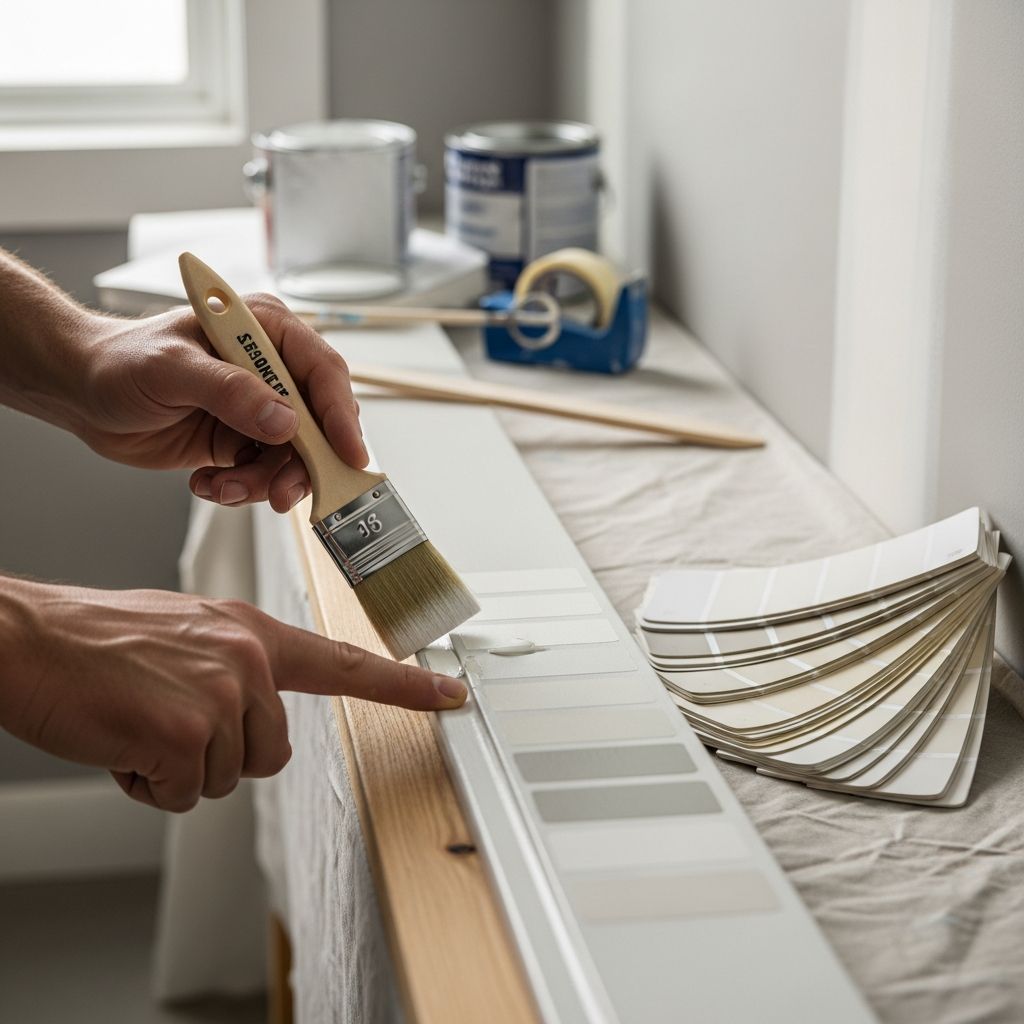
Trim may take up a small portion of your wall space, but it has an outsized impact on how finished and polished a room looks. Crisp, well-painted trim frames your walls, floors, and doors, making colors look richer and architectural details more intentional. Choosing the right trim paint is the difference between a space that feels newly renovated and one that still looks tired, even after fresh wall color.
This guide walks through everything you need to know to select trim paint that looks great, cleans up easily, and holds up to everyday abuse—from kids and pets to chair scuffs and vacuum bumps. You will learn how to pick the right type of paint, choose the best sheen, select flattering colors, and apply trim paint for a smooth, durable finish.
Why Trim Paint Matters More Than You Think
Trim is a high-contact surface. Door casings get grabbed, baseboards get kicked, and window trim collects dust and condensation. That means trim paint must be tougher and more washable than typical wall paint. While walls can often get by with a more forgiving, lower-sheen finish, trim benefits from a smoother, harder film that resists dents, stains, and frequent cleaning.
Because trim runs throughout a home—tying together doors, windows, and floors—it also plays a major visual role. A well-chosen trim color and sheen can unify different wall colors, highlight architectural features, and even make ceilings feel higher or rooms feel brighter. Thinking of trim paint as a design element, not an afterthought, leads to far better results.
Know Your Trim: Where and What You’re Painting
Before you choose paint, take inventory of what you will be coating. Different trim locations and materials benefit from different products. Start by listing the main trim surfaces in your project.
- Baseboards: High-traffic, repeatedly bumped by vacuums, toys, and shoes.
- Door and window casings: Frequently touched and prone to smudges near handles and locks.
- Doors: Large surface area, highly visible, often subject to more noticeable brush marks.
- Crown molding: Less contact, but important visually because it frames the ceiling.
- Built-ins and cabinetry: Heavily used and touched; benefit from extra-tough finishes.
Also note the material: wood, MDF, PVC, or metal may each have different priming requirements. This quick audit will help you decide how durable, washable, and specialized your trim paint needs to be.
Choosing the Right Type of Trim Paint
Modern trim paints fall into three broad categories: traditional oil-based, water-based (often called latex or acrylic), and hybrid formulas that combine properties of both. Each has trade-offs in durability, ease of use, and environmental impact.
Water-Based (Latex/Acrylic) Trim Paint
Water-based trim paints have become the go-to choice for most interior projects. They dry quickly, have relatively low odor, and clean up with soap and water. Newer premium formulas create a harder, smoother finish than older versions, shrinking the performance gap between water-based and oil-based products.
- Best for general interior trim where convenience and low odor matter.
- Ideal for DIYers who want an easier learning curve and faster project turnaround.
Oil-Based Trim Paint
Oil-based paints level extremely well, meaning brush strokes settle out to a smooth finish. They also cure to a very hard film that resists dings and heavy wear. However, they take much longer to dry, have strong fumes, and require mineral spirits for cleanup. Many regions have restricted their use due to environmental regulations.
- Best for high-abuse trim in older homes where an ultra-smooth, traditional enamel finish is desired.
- Better suited to experienced painters comfortable with longer open times and more complex cleanup.
Hybrid (Acrylic-Alkyd) Trim Paint
Hybrid paints attempt to blend the advantages of oil and water-based products. They are usually waterborne, so they clean up with water, but contain modified resins that help them level like oil and cure to a harder finish. These products often strike the best balance between durability and user-friendliness.
- Excellent for doors, baseboards, and built-ins that need a tough, smooth, professional-looking finish.
- Worth the extra cost when you want long-term durability without the hassle of traditional oil-based products.
Understanding Sheen: Satin, Semi-Gloss, and Gloss
The sheen, or level of shine, affects both appearance and practicality. Higher sheens are generally more durable and wipeable but also highlight surface flaws. Lower sheens hide imperfections but may not resist repeated scrubbing as well.
| Sheen | Look | Durability | Typical Uses |
|---|---|---|---|
| Satin | Soft, low glow with minimal shine | Good; more washable than eggshell | Casual spaces, older trim with flaws, low-traffic rooms |
| Semi-gloss | Noticeable sheen without mirror-like reflection | Very good; highly washable and moisture resistant | Most interior trim, bathrooms, kitchens, kids’ rooms |
| Gloss | High shine and strong reflections | Excellent; extremely tough and stain resistant | Front doors, accent trim, modern high-impact details |
For most homes, semi-gloss hits the sweet spot. It cleans easily, stands up to daily wear, and gives trim just enough visual presence to frame the walls without feeling overly shiny. Satin works well when you want a softer, less formal look or need to disguise dings and uneven surfaces. Gloss is best used selectively, such as on a statement front door or a contemporary feature wall with bold trim.
Picking a Trim Color Strategy That Works
Once you know your paint type and sheen, the next big decision is color. Trim color can either quietly support your wall colors or become a focal point of its own. Instead of defaulting to “some white,” think about how you want the space to feel and how much contrast you like.
Classic White and Off-White Trim
White trim remains popular because it works with almost any wall color and makes spaces feel clean and bright. Off-whites—slightly warm or cool versions of white—are often even more forgiving. They soften the transition from wall to trim, hide dust better than stark white, and pair beautifully with both traditional and modern styles.
- Choose a warm white (with subtle cream or beige undertones) to complement warm wall colors like taupe, greige, and warm grays.
- Choose a cooler white (with faint gray or blue undertones) to match crisp cool grays, blues, and contemporary palettes.
Color-Matched Trim for a Modern Look
Painting trim the same color as the walls, often in a higher sheen, creates a seamless, modern look. This approach can make a room feel calm and expansive because there are fewer abrupt color breaks. It also works well in small spaces, where contrast between wall and trim can chop up already limited square footage.
If you go this route, consider using an eggshell or matte finish on the walls and a satin or semi-gloss version of the same color on the trim and doors. The subtle change in sheen gives just enough definition without introducing a different color.
Contrasting and Dark Trim
Dark trim—charcoal, navy, even black—adds drama and frames views the way a picture frame sets off artwork. It works especially well with light walls, where the contrast feels intentional and architectural. Dark trim can also hide minor scuffs better than bright white, particularly in busy entryways and stairwells.
- Use dark trim to highlight interesting window shapes, paneled doors, or historic moldings.
- Balance dark trim with lighter furnishings and textiles so the room does not feel heavy.
Special Considerations for Exterior Trim Paint
Exterior trim faces harsher conditions than interior trim: UV exposure, temperature swings, moisture, and in many climates, wind-driven debris. That means exterior trim paint must be formulated for outdoor use, with resins and pigments designed to resist fading, peeling, and cracking.
- Always choose a paint specifically labeled for exterior applications.
- For very dark colors in hot, sunny climates, look for products marketed as heat-reflective or designed for vinyl and engineered trim to minimize warping.
- Consider a satin or semi-gloss sheen for most exterior trim so dirt wipes off more easily and water beads up instead of soaking in.
Surface Prep: The Foundation of a Professional Finish
Even the best trim paint will look disappointing if the surface is dirty, glossy, or rough. Good preparation is the most important step for a long-lasting, attractive finish. Plan to spend at least as much time on prep as on actual painting, especially if you are dealing with old, chipped, or glossy paint.
Basic Prep Steps for Interior Trim
- Clean: Wash trim with a degreasing cleaner or a mild detergent to remove fingerprints, oils, and dust.
- Fill and sand: Patch nail holes and dents with a quality wood filler or spackle, then sand smooth once dry.
- De-gloss: Lightly sand glossy finishes so the new paint can grip; a sanding sponge works well around profiles.
- Caulk: Apply paintable caulk to gaps between trim and walls for a cleaner, more finished look.
- Prime: Use a bonding or stain-blocking primer on bare wood, patched areas, or previously stained and varnished trim.
Skipping primer can lead to uneven sheen, blotchy spots, and poor adhesion. A dedicated trim and door primer is often worth the investment because it sands smoothly and provides a uniform base for your topcoat.
Application Techniques for Smooth, Durable Trim
Once surfaces are prepped, technique makes the difference between a streaky, brush-marked job and a finish that looks factory-applied. Good tools and a methodical approach go a long way toward success.
Tools That Make Trim Painting Easier
- Angled sash brush (2–2.5 inch): Offers control along edges and profiles.
- High-quality synthetic bristles: Ideal for water-based and hybrid paints; natural bristle for traditional oil-based products.
- Small foam roller: Useful on flat sections of doors and casings to minimize brush marks.
- Painter’s tape: Protects adjacent surfaces while you get clean lines, especially on floors and freshly painted walls.
Step-by-Step Trim Painting Process
- Cut in edges: Load your brush moderately, then run it along edges where trim meets walls or floors, keeping a steady hand.
- Feather out strokes: After placing the paint, lightly drag the brush along the length of the trim to even out thickness and remove heavy lines.
- Work in small sections: Paint short runs of trim at a time and maintain a wet edge so you do not get lap marks.
- Apply thin coats: Two or three thin coats are better than one thick coat, which can sag or stay tacky longer.
- Respect dry times: Allow each coat to dry fully before sanding lightly and applying the next.
Lightly sanding between coats with a fine-grit sanding pad and wiping away dust helps remove minor dust nibs and brush marks, leaving a smoother final surface.
Common Trim Painting Mistakes to Avoid
Many trim painting disasters come down to avoidable errors. Knowing what to watch for can save you time, money, and frustration.
- Skipping prep: Painting over glossy or dirty trim often leads to peeling and poor coverage.
- Choosing wall paint for trim: Regular wall formulas are usually too soft for high-contact surfaces.
- Using ultra-flat finishes: Low-sheen paints on trim mark easily and do not clean well.
- Ignoring color undertones: A cool white trim next to warm beige walls can look slightly “off” or dirty by comparison.
- Rushing recoat times: Applying the next coat too soon can cause dragging, texture issues, and longer cure times.
Simple Trim Paint Selection Checklist
When you stand in the paint aisle or browse online, use this short checklist to narrow down your options quickly and confidently.
- Interior or exterior?
- What surfaces: baseboards, doors, windows, or built-ins?
- Preferred type: water-based, hybrid, or oil-based where allowed?
- Sheen: satin for softer, semi-gloss for most, gloss for accents?
- Color strategy: classic white, tone-on-tone with walls, or high contrast?
- Need specialty properties: low-VOC, stain-blocking primer, or heat-reflective exterior formula?
FAQs About Trim Paint
Should my trim color match the walls?
It does not have to, but it can. Matching trim and wall color creates a seamless, modern look, especially in small rooms or minimalist spaces. Using a higher sheen on the trim than on the walls adds subtle definition even when the color is the same.
Is semi-gloss always the best choice for trim?
Semi-gloss is a reliable default because it balances durability, washability, and appearance. However, satin can be a better pick for older or imperfect trim, where a slightly lower sheen helps disguise dents and unevenness while still being more durable than wall finishes.
Can I just paint over old oil-based trim with water-based paint?
You can, but only with proper prep. Clean thoroughly, scuff sand the old finish, and use a quality bonding primer designed to bridge oil to water-based topcoats. Skipping these steps may lead to peeling or poor adhesion.
How many coats of trim paint do I need?
Most projects need at least two coats of trim paint over a properly primed surface. Dark colors, significant color changes, or very high-contrast situations (such as dark wood to white) may require a third coat for even coverage.
How long should I wait before closing doors or placing furniture against trim?
Trim paint may feel dry to the touch within a few hours, but it can take days or even weeks to fully cure. To avoid sticking or marring the finish, follow the manufacturer’s recommendations and give freshly painted doors and trim extra time before heavy use or contact.
Final Thoughts
Choosing trim paint is not just a technical decision; it is a design choice that shapes how every room in your home feels. By pairing the right type of paint with a sensible sheen, a thoughtful color, and careful preparation, you can turn ordinary baseboards, doors, and moldings into clean, durable details that elevate your entire space. A little extra planning at the paint selection stage pays off in a finish that looks fresh and holds up beautifully for years.
Similar Articles








Read full bio of Sneha Tete