A Homeowner’s Guide to Lifting Stains from Wood Safely and Effectively
Practical techniques to erase stains and revive your wood surfaces without ruining the finish.
How to Remove Stains from Wood Without Ruining the Finish
Stains on wood surfaces are almost inevitable in a busy home, but most can be removed or greatly reduced with the right method and a bit of patience. This guide walks through practical strategies to lift different types of stains from wood while protecting the color, grain and finish you love.
You will learn how to recognize what caused the stain, pick a safe treatment, test it correctly and restore your furniture or floors to a cleaner, more uniform appearance.
Understand Your Wood and Its Finish First
Before reaching for cleaners, it is crucial to know what kind of wood and finish you are dealing with. Solid hardwood, veneer and engineered products all respond differently to moisture, heat and chemicals, and so do finishes such as oil, wax, lacquer and polyurethane.
- Solid wood: Can usually tolerate light sanding and refinishing, but deep water or pet stains may penetrate far into the grain.
- Veneer: Has a thin real-wood layer over a core. Aggressive sanding can easily break through the veneer, so chemical or surface treatments are safer.
- Engineered or laminate: Often has a printed or sealed top layer that should not be heavily sanded; focus on gentle cleaning and stain-lifting methods only.
If you have access to manufacturer information for your floor or furniture, review it before attempting any cleaning or repair. When in doubt, always start with the mildest method on a small, hidden section.
Identify the Type of Stain
Not all stains behave the same way. Some sit on the surface of the finish, while others seep into the wood fibers beneath. The treatment you choose should match the cause of the mark.
| Stain Type | Typical Appearance | Likely Cause | Typical First-Line Treatment |
|---|---|---|---|
| White or cloudy ring | Hazy circle, often cup-shaped | Moisture or heat trapped in finish | Mild heat or friction with a soft cloth; polishing compound |
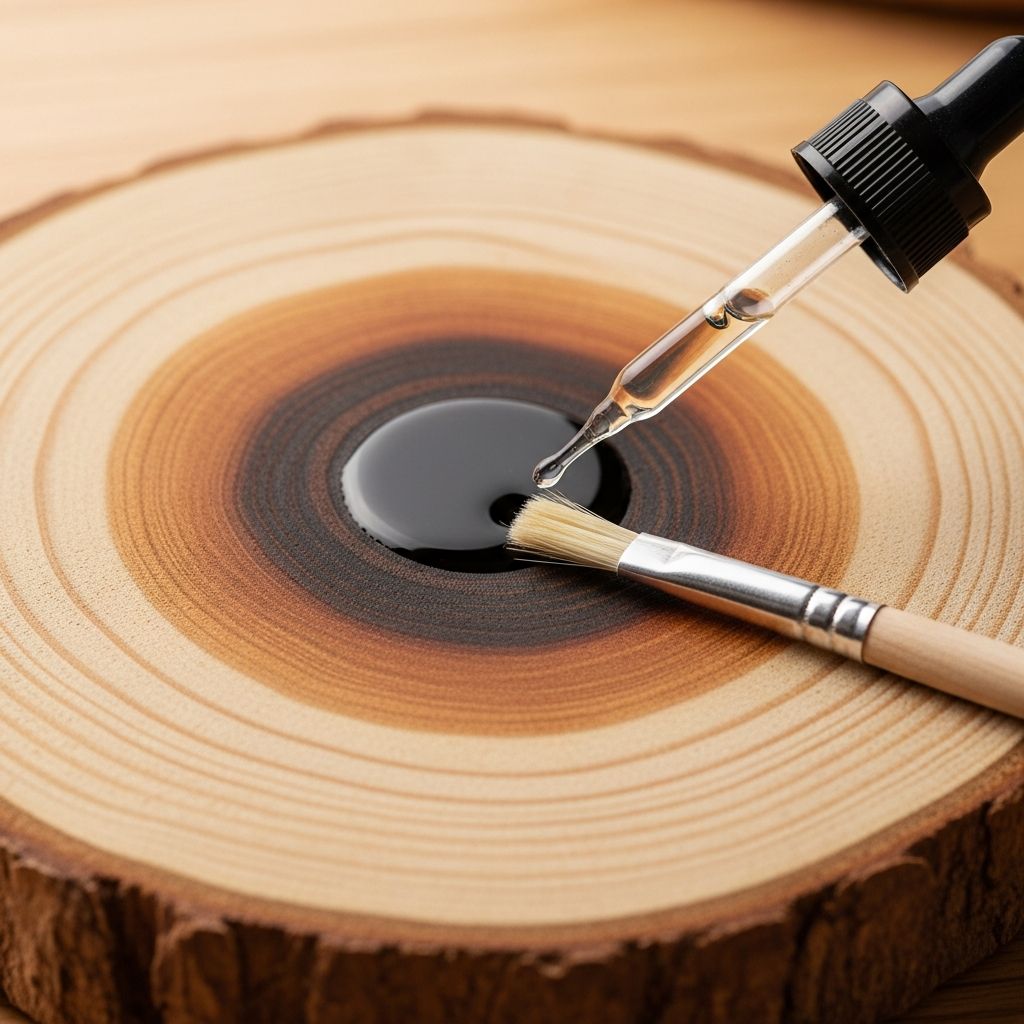
| Dark ring or spot | Brown or black area under finish | Water that penetrated to bare wood | Oxalic acid wood bleach; refinishing if severe |
| Oily halo or smear | Greasy shine or dark patch | Cooking oil, lotion, wax, greasy food | Grease-cutting dish soap; absorbent powders |
| Colored streaks or blotches | Blue, red, black or dark lines | Ink, marker, dye or shoe polish | Alcohol-based cleaner; light abrasion; bleach in stubborn cases |
| Yellowish or dark amorphous patch | Irregular and often smelly | Pet accidents or organic spills | Enzymatic cleaner; light sanding; targeted bleaching |
Matching the stain type to the correct method makes your work faster, safer and more effective, and minimizes the risk of over-treating healthy wood around the problem area.
General Rules Before You Start
Regardless of the stain, a few ground rules will protect your wood and keep the situation from getting worse.
- Always test products in a hidden spot such as the underside of a table or inside a closet.
- Work from weakest to strongest methods, and stop as soon as the stain is acceptably reduced.
- Avoid soaking wood with water; use lightly damp cloths and dry the area thoroughly when finished.
- Provide good ventilation when using solvents or bleaches, and wear gloves and eye protection.
These precautions reduce the chance of lifting the finish, creating new marks or warping boards.
Step-by-Step: Removing Fresh Spills
Fresh spills are the easiest to deal with because they usually have not penetrated the finish. Responding quickly can prevent a simple accident from turning into a permanent blemish.
- Blot, don’t wipe. Press a clean, absorbent cloth or paper towel onto the spill to soak up as much liquid as possible without pushing it across the surface.
- Rinse lightly. If the spill is sticky or oily, use a cloth dampened with warm water and a drop of mild dish soap to wipe the area in the direction of the grain.
- Dry immediately. Follow with a dry cloth, again moving with the grain, until the surface feels completely dry.
- Inspect for dullness. If the finish looks slightly cloudy, a small amount of furniture polish or wax can restore the sheen.
For floors, place a fan in the room so any residual moisture evaporates quickly, especially between boards.
How to Erase White Water Rings and Heat Marks
White rings from damp glasses or hot mugs usually sit in the finish rather than in the wood itself. These are often reversible if treated gently.
Method 1: Heat and Pressure
This method uses low, controlled heat to move trapped moisture out of the finish. It should be done cautiously and only on finished surfaces, not bare wood.
- Place a clean, lint-free cloth or plain cotton towel over the mark.
- Using a warm household iron on its lowest no-steam setting, press lightly for 10–15 seconds.
- Lift the towel and check the spot. If the ring has faded, repeat in short intervals until it is barely visible.
- Finish with a small amount of furniture polish or paste wax to even out the sheen.
If you feel the surface getting tacky or see the finish turning glossy or dull in an odd way, stop immediately—too much heat can soften or imprint the finish.
Method 2: Mild Abrasive Polish
For stubborn white marks, a gentle abrasive such as a non-gel toothpaste or fine polishing compound can help. The goal is to smooth and blend the top layer of finish, not to grind through it.
- Apply a pea-sized amount of non-gel, non-whitening toothpaste or commercial furniture polish to a soft cloth.
- Rub the stained area in small circles with very light pressure.
- Wipe away residue with a damp cloth, then dry thoroughly.
- Apply a wax or oil-based polish to restore luster.
Always keep the abrasive localized on the mark and feather outward as the stain fades so you do not create a noticeable “clean spot.”
Dealing with Dark Water Stains in Wood
Dark stains are more serious, because the moisture has penetrated the finish and oxidized inside the wood fibers. Fixing these often involves working through or removing part of the existing finish.
Assess the Depth of the Damage
Start by checking how deep the stain appears. If it follows the grain and feels completely smooth, it is probably below the finish. If the surface is rough, peeling or flaking, the finish itself has failed and may need a more extensive repair.
- Small dark spots on tabletops and trim can often be treated locally.
- Large, irregular patches on floors may require sanding and refinishing a broader area for a seamless look.
Light Sanding and Oxalic Acid
Oxalic acid, often marketed as wood bleach, is effective at lightening iron and water stains without completely stripping the natural color from the wood. Follow the product’s safety instructions carefully.
- Gently sand the stained area with fine-grit paper (for example, 220-grit) just until the finish is broken but the wood is not deeply scratched.
- Prepare the oxalic acid solution as directed on the packaging.
- Apply it evenly to the stain with a disposable brush, avoiding surrounding areas as much as possible.
- Allow it to dry completely; the stain should gradually lighten as it dries.
- Neutralize and rinse according to the product directions, then let the wood dry fully.
- Lightly sand again if needed, remove all dust and apply a matching stain and protective topcoat.
Patience is essential with dark stains. It is better to perform several light treatments than to over-bleach and create a pale patch that is difficult to blend with the rest of the piece.
Removing Grease, Food and Oil Marks
Oily stains can linger on tabletops, kitchen cabinets and wooden counters, leaving a dark or shiny patch that attracts dust. The key is to break down the grease and draw it out without saturating the wood with water.
Method 1: Dish Soap Degreaser
- Mix a few drops of a grease-cutting dish detergent in warm water.
- Dampen a soft cloth in the solution and wring it out thoroughly so it is barely wet.
- Wipe the stain in the direction of the grain, refreshing the cloth as it picks up residue.
- Rinse with a second cloth lightly dampened with clean water, then dry immediately.
This approach works well for cooking splatter and recent food spills that have not fully soaked into the wood.
Method 2: Absorbent Powders
For deeper or older greasy marks, a drying agent can help pull the oil out of the pores of the wood or finish.
- Sprinkle baking soda, cornstarch or talc over the stain.
- Gently press it into the surface with your fingers or a soft cloth.
- Leave it in place for several hours or overnight so it can absorb the oils.
- Vacuum or brush away the powder and evaluate the result.
If the stain is lighter but still visible, you can repeat the treatment or follow up with a light wash using the dish soap method.
How to Handle Ink, Marker and Dye Stains
Pens, permanent markers and colorful drinks can leave vivid stains that quickly soak into unsealed wood. Fast action makes these much easier to control.
Fresh Ink on a Finished Surface
- Blot gently with a dry cloth to remove excess ink.
- Dampen a cotton ball or cloth with rubbing alcohol or a specialized ink remover.
- Tap the stain lightly, replacing the cotton as it becomes stained, until the mark fades.
- Wipe with a damp cloth and then dry completely.
Avoid scrubbing, which can spread the ink and drive pigment deeper into micro-scratches in the finish.
Set-In Ink on Bare or Lightly Finished Wood
If the pigment has made its way into the wood fibers, you may need a combination of light sanding and targeted bleaching to reduce it.
- Gently sand along the grain with fine-grit paper until most of the surface color is removed.
- Apply a small amount of wood bleach recommended for organic stains, following the label directions.
- Allow it to work, then neutralize and rinse as instructed.
- Once dry, touch up with wood stain or blending markers to match the surrounding area.
On heirloom pieces or valuable antiques, consider consulting a professional restorer before using bleach or aggressive abrasives.
Addressing Pet Stains and Odors in Wood
Pet accidents on wood floors and furniture can cause both discoloration and lingering odors. The acids and organic compounds in urine are particularly damaging if left untreated.
- Blot fresh accidents immediately, then clean with a product designed to break down organic matter, such as an enzymatic cleaner.
- For older stains, gently sand the affected area once it is dry, then use a wood-safe bleaching or deodorizing product as directed.
- If the stain has penetrated between floorboards, you may need to treat the gaps and subfloor as well.
Once the discoloration is under control and the area is completely dry, reseal the wood with an appropriate finish to protect it from future damage.
When Sanding and Refinishing Is the Best Option
Some stains are simply too deep or extensive for spot treatments. Boards that have warped, finishes that are flaking, or large dark patches across a visible area may call for a full refinishing job.
Refinishing typically involves stripping or sanding off the old finish, addressing any remaining discoloration, then applying a new stain and protective topcoat. While this takes more time and equipment, it can make severely damaged wood look nearly new again and gives you the chance to adjust the color or sheen.
Protecting Wood from Future Stains
Once you have invested the effort to remove stains, preventing a repeat is essential. Simple habits and protective products can extend the life of your furniture and floors.
- Use coasters, trivets and placemats under drinks, hot dishes and flower vases.
- Place mats or boot trays near entry doors to catch wet shoes before they reach wood floors.
- Reapply protective finishes or waxes as recommended to keep a robust barrier between spills and the wood fibers.
- Wipe up liquids, especially colored drinks and pet accidents, as soon as you notice them.
Consistent maintenance is the most reliable way to avoid deep stains that require major repairs later.
Frequently Asked Questions
Can all stains be removed from wood?
Not every stain can be erased completely, especially if it has been present for a long time or penetrated deeply into the wood. However, most marks can be significantly lightened or blended so they are much less noticeable, particularly when combined with touch-up stain and a fresh finish.
Will bleach damage the natural color of my wood?
Any bleaching product has the potential to alter the base color of wood, especially if used heavily or unevenly. Using a bleach formulated for wood, following the directions closely and limiting application to the stained zones will help you control the effect and avoid over-lightening sound wood.
Is it safe to use household cleaners on my hardwood floors?
Many general-purpose cleaners are too harsh or too wet for wood floors and can dull the finish over time. It is usually safest to use cleaners specifically labeled for wood or to follow the manufacturer’s recommendations for your particular floor, reserving stronger products only for targeted stain removal.
How do I match the finish after I fix a stain?
After sanding or bleaching, you may need to touch up color with a matching wood stain, blending pencil or tinted wax. Apply in thin layers, compare the shade in natural light and finish with a compatible clear coat or wax so the repaired area has a similar sheen to the surrounding surface.
When should I call a professional?
Professional help is a good idea for large floor areas, expensive antiques, structural damage or stains that persist despite careful attempts with mild methods. A specialist can often save material that might otherwise be replaced and can recommend finishes tailored to your home’s specific traffic, climate and style.
Similar Articles






Read full bio of Sneha Tete