Housekeeping Pitfalls: 15 Cleaning Mistakes That Make Your Home Dirtier
Stop working harder and start cleaning smarter by avoiding these surprisingly common mistakes.
15 House Cleaning Mistakes That Quietly Sabotage Your Home
Many people spend hours scrubbing, wiping, and vacuuming only to feel like their homes never truly look or feel clean. The problem is rarely effort; it is usually technique. Small missteps in how you clean can actually spread dirt, damage surfaces, and waste time.
This guide walks through the most common cleaning mistakes, why they cause trouble, and exactly what to do instead. Adjusting a few habits can make your routine faster, safer, and far more effective.
1. Treating Disinfecting and Cleaning as the Same Thing
One of the biggest misconceptions is that a disinfectant spray alone will handle grime, grease, and germs in a single step. Dirt and organic debris protect microbes from disinfectants, so skipping the basic cleaning step first leaves a lot behind.
For most hard surfaces, the best approach is a simple two-stage process: clean to remove visible soil, then disinfect only where it is truly needed, such as kitchen counters after handling raw meat or high-touch areas like doorknobs and light switches.
- Start with soap and water or an all-purpose cleaner to lift dirt and oils.
- Rinse or wipe away residue thoroughly.
- Apply a disinfectant only on high-risk areas, following the label’s contact time.
2. Spraying Products Directly on Every Surface
Spraying cleaner straight onto furniture, glass, or screens might feel efficient, but it often leads to streaking, buildup, and even surface damage. Excess liquid can seep into cracks, edges, and electronics where it does not belong.
Most of the time, the surface only needs a thin, even layer of product. Applying cleaner to a cloth first gives you much better control.
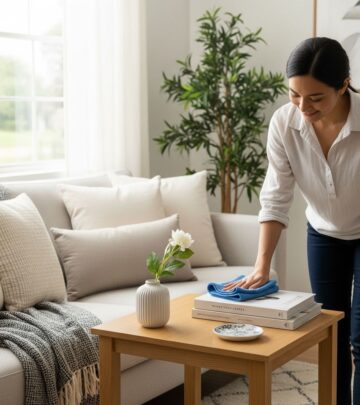
- Spray cleaners onto a microfiber cloth, then wipe the surface.
- Use a second, dry cloth to buff away any leftover moisture.
- Reserve direct spray for tougher grime on nonporous areas like tile or sealed counters.
3. Using Far More Product Than You Need
More cleaner rarely means more clean. Overusing detergents, floor solutions, or polishes often leaves a sticky film that attracts new dirt more quickly, forcing you to clean again sooner.
Manufacturers usually design formulas to work with surprisingly small amounts. Measuring or following dilution directions can save money and reduce residue.
| Area | What You Notice | Likely Cause | Simple Fix |
|---|---|---|---|
| Floors | Dull, cloudy finish after mopping | Too much floor cleaner or not enough rinsing | Use less solution; mop again with plain water |
| Windows and mirrors | Persistent streaks | Heavy spray and not enough buffing | Apply to cloth instead; wipe with a dry microfiber |
| Laundry | Stiff or musty-smelling clothes | Excess detergent trapped in fabrics | Use the smallest recommended dose and a full rinse cycle |
4. Cleaning from the Floor Up Instead of Top Down
Scrubbing floors first and then dusting shelves or ceiling fans guarantees that dust and crumbs will fall onto freshly cleaned surfaces. This is a classic time-waster that makes rooms look dirty again almost immediately.
A top-down method allows gravity to work for you. Anything that falls eventually lands on the floor, which you tackle last.
- Start with high areas: ceiling fans, light fixtures, and the tops of cabinets.
- Move to mid-level surfaces: counters, shelves, handles, and appliances.
- Finish with lower surfaces and floors: baseboards, rugs, and hard flooring.
5. Relying on Paper Towels for Everything
Paper towels are convenient but not always the best cleaning tool. They shed lint, do not grab dust particularly well, and create a lot of waste. On delicate or glossy surfaces, they can even cause minor scratching over time.
Reusable cloths, especially microfiber, hold onto dust and dirt more effectively, reduce streaking, and can be washed hundreds of times.
- Use microfiber cloths for glass, stainless steel, and electronics screens.
- Reserve paper towels for greasy messes or raw meat cleanup that you do not want to launder.
- Color-code cloths (e.g., blue for glass, yellow for kitchen, red for bathroom) to avoid cross-contamination.
6. Ignoring Your Cleaning Tools
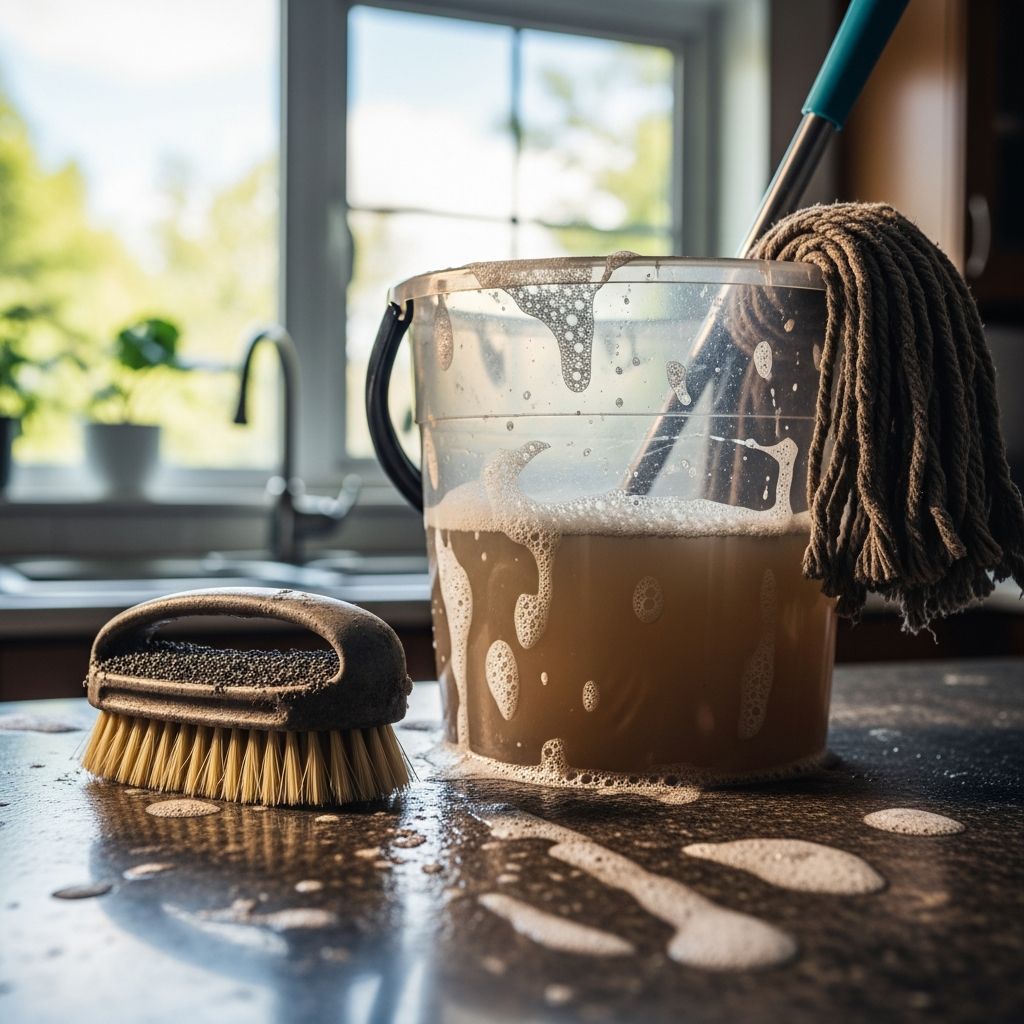
A dirty mop, sponge, or vacuum filter spreads grime instead of removing it. Over time, neglected tools also work less efficiently and may harbor unpleasant odors or bacteria.
Building tool maintenance into your routine keeps them fresh and effective, which improves overall cleanliness without adding much extra work.
- Wash mop heads and cleaning cloths in hot water after heavy use.
- Replace kitchen sponges regularly and allow them to dry completely between uses.
- Empty vacuum canisters and clean or replace filters according to the manufacturer’s instructions.
7. Using the Same Cloth in Every Room
Taking one cloth from the bathroom to the kitchen to the living room may feel efficient, but it can move germs and grime from the dirtiest spaces to the cleanest. Bathrooms and kitchens in particular should have dedicated tools.
Segregating supplies is an easy way to lower the risk of cross-contamination and keep surfaces truly hygienic.
- Assign different colors or labels to cloths for each zone of the house.
- Store bathroom brushes and sponges away from kitchen tools.
- When in doubt, switch to a fresh cloth rather than continuing with a heavily soiled one.
8. Forgetting Small, High-Touch Spots
People often scrub big, obvious areas like countertops but forget smaller objects that many hands touch daily. These can include light switches, remote controls, cabinet handles, and appliance knobs.
Because these surfaces accumulate skin oils and germs quickly, including them in regular wipe-downs makes the whole home feel cleaner and more sanitary.
- Add switches, doorknobs, and handles to your weekly cleaning checklist.
- Use a slightly damp cloth with mild cleaner or a disinfecting wipe that is safe for the material.
- Do not soak electronics; lightly mist a cloth and gently wipe.
9. Over-wetting Wood and Other Delicate Surfaces
Flooding hardwood floors, wood furniture, or laminate with water can lead to swelling, warping, and a dull finish. Even some “natural” cleaners, such as strong vinegar solutions, may slowly erode protective coatings.
For these surfaces, less moisture is almost always better. The goal is a light, even dampness that dries quickly.
- Use a barely damp mop on wood floors and dry them with a clean cloth if they still look wet.
- Spot-clean spills immediately to prevent staining or water damage.
- Choose products specifically labeled as safe for wood or the material you are cleaning.
10. Scrubbing Stains Too Aggressively
It is tempting to attack a stain with heavy pressure and harsh scrubbing, but this can fray fabrics, scratch surfaces, and drive stains deeper. Rubbing carpet or upholstery back and forth often spreads the mark and distorts fibers.
A gentler, methodical approach typically removes stains more safely and efficiently.
- Blot spills on fabric or carpet with a clean, dry cloth, working from the outside inward.
- Test stain removers on an inconspicuous area before treating the main spot.
- Use soft-bristled brushes or cloths for agitation instead of abrasive pads whenever possible.
11. Cleaning Only What You Can See
Visible surfaces may look tidy, but hidden dust and buildup under furniture, behind appliances, and along baseboards can affect air quality and create a dingy feel. Ignoring these zones for long stretches makes deep cleaning a much bigger job later.
Incorporating occasional “out of sight” tasks into your routine keeps dirt levels manageable.
- Slide out lightweight furniture seasonally to vacuum or mop underneath.
- Run a vacuum attachment along baseboards, vents, and radiator fins.
- Wipe window tracks and door frames at least a few times per year.
12. Rushing and Skipping Dwell Time
Many cleaning products are designed to sit on the surface for a few minutes before wiping. Immediately spraying and then removing them often means stains and germs do not get fully addressed, so you need repeated scrubbing.
Allowing the product to work for the recommended time gives better results with less physical effort.
- Spray bathroom cleaner or degreaser and move to another task while it soaks.
- Set a small timer for tricky spots like soap scum or greasy stovetops.
- Follow label directions on contact time, especially for disinfectants.
13. Using One “Universal” Product on Every Surface
A single all-purpose spray will not safely handle every cleaning task. Stone counters, natural wood, glass, stainless steel, and tile all have different tolerances for acids, abrasives, and solvents.
Using the wrong formula can leave etching, streaks, or permanent dullness, especially on natural stone and specialty finishes.
- Check care instructions for countertops, flooring, and appliances when you move into a home or buy new items.
- Keep at least a few targeted products on hand, such as a gentle glass cleaner, a pH-neutral floor cleaner, and a stone-safe spray if needed.
- When unsure, test on a small, hidden area first and inspect after it dries.
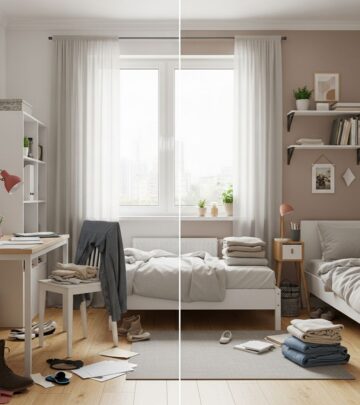
14. Attempting to Deep-Clean a Cluttered Space
Trying to scrub, dust, and vacuum a room that is still full of clutter quickly becomes overwhelming and inefficient. Objects on the floor, crowded countertops, and overflowing surfaces make it hard to reach the very areas you are attempting to clean.
A quick declutter before cleaning creates clear surfaces and pathways, which speeds up the entire process and yields better results.
- Start each session by returning items to their homes or sorting into keep, donate, and trash piles.
- Use baskets or bins to temporarily collect out-of-place items while you focus on one room.
- Once surfaces are clear, dust, wipe, and vacuum with fewer interruptions.
15. Having No System at All
Randomly moving from task to task makes it easy to lose track of what you have done and what still needs attention. This often leads to missed spots, repeated work, and a lingering sense that the house is never fully clean.
Even a simple, flexible plan can bring structure and calm to your routine, ensuring every room receives attention over time.
Sample Weekly Cleaning Framework
- Daily: Dishes, quick kitchen wipe-down, bathroom sink, and clutter pickup.
- Twice weekly: Vacuum high-traffic areas, empty trash, and wipe high-touch points.
- Weekly: Thorough bathroom cleaning, dusting, full floor care, and fresh linens.
- Monthly: Clean under furniture, wash baseboards, and deep-clean appliances.
Frequently Asked Questions About Cleaning Mistakes
Is it really necessary to use different cloths for different rooms?
Yes, separating cloths by room or task helps prevent spreading bathroom germs into the kitchen or transferring greasy residue onto delicate surfaces. Color-coding or labeling your cloths is an easy habit that keeps cross-contamination under control.
How often should I clean or replace my cleaning tools?
Sponges, mop heads, and cloths that see frequent use should be cleaned or replaced regularly so they do not harbor odors or bacteria. A good rule of thumb is to launder washable items after heavy jobs and to replace sponges and worn tools when they look tired, smell off, or no longer rinse fully clean.
Can I just use disinfectant wipes for everything?
Disinfectant wipes are helpful for small, high-touch areas, but they are not ideal for every surface or mess. Many jobs first require removal of visible dirt with a cleaner and water, and some materials—such as unfinished wood or specialty finishes—may not tolerate the ingredients in certain wipes.
Why do my floors still look dirty after mopping?
If your floors look dull or streaky, you may be using too much product, not rinsing your mop frequently enough, or skipping vacuuming beforehand. Sweeping or vacuuming first and using a lightly damp, well-rinsed mop with the right dilution of cleaner usually solves the problem.
How can I spend less time cleaning but get better results?
Focusing on technique rather than intensity makes the biggest difference: clean top-down, use the correct tools, respect dwell times, and keep clutter in check before you start. When your method improves, each minute of effort goes further, and your home stays cleaner between sessions.
Similar Articles






Read full bio of medha deb