How Long Does a Roof Last? Complete Guide
Discover roof lifespan by material type, climate factors, and maintenance tips to maximize durability.
How Long Does a Roof Last?
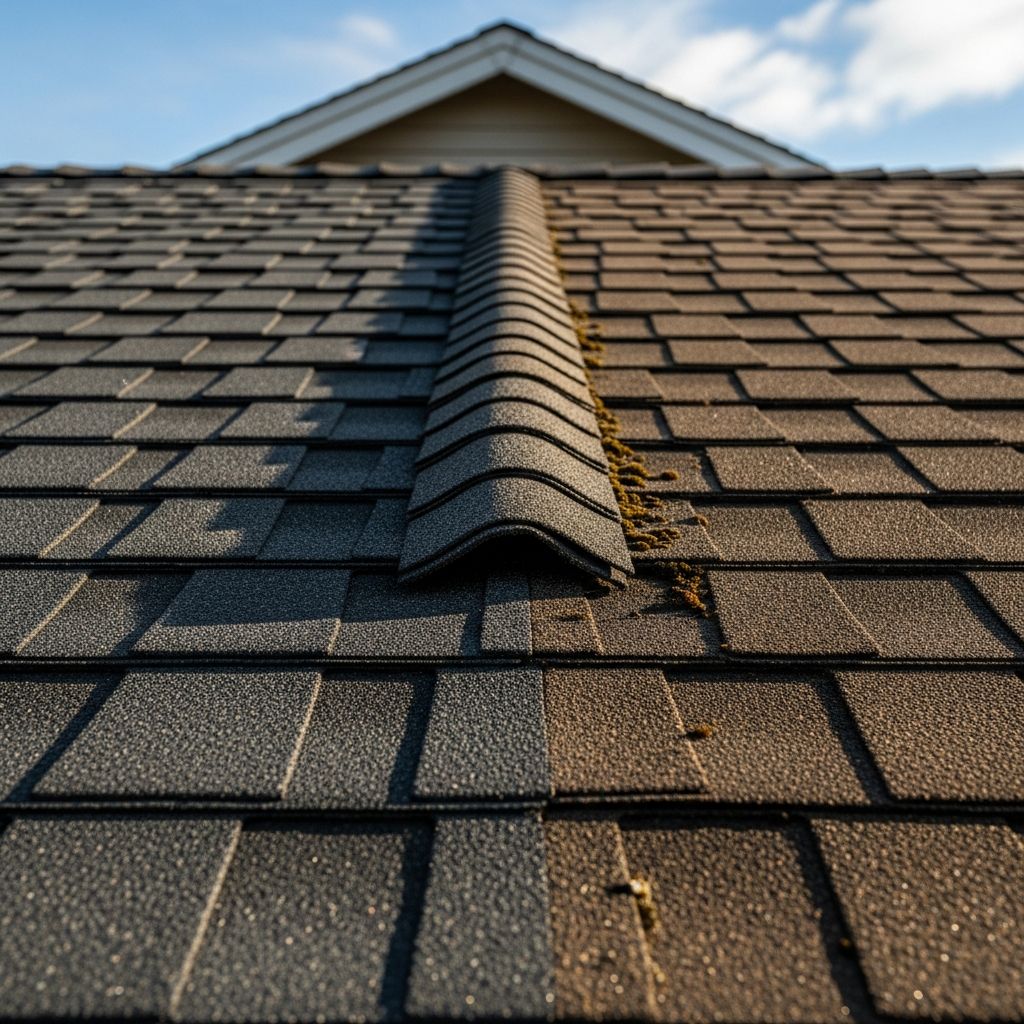
Your roof is one of the most critical components of your home, protecting everything beneath it from the elements. Yet many homeowners are unsure about how long their roof will actually last. The truth is that roof lifespan varies dramatically depending on several interconnected factors, with material type being the primary driver. An average roof lasts between 25 and 50 years, though this timeline can shift significantly based on the specific roofing material you choose, your local climate, installation quality, and how diligently you maintain it.
Understanding your roof’s expected lifespan helps you plan for eventual replacement and budget accordingly. While some premium materials like slate can outlast the homeowner, budget-friendly options like three-tab asphalt shingles may need replacement within two decades. This guide explores the lifespan of various roofing materials, the factors that influence durability, and actionable maintenance strategies to extend your roof’s life.
How Long a Roof Lasts by Type
The type of roofing material you select is the single most important factor determining how long your roof will last. Premium materials cost significantly more upfront but deliver decades of additional protection, while budget options require earlier replacement. Here’s a breakdown of common roofing materials and their expected lifespans:
| Roofing Material | Expected Lifespan |
|---|---|
| Three-tab asphalt shingles | 20 years |
| Architectural asphalt shingles | 30 years |
| Built-up roofing (BUR) | 30 years |
| Modified bitumen | 20 years |
| TPO rubber | 7–20 years |
| EPDM rubber | 15–25 years |
| Fiber cement | 25 years |
| Metal roofing | 40–80 years |
| Copper | 70+ years |
| Wood shakes | 40–50 years |
| Clay tiles | 100+ years |
| Concrete tiles | 100+ years |
| Slate | 60–150 years |
| Synthetic slate | 10–35 years |
| Green (vegetation-covered) | 5–40 years |
Asphalt shingles remain the most popular choice among American homeowners due to their affordability and reasonable durability. Three-tab shingles, the most basic asphalt option, typically last around 20 years. Architectural asphalt shingles, which feature a more dimensional appearance, extend the lifespan to approximately 30 years. Metal roofs offer superior longevity, lasting 40 to 80 years depending on the specific metal type and environmental conditions. Copper roofing can exceed 70 years, developing a distinctive patina over time.
At the premium end of the spectrum, slate and clay tile roofs can last 100 years or longer with minimal maintenance. These materials are dense, weather-resistant, and develop character as they age. However, their exceptional longevity comes with structural considerations—slate and clay tiles are heavy materials that require proper roof framing and support systems, adding significant installation costs.
Factors That Influence How Long a Roof Lasts
Material type initiates your roof’s lifespan story, but daily weather exposure, installation quality, and maintenance habits determine the actual outcome. Several critical factors influence how long your specific roof will perform:
Climate and Weather Exposure
Your roof’s lifespan is fundamentally shaped by the climate and weather patterns it faces every single day. Different regions present unique challenges that accelerate or decelerate material degradation. In hot climates like Arizona and Florida, ultraviolet radiation constantly bombards asphalt shingles, breaking down the binding agents and causing premature deterioration. A white or tan asphalt roof in Arizona might reach temperatures of 150 degrees Fahrenheit on summer days, while identical black shingles in the same location could hit 190 degrees Fahrenheit. These temperature differences significantly impact material longevity, with cooler roofs lasting substantially longer.
Coastal environments present different challenges. Salt spray corrodes metal fasteners, flashing, and gutters years faster than inland locations. The combination of moisture, salt, and wind creates an aggressive environment that demands special consideration when selecting materials. Humid regions experience moisture-related problems including mold and mildew growth, which compromise roof integrity over time.
Cold climates pose their own threats. Snow loads and freeze-thaw cycles stress roofing materials, particularly around flashing and valleys where water pools and refreezes. The Midwest’s hail belt requires impact-resistant materials that homeowners in milder climates rarely need. Heavy snow can also create ice dams when heat from the home melts snow at the eaves, forcing water under shingles.
Color Selection
Surprisingly, your roof color choice significantly impacts durability, especially in sunny regions. Light-colored roofs absorb less solar heat, remaining cooler and experiencing less thermal stress. Dark-colored shingles absorb more heat, leading to faster material breakdown and shortened lifespan. In hot climates, choosing lighter roof colors can add years to your roof’s life by reducing temperature extremes that cause thermal expansion and contraction.
Most manufacturers offer a range of colors to complement your home’s aesthetic while considering performance: Arctic white, Charcoal gray, Desert tan, Forest green, Pewter gray, Slate blue, and Weathered wood. Light shades like Arctic white and Desert tan reflect more UV radiation, while darker shades like Forest green and Charcoal gray absorb more heat. Consider your climate when selecting roof color—what looks great may compromise longevity in sun-intensive regions.
Installation Quality
Even premium roofing materials perform poorly if improperly installed. Professional installation ensures correct shingle placement, adequate ventilation, proper flashing around penetrations, and appropriate fastening patterns. Improper installation can void manufacturer warranties and dramatically shorten roof lifespan. Hiring qualified, experienced roofers who follow manufacturer guidelines and local building codes is essential for maximizing your roof’s potential.
Ventilation and Insulation
Adequate attic ventilation and insulation play crucial roles in roof longevity. Proper ventilation prevents heat and moisture buildup that accelerates shingle deterioration and promotes mold growth. Inadequate insulation allows heat transfer that creates ice dams in winter, forcing water under shingles. Well-designed ventilation systems maintain consistent attic temperatures and moisture levels, protecting your roof from premature failure.
Maintenance and Care
Regular maintenance is perhaps the most controllable factor influencing roof lifespan. Homeowners who perform routine inspections, clean gutters promptly, trim overhanging branches, and address small repairs immediately can extend their roof’s life by 5 to 10 years beyond its expected lifespan. Conversely, neglected roofs deteriorate rapidly as small problems compound into major damage.
Extending Your Roof’s Lifespan
While you cannot control climate or weather, you can implement several strategies to maximize your roof’s longevity. Regular inspections form the foundation of effective maintenance. Inspect your roof at least twice yearly—in spring and fall—looking for signs of wear including granule loss, curling edges, brittleness, and visible damage. After severe storms, conduct additional inspections to identify wind or hail damage before it worsens.
Gutter cleaning is essential but often overlooked. Clogged gutters prevent proper water drainage, causing water to pool on the roof and seep under shingles. Clean gutters twice yearly, removing leaves and debris that accumulate.
Tree branch management prevents physical damage and reduces debris accumulation. Trim branches that hang directly over your roof, as they can crack shingles during storms or deposit needles and leaves that promote mold growth and retain moisture.
Address repairs immediately rather than postponing them. A small leak or bent flashing, if ignored, can lead to substantial interior water damage and structural rot. Professional roofers can identify and fix minor issues before they become expensive problems.
Consider protective coatings and treatments that enhance durability. Reflective coatings reduce heat absorption and UV damage, while waterproof sealants provide additional leak protection. These preventive investments can extend your roof’s functional life.
Understanding Manufacturer Warranties
Manufacturer warranties provide another gauge of roof potential lifespan. Most asphalt shingle manufacturers offer limited warranties ranging from 20 to 30 years, covering manufacturing defects. Three-tab shingles typically carry 20-, 25-, or 30-year warranties, while architectural asphalt shingles may carry “lifetime” warranties covering defects for as long as you own the home or a maximum of 40 to 50 years.
These warranties are typically prorated, meaning coverage decreases over time. If shingles fail during the warranty period, manufacturers provide a prorated reimbursement based on age rather than full replacement value. Premium options sometimes offer 50-year warranties or genuine “lifetime” coverage, though these typically cost significantly more upfront.
When to Replace Your Roof
Several warning signs indicate your roof needs replacement. Granules filling your gutters suggest asphalt shingles are deteriorating. Shingle edges that curl upward or become brittle indicate advanced weathering. Multiple leaks in different locations suggest widespread deterioration rather than isolated problems. Visible sagging between rafters indicates structural compromise, requiring immediate attention.
Most asphalt roofs need replacement between 15 and 30 years, with timing dependent on material type and climate. Metal roofs typically reach 40 to 60 years. Clay and slate roofs often outlast the original home structure. If your roof is approaching the end of its expected lifespan and shows multiple warning signs, budget for replacement rather than continuing temporary repairs.
Frequently Asked Questions
What type of roof has the longest lifespan?
Slate roofs have exceptional longevity, often reaching 150 years or more with minimal maintenance. Many Spanish clay tile roofs in Florida remain beautiful and functional after 80 years. Both materials require substantial structural support and increased installation costs of $5,000 to $12,000 compared to asphalt options, but their extraordinary lifespan can offset higher upfront investments over time.
What is the cheapest, longest-lasting roof?
Architectural asphalt shingles deliver the best value for most homeowners. Standard three-tab asphalt shingles cost $3.75 to $5.25 per square foot but typically need replacement after 15 to 18 years in moderate climates. Architectural and metal options cost more initially but last longer, potentially providing better long-term value when you factor in replacement frequency and labor costs.
How often should you replace your roof?
Replacement timing depends on material type and local climate. Most asphalt roofs need replacement between 15 and 30 years. Metal typically reaches 40 to 60 years. Clay and slate roofs often outlast the original structure. Watch for performance indicators including granules in gutters, curling edges, brittleness, multiple leaks, and visible sagging to determine when replacement is necessary.
Does roof color affect longevity?
Yes, roof color significantly impacts lifespan in sunny climates. Light-colored roofs absorb less heat, remaining cooler and experiencing less thermal stress. A white or tan roof might last several years longer than identical black shingles in hot regions due to reduced temperature extremes that cause material degradation.
How can I extend my roof’s lifespan?
Regular maintenance is key to maximizing roof longevity. Perform inspections twice yearly, clean gutters regularly, trim overhanging branches, and address repairs immediately. Professional inspections identify small problems before they become expensive damage. These habits can extend your roof’s life by 5 to 10 years beyond its expected lifespan.
Conclusion
While most roofs last 25 to 50 years on average, your specific roof’s lifespan depends on material selection, climate exposure, installation quality, and maintenance commitment. Premium materials like slate and clay tiles can exceed 100 years, while budget-friendly asphalt shingles may need replacement within 20 years. Your local climate, from scorching desert heat to coastal salt spray and Midwestern hail, substantially influences how long your roof performs. Installation quality and regular maintenance complete the equation—a well-installed, properly maintained roof reaches or exceeds its expected lifespan, while neglected roofs fail prematurely. By understanding these factors and implementing proactive maintenance strategies, you can maximize your roof’s longevity and protect your home for decades to come.
References
- How Long Does a Roof Last? — This Old House. 2024. https://www.thisoldhouse.com/roofing/how-long-does-a-roof-last
- Replacing Your Roof: A Comprehensive Guide — This Old House. 2024. https://www.thisoldhouse.com/roofing/21019048/read-this-before-you-redo-your-roof
- Roofing Facts and Statistics (2025) — This Old House. 2025. https://www.thisoldhouse.com/roofing/roofing-facts-and-statistics
- All About Roofing: A Comprehensive Guide for Your Home — This Old House. 2024. https://www.thisoldhouse.com/roofing/21072549/all-about-roofing
- How Long Your Home’s Components Last — This Old House. 2024. https://www.thisoldhouse.com/21015248/how-long-stuff-lasts
- Roof Maintenance Tips To Extend Your Roof’s Life Span — This Old House. 2024. https://www.thisoldhouse.com/roofing/roofing-maintenance-tips
- Common Roof Problems and How to Fix Them — This Old House. 2024. https://www.thisoldhouse.com/roofing/22555882/common-roof-problems-and-how-to-fix-them
Similar Articles



Read full bio of Sneha Tete