Wall Oven Sizes: Step-By-Step Measuring Guide For A Perfect Fit
Master the art of measuring your kitchen space for a seamless wall oven installation that fits perfectly every time.
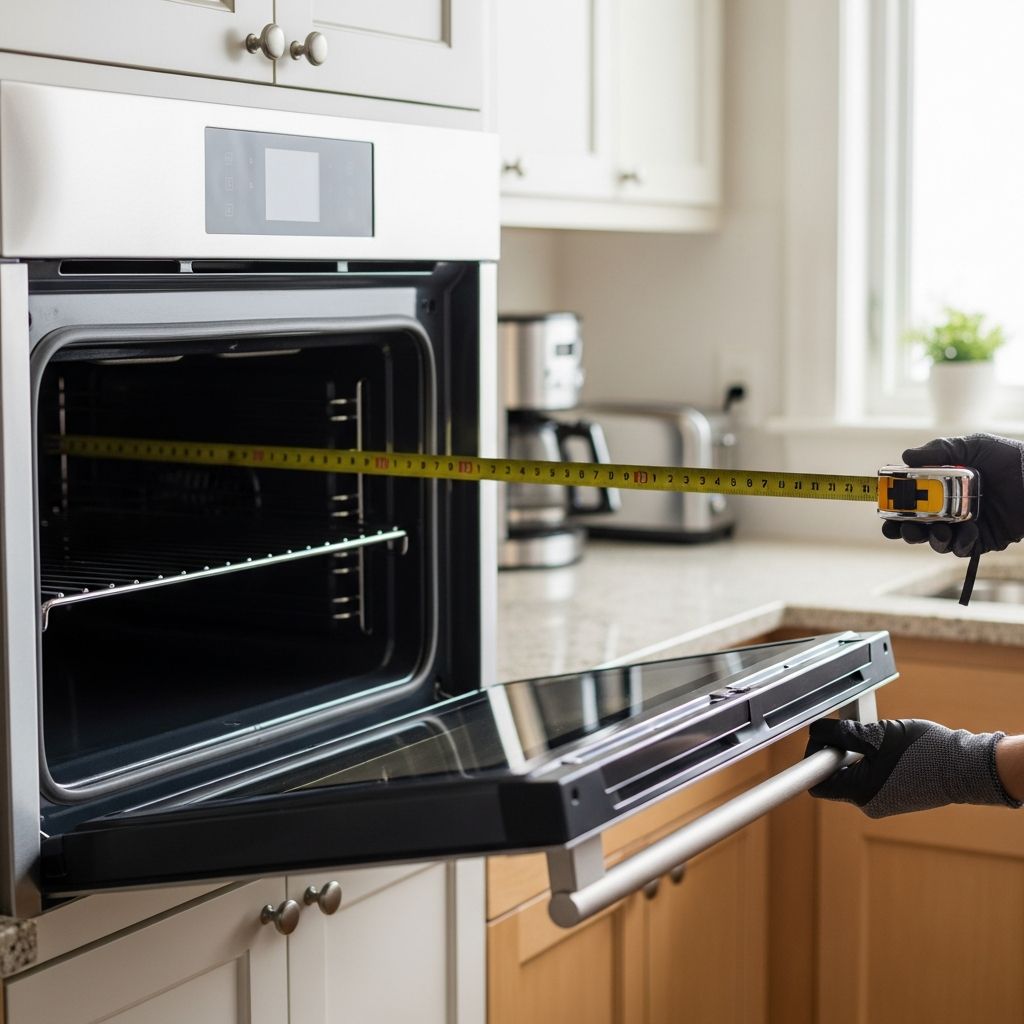
Installing a wall oven requires meticulous planning to ensure it integrates seamlessly into your kitchen cabinetry. Understanding
standard wall oven sizes
and mastering accurate measurement techniques prevents expensive modifications or returns. This guide draws from manufacturer specifications to equip you with the knowledge needed for a perfect fit.Understanding Standard Wall Oven Dimensions
Wall ovens come in a few predominant widths designed to align with common cabinet configurations:
24-inch
,27-inch
, and30-inch
models. These sizes accommodate most residential kitchens, with depths typically ranging from 22 to 24 inches, excluding doors and handles.Widths represent the primary categorization, while heights vary based on whether you’re selecting a single, double, or combination unit. Depths remain fairly consistent across models to fit standard 24-inch deep cabinets.
Key Dimensions by Oven Type
| Oven Type | Width Range (inches) | Height Range (inches) | Depth Range (inches) |
|---|---|---|---|
| Single 30-inch | 28.5 – 28.625 | 27.25 – 28 | 23.5 – 24 |
| Single 27-inch | 25.25 – 25.5 | 27.625 – 28 | 23.5 – 24 |
| Single 24-inch | 22.0625 – 22.625 | 23.25 – 27.75 | 22.25 – 23.5 |
| Double 30-inch | 28.5 – 28.625 | 50.25 – 50.5 | 23.5 – 24 |
| Double 27-inch | 25.25 – 25.5 | 50.25 | 23.5 – 24 |
| Double 24-inch | 22.0625 – 22.625 | 49.75 | 22.25 – 23.5 |
These cutout dimensions guide cabinet preparation. Always verify exact specs from the manufacturer’s installation manual, as slight variations exist.
Tools and Preparation for Accurate Measurements
Before diving in, gather essential tools: a reliable tape measure, notepad, pencil, level, and flashlight for visibility in tight spaces. If possible, have a helper for safety, especially when handling heavy existing ovens weighing over 200 pounds.
- Tape measure: Flexible and at least 25 feet long for comprehensive checks.
- Level: Ensures cabinets are plumb, affecting fit.
- Notepad: Record measurements multiple times to confirm consistency.
- Screwdriver set: For removing trim or securing components.
Work in a well-lit area and measure at least three times per dimension to account for any irregularities in older cabinetry.
Step-by-Step Process to Measure Your Space
Accurate measurement hinges on assessing the cabinet cutout precisely. Follow these steps whether replacing an existing unit or preparing a new space.
Step 1: Safely Remove the Existing Oven
Turn off power and gas if applicable at the breaker or valve. Open the oven door, locate securing screws on the frame, and remove them. Gently slide the oven forward 1-2 inches without yanking the door—ovens are heavy and could cause injury or damage.
Disconnect wiring or gas lines per safety guidelines, then fully extract the unit. This reveals the true cutout dimensions.
Step 2: Assess Width Precisely
Position your tape measure from the left interior cabinet edge to the right interior edge at the opening’s midpoint. Standard widths are 24, 27, or 30 inches, but measure top, middle, and bottom for squareness.
Account for any framing; the cutout must match the oven’s exterior width closely, ideally with no more than 1/8-inch tolerance on each side.
Step 3: Determine Height Requirements
Measure vertically from the top interior edge to the bottom interior edge. Single ovens need 27-28 inches, doubles around 50 inches. For under-counter installs, measure from floor to countertop.
Check for levelness; uneven floors or cabinets may require shims.
Step 4: Evaluate Depth Thoroughly
From the back wall to the cabinet face front (excluding doors), standard depth is 23.5-24 inches. Note that oven doors extend an additional 20-24 inches when open, requiring 42-48 inches total front clearance.
Measure multiple points to detect any bowing in older cabinets.
Special Considerations for Different Oven Configurations
Single Wall Ovens
Ideal for compact kitchens, these offer 2-5 cubic feet capacity. 24-inch models suit tight spaces like cottages, while 30-inch provide more cooking volume.
Double Wall Ovens
Perfect for large families, doubles stack two ovens vertically, demanding 49-50 inches height. Ensure structural support for the added weight.
Microwave Combination Units
These hybrid models blend oven and microwave functions, typically 40-44 inches tall in 27-30 inch widths. Confirm combo-specific cutouts.
Common Pitfalls and How to Avoid Them
Overlooking door swing space leads to cramped workspaces—plan for 42-48 inches clearance, especially in galley layouts.
- Assuming uniformity: Older homes may have non-standard cuts requiring fillers or adjustments.
- Ignoring ventilation: Most ovens need 1/2-inch sides/back clearance for airflow.
- Forgetting power: Electrical outlets must match (typically 240V, 30-50 amps).
Compare your measurements against multiple manufacturer specs; a 1/4-inch discrepancy can prevent installation.
Integrating Wall Ovens into Kitchen Design
Beyond measurements, consider aesthetics and workflow. Position ovens at waist height for ergonomics, away from high-traffic areas. Pair with warming drawers or speed ovens for versatility.
In renovations, align with cabinet depths (usually 24 inches) and ensure toe kicks or panels match surrounding millwork for a built-in look.
Frequently Asked Questions
What clearance is needed for the oven door to open fully?
Allow 42-48 inches from the oven front to counter or island edges for safe operation.
Do all wall ovens fit the same cabinet spaces?
No, while widths are standardized, heights and depths vary; always measure the cutout.
Can I install a wall oven under the countertop?
Yes, but verify height from floor to counter matches single oven specs, typically 27-28 inches.
How much does oven size affect cooking capacity?
24-inch: 2-3.5 cu ft; 27/30-inch: 4-5 cu ft, accommodating larger dishes.
Should I measure with or without trim pieces?
Remove trim for raw cutout dimensions, then check oven specs including any framing.
Final Tips for Purchasing and Installation
Cross-reference your measurements with spec sheets from brands like Whirlpool or GE. Opt for models with adjustable cutouts for flexibility. Professional installation is recommended for gas models or complex wiring to comply with codes.
By prioritizing precision, your new wall oven will enhance functionality and elevate your kitchen’s efficiency for years.
References
- Wall Oven Sizes: How to Measure Cutout Dimensions — Whirlpool. 2023. https://www.whirlpool.com/blog/kitchen/wall-oven-sizes.html
- Professional Wall Oven Sizes — JennAir. 2023. https://www.jennair.com/blog/professional-wall-oven-sizes.html
- Wall Oven Installation Guide — GE Appliances. 2023. https://www.geappliances.com/ge/wall-oven/wall-oven-installation-guide.htm
- Wall Oven Sizes: A Guide for the Perfect Fit — Maytag. 2023. https://www.maytag.com/blog/kitchen/wall-oven-sizes.html
- Wall Oven Buying Guide — Lowe’s. 2023. https://www.lowes.com/n/buying-guide/wall-oven-buying-guide
Similar Articles




Read full bio of Sneha Tete