How To Balance A Ceiling Fan: 5 Easy Steps For No Wobble
Master the art of balancing your ceiling fan with easy steps to eliminate wobbling.
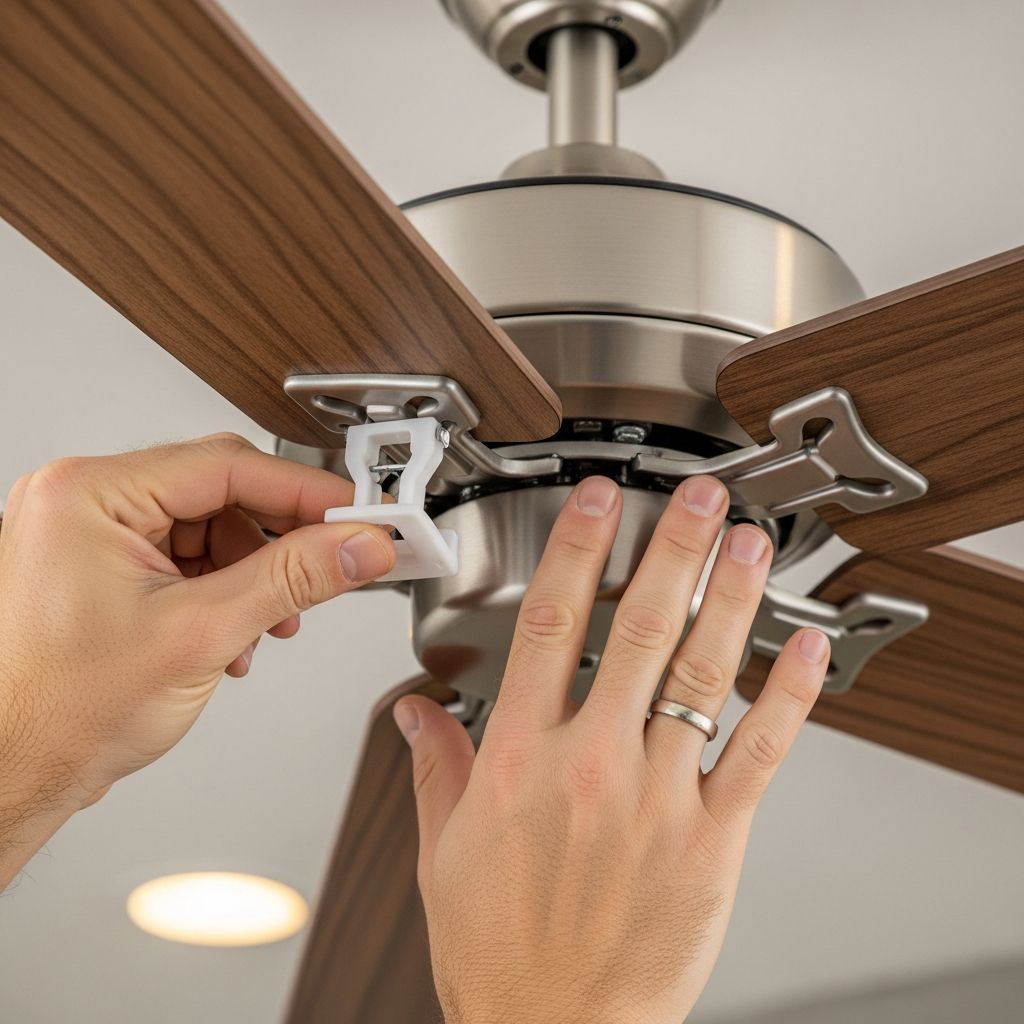
How to Balance a Ceiling Fan and Blades
A wobbling ceiling fan is more than just an annoyance—it can indicate mechanical issues, reduce efficiency, and create unnecessary noise in your home. The good news is that balancing a ceiling fan is a straightforward process that most homeowners can accomplish with basic tools and a little patience. Whether your fan has developed a slight wobble over time or you’re experiencing significant vibration, this comprehensive guide will walk you through each step to restore smooth, quiet operation.
Ceiling fan wobbling typically stems from one of several issues: misaligned blades, loose fasteners, uneven blade weight distribution, or mounting problems. By systematically addressing each potential cause, you can identify and resolve the problem without needing to hire a professional technician. The process requires minimal investment and can be completed in an afternoon.
Tools and Materials You’ll Need
Before beginning any balancing work, gather the necessary supplies to ensure smooth progress. Having everything on hand prevents interruptions and makes the process more efficient.
Basic Tools:
- Stepladder for safe access to the fan
- Screwdriver (typically Phillips head) for tightening blade brackets
- Cleaning cloth (damp for removing dust and debris)
- Ruler or yardstick for precise measurements
- Masking tape for labeling and marking blades
Optional but Recommended:
- Blade-balancing kit containing plastic clips and adhesive weights
- Reference point identification (doorway, window, or object for visual alignment)
A balancing kit is particularly valuable for stubborn wobbles that persist after basic adjustments. These kits, available at most home improvement stores and fan manufacturers, typically include everything needed for advanced weight distribution correction. They’re relatively inexpensive compared to professional service calls and can be used on multiple fans throughout your home.
Step 1: Turn Off and Clean the Fan
Safety must be your first priority when working with ceiling fans. Always begin by turning off the fan at the wall switch and allowing it to come to a complete stop before approaching it. Never attempt to balance or inspect a running fan, as this poses serious injury risks from rotating blades.
Once the fan has completely stopped, use a damp cleaning cloth to thoroughly clean each blade. Dust and debris accumulation can affect blade weight and contribute to imbalance. Pay special attention to the upper surfaces of each blade where dust typically settles. A thorough cleaning removes this source of uneven weight distribution and provides a clean surface for any adjustments you’ll make.
Cleaning also allows you to inspect the blades for visible damage, cracks, or warping that might contribute to wobbling. If you notice structural damage, the affected blade may need replacement rather than simple balancing.
Step 2: Inspect and Tighten Blade Screws
Loose fasteners are among the most common causes of ceiling fan wobbling. Over time, vibration from normal operation can loosen the screws that attach blade brackets to the motor housing. This is often the quickest fix and should always be checked before proceeding to more complex balancing procedures.
Examine each blade connection point carefully, noting the bracket that secures each blade to the motor. Using your screwdriver, gently attempt to tighten all visible screws. Apply steady, moderate pressure—avoid overtightening, as this can strip the screws, crack the blades, or damage the mounting brackets.
Check screws in the following locations:
- Blade bracket attachment points at the motor housing
- Any screws securing the blade to its bracket
- Fasteners on the downrod connecting the fan to the ceiling mount
- Screws on the canopy where the fan attaches to the ceiling
After tightening all accessible fasteners, turn the fan on briefly to see if wobbling has diminished or been eliminated. Many fans require only this simple maintenance to restore smooth operation.
Step 3: Check Fan Balance
With your fan cleaned and all screws tightened, you’re ready to check the actual blade balance. This involves measuring the distance from the ceiling to each blade’s leading edge to identify any misalignment.
Measuring Procedure:
Place a numbered piece of masking tape on each blade for identification throughout the balancing process. Position yourself on a ladder at eye level with the blades, away from the direct fan area for safety. Use your ruler or yardstick to measure vertically from a fixed ceiling point to the leading edge of each blade. Maintain consistent measurement technique by always measuring from the same ceiling location and keeping the ruler vertical.
Record the measurements for each blade. In a properly balanced fan, these measurements should be identical or very close (within one-eighth inch). If measurements vary significantly, one or more blades are misaligned and need adjustment.
Visual Inspection Method:
For an alternative check, use a reference point in your background such as a doorway frame or window edge. Watch the running fan and observe whether all blades maintain the same distance from your reference point as they pass by. Inconsistent distances indicate misalignment.
Once you’ve identified misaligned blades, gently bend the blade bracket up or down by hand to adjust the blade position. Make small adjustments—bend slightly, then retest. This gradual approach prevents over-correction and damage to the brackets.
Step 4: Use a Balancing Kit
If wobbling persists after cleaning, tightening, and alignment adjustments, you’ll likely need a balancing kit. These kits work by adding weight to specific blade locations to counterbalance uneven weight distribution.
Locating the Problem Blade:
Take the plastic clip provided in your balancing kit and place it on the trailing edge (back) of the blade where you suspect an imbalance. Position it at the midpoint between the blade holder and the blade’s tip. Turn the fan on and observe whether the clip placement reduces wobbling.
Try the clip on different blades, one at a time, to determine which blade causes the most noticeable improvement when weighted. The blade that shows the greatest reduction in wobbling is your target blade for permanent weight adjustment.
Finding the Optimal Position:
Once you’ve identified the problem blade, slide the test clip back and forth along the blade’s length while the fan runs. Move it gradually toward the blade tip, then back toward the holder, observing how wobbling changes at each position. The clip position that produces the smoothest fan operation indicates where you should place the permanent weight.
This testing process, while requiring some patience, ensures that your final weight placement will be optimally positioned for maximum balance improvement.
Step 5: Add Weights
After identifying the optimal position for weight correction, it’s time to install the permanent balancing weight from your kit.
Installation Process:
Use a piece of temporary masking tape to hold one of the kit’s self-adhesive weights on the blade’s center line, directly in line with where your test clip was positioned. The weight should sit on the upper surface of the blade at the blade’s center line rather than on its edge.
Turn the fan back on and observe its operation. If the wobbling has been eliminated or significantly reduced, mark the blade around the weight location with a permanent marker for reference. Remove the temporary masking tape and firmly press the self-adhesive weight directly onto the blade at the marked location.
Multiple Blade Adjustment:
If your fan requires weight adjustment on multiple blades, repeat this process for each blade that showed imbalance during testing. Test between each weight addition to ensure that adding one weight doesn’t shift the imbalance to another blade. Some fans require multiple weights positioned strategically to achieve perfect balance.
Press each weight firmly onto the blade to ensure complete adhesion. The self-adhesive backing works best on clean, dry surfaces, so ensure blades are free of dust before final weight installation.
Special Considerations for Different Blade Quantities
Ceiling fans come with varying numbers of blades, and balancing procedures may differ slightly depending on your fan’s configuration.
Four-Blade Fans:
For four-blade fans, remember that opposite blades should have equal weight. If blades are numbered one through four, blades one and three should be balanced together, and blades two and four should be balanced together. This opposing-pair relationship helps distribute weight symmetrically across the fan.
Five-Blade Fans:
Five-blade fans require a different approach due to their asymmetrical configuration. Test each blade individually by placing your balancing clip and observing the results. Rank the blades from heaviest to lightest by how far they rotate during testing, then add weight incrementally to lighter blades until all blades rotate approximately the same distance. This requires more testing but ensures complete balance.
When to Call a Professional
While most homeowners can successfully balance their ceiling fans, certain situations warrant professional assistance. If wobbling persists after you’ve completed all steps with a balancing kit, the problem may involve motor issues, bent mounting hardware, or structural damage requiring professional repair. Additionally, if your fan is mounted on a vaulted or angled ceiling, professional installation assessment may be necessary to ensure proper balance in that configuration.
Maintenance Tips to Prevent Future Wobbling
Once you’ve successfully balanced your ceiling fan, maintain smooth operation with regular maintenance. Clean blades quarterly to prevent dust accumulation from affecting balance. Periodically check blade-mounting screws to ensure they haven’t loosened from vibration. During seasonal transitions when fans may run continuously for extended periods, perform a quick balance check to catch any developing issues early.
Frequently Asked Questions
Q: Why is my ceiling fan wobbling?
Wobbling typically results from loose fasteners, misaligned blades, uneven blade weight distribution, or dust accumulation. Follow the systematic steps outlined above to identify and address the specific cause in your situation.
Q: Can I balance my ceiling fan without a kit?
Yes, many fans can be balanced by cleaning, tightening screws, and aligning blades. However, for persistent wobbling requiring weight adjustment, a balancing kit provides the best results and costs very little.
Q: Is it dangerous to work on a running ceiling fan?
Absolutely. Always turn off your fan completely and allow it to stop before performing any maintenance or adjustment work. Working on a running fan risks serious injury from rotating blades.
Q: How often should I balance my ceiling fan?
Most fans don’t require regular rebalancing if properly maintained. Check balance if you notice new wobbling, which typically indicates loose fasteners or accumulated dust rather than a need for rebalancing.
Q: What if balancing doesn’t eliminate the wobble?
If wobbling persists after completing all balancing steps, the issue may involve motor problems, bent mounting hardware, or structural damage requiring professional repair assessment.
Q: Can I use any weights for balancing?
Use only weights specifically designed for fan balancing or those included in your balancing kit. The weights are engineered to adhere properly to fan blades and remain secure during operation.
References
- How to Balance a Ceiling Fan — This Old House. Accessed December 3, 2025. https://www.thisoldhouse.com/fans/21019348/how-to-balance-a-ceiling-fan-and-blades
- How to Balance a Fan — Instructables. Accessed December 3, 2025. https://www.instructables.com/How-to-Balance-a-Fan/
- Tips from Lamps Plus – How to Balance a Ceiling Fan — Lamps Plus. Accessed December 3, 2025. https://www.youtube.com/watch?v=t_zHFaSkxZs
Similar Articles




Read full bio of medha deb