How to Build a Rolling Storage Seat: A Practical DIY Guide
Create a compact, mobile bench that hides clutter and adds extra seating in any room.
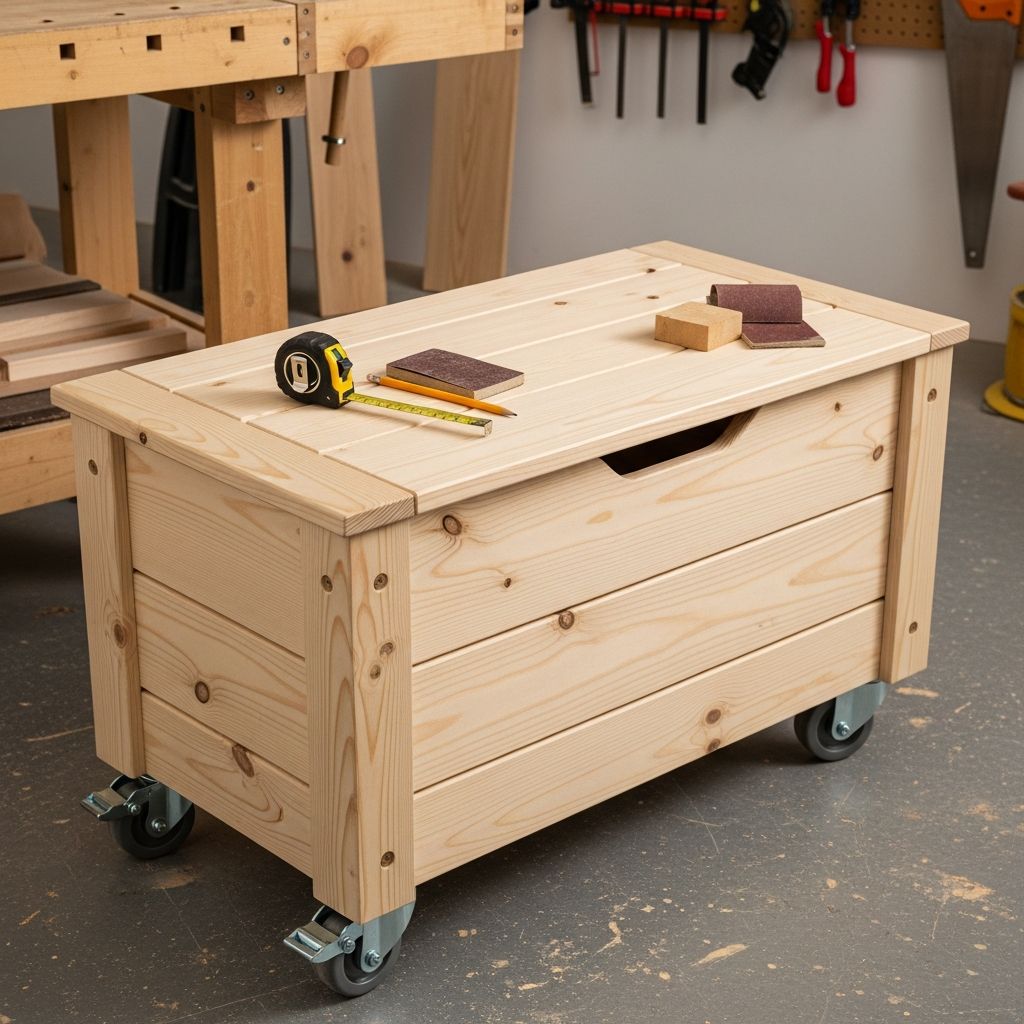
Build Your Own Rolling Storage Seat
A rolling storage seat is a compact piece of furniture that solves two common home problems at once: lack of storage and not enough seating. By combining a sturdy box, a cushioned lid, and smooth-rolling casters, you can create a movable bench that hides clutter and follows you wherever you need it.
Why a Rolling Storage Seat Is So Useful
Movable storage furniture works especially well in small spaces where every square inch needs to do double duty. A rolling storage seat can easily slide under a desk, next to a bed, beside a coffee table, or along a hallway wall, then roll out when extra seating or storage access is needed.
- Provides hidden storage for toys, blankets, shoes, craft supplies, or office gear.
- Functions as a stool, footrest, or side table, depending on how it is styled.
- Rolls from room to room, allowing one item to serve multiple purposes.
Planning Your Project
Before buying materials, decide how and where you plan to use the rolling storage seat. This will guide size, style, and material choices. A piece intended for a child’s room might be shorter and brighter, while one in a home office might be taller and more neutral.
Decide on the Main Use
- Kids’ room: Store toys, LEGOs, stuffed animals; choose durable, wipeable fabrics.
- Entryway: Hide shoes, bags, scarves; consider adding interior dividers for organization.
- Craft or office: Hold paper, yarn, files, or tools; you may want a lid that doubles as a small work surface.
Choose Dimensions and Proportions
Standard chair seat height ranges from about 17 to 19 inches, including cushion. To keep your storage seat comfortable, work backward from that number. Subtract the thickness of the cushion and the height of the casters to find the ideal height of the box itself.
| Component | Suggested Size | Notes |
|---|---|---|
| Overall height | 18 inches | Comfortable seat height for most adults |
| Box height | 13 inches | Assumes 3-inch cushion and 2-inch casters |
| Box width | 18–20 inches | Adjust to fit your space |
| Box length | 24–30 inches | Longer for entryway seating, shorter for kids’ rooms |
| Material thickness | 3/4 inch plywood | Provides strength and holds screws well |
Materials and Tools
You can adjust this list based on what you already have, but the following materials work well for a sturdy, long-lasting rolling storage seat:
- 3/4 inch plywood or solid wood panels for the box
- 1×2 or 1×3 boards for internal supports and optional trim
- Wood screws or pocket hole screws, plus wood glue
- Four swivel casters (two locking casters recommended)
- Hinges for the lid (piano hinge or two standard hinges)
- Foam cushion (2–3 inches thick, cut to lid size)
- Upholstery fabric or durable home décor fabric
- Staple gun and staples for upholstery
- Sandpaper, primer, and paint or stain
- Optional: soft-close lid support or safety hinge, corner brackets, handles
Basic tools include a saw (circular, table, or miter saw), drill/driver, measuring tape, square, clamps, and a pencil. If you own a pocket hole jig, it can make assembly easier but is not required.
Designing the Interior Storage
The interior can be left as an open box, or divided into sections for better organization. Planning this before cutting your parts saves time and prevents awkward leftover gaps inside the seat.
- Open bin: Best for bulky items like blankets, pillows, or large toys.
- Center divider: Useful when you want to separate categories, like shoes on one side and scarves on the other.
- Multiple compartments: Great for craft supplies or kids’ toys that need to be sorted.
Measuring for Bins and Baskets
If you plan to use baskets or bins inside, measure them first. Add some extra space for your hand to grab the bin and to keep it from scraping the sides. Build your interior dividers around the dimensions of the containers you like, not the other way around.
Step 1: Cut the Box Panels
Once the layout is decided, start by marking and cutting the main box pieces. Accurate cuts are essential for a box that is square and stable, so measure twice and cut once.
- Two identical long pieces for the front and back.
- Two identical shorter pieces for the sides.
- One bottom panel cut to fit inside or underneath, depending on your chosen assembly style.
- One lid panel that slightly overhangs or sits flush with the box edges.
Dry-Fit Before Screwing
Before driving any screws, stand the pieces upright and assemble the box without fasteners. Check corners with a square and confirm the bottom and lid both fit as planned. Making adjustments now is easier than patching mistakes after everything is glued.
Step 2: Assemble the Storage Box
To build a strong box, combine wood glue with screws and keep the joints aligned. Clamps are helpful for holding panels steady while you work, especially on longer pieces.
- Apply a line of wood glue along the edge where a side will meet the front.
- Hold or clamp the pieces at a right angle and pre-drill pilot holes through the front into the side.
- Drive screws into the pilot holes, making sure the edges stay flush.
- Repeat for the remaining corners until the rectangular frame is complete.
After the frame is together, drop the bottom panel into place. Depending on your design, you can mount the bottom inside the box or fasten it to the underside of the frame.
Attaching the Bottom Panel
- Inset bottom: The panel sits up inside the box, resting on interior cleats or supports attached around the lower edge. This looks more finished and protects the bottom from wear.
- Under-mounted bottom: The panel screws directly to the underside of the box. This method is simpler but slightly changes the final height.
Step 3: Add Internal Supports and Dividers
Internal supports keep the box from flexing over time, especially if adults will sit on it. A few extra pieces of wood inside can dramatically increase strength with very little extra cost or effort.
- Attach narrow strips of wood (1x2s or similar) along the inside of the long panels near the top edge to anchor the lid and reduce flexing.
- Install one or more vertical dividers from the bottom to the underside of the supports if you want separate compartments.
- Use glue and screws or pocket hole joinery for a sturdy, wobble-free interior.
Step 4: Install the Casters
Casters turn this box into a truly movable piece of furniture. Choosing the right wheels affects how smoothly the seat rolls and how stable it feels when you sit on it.
- Mark the location for each caster about 1–1.5 inches in from each corner to avoid splitting the wood.
- Pre-drill holes for the caster screws according to the hardware pattern.
- Attach at least two locking casters so the bench does not roll when someone sits down.
- Test-roll the box on a flat surface to make sure all wheels contact the floor evenly.
Choosing Casters
For most indoor projects, rubber or polyurethane casters provide quiet movement and protect flooring. Check the combined weight rating of the four casters to ensure they can handle the load of the box plus the heaviest person expected to sit on it.
Step 5: Build and Upholster the Seat Lid
The lid has two jobs: act as a comfortable seat and cover the storage area. A simple upholstered panel works well and is not difficult to build, even for beginners.
- Cut foam to match the exact dimensions of the lid panel.
- Spray adhesive can be used to lightly secure the foam to the top of the lid, preventing it from shifting during upholstery.
- Lay fabric face down, place the foam-lid assembly on top, and pull the fabric over the edges.
- Starting at the center of each side, staple the fabric to the underside of the lid, working toward the corners while keeping the fabric smooth.
- Fold corners neatly, trimming excess fabric if needed, and secure with additional staples.
Fabric and Foam Tips
- Use thicker foam (2–3 inches) for more comfortable seating, especially for adults.
- Choose a tightly woven, durable fabric that can withstand regular use, such as upholstery canvas or outdoor fabric.
- Patterned fabric can help disguise minor stains and wear over time.
Step 6: Attach the Lid
Once the lid is upholstered, mount it to the storage box with hinges. This allows quick access to the contents while keeping the seat firmly attached.
- Position the lid on the box with even overhangs, or align it flush if that matches your design.
- Mark the hinge locations on both the lid and the box back panel.
- Pre-drill pilot holes for the hinge screws to prevent splitting.
- Screw the hinges into the lid first, then attach them to the back of the box.
For added safety, consider installing a soft-close support that keeps the lid from slamming shut. This is particularly important if children will use the storage seat.
Step 7: Sanding, Painting, and Finishing Touches
Finishing is what makes a DIY project look intentional rather than improvised. A bit of sanding and a thoughtful color choice can help your rolling storage seat blend into the room or stand out as an accent piece.
- Sand all exposed wooden surfaces, starting with medium-grit and moving to a finer grit for a smooth finish.
- Round over sharp edges slightly to make the seat more comfortable and safer in busy spaces.
- Apply primer if you plan to paint, or pre-conditioner if you are staining softwood.
- Finish with two coats of paint or stain and a protective topcoat, such as polyurethane or a clear water-based finish.
Optional Decorative Details
- Add trim boards to the front and sides to mimic a paneled or shaker-style look.
- Attach handles or pulls on the sides to make rolling or lifting the seat easier.
- Use contrasting paint on the box and neutral fabric on the seat for a balanced design.
Safety and Durability Considerations
A rolling seat must be strong enough to support body weight and withstand daily movement. Paying attention to load ratings, joinery, and hardware will help your project last.
- Ensure all screws are properly driven and not over-tightened, which can strip the wood.
- Choose casters rated for more than the combined weight of the box, its contents, and typical users.
- Secure any internal dividers firmly so they also function as structural supports under the lid.
Creative Ways to Use a Rolling Storage Seat
Once built, this project can adapt to different rooms and needs over time. Its mobility allows you to reassign it to new roles as your household changes.
- Under a window: Create a small reading nook with storage for books and blankets.
- In a playroom: Tuck away toys and games while providing a soft perch for story time.
- Near a desk: Use it as a guest perch and as storage for office supplies or files.
- At the foot of a bed: Store linens or off-season clothing in a primary or guest bedroom.
Frequently Asked Questions
How much weight can a rolling storage seat hold?
The weight capacity depends on your materials, joinery, and casters. For a typical build using 3/4 inch plywood, solid internal supports, and high-quality casters, you can usually design for at least standard adult seating. Always check the individual weight ratings of the casters and hardware, and consider adding extra internal supports if you expect heavy use.
Do I need special tools to build this?
No specialized tools are required beyond a saw, drill/driver, measuring tape, and staple gun for upholstery. A pocket hole jig, clamps, and an orbital sander can make the process easier and the final result more polished, but they are optional.
Can this project be built with hand tools only?
It is possible to build a rolling storage seat with hand tools if you are comfortable cutting straight lines with a hand saw and drilling pilot holes manually. It will take more time and effort, but the overall steps remain the same: build a strong box, add casters, upholster a lid, and attach it securely.
What type of wood is best for beginners?
Cabinet-grade plywood is a good choice because it stays relatively flat, is available in large panels, and takes paint well. Softwoods like pine boards also work, though they may dent more easily. Avoid warped or heavily knotted boards, as they can make assembly frustrating.
How can I make the seat safer for children?
To improve safety in a child’s room, prioritize a soft-close or lid support that prevents the lid from slamming shut. Round all corners and edges, use non-toxic finishes, and choose locking casters so the seat stays still when kids climb on or off. Regularly inspect screws and hinges to ensure nothing has loosened over time.
Is it possible to add storage pockets or organizers inside?
Yes, you can attach small hooks, fabric pockets, or removable bins to the interior sides of the box. This is especially helpful for smaller items that might otherwise get lost at the bottom. Plan these additions before final assembly so you can pre-drill and install hardware more easily.
Final Thoughts
A rolling storage seat is a practical, stylish project that suits a wide range of spaces, from apartments and dorm rooms to family homes and home offices. By combining thoughtful planning with straightforward construction steps, you can create a custom piece that reduces clutter, adds extra seating, and moves effortlessly wherever it is needed most.
Similar Articles








Read full bio of Sneha Tete