How to Build a Garden Arbor: Complete Guide
Learn to build a stunning garden arbor with this step-by-step DIY guide for beginners.
How to Build a Garden Arbor: A Complete DIY Guide
A garden arbor is one of the most versatile and beautiful additions you can make to your outdoor space. Whether you’re looking to create a focal point for your garden, provide support for climbing plants, or simply add architectural interest to your landscape, building a garden arbor is an achievable weekend project that requires only basic woodworking skills. This comprehensive guide will walk you through every step of the process, from selecting materials to installing the finished structure.
What Is a Garden Arbor?
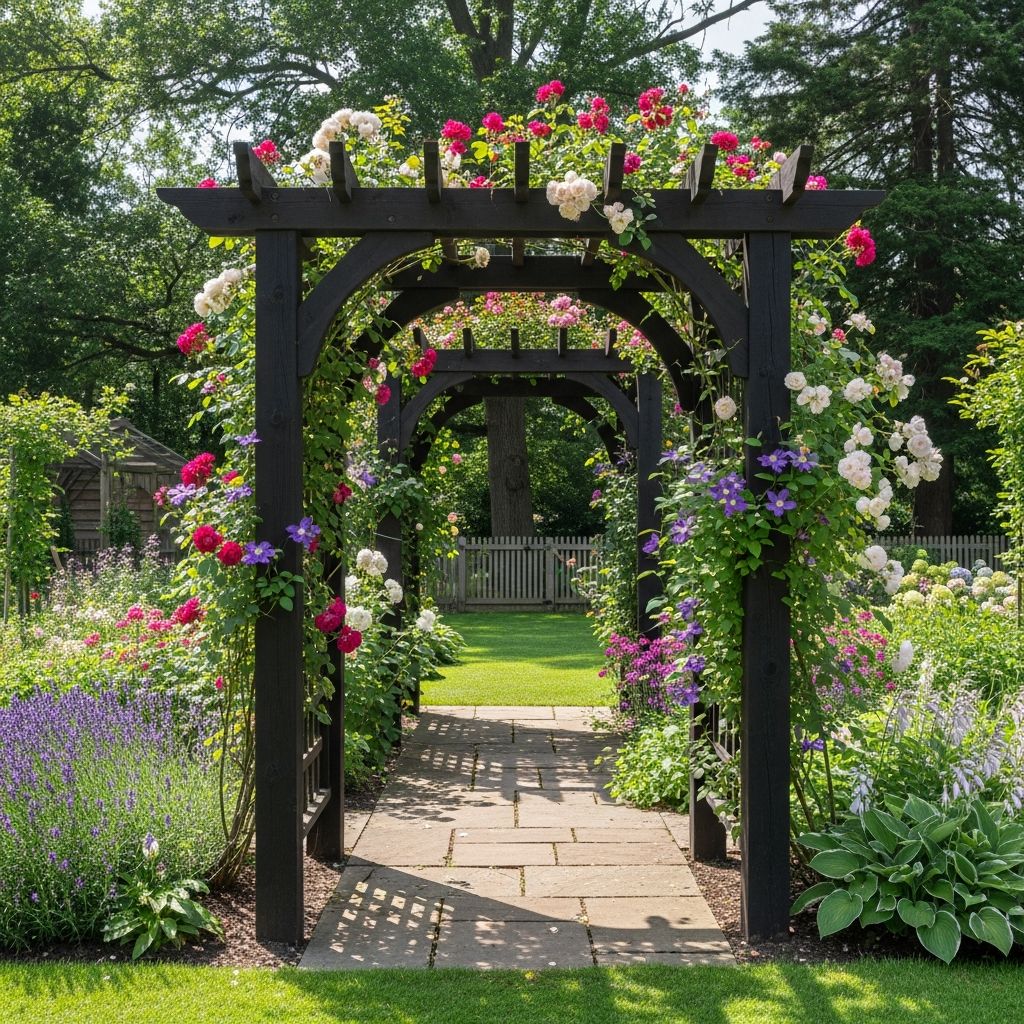
A garden arbor is a freestanding or attached garden structure that serves both functional and aesthetic purposes. Unlike a pergola, which has a solid roof structure, an arbor typically features an open top with a decorative design. Arbors are commonly used to frame garden entrances, create shaded seating areas, support climbing vines and flowers, or simply serve as decorative focal points in landscaping. The open design allows sunlight and rain to pass through while providing partial shade and visual interest to your garden.
Materials You’ll Need
Selecting the right materials is crucial for building a durable and attractive garden arbor. Here’s what you’ll need:
Wood Selection
The choice of wood significantly impacts both the appearance and longevity of your arbor. Cedar is an excellent choice for outdoor projects because of its natural resistance to rot and insects. While cedar is more expensive than pressure-treated alternatives, it’s ideal if you plan to grow edible plants or herbs near the structure. If budget is a concern, pressure-treated lumber is a viable option, though it requires regular maintenance and sealing.
Essential Materials List
- 4×4 posts for corner supports (typically 8-10 feet tall)
- 2×4 lumber for top supports and framing
- 2×2 lumber for trellis work and detailing
- 2½-inch exterior wood screws
- 2½-inch exterior pocket hole screws
- Lattice panels or hardware cloth for trellis material
- Wood stain or exterior finish (optional)
- Galvanized nails and fasteners
Tools Required for the Project
Having the right tools makes the building process smoother and ensures professional results. Here are the essential tools you’ll need:
- Miter saw or circular saw for cutting lumber
- Drill/driver for fastening and creating pilot holes
- Pocket hole jig for creating clean, strong joints
- Level to ensure the structure is plumb and square
- Tape measure for accurate measurements
- Square for marking and checking angles
- Jigsaw for decorative cuts (optional)
- Stapler and wire cutters (if adding trellis materials)
- Clamps for holding pieces during assembly
Step-by-Step Building Instructions
Step 1: Prepare Your Design and Materials
Before you begin cutting, take time to plan your arbor design. Sketch out your design, including dimensions and decorative elements. A typical arbor for an average garden is about 4 feet wide and 7-8 feet tall, though you can adjust these dimensions based on your space and preferences. Start by cutting your 4×4 posts to your desired height. For an 8-foot tall arbor, cut four posts to approximately 8 feet each.
Step 2: Build the Side Panels
The side panels form the basic structure of your arbor. Begin by cutting 2×4 pieces that will serve as horizontal framing members. Each side panel typically consists of two 4×4 posts with 2×4 crosspieces positioned at the top and middle sections. Using a pocket hole jig, create pocket holes where the 2×4 pieces meet the 4×4 posts. This technique creates clean, strong joints that are nearly invisible from the outside. Assemble each side panel on a flat work surface using 2½-inch pocket hole screws. Ensure the panels are square by measuring diagonally—the measurements should be equal.
Step 3: Add Top Supports
Once your side panels are complete, create the top frame. Cut 2×4 pieces to run horizontally across the top of the arbor, connecting the front and back. A length of 60 inches typically provides a balanced proportion for most gardens. To add visual appeal, use a paint can or other round object to draw curved cutouts along the bottom edges of these 2×4 pieces. Use a jigsaw to carefully cut these curves. These decorative elements transform a simple structure into an attractive focal point.
Step 4: Create Cross Supports
To strengthen the structure and add visual interest, install additional 2×4 pieces running horizontally across the top frame. These pieces should be evenly spaced and secured to the 4×4 posts at the corners using 2½-inch decking screws. This creates a grid pattern that both strengthens the arbor and provides an excellent framework for climbing plants.
Step 5: Build the Trellis Framework
The trellis component is where you can really customize your arbor design. Using 2×2 lumber, create vertical and horizontal supports along the sides and bottom of each panel. Cut these pieces to fit the open sections of your side panels. Position some pieces vertically along the bottom corners and some horizontally across the sides. Secure them with 2½-inch exterior screws. This trellis framework provides excellent support for climbing vines and adds structural integrity to the overall design.
Step 6: Add Trellis Material
To complete the trellis, attach lattice paneling, hardware cloth, or welded wire fencing to the framework you’ve created. If using wire or cloth materials, use a stapler with appropriate staples to secure the material to the wooden frame. Make sure the material is stretched taut to prevent sagging. Lattice panels can be secured with screws or nails, and they provide both functionality and attractive visual patterns.
Step 7: Finishing Touches
Sand any rough edges and consider applying a weather-resistant stain or sealer to protect the wood and enhance its appearance. Cedar naturally weathers beautifully over time, but applying a finish will extend its life and maintain its color. Allow the finish to dry completely before moving the arbor to its final location or planting around it.
Important Considerations
Foundation and Installation
Before positioning your completed arbor, determine whether you’ll set the posts directly into the ground or use a foundation. For permanent structures, dig holes 2-3 feet deep and set the posts in concrete. For temporary placement or easier removal, use metal post anchors that can be staked or bolted into the ground. Ensure the structure is level and square before securing the posts permanently.
Material Quality and Durability
The longevity of your arbor depends largely on material selection and maintenance. Cedar and redwood are naturally rot-resistant and ideal for outdoor use. Pressure-treated lumber is more affordable but requires more frequent sealing and maintenance. Regardless of your choice, apply a weather-resistant finish every 1-2 years to maintain the structure’s integrity.
Plant Selection for Your Arbor
Once your arbor is complete and installed, selecting the right climbing plants will enhance its beauty and functionality. Consider the following:
- Flowering vines like clematis and climbing roses
- Fast-growing options like hops and grape vines
- Shade-providing plants like climbing ivy or honeysuckle
- Consider your climate zone and choose plants accordingly
Common Mistakes to Avoid
Understanding what to avoid will help you build a stronger, more attractive arbor:
- Using untreated wood without proper finishing
- Installing the structure on uneven ground
- Skipping the pocket hole joinery, which creates weak connections
- Not leaving adequate space between posts and climbing materials
- Failing to check for square and level during assembly
- Using interior-grade screws instead of exterior-grade fasteners
Maintenance and Care
Proper maintenance will extend the life of your garden arbor significantly. Inspect the structure regularly for signs of rot, pest damage, or loose fasteners. Clean debris and fallen leaves from the trellis regularly. Reapply weather-resistant sealer every 2-3 years, especially in harsh climates. Trim back climbing plants annually to prevent them from damaging the wood structure. Replace any damaged or rotted wood components promptly to maintain structural integrity.
Design Variations
Once you master the basic arbor design, consider these variations to customize your structure:
- Add decorative arches or peaked roofs for visual interest
- Create a bench beneath the arbor for a seating area
- Build extended side walls with lattice for privacy
- Add gates to create an enclosed garden entrance
- Experiment with different wood stain colors and finishes
Frequently Asked Questions
Q: How long does it take to build a garden arbor?
A: A basic garden arbor can be completed in one to two days, depending on your skill level and the complexity of your design. Most of the time is spent on cutting and assembling the wood frame.
Q: Can I build an arbor without woodworking experience?
A: Yes, a basic garden arbor is an excellent beginner woodworking project. Following these step-by-step instructions and taking time to measure carefully will lead to success even for novices.
Q: What’s the best wood for a garden arbor in wet climates?
A: Cedar and redwood are naturally rot-resistant. In very wet climates, consider using pressure-treated lumber rated for ground contact, or regularly apply protective sealant to cedar.
Q: Can I move a garden arbor after it’s installed?
A: Yes, if you use removable post anchors instead of setting posts in concrete. This allows you to relocate the structure if needed in the future.
Q: How much weight can a garden arbor support?
A: A properly constructed arbor using 4×4 posts and 2×4 framing can easily support the weight of climbing vines and plants. However, if you plan to hang heavy items or a swing, reinforce the structure accordingly.
Q: What’s the ideal location for a garden arbor?
A: Choose a location with good drainage, adequate sunlight for your planned climbing plants, and where the arbor will serve as an attractive focal point or frame a garden entrance.
References
- Woodworking Basics: Building a Garden Arbor — The Family Handyman. 2024. https://www.familyhandyman.com/project/how-to-build-a-garden-arbor/
- Wood Selection for Outdoor Projects — U.S. Forest Service. 2023. https://www.fs.fed.us/
- Exterior Wood Finishing and Maintenance — American Wood Council. 2024. https://www.americanwoodcouncil.org/
- Climbing Plants for Garden Structures — Cooperative Extension, University of California. 2024. https://ucanr.edu/
- DIY Garden Structure Safety Guidelines — Consumer Product Safety Commission. 2023. https://www.cpsc.gov/
Similar Articles







Read full bio of medha deb