How To Clean A Dishwasher Filter: Step-By-Step Guide
Keep your dishwasher running smoothly with this comprehensive guide to cleaning filters.
How to Clean a Dishwasher Filter: A Complete Guide
A clean dishwasher filter is essential for maintaining your appliance’s performance and ensuring your dishes come out spotless every time. Over time, food particles, grease, and mineral deposits can accumulate in your dishwasher filter, leading to reduced cleaning effectiveness, unpleasant odors, and potential damage to your appliance. Whether you have a newer model or an older dishwasher, learning how to properly clean the filter is one of the simplest yet most effective maintenance tasks you can perform.
In this comprehensive guide, we’ll walk you through everything you need to know about cleaning your dishwasher filter, from the tools you’ll need to the step-by-step process, maintenance schedules, and troubleshooting tips. By following these instructions, you can extend the life of your dishwasher and enjoy cleaner dishes with every cycle.
Why Cleaning Your Dishwasher Filter Matters
Your dishwasher filter plays a crucial role in the overall performance of your appliance. It serves multiple important functions that directly impact how well your dishes get cleaned and how long your dishwasher lasts. Understanding why filter maintenance is important can motivate you to incorporate it into your regular cleaning routine.
The primary function of a dishwasher filter is to trap food particles and debris that would otherwise recirculate during the wash cycle. This prevents food particles from reattaching to clean dishes and keeps them from clogging the spray arms and water pump. A clogged filter forces your dishwasher to work harder, reducing its efficiency and potentially causing permanent damage to internal components. Additionally, a dirty filter can lead to unpleasant odors, cloudy glassware, and dishes that don’t come out as clean as they should.
What You’ll Need to Clean Your Dishwasher Filter
Before you begin cleaning your dishwasher filter, gather these essential supplies and tools. Having everything ready will make the process faster and more efficient.
Supplies:
– Warm water- Mild dish soap- White vinegar (optional, for deep cleaning)- Microfiber cloth or soft towel
Tools:
– Soft brush or old toothbrush- Sponge (non-abrasive)- Large sink or basin
Important Note: Never use wire brushes, scouring pads, or any abrasive materials when cleaning your dishwasher filter, as these can damage the delicate mesh and compromise its effectiveness.
Step-by-Step Instructions for Cleaning Your Dishwasher Filter
Cleaning your dishwasher filter is a straightforward process that typically takes only a few minutes. Follow these steps carefully to ensure you clean your filter properly without causing any damage.
Step 1: Empty Your Dishwasher Completely
Before you begin any maintenance work, make sure your dishwasher is completely empty. Remove all dishes, utensils, and any other items from the interior. You’ll also need to remove both the upper and lower racks to access the filter at the bottom of the machine. This gives you clear access to the filter and prevents any accidental spills or damage to your dishes.
Step 2: Locate Your Dishwasher Filter
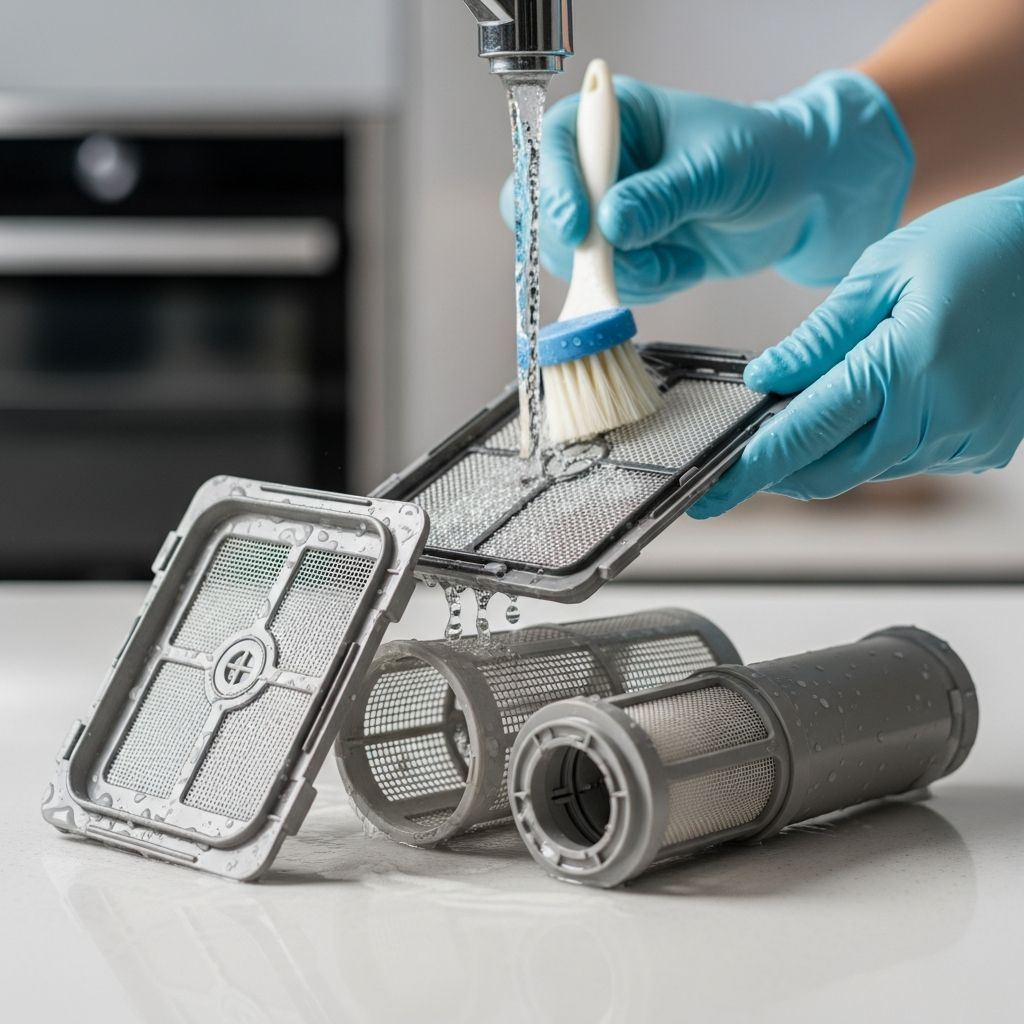
The filter is typically located at the bottom of your dishwasher, either in a back corner or around the base of the bottom spray arm. Most dishwasher filters consist of two parts: an upper cylindrical filter and a lower flat filter assembly. Some models may have slightly different configurations, so consult your dishwasher’s manual if you’re having trouble locating your filter.
Step 3: Remove the Filter Assembly
To remove the upper filter, grasp it firmly and turn it counterclockwise (or clockwise, depending on your model) approximately one-quarter turn until you feel it unlock. Gently lift it straight up and out of the dishwasher. Next, locate the lower filter beneath where the upper filter was sitting. Lightly grasp the lower filter and gently lift it slightly, then pull it forward to remove it completely. Handle both filters carefully, as they contain delicate mesh components.
Step 4: Rinse Away Loose Debris
Take your filter to a sink or large basin and rinse it thoroughly under warm running water. Hold the filter at an angle and let the water flow over and through the mesh to remove loose food particles and debris. This initial rinse will remove the majority of the buildup. For stubborn food particles or mineral deposits, you can soak the filter in warm water for a few minutes to soften the debris before rinsing.
Step 5: Scrub with Soap and a Soft Brush
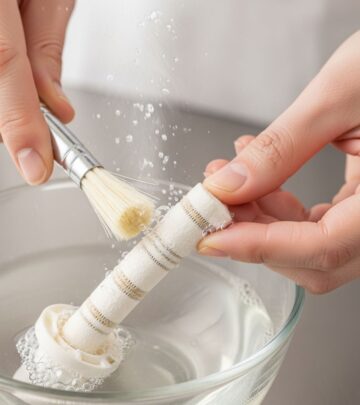
If your filter still has visible debris or staining after the initial rinse, apply a small amount of mild dish soap to a soft brush or sponge. Gently scrub the mesh filter, paying special attention to areas where particles might be trapped. Use circular motions and gentle pressure to avoid damaging the filter mesh. If you notice hard water stains or calcium buildup, this gentle scrubbing should help remove them. Rinse thoroughly under warm water to remove all soap residue.
Step 6: Deep Clean if Necessary
For filters that haven’t been cleaned in a while or have stubborn mineral deposits, you can perform a deeper clean using white vinegar. Fill a basin or sink with equal parts white vinegar and warm water, and soak your filter for at least 30 minutes. The acidity of the vinegar will help dissolve calcium deposits and mineral buildup. After soaking, gently scrub with a soft brush if needed, then rinse thoroughly with warm water and dry completely with a microfiber cloth.
Step 7: Dry and Reinstall the Filter
Before reinstalling your filter, make sure it’s completely dry. Use a microfiber cloth or soft towel to absorb any remaining moisture. Reinstall the lower filter first by placing it in its circular opening and ensuring it sits flat. Then, position the upper filter and turn it clockwise until you feel it lock securely into place. Make sure both components are properly seated and locked. An improperly installed filter can damage your dishwasher, so double-check that everything is secure before running your next cycle.
How Often Should You Clean Your Dishwasher Filter?
The frequency of filter cleaning depends on several factors, including how often you use your dishwasher, how much you pre-rinse your dishes, and the hardness of your water. Most manufacturers recommend cleaning your filter at least once every three to six months as a general rule. However, your specific cleaning schedule may vary based on your usage patterns.
Filter Cleaning Schedule Based on Usage
| Usage Level | Pre-Washing Method | Recommended Cleaning Frequency |
|---|---|---|
| 1-3 loads per week | Wash before loading | Once per year |
| 1-3 loads per week | Scrape only | Twice per year |
| 1-3 loads per week | Scrape and rinse | Once per year |
| 1-3 loads per week | No pre-rinsing | Every two months |
| 4-7 loads per week | No pre-rinsing | Once per month |
| 8-14 loads per week | No pre-rinsing | Every two weeks |
Even if you don’t notice any visible problems, it’s best to check your filter regularly during your scheduled maintenance. Regular cleaning prevents buildup, maintains your dishwasher’s efficiency, and extends the appliance’s lifespan.
Signs Your Dishwasher Filter Needs Cleaning
While following a regular cleaning schedule is important, you should also watch for specific signs that indicate your filter needs attention before the scheduled maintenance date. These warning signs can help you catch problems early and prevent more serious issues.
– Visible food particles or debris in the filter- Unpleasant or foul odors coming from your dishwasher- Reduced cleaning performance, with food remnants remaining on dishes- Cloudy or hazy glassware after washing- Dishes feeling gritty or grimy to the touch after a wash cycle- Water not draining properly from the dishwasher- Strange noises coming from the appliance during operation
If you notice any of these issues, check and clean your filter as soon as possible, regardless of your regular maintenance schedule.
Common Mistakes to Avoid When Cleaning Your Filter
While cleaning a dishwasher filter is relatively simple, there are several common mistakes that can damage your filter or reduce its effectiveness.
Using Abrasive Materials: Wire brushes, scouring pads, and other abrasive cleaning tools can scratch or tear the delicate mesh filter. Always use soft brushes, sponges, or cloths instead.
Using Hot Water: Extremely hot water can damage plastic components in the filter assembly. Stick with warm water rather than boiling or very hot water.
Forgetting to Reinstall Correctly: An improperly installed filter can shift during the wash cycle and damage your dishwasher’s internal components. Always make sure your filter is completely locked into place.
Using Harsh Chemicals: Bleach, strong degreasers, or other harsh chemicals can damage the filter mesh and coating. Stick with mild dish soap or vinegar for cleaning.
Ignoring Filter Damage: If you notice holes, cracks, or tears in your filter during cleaning, it’s time to replace it. A damaged filter cannot effectively protect your dishwasher’s internal components.
When to Replace Your Dishwasher Filter
While regular cleaning can extend the life of your dishwasher filter, eventually it will need to be replaced. Filters typically last several years with proper maintenance, but eventually wear and tear will compromise their effectiveness. Look for these signs that indicate replacement is necessary: visible damage such as holes or tears, persistent odors even after cleaning, severely discolored mesh that won’t come clean, or water leaking from the filter housing.
Replacement filters are typically inexpensive and widely available. Consult your dishwasher’s manual or contact the manufacturer to find the correct replacement filter for your specific model. Installing a new filter is just as simple as cleaning the old one, and you’ll notice an immediate improvement in your dishwasher’s cleaning performance.
Additional Tips for Maintaining Your Dishwasher
While keeping your filter clean is essential, there are other maintenance tasks that can help keep your dishwasher running smoothly and extending its lifespan.
Pre-Rinse Your Dishes: While you don’t need to wash your dishes before loading, a quick rinse can significantly reduce the burden on your filter and improve overall cleaning performance.
Run a Cleaning Cycle: Once a month, run your dishwasher empty with a dishwasher cleaning product to remove buildup from internal components and spray arms.
Clean the Spray Arms: Food particles can sometimes clog the small holes in your dishwasher’s spray arms. Clean these regularly to ensure proper water distribution.
Check the Seals: Periodically inspect the rubber seals around the door to ensure they’re clean and not cracked. A compromised seal can allow water to leak and reduce cleaning efficiency.
Use Quality Detergent: Using the right dishwasher detergent for your water hardness and machine type can improve cleaning performance and reduce buildup in your filter.
Frequently Asked Questions About Dishwasher Filter Cleaning
Q: Can I clean my dishwasher filter in the dishwasher itself?
A: No, you should never put your dishwasher filter back into the dishwasher without cleaning it first. Always clean it by hand in your sink or a basin with warm water and mild soap.
Q: How do I know which direction to turn the filter to remove it?
A: This varies by model. Generally, most filters turn counterclockwise to unlock, but always consult your dishwasher’s manual for specific instructions for your model. When reinstalling, turn clockwise until it locks securely.
Q: Is it normal for my filter to smell bad?
A: A slight odor is normal, but strong foul smells indicate your filter needs cleaning. Regular cleaning prevents odor buildup. If odors persist after cleaning, you may need to clean the entire dishwasher or check for other issues.
Q: Can I use vinegar and baking soda to clean my filter?
A: Yes, a vinegar soak is safe and effective for removing mineral deposits. Baking soda can also be used as a gentle scrub, but avoid combining them with harsh chemicals or abrasive tools.
Q: What should I do if my filter is damaged?
A: If you notice holes, cracks, or tears in your filter, stop using your dishwasher and replace the filter immediately. A damaged filter cannot protect your appliance’s internal components and can lead to costly repairs.
Q: How long does a dishwasher filter typically last?
A: With proper maintenance and regular cleaning, a dishwasher filter can last several years. The exact lifespan depends on usage frequency and water quality, but most filters last 3-5 years before needing replacement.
Q: Why is my dishwasher still not cleaning well even after I cleaned the filter?
A: A dirty filter is often the culprit, but if cleaning doesn’t help, check for clogs in the spray arms, ensure you’re using the right detergent, verify the filter is properly installed, or consider cleaning your entire dishwasher with a commercial cleaner.
References
- How to Clean a Dishwasher Filter — Finish US. Accessed December 2025. https://www.finishdishwashing.com/ultimate-dishwashing-guide/maintenance-and-care/dishwasher-filters/
- How to Clean a Dishwasher Filter in 3 Steps — Whirlpool. Accessed December 2025. https://www.whirlpool.com/blog/kitchen/fixing-removing-and-replacing-dishwasher-filters.html
- How to Clean a Dishwasher Filter Quickly & Easily — KitchenAid. Accessed December 2025. https://www.kitchenaid.com/pinch-of-help/major-appliances/how-to-clean-dishwasher-filter.html
Similar Articles



Read full bio of medha deb