How to Clean a Hair Brush: Complete Guide
Master the art of cleaning your hair brush with proven methods and tips for healthier hair.
How to Clean a Hair Brush: A Complete Guide to Better Hair Health
Your hair brush is one of the most frequently used grooming tools in your daily routine, yet it’s often overlooked when it comes to proper cleaning and maintenance. A dirty hair brush can accumulate dust, dead skin cells, product residue, oils, and bacteria that transfer back onto your hair and scalp with every stroke. Understanding how to clean your hair brush properly is essential not only for maintaining the brush’s longevity but also for ensuring healthier, cleaner hair. In this comprehensive guide, we’ll explore multiple methods to clean your hair brush, from quick daily maintenance to deep cleaning techniques that restore your brush to like-new condition.
Why Cleaning Your Hair Brush Matters
Many people don’t realize how much buildup can accumulate on their hair brush. Every time you brush your hair, the bristles collect loose hairs, dead skin cells from your scalp, dust particles, and residue from hair products like dry shampoo, conditioner, styling creams, and serums. Over time, this accumulation becomes a breeding ground for bacteria and can affect your hair’s cleanliness and health. When you use a dirty brush, you’re essentially redistributing all of that buildup back onto your clean hair and scalp. This can lead to greasier-looking hair, scalp irritation, and potentially worsen conditions like dandruff or seborrheic dermatitis. By establishing a regular hair brush cleaning routine, you maintain better hygiene, improve your hair’s appearance, and extend the life of your styling tools.
Quick Daily Removal of Hair
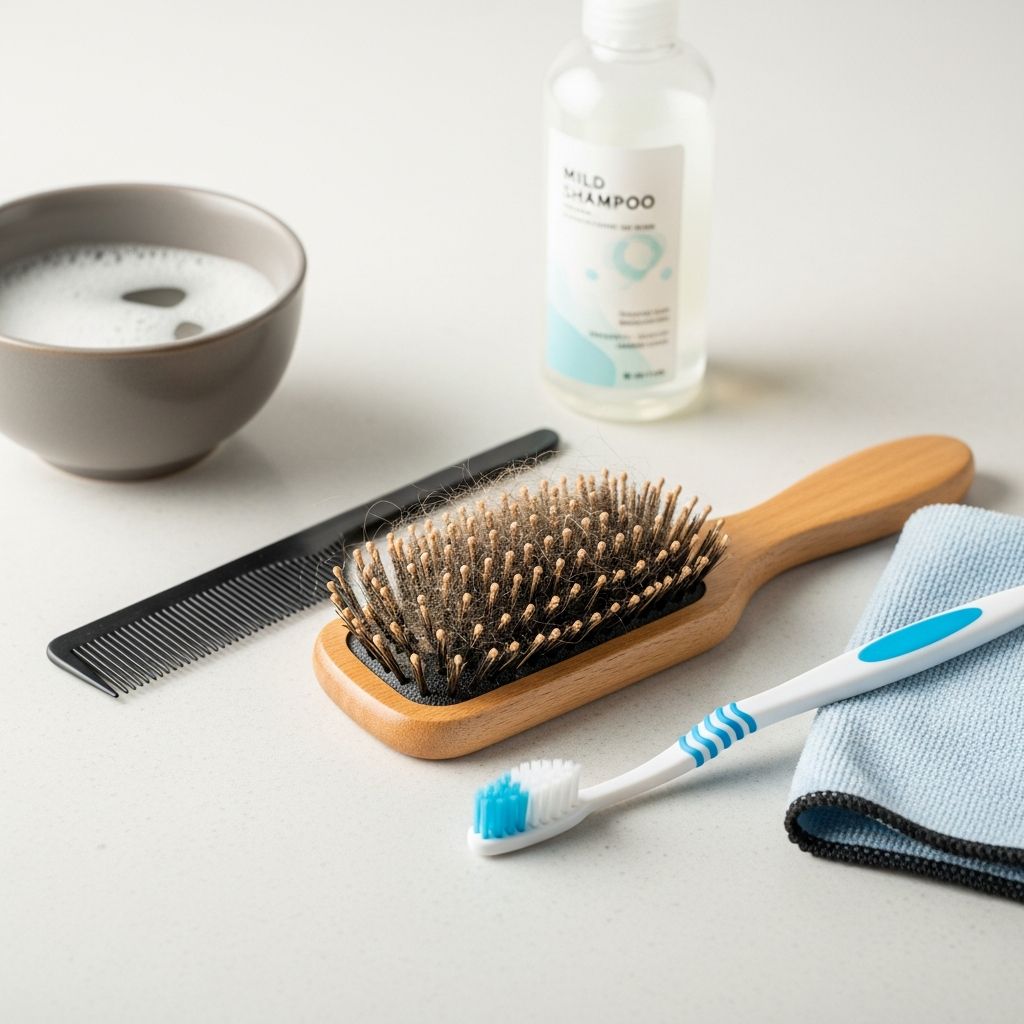
The simplest and most important step in maintaining your hair brush is removing loose hairs immediately after use. This quick daily practice prevents hair from becoming tangled around the bristles and building up over time. To remove hair from your brush, run your fingers through the bristles in a downward motion, or use a fine-tooth comb to gently rake through and lift out the accumulated hair. Alternatively, you can use your fingernail to hook the hair wrapped around the bristles and pull it free. Some people prefer using an old toothbrush to gently brush against the bristles to dislodge trapped hairs. This five-second task should become part of your daily grooming routine, performed immediately after brushing your hair. By staying on top of hair removal, you prevent matting and keep your brush functioning optimally.
Weekly Cleaning Methods
Once weekly, perform a more thorough cleaning to remove product buildup and dust that daily hair removal doesn’t address. There are several effective methods for weekly brush cleaning, each suited to different types of brushes and personal preferences.
Warm Water and Shampoo Method
This gentle yet effective method works well for all brush types. Fill a bowl or sink with warm water and add a few drops of gentle shampoo or dish soap. Submerge your brush bristles-first into the soapy water for about five to ten minutes, allowing the warm water to loosen buildup. Gently massage the bristles with your fingers or a soft cloth to help release dirt and product residue. Pay special attention to the base where the bristles meet the handle, as this area tends to accumulate the most debris. Rinse thoroughly under running water until the water runs clear and all soap is removed. Shake out excess water and lay the brush bristles-down on a clean towel to air dry completely before using it again.
Baking Soda Soak
Baking soda is a natural cleaner that cuts through buildup effectively without harsh chemicals. Mix two tablespoons of baking soda with warm water to create a cleaning solution. Place your brush bristles-first into this mixture and let it soak for fifteen to twenty minutes. The baking soda helps break down stubborn product buildup and neutralizes odors. After soaking, use an old toothbrush to gently scrub between the bristles, then rinse thoroughly with clean water. This method is particularly effective if your hair brush has accumulated a lot of dry shampoo or other styling product residue. Baking soda is gentle enough for regular use and won’t damage your brush bristles, making it an excellent choice for weekly maintenance.
Apple Cider Vinegar Solution
Apple cider vinegar is another natural option that effectively removes buildup and disinfects your brush. Mix one part apple cider vinegar with two parts warm water in a bowl. Soak your brush for ten to fifteen minutes, then gently scrub the bristles with a soft cloth or toothbrush. The acidic nature of vinegar helps dissolve product residue and removes mineral deposits. Rinse thoroughly under running water and allow the brush to air dry completely. While this method is highly effective, be aware that apple cider vinegar has a strong smell that may linger if you don’t rinse the brush thoroughly.
Deep Cleaning for Heavy Buildup
If your brush hasn’t been cleaned in a while or has significant product buildup, a deep cleaning treatment might be necessary. This more intensive approach removes stubborn residue that weekly cleaning might miss.
Warm Water and Gentle Shampoo Deep Clean
For a more thorough deep clean, mix warm water with a few drops of gentle shampoo in a bowl. Dampen a cloth or old toothbrush in the solution—do not soak the entire brush if it has a wooden handle, as prolonged water exposure can damage wood. Gently scrub each section of the bristles with the damp cloth or toothbrush, working methodically from the base to the tips. Use an old toothbrush to reach between bristles and remove trapped debris. For the handle, use a dry cloth to wipe away any dust or residue. Rinse the bristles under running water until completely clean, then dry thoroughly with a towel.
Hydrogen Peroxide Treatment
For disinfection and removal of stubborn buildup, hydrogen peroxide can be used. Mix equal parts hydrogen peroxide and warm water. Soak your brush for five to ten minutes—do not exceed this time, as prolonged exposure may affect bristle quality. Gently scrub with an old toothbrush, then rinse thoroughly and dry completely. This method is particularly useful if you want to sanitize your brush or if you’ve been dealing with scalp issues.
Drying Your Hair Brush Properly
Proper drying is crucial to prevent mold and mildew growth and to maintain your brush’s integrity. After cleaning, shake out excess water gently over a sink. Place your brush bristles-down on a clean, dry towel in a well-ventilated area. Avoid placing it bristles-up, as water can collect in the base and create conditions for bacteria growth. If your brush has a wooden handle, be extra careful to dry it thoroughly, as excess moisture can cause warping or splitting. Allow at least four to six hours of drying time, or ideally overnight. Never use a hair dryer to dry your brush, as direct heat can damage synthetic bristles or warp wooden handles. Once completely dry, store your brush in a clean, dry location away from excess humidity.
Different Brush Types: Specific Cleaning Considerations
Paddle Brushes
Paddle brushes with dense bristles require special attention to ensure thorough cleaning between bristles. The wide, flat surface can trap significant amounts of debris. Use the baking soda soak method or the warm water and shampoo method, followed by careful scrubbing with an old toothbrush to reach between the bristles. Pay particular attention to the edges where the bristles meet the base.
Round Brushes
Round brushes can be tricky to clean due to their shape and often have an opening at the base. When soaking, make sure water reaches all the bristles by angling the brush appropriately. Use a thin cloth or toothbrush to clean through the bristles. Be cautious if the brush has a handle vent, as water shouldn’t enter the barrel where heating elements might be located.
Fine-Tooth Combs
Fine-tooth combs typically require less intensive cleaning due to more space between teeth. A simple soak in warm, soapy water followed by scrubbing with an old toothbrush usually suffices. Ensure water flows between each tooth during rinsing to remove all soap residue.
Wooden Brushes
Wooden brushes need gentle handling to prevent water damage. Use shorter soaking times (five to ten minutes maximum) and ensure thorough drying. Avoid excessive moisture that could cause the wood to swell, warp, or develop mold. Consider using a dry cloth method rather than soaking for weekly maintenance of wooden brushes.
Creating a Cleaning Schedule
Establishing a consistent cleaning routine keeps your brush hygienic and functioning optimally. Most experts recommend:
- Daily: Remove loose hairs from bristles using your fingers or a comb
- Weekly: Perform a basic cleaning using warm water and shampoo or one of the natural methods
- Monthly: Complete a deep clean for stubborn buildup or disinfection
- As needed: Address specific issues like odors or visible mold immediately
This schedule ensures your brush remains clean and hygienic without over-cleaning, which could potentially damage the bristles or handle.
Signs Your Brush Needs Professional Cleaning or Replacement
While regular maintenance extends your brush’s life, some issues warrant replacement. If your brush develops an unpleasant odor that persists after cleaning, visible mold or mildew that won’t come clean, bristles that are permanently bent or matted, significant bristle loss, or a handle that’s cracked or warped, it’s time for a new brush. Continuing to use a damaged brush can actually harm your hair and scalp, so replacing it is the best option.
Frequently Asked Questions
Q: How often should I clean my hair brush?
A: Remove loose hairs daily, perform a basic cleaning weekly, and do a deep clean monthly. If you use many styling products, increase weekly cleaning frequency.
Q: Can I use hot water to clean my hair brush?
A: Warm water is ideal, but avoid hot water as it can damage bristles and wooden handles. Lukewarm to warm water is sufficient for effective cleaning.
Q: Is it safe to soak my brush overnight?
A: Overnight soaking is not recommended, as prolonged water exposure can damage bristles and handles. Limit soaking to 10-20 minutes depending on the cleaning method.
Q: What’s the best natural cleaning solution for hair brushes?
A: Warm water with gentle shampoo, baking soda solution, or apple cider vinegar mixture are all effective natural options that won’t damage your brush.
Q: Can I clean my brush in the dishwasher?
A: Dishwashers use high heat and harsh chemicals that can damage brush bristles and handles. Hand washing is the safest method.
Q: How do I remove stubborn product buildup?
A: Use the hydrogen peroxide treatment or deep clean with warm water and shampoo combined with gentle scrubbing using an old toothbrush.
Q: Will cleaning my brush frequently damage it?
A: Weekly cleaning with gentle methods won’t damage your brush. In fact, regular maintenance extends its lifespan better than allowing buildup to accumulate.
References
- The Ultimate Guide to Properly Cleaning Your Hairbrush for Healthier Hair — DHGate Smart. Accessed 2025-12-04. https://smart.dhgate.com/the-ultimate-guide-to-properly-cleaning-your-hairbrush-for-healthier-hair/
Similar Articles







Read full bio of medha deb