How To Clean A Leather Purse: Step-By-Step Guide
Master the art of leather purse cleaning with expert tips and techniques for lasting beauty.
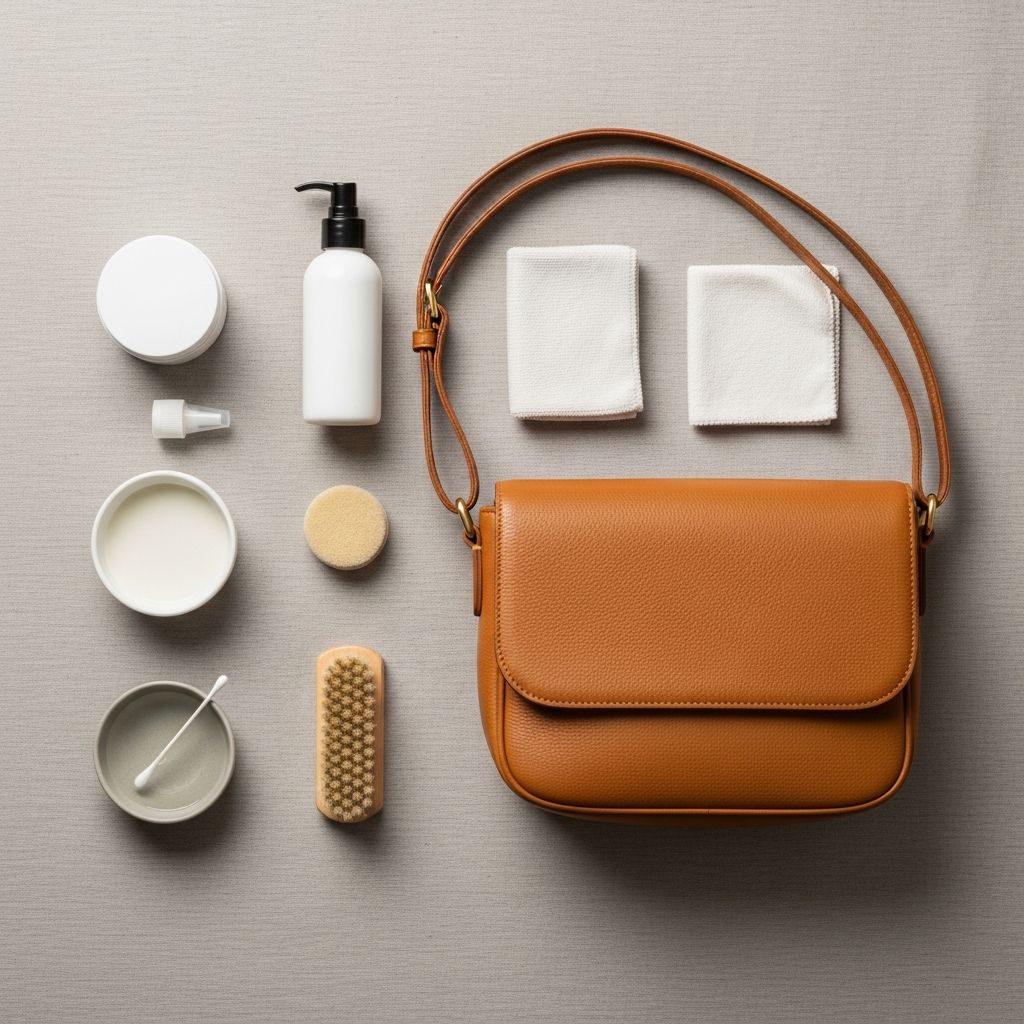
How to Clean a Leather Purse: A Complete Guide
A quality leather purse is an investment in style and functionality that can last for years with proper care and maintenance. However, leather requires special attention to keep it looking pristine and prevent damage from dirt, stains, and environmental factors. Whether your purse shows signs of everyday wear or has accumulated grime over time, understanding the correct cleaning methods will help you restore its beauty without compromising the material’s integrity.
Leather is a natural material that demands gentle handling and appropriate cleaning solutions. Using harsh chemicals or abrasive techniques can cause permanent damage, discoloration, or texture changes. By following a systematic approach to leather purse cleaning, you can maintain its appearance, preserve its suppleness, and ensure it remains a cherished accessory for years to come.
Essential Supplies for Leather Purse Cleaning
Before you begin the cleaning process, gather all necessary materials to ensure you have everything on hand. Having the right tools makes the task easier and helps protect your leather investment.
- Mild soap or leather-specific cleaner
- Soft, lint-free cloths or microfiber towels
- Leather conditioner or cream
- Baking soda or cornstarch
- White vinegar
- Soft-bristled brush
- Rubbing alcohol
- Cotton swabs
- Distilled water
- Small vacuum with upholstery attachment (optional)
Basic Daily Cleaning Steps
Regular maintenance prevents dirt and grime from accumulating on your leather purse. Incorporating these simple steps into your routine will keep your bag looking fresh between deep cleanings.
Empty and Inspect Your Purse
Start by completely emptying your purse and removing all contents from every pocket and compartment. This ensures nothing is left inside and allows you to inspect the interior thoroughly. Check for any items that may have leaked, creating stains or odors that need addressing.
Remove Surface Dust and Debris
Using a soft, dry cloth, gently dust off the purse’s exterior surface. This removes loose dirt, dust particles, and debris that may have accumulated. If available, you can also use a small handheld vacuum with an upholstery attachment to collect larger particles without scratching the leather. Always ensure the vacuum’s brush doesn’t have sharp edges that could damage the material.
Prepare Your Cleaning Solution
Combine warm distilled water with just a few drops of mild soap or a leather-specific cleaner. The solution should be gentle enough not to strip natural oils from the leather. Avoid using harsh detergents, bleach, ammonia, or any abrasive chemicals that can permanently damage or discolor the material. For a natural alternative, you can create a homemade solution using equal parts white vinegar and olive oil, which effectively cleans while conditioning the leather.
Gently Wipe the Surface
Dip a soft cloth into your cleaning solution, then wring out excess water to avoid oversaturating the leather. Using gentle circular motions, wipe down the entire exterior of the purse. Pay special attention to areas that accumulate more dirt, such as handles and bottom edges. Work methodically, using different sections of your cloth as it becomes soiled to prevent spreading dirt across the surface.
Rinse and Dry Thoroughly
After cleaning, use a fresh cloth dampened with distilled water only to remove any residual cleaning solution. This rinse step is crucial for preventing soap buildup that can leave streaks or dull the leather’s finish. Finally, use a completely dry cloth to blot away moisture. Allow your purse to air dry naturally in a well-ventilated area, away from direct sunlight, heat sources, or radiators, which can cause fading, cracking, or warping.
Deep Cleaning Techniques for Stubborn Issues
When regular cleaning isn’t enough, these deeper cleaning methods address specific problems like stains, odors, and interior grime.
Removing Ink and Pen Marks
Ink stains can be particularly challenging but aren’t impossible to remove. Dampen a cotton swab liberally with rubbing alcohol and gently dab it on the ink spot. Work patiently, as this may require several applications. The alcohol breaks down the ink without harming most leather types. Always test this method on a hidden area first to ensure it doesn’t affect your purse’s color or finish.
Treating Oil and Grease Stains
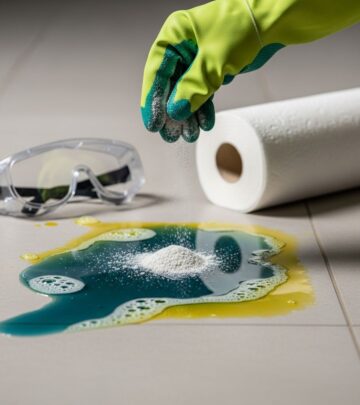
Oil and grease stains require an absorbent approach rather than wet cleaning. Sprinkle a generous amount of baking soda or cornstarch directly onto the affected area and allow it to sit overnight. These powders absorb the oil from the leather’s surface. The next morning, use a soft-bristled brush to gently sweep away the powder. If necessary, repeat this process until the stain is no longer visible.
Eliminating Unpleasant Odors
If your purse has developed musty or unpleasant odors, deodorize it by stuffing crumpled newspaper or activated charcoal inside the bag and sealing it overnight. The porous material absorbs odor molecules effectively. For interior cleaning to address odor sources, mix warm distilled water with white vinegar and use a soft cloth to wipe the inside surfaces. The vinegar naturally eliminates odors while removing stains.
Deep Interior Cleaning
The interior of your purse accumulates dust, lint, and debris over time. Vacuum the interior gently using an upholstery attachment, then use a cloth barely dampened with the vinegar and water solution to wipe interior surfaces. This removes buildup and prevents odors from developing. Pay special attention to corners and crevices where debris collects.
The Critical Conditioning Step
Conditioning is arguably the most important step in leather purse care, as it replenishes natural oils lost during cleaning and prevents the material from drying out, cracking, or becoming brittle.
After cleaning, apply a high-quality leather conditioner using a soft cloth in gentle circular motions. Work the conditioner into the leather evenly, allowing it to absorb naturally. Use products specifically formulated for leather rather than general moisturizers or oils, which can leave the material sticky or attract dirt. Premium leather creams made from natural ingredients provide superior conditioning without harmful chemicals. Allow the conditioner to dry completely before using your purse again, typically for several hours or overnight.
Important Precautions and What to Avoid
Understanding what not to do is just as important as knowing proper cleaning techniques. Many common household items can damage leather permanently.
|
Harmful Substance
|Why to Avoid
|Potential Damage
||—|—|—|| Bleach and Ammonia | Overly harsh chemicals | Discoloration, material deterioration || Acetone | Strips natural oils rapidly | Drying, cracking, color fading || Baby Wipes | Chemical-laden formulas | Residue buildup, discoloration || Abrasive Scrubbers | Rough texture damages leather | Surface scratches, material fraying || Excessive Water | Over-saturation softens material | Warping, permanent shape distortion || Direct Heat or Sunlight | Accelerates material breakdown | Fading, cracking, brittleness |Storage and Prevention Tips
Prevention is far easier than remediation when it comes to leather care. Implementing proper storage and handling practices significantly reduces cleaning needs and extends your purse’s lifespan.
Optimal Storage Conditions
Store your leather purse in a cool, dry location away from direct sunlight, which causes fading and material degradation. Avoid humid environments that promote mold and mildew growth. Keep it away from heat sources like radiators or air vents. Consider storing seasonal purses in a breathable dust bag rather than plastic, which traps moisture.
Daily Use Best Practices
Avoid overloading your purse with heavy items, as excess weight stresses the material and hardware. Store makeup, pens, and sharp objects in separate compartments to prevent leaks and punctures. Never place your bag on dirty surfaces, as this transfers grime to the leather. Keep your purse away from direct contact with rough materials or sharp edges.
Protective Measures
Apply a leather-specific protective spray to create a water and stain-resistant barrier. Always perform a patch test on an inconspicuous area first to ensure the spray doesn’t alter the purse’s color or finish. Use microfiber towels to wipe away dust and light spills immediately, addressing problems before they become permanent stains.
Professional Cleaning Options
For valuable, vintage, or heavily damaged leather purses, professional cleaning services offer expertise and specialized equipment beyond home care capabilities. Professional cleaners have access to advanced treatments and can address severe staining, damage, or restoration needs without risking further harm. This investment is worthwhile for designer bags or cherished heirlooms where mistakes could prove costly.
Natural Homemade Leather Cleaner Recipe
For an eco-friendly and budget-conscious alternative to commercial cleaners, create your own leather cleaner using simple household ingredients. This natural solution is safer for the environment and gentler on sensitive leather:
- Mix equal parts white vinegar and olive oil in a small container
- Shake well to combine thoroughly
- Apply to a soft cloth and test on a hidden area
- Use the cloth to wipe the purse in circular motions
- Follow with a dry cloth to buff the surface
- This method cleans while naturally conditioning the leather
Frequently Asked Questions
Q: What household items are effective for cleaning leather?
A: Several household items work well for leather cleaning. White vinegar mixed with equal parts olive oil creates an effective cleaner and conditioner. A few drops of mild soap in warm distilled water provides gentle cleaning. Baking soda works excellently for absorbing odors and oil stains. However, always test these solutions on a hidden area first to ensure they don’t affect your specific leather’s color or finish.
Q: How can I restore the shine and luster of my leather purse?
A: Restoring leather luster requires a two-step approach: thorough cleaning followed by conditioning. Clean the surface with an appropriate leather cleaner to remove dirt and grime. Then apply a quality leather conditioner using circular motions with a soft cloth. For scratches or deeper damage, consider using a leather repair kit specifically designed for your leather type, or consult a professional leather specialist.
Q: What should I never use to clean leather?
A: Never use bleach, ammonia, acetone, or harsh chemicals on leather, as these cause permanent damage, discoloration, and material deterioration. Avoid abrasive sponges, rough brushes, or scrubbers that scratch and fray the surface. Don’t oversaturate leather with excessive water, and never place wet leather near direct heat sources. Skip baby wipes and heavily fragranced products that leave harmful residues.
Q: How often should I clean my leather purse?
A: Perform light dusting and quick wipe-downs weekly to prevent dirt accumulation. Deep cleaning should occur monthly or as needed based on usage and visible soiling. Regular maintenance reduces the need for intensive cleaning sessions and helps prevent stain setting. Condition your purse every three to four months to maintain suppleness and prevent cracking.
Q: Can I use the same cleaning method for all leather types?
A: Different leather finishes may require slightly different approaches. Always test any cleaning solution on an inconspicuous area first. Natural leather typically responds well to vinegar and oil mixtures, while treated or finished leather may require commercial leather cleaners. Exotic leathers like suede or nubuck need specialized care and products. When in doubt, consult the manufacturer’s care instructions or a professional.
Q: What should I do if my purse gets stained while I’m out?
A: Keep portable solutions handy for emergency stain treatment. Carry lint-free wipes or a small damp cloth to address fresh spills immediately, before they set into the leather. Gently dab the stain rather than rubbing, which can drive it deeper into the material. Once home, clean the area properly using appropriate methods for that specific stain type to prevent permanent damage.
References
- How To Clean a Leather Purse (Properly, Without Damaging It) — Von Baer. Accessed December 03, 2025. https://vonbaer.com/blogs/blog/how-to-clean-a-leather-purse
- 4 Leather Care Tips to Preserve the Quality of Your Luxury Handbag — Anuent. Accessed December 03, 2025. https://www.anuent.com/blogs/tips/4-leather-care-tips-to-preserve-the-quality-of-your-luxury-handbag
- How to Clean Leather Like a Pro: 4 Easy Methods and Care Tips — Country Living. Accessed December 03, 2025. https://www.countryliving.com/home-maintenance/cleaning/a30360397/how-to-clean-leather/
Similar Articles








Read full bio of Sneha Tete