How to Clean a Stained Toilet: Complete Guide
Master toilet cleaning with proven techniques to remove tough stains and restore sparkle.
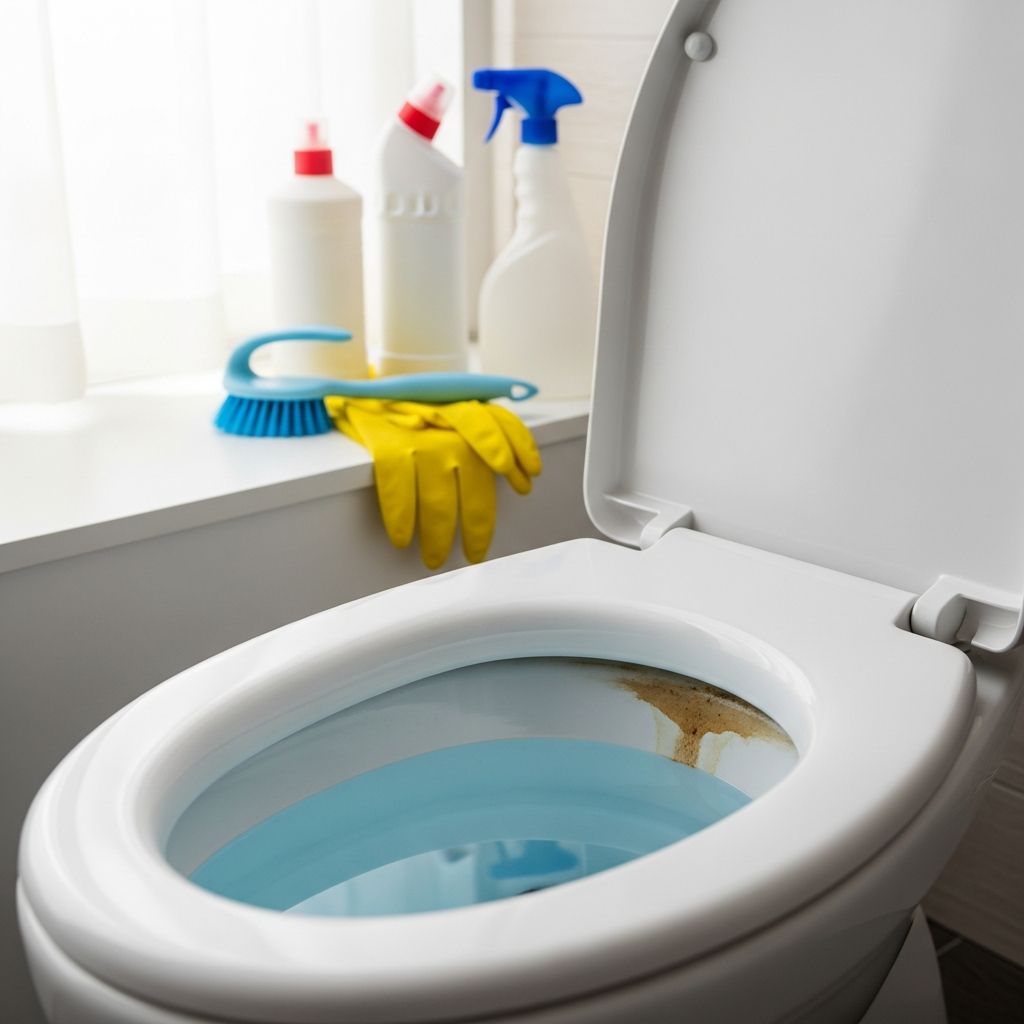
A stained toilet is one of the most common household cleaning challenges that homeowners face. Whether caused by hard water deposits, rust, or stubborn mineral buildup, toilet stains can be frustrating and difficult to remove. The good news is that with the right approach, techniques, and products, you can restore your toilet to its original pristine condition. This comprehensive guide will walk you through everything you need to know about cleaning a stained toilet effectively.
Understanding Toilet Stains
Before you can effectively clean your toilet, it’s important to understand what causes the stains in the first place. Different types of stains require different cleaning approaches, and identifying the root cause will help you select the most appropriate solution.
Hard Water Stains are among the most common toilet stains. These typically appear as brown, yellow, or orange rings around the waterline or at the base of the toilet bowl. Hard water contains minerals like calcium and magnesium that accumulate over time, creating stubborn mineral deposits that are difficult to remove with regular cleaning.
Rust Stains appear as reddish-brown discoloration and are often caused by iron in your water supply or corrosion from metal components within the toilet tank. These stains can spread quickly if not addressed promptly.
Mold and Mildew create dark brown or black spots and thrive in the moist environment of your toilet bowl. These biological stains require different treatment than mineral deposits.
Preparation Steps
Proper preparation is essential before you begin any toilet cleaning project. Taking time to prepare correctly will make the actual cleaning process more efficient and effective.
Gather Your Supplies before starting. You’ll need rubber gloves to protect your hands, a toilet brush with stiff bristles, paper towels or cleaning cloths, and your choice of cleaning solutions. Having everything ready eliminates interruptions during the cleaning process.
Perform a Dry Wipe as your first step. Before applying any liquid cleaner, use a dry cloth or paper towel to wipe down the toilet lid, tank, seat, and exterior surfaces to remove dust and light debris. This prevents you from spreading wet debris around and makes the subsequent wet cleaning more effective. Dry wiping is often overlooked but is a game-changer in toilet cleaning efficiency.
Ensure Proper Ventilation by opening windows and doors in your bathroom. Good air circulation helps fumes dissipate and creates a more pleasant cleaning environment, particularly when using commercial toilet bowl cleaners.
Natural and DIY Cleaning Solutions
Many effective toilet cleaning solutions can be made from common household items. These natural alternatives are often safer than harsh chemicals and work remarkably well on most stains.
Vinegar and Baking Soda Method is one of the most popular natural cleaning solutions. The chemical reaction between vinegar’s acidity and baking soda’s alkalinity creates a powerful cleaning action. For this method, sprinkle baking soda around the toilet bowl, then spray white vinegar over it. Allow the mixture to sit for 15-30 minutes, which gives the solution time to break down mineral deposits and grime. Use your toilet brush to scrub thoroughly, paying special attention to stained areas, then flush.
All-Purpose Vinegar Spray provides an effective solution for both the bowl and exterior surfaces. Mix one cup of white vinegar, one cup of water, and one teaspoon of dish soap in a spray bottle. This combination works well on various stain types and is safe for most toilet surfaces. Spray the solution generously and let it sit for a minute to allow the cleaner to penetrate before scrubbing.
Lemon Juice Solution offers another natural alternative. The citric acid in lemon juice is excellent for breaking down mineral deposits and hard water stains. Combine equal parts lemon juice and salt to create a paste, apply it to stained areas, and scrub with a toilet brush.
Borax and Water creates a paste that effectively targets stubborn stains. Mix borax with a small amount of water to achieve a paste-like consistency, apply it to stains, and allow it to sit before scrubbing vigorously.
Commercial Toilet Cleaning Products
When natural solutions prove insufficient, commercial toilet bowl cleaners offer stronger cleaning power. Understanding which products work best for different stain types is crucial for optimal results.
Acidic Toilet Bowl Cleaners are specifically formulated to dissolve mineral deposits and hard water stains. These products contain hydrochloric acid or other acids that break down calcium buildup effectively. Always follow manufacturer instructions carefully, wear gloves, and ensure proper ventilation when using acidic cleaners.
Oxygen-Based Cleaners provide a gentler alternative to acidic products while still offering powerful stain-fighting capabilities. These environmentally friendly options work through oxidation and are safer for septic systems.
Enzymatic Cleaners work by breaking down organic matter and are particularly effective for mold and mildew stains. These products use natural enzymes to target biological growth without harsh chemicals.
Targeted Cleaning Techniques
Different areas of the toilet require specific cleaning approaches for maximum effectiveness. Understanding these targeted techniques will improve your cleaning results significantly.
Cleaning the Bowl Interior is the primary focus of toilet maintenance. After applying your chosen cleaning solution, use a toilet brush with firm, downward strokes to scrub the entire interior surface. Pay special attention to the waterline where hard water stains typically accumulate. Work from the top of the bowl downward, finishing at the drain area. Use a melamine sponge for particularly stubborn stains on the bowl’s interior surface, as this material provides extra scrubbing power.
The Underside of the Rim is often forgotten during cleaning but accumulates significant buildup. This area traps hard water deposits and bacteria. Use a melamine sponge to scrub underneath the rim vigorously before moving to the rest of the bowl. Consider flushing with the brush down the drain to reach any hidden deposits.
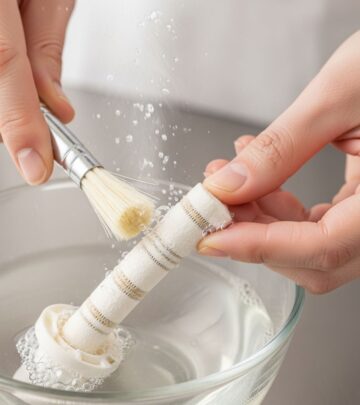
The Overflow Drain is a small opening near the top of the toilet’s interior tank that traps gunk and debris. Use a small brush or pipe cleaner to clean this often-neglected area. Keeping this drain clean prevents overflow issues and improves overall toilet function.
Exterior Surface Cleaning is equally important for aesthetic appeal. Wipe down the outside of the toilet bowl, tank, seat, and lid with appropriate cleaning solutions and disposable paper towels. For a truly deep clean, consider using a handheld steam cleaner with a nozzle attachment on exterior surfaces.
Advanced Cleaning Methods
For particularly stubborn or extensive stains, advanced cleaning methods can provide additional cleaning power.
Pumice Stone Method involves using a pumice stone specifically designed for toilet cleaning. Wet the stone and gently rub stained areas inside the bowl. While effective, this method requires care to avoid scratching porcelain surfaces.
Toilet Tank Cleaning extends your maintenance routine beyond the bowl. The tank collects sediment and mineral buildup that can affect water quality and toilet function. To clean the tank, shut off the water valve, flush to empty it, and then scrub the interior with a brush and appropriate cleaner.
Steam Cleaning provides sanitization and deep cleaning capabilities. A handheld steam cleaner with appropriate attachments can loosen stubborn deposits and sanitize surfaces without harsh chemicals.
Enzymatic Treatments work over extended periods to break down organic buildup. Some people leave these products overnight for enhanced results on particularly stubborn stains.
Preventative Maintenance
Regular maintenance prevents stains from developing and reduces the need for intensive cleaning sessions.
Weekly Cleaning should become part of your bathroom routine. Spend just five to ten minutes daily or weekly using a toilet brush and mild cleaner to prevent stain buildup. This preventative approach is far easier than deep cleaning stubborn stains.
Water Softening systems can reduce hard water stain formation by removing minerals from your water supply. Installing a water softener significantly decreases mineral deposit accumulation and extends the time between deep cleaning sessions.
Toilet Bowl Tablets designed for regular maintenance can help prevent stain formation. Choose products that dissolve gradually with each flush to provide continuous cleaning action.
Proper Ventilation in your bathroom reduces moisture accumulation and mold growth. Ensure your exhaust fan runs during and after bathing or showering.
Safety Considerations
Toilet cleaning involves chemicals and physical effort that require proper safety precautions.
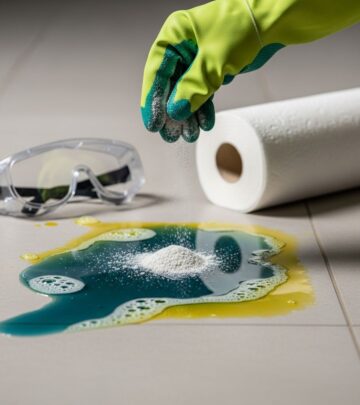
Never Mix Cleaners. Combining different cleaning products, particularly acidic and alkaline solutions, can create dangerous chemical reactions and toxic fumes. Use one cleaning product at a time and rinse thoroughly between applications.
Wear Protective Equipment including rubber gloves and eye protection when using commercial cleaners. These products can cause skin irritation and eye damage.
Maintain Ventilation throughout the cleaning process. Open windows and use exhaust fans to prevent fume accumulation, which can cause respiratory irritation.
Follow Product Instructions carefully. Each cleaning product has specific usage guidelines and safety requirements that you should respect.
Special Circumstances
Septic System Considerations. If you have a septic system, avoid using harsh chemicals that can disrupt bacterial balance. Opt for septic-safe cleaning products or natural solutions instead.
Porcelain Sensitivity. Older or delicate porcelain toilets may be sensitive to abrasive scrubbing or acidic cleaners. Test any new cleaning method on an inconspicuous area first.
Stubborn Ring Stains. If stains persist after multiple cleaning attempts, they may be ingrained in the porcelain surface itself. Professional refinishing might be necessary as a last resort.
Frequently Asked Questions
Q: How often should I clean my toilet?
A: For most households, weekly cleaning prevents heavy stain buildup. Daily light maintenance with a toilet brush and regular cleaner helps maintain cleanliness between deep cleaning sessions.
Q: Can I use bleach on toilet stains?
A: While bleach kills bacteria and mold, it’s less effective on mineral stains and can damage certain toilet components. Use bleach primarily for sanitization purposes and combine it with other methods for stain removal.
Q: What’s the best solution for rust stains?
A: Acidic cleaners specifically formulated for rust removal work most effectively. White vinegar can also help, though commercial rust-removal products provide faster results.
Q: Are natural cleaning solutions as effective as commercial products?
A: For many common stains, natural solutions are equally effective and safer. However, extremely stubborn stains may require commercial-grade products for complete removal.
Q: Can I prevent hard water stains?
A: While you can’t completely prevent hard water stains, regular cleaning, water softening systems, and preventative tablet treatments significantly reduce their formation.
Q: Is it safe to use a pumice stone on my toilet?
A: Pumice stones designed for toilet cleaning are generally safe, but use gentle pressure to avoid scratching the porcelain surface. Test on a small, inconspicuous area first.
References
- How To Deep Clean Your Bathroom | HGTV Home Guides — HGTV Home. 2024. https://www.youtube.com/watch?v=3UjPHCGqk_k
Similar Articles


Read full bio of medha deb