How To Clean An Oven Naturally: Easy Step-By-Step Guide
Master natural oven cleaning with baking soda, vinegar, and household items.
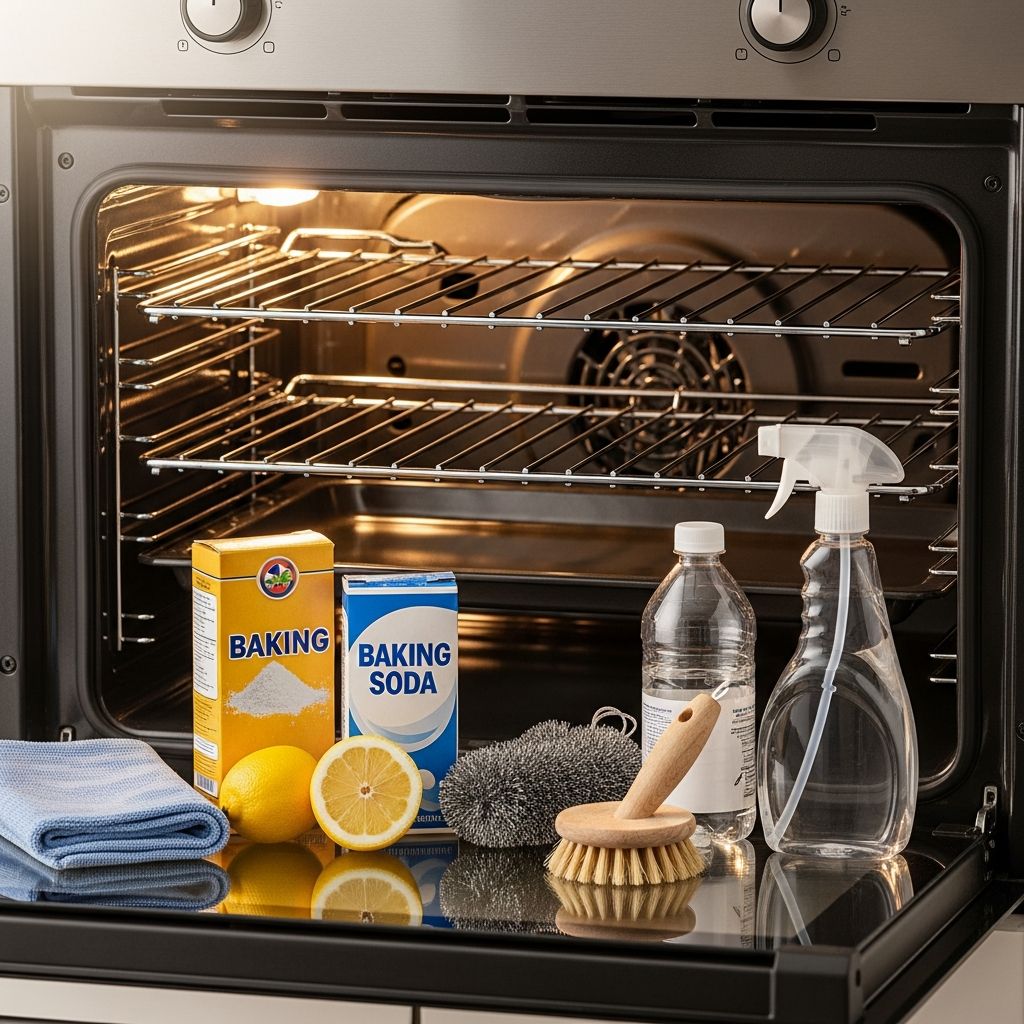
How to Clean an Oven Naturally
A clean oven is essential for any well-maintained kitchen, but many people dread the cleaning process due to the strong chemicals typically involved. The good news is that you don’t need harsh, toxic cleaners to achieve sparkling results. By using common household items like baking soda, white vinegar, and dish soap, you can effectively remove stubborn buildup, grease, and grime while keeping your home safe and chemical-free. This natural approach is not only better for your health and the environment, but it’s also more economical than purchasing expensive commercial oven cleaners.
Why Natural Oven Cleaning Matters
Beyond just having a clean kitchen, maintaining a spotless oven offers several important benefits. When buildup accumulates inside your oven, every meal you cook is affected by previous cooking residue. This can transfer potentially harmful bacteria to your food and affect the flavor of your culinary creations. Additionally, greasy buildup poses a serious fire hazard risk, making regular oven cleaning a safety priority. A clean oven also runs more efficiently, which can help extend the lifespan of your appliance and reduce energy consumption. Understanding how to clean your oven naturally ensures you can maintain these standards without exposing yourself and your family to harsh chemical fumes.
The Power of Natural Ingredients
Three key ingredients form the foundation of natural oven cleaning: baking soda, white vinegar, and dish soap. Each plays a vital role in breaking down different types of grime and buildup.
Baking Soda
Baking soda, or sodium bicarbonate, is a mild abrasive that effectively tackles stubborn stains and baked-on residue. Its slightly gritty texture helps scrub away buildup without scratching oven surfaces, making it ideal for both gentle and aggressive cleaning needs. When combined with liquid, baking soda creates a paste that clings to vertical surfaces and allows the cleaning action to work over time.
White Vinegar
Distilled white vinegar is a natural disinfectant and degreaser that cuts through grease with remarkable efficiency. Its acidic nature helps dissolve mineral deposits and burnt-on food particles. When vinegar comes into contact with baking soda, a chemical reaction occurs that helps lift stubborn debris from surfaces. Beyond oven cleaning, vinegar serves multiple purposes in household cleaning, making it a versatile staple.
Dish Soap
Liquid dish soap adds another layer of cleaning power by breaking down grease molecules and emulsifying oils. When combined with baking soda and vinegar, it creates a comprehensive cleaning paste that addresses multiple types of buildup simultaneously.
Step-by-Step Guide to Natural Oven Cleaning
Preparing Your Workspace
Before you begin the cleaning process, take time to properly prepare your workspace. Place newspapers or old towels underneath and around your oven to protect your flooring from water drips and cleaning residue. This preparation step saves cleanup time later and protects your kitchen surfaces from damage.
Cleaning the Oven Racks
Start your oven cleaning project by removing and cleaning the racks separately. This allows you to work more thoroughly on the oven interior and gives the racks dedicated attention. Here’s the process:
- Remove your oven racks carefully and set them aside
- Vacuum up any loose debris from the racks and oven bottom
- For lightly soiled racks, soak them in hot, soapy water for a few hours, then scrub with a brush or sponge
- For heavily grimy racks, place them in heavy-duty garbage bags and add a few generous glugs of white vinegar
- Sprinkle baking soda liberally over the vinegar-coated racks
- Seal the bags and place them in direct sunlight for several hours
- Rinse the racks thoroughly with water and allow them to dry completely before reinstalling
Creating the Cleaning Paste
The foundation of natural oven cleaning is a powerful paste made from three simple ingredients. Combine 1½ cups of baking soda, ½ cup of liquid dish soap, and ¼ cup of white vinegar in a bowl. Mix these ingredients thoroughly until you achieve a thick, spreadable consistency. The paste should be thick enough to coat vertical surfaces without immediately dripping down. If the mixture seems too runny, add more baking soda. If it’s too thick, add a bit more vinegar.
Applying the Paste
Once your cleaning paste is ready, it’s time to apply it to the oven interior. Using a plastic scraper, old knife, or your gloved hand, coat the inside of your oven generously with the paste. Pay special attention to areas with the heaviest buildup. Don’t forget to cover the interior of the oven door, as this area accumulates significant grime over time. Close the oven door and let the paste sit for several hours. Ideally, leave it overnight to allow maximum time for the natural ingredients to break down stubborn buildup. The longer the paste sits, the easier your scrubbing will be.
Removing the Paste and Finishing
When you’re ready to complete the cleaning, fill a bowl with clean water and gather several microfiber cloths. Start wiping away the dried paste from all oven surfaces. You may need to replace your water multiple times during this process as it becomes dirty. For stubborn spots that resist wiping, use a plastic scraper or soft-bristled brush to gently dislodge the paste. Once all the paste is removed, spray the oven interior with white vinegar and water solution and wipe down once more to ensure all residue is gone. This final step removes any remaining baking soda and leaves your oven spotless.
Cleaning the Glass and Exterior
Oven Glass Doors
The glass door requires special attention, as it can be particularly challenging to clean. For interior oven glass, mix lemon juice with enough baking soda to form a paste. Apply this mixture directly to the glass and wait approximately 20 minutes for the acidic lemon to work on the grime. Then wipe away the paste using a damp microfiber cloth. For the exterior of the glass door, use a solution of equal parts white vinegar and water. This solution cuts through stubborn grease spots and mineral deposits without leaving streaks. Buff the exterior with a clean, dry microfiber cloth for a brilliant, streak-free shine.
Enamel and Stainless Steel Finishes
Different oven finishes require slightly different cleaning approaches. For enamel finishes, hot soapy water is sufficient for maintaining cleanliness. For stainless steel ovens, use a vinegar and water solution to prevent water spots and maintain the finish’s natural shine. Always wipe with the grain when cleaning stainless steel surfaces to achieve the best results.
Quick Cleaning Method Using Lemon Juice
When time is limited but your oven desperately needs attention, the lemon juice method provides a faster alternative. The citric acid in fresh lemon juice breaks down buildup efficiently, and this method requires only 30 minutes of actual baking time.
- Preheat your oven to 250 degrees Fahrenheit
- Fill a large, oven-safe bowl with equal parts water and fresh lemon juice
- Place the bowl on the middle oven rack
- Bake for 30 minutes to allow the steam and acid to penetrate stubborn buildup
- Remove the bowl carefully (it will be hot) and allow it to cool slightly
- Use the cooled lemon water solution and a nylon scrubber to clean racks, interior, and exterior
- Wipe down with clean cloths until all debris is removed
Why Choose Natural Cleaning Methods
Natural oven cleaning offers numerous advantages over commercial chemical cleaners. Beyond health and safety benefits, natural methods are significantly more economical. Most households already have baking soda and vinegar in their pantries, eliminating the need for expensive specialty products. These ingredients are multi-purpose, so you’re not making a single-use purchase. Natural methods are also environmentally responsible, as they don’t introduce harmful chemicals into your home or waterways. Additionally, natural cleaners eliminate strong chemical odors that can linger throughout your home and cause respiratory discomfort.
Maintenance Tips for Long-Term Oven Care
Maintaining a clean oven between deep cleaning sessions prevents excessive buildup and makes future cleaning easier. Place a sheet of aluminum foil on the bottom oven rack to catch spills and crumbs. This simple preventative measure dramatically reduces the frequency of deep cleaning needed. Wipe up spills promptly when they occur to prevent baked-on residue. Cover dishes with lids or place cookie sheets under items prone to splattering. These small actions extend the time between thorough cleanings and reduce the labor required when you do clean.
Addressing Difficult Cleaning Challenges
Stubborn Buildup and Charring
For ovens with extreme buildup or charring, you may need to extend the paste-sitting time to 24-48 hours. Allow the natural ingredients extra time to break down stubborn deposits. You can also reapply the paste for a second treatment if the first application doesn’t completely remove all buildup.
Glass Pane Issues
If oven glass still appears dirty after cleaning, debris may be trapped between the glass panes. This indicates that the seal is worn or damaged, allowing grease and food particles to work their way inside. In this case, the glass panes may need professional replacement, as no external cleaning method can reach the interior surfaces.
Frequently Asked Questions
Q: How often should I clean my oven naturally?
A: The frequency depends on your cooking habits. Heavy cookers should perform deep cleaning every one to three months, while light cookers may only need quarterly cleanings. Regular maintenance and prompt spill cleanup extend the time between deep cleanings.
Q: Can I use natural cleaning methods on self-cleaning ovens?
A: Yes, you can use natural methods on self-cleaning ovens. In fact, many people prefer natural cleaning because self-cleaning cycles consume significant energy, heat your entire kitchen, and require ash cleanup afterward. Natural methods provide superior results with less environmental impact.
Q: Will the vinegar smell linger after cleaning?
A: The vinegar smell is temporary and dissipates within a few hours after cleaning. Opening windows and turning on ventilation fans speeds up odor dissipation. Unlike harsh chemical cleaners, the smell won’t linger in your home or clothing.
Q: Can I use the same paste for cleaning other kitchen appliances?
A: Yes, the baking soda and vinegar paste works effectively on stovetops, microwave interiors, and other kitchen surfaces. It’s a versatile cleaning solution beyond just oven cleaning.
Q: What should I do if the paste stains my oven?
A: Baking soda paste won’t permanently stain ovens, but residual baking soda can appear as a white film. Thorough wiping with damp cloths removes all residue. If staining concerns persist, do a final pass with your vinegar and water solution.
Q: Is it safe to use natural cleaners if I have children or pets?
A: Natural cleaning methods are significantly safer than chemical cleaners. Baking soda and vinegar are non-toxic, food-safe ingredients. However, still ensure children and pets don’t access the oven during cleaning and allow proper ventilation.
References
- How to Deep Clean an Oven — The Maids. 2025. https://www.maids.com/blog/how-to-deep-clean-an-oven/
- How to House: How to Clean an Oven Naturally — HGTV. September 19, 2017. https://www.youtube.com/watch?v=G20bA6lEyGs
- Baking Soda Uses and Benefits — U.S. Food and Drug Administration (FDA). 2024. https://www.fda.gov/
Similar Articles


Read full bio of Sneha Tete