How to Clean and Disinfect a Wood Cutting Board
Master the art of sanitizing wood cutting boards safely and effectively with proven methods.
A wood cutting board is an essential kitchen tool that adds warmth and functionality to your culinary space. However, maintaining its cleanliness and ensuring food safety requires proper care and attention. Unlike plastic alternatives, wood cutting boards demand specific cleaning methods to prevent damage while eliminating harmful bacteria. Understanding the right techniques will help you keep your boards in excellent condition while protecting your family’s health.
Why Proper Wood Cutting Board Maintenance Matters
Wood cutting boards are more than just attractive kitchen accessories—they’re important food preparation surfaces that require responsible care. The porous nature of wood means it can absorb liquids and food particles if not properly maintained. However, research has shown that wood actually has natural antimicrobial properties that trap and kill bacteria over time. This makes proper cleaning and maintenance even more critical, as improper methods can damage the wood while reducing its natural protective qualities.
Regular sanitization prevents the buildup of harmful pathogens like E. coli, Salmonella, and Staphylococcus. When you neglect proper cleaning techniques, you risk cross-contamination and foodborne illness. Additionally, maintaining your cutting board through appropriate cleaning extends its lifespan, protecting your investment in quality kitchen equipment.
Daily Cleaning Methods for Your Wood Cutting Board
The Hot Water and Soap Method
For everyday cleaning, hot water and soap remain one of the most accessible and effective approaches. Begin by scrubbing your cutting board thoroughly with hot water and a small amount of dish soap. Use a soft brush or cloth to work the soap into the surface, paying special attention to any grooves or knife marks where food particles might hide.
After scrubbing, rinse the board completely under running water to remove all soap residue. Pat the board dry immediately with a clean kitchen towel. The key to this method’s success lies in never submerging your wood cutting board—prolonged water exposure causes the wood to absorb moisture, which leads to swelling, warping, and eventual cracking. Instead, use a damp cloth or sponge that you’ve squeezed out thoroughly before wiping the surface.
White Vinegar as a Natural Disinfectant
White vinegar stands out as one of the most effective and natural sanitizing solutions for wood cutting boards. The acetic acid in vinegar effectively kills common harmful bacteria including E. coli, Salmonella, and Staphylococcus aureus. This method works particularly well for those with chemical sensitivities or preferences for natural cleaning solutions.
To use this method, spray full-strength white vinegar directly onto the board’s surface after rinsing away food debris. Allow the vinegar to sit on the surface for a few minutes to ensure the acidity penetrates any bacteria. Then wipe the board clean with a damp cloth and dry thoroughly. Many home cooks keep a dedicated spray bottle of undiluted vinegar in their kitchen for quick access during cleanup. The slight vinegar smell dissipates quickly as the board dries completely.
Bleach and Vinegar Solutions for Deep Disinfection
For more intensive sanitization, mixing bleach or vinegar with water creates powerful disinfecting solutions. A proper bleach solution requires just 1 teaspoon of bleach per quart of water—this dilution is strong enough to eliminate pathogens while remaining safe for food preparation surfaces. Alternatively, combine vinegar with water in a 1:5 ratio for a gentler but still effective disinfecting solution.
Apply either solution to the cutting board’s surface and allow it to sit for several minutes. This contact time allows the disinfectant to work effectively against bacteria hiding in the board’s grain. After the appropriate wait time, rinse the board thoroughly under clean running water and dry it completely with a clean towel. This method works especially well for weekly deep cleaning sessions.
Hydrogen Peroxide for Meat and Poultry
When you’ve used your cutting board for raw meat or poultry, hydrogen peroxide offers exceptional bacteria-killing power. Pharmacy-grade 3% hydrogen peroxide is safe for food preparation surfaces and highly effective at eliminating pathogens. After using the board for meat, first clean it with vinegar as described above, then spray an even coat of hydrogen peroxide across the entire surface.
Allow the hydrogen peroxide to sit for 2-3 minutes to maximize its sanitizing effectiveness. Then wipe the surface clean with a damp paper towel and allow the board to air dry completely. This two-step approach—vinegar followed by hydrogen peroxide—combines the strengths of both disinfectants for superior protection against foodborne pathogens.
Removing Stubborn Odors from Wood Cutting Boards
The Lemon and Salt Method
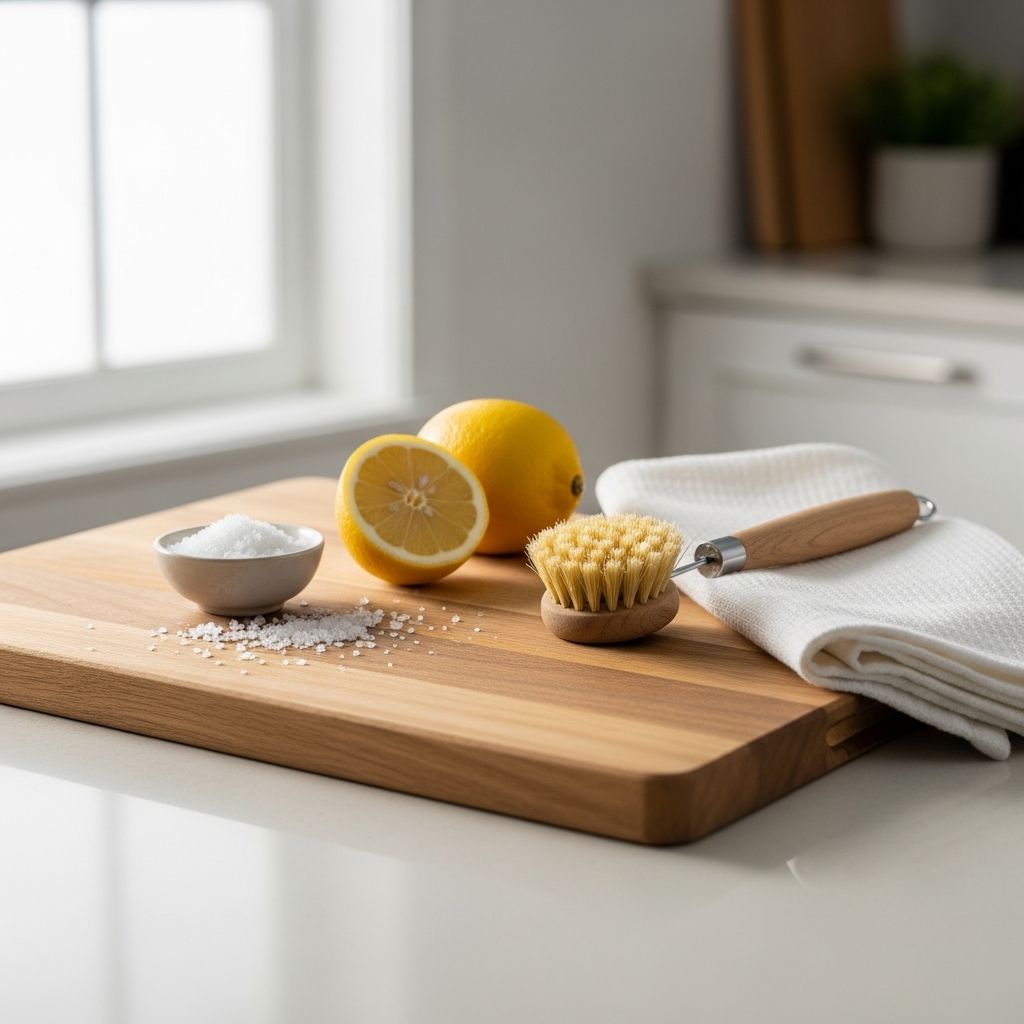
Strong-smelling foods like garlic and onions can leave lingering odors in your wood cutting board. The most effective natural solution involves combining fresh lemon juice with coarse salt. Spread coarse salt across the board’s surface, then cut a fresh lemon in half and scrub the board vigorously, squeezing the lemon juice as you work. The salt acts as a gentle abrasive while the citric acid neutralizes odor-causing compounds.
Allow this mixture to sit for several minutes to work its magic on stubborn smells. The salt and lemon juice combination not only eliminates odors but also gently cleans and refreshes the wood surface. After the mixture has worked, scrape away the remaining salt and lemon residue, rinse thoroughly with water, and dry completely.
Baking Soda for Deodorizing
Baking soda serves as another excellent natural deodorizer. Sprinkle baking soda generously across your cutting board and let it sit for 15-20 minutes. The baking soda absorbs odor-causing compounds from the wood. After the waiting period, wipe away the baking soda with a damp cloth and rinse thoroughly. You can also create a paste by mixing baking soda with water, applying it to the board, and scrubbing gently before rinsing clean.
Monthly Deep Cleaning Routine
Intensive Sanitization Process
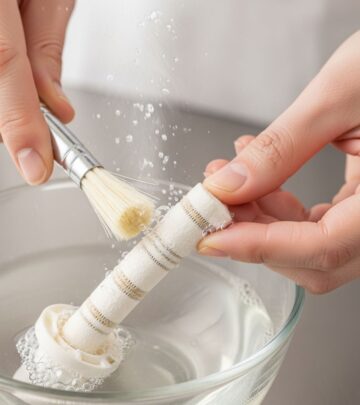
Once monthly, give your wood cutting board a thorough deep cleaning beyond your daily routine. Create a cleaning solution by adding 4-5 drops of bleach to a small bowl of cold water. Using a soft-bristled brush (a fingernail brush works well), gently clean the entire surface using small circular motions. Be careful not to soak the wood with excessive water, as this can cause damage.
Move the brush across the board’s surface systematically to ensure every area receives attention. Pay particular focus to any grooves, carved edges, or areas with visible stains. After completing the brushing, wipe the surface immediately with a damp paper towel to remove the bleach solution, followed immediately by a dry cloth to prevent water absorption.
Restoration and Maintenance
After deep cleaning, consider performing a restoration treatment. Mix one tablespoon of baking soda, one tablespoon of salt, and one tablespoon of water to create a gentle paste. Dip a clean, dry cloth into this paste and buff the board’s surface gently, working in the direction of the wood grain. This technique removes surface stains and helps restore the board’s appearance.
Once you’ve finished buffing, wipe the surface with a clean damp cloth to remove the paste, followed by a thorough dry with a clean cloth. This monthly deep cleaning combined with restoration helps maintain your board’s appearance and extends its useful lifespan.
Proper Drying and Storage Practices
Importance of Thorough Drying
Never underestimate the importance of complete drying after cleaning. Moisture is the enemy of wood—standing water and trapped moisture beneath the board promote bacterial growth and cause wood damage. Always dry your cutting board immediately and completely after cleaning and rinsing.
Store your board upright or propped at an angle when not in use. This positioning allows any moisture to drain away and prevents water from pooling on the surface or underneath. Never store a damp cutting board flat in a drawer or cabinet, as trapped moisture underneath can lead to bacterial growth and wood deterioration.
Preventing Moisture Damage
Between uses, keep your cutting board in a dry location with good air circulation. Avoid storing boards near the kitchen sink or in damp areas. If your kitchen is particularly humid, consider storing boards vertically where air can circulate freely on all sides. This practice prevents moisture accumulation and extends the life of your boards significantly.
Re-Oiling and Reconditioning Your Boards
Weekly Oiling for Protection
Regular oiling is essential for maintaining your wood cutting board’s condition and protective qualities. Food-safe mineral oil seals the wood and prevents it from drying out, cracking, or splitting. Apply mineral oil weekly to keep your board in optimal condition.
To oil your board, apply a thin, even coat of food-safe mineral oil across the entire surface, including edges and the bottom. Use a clean cloth or paper towel to rub the oil in, working with the grain. Allow the oil to absorb for several hours or overnight before using the board again. This simple weekly maintenance dramatically extends your cutting board’s lifespan and maintains its beauty.
Refinishing and Deep Reconditioning
Over time, even well-maintained boards develop stains, marks, or areas where the finish wears thin. When this occurs, light sanding can restore your board’s appearance. Sand the surface evenly using fine-grit sandpaper, moving in the direction of the grain. This removes surface stains, light scratches, and knife marks while creating an even finish.
After sanding, wipe away all dust with a damp cloth and dry thoroughly. Then apply food-safe mineral oil generously and allow it to soak in completely. This reconditioning process refreshes the board and can make it look nearly new again. For boards with severe damage or deep grooves that trap bacteria, more extensive restoration might be necessary.
Choosing the Right Wood for Food Safety
Best Wood Species for Cutting Boards
Not all wood types are equally suitable for food preparation. Hardwoods with closed grain structures naturally resist bacterial absorption and are the preferred choice for cutting boards. Woods like maple, walnut, and cherry offer excellent properties for food safety and durability. These hardwoods are trusted in commercial kitchens and food manufacturing facilities worldwide.
The closed grain structure of these premium woods prevents liquids and bacteria from penetrating deeply, making them easier to clean and sanitize. Additionally, research has shown that these hardwoods actually possess natural antimicrobial properties that help kill bacteria upon contact. When purchasing a new cutting board, prioritize quality hardwoods that will serve you reliably for years.
When to Replace Your Cutting Board
Signs It’s Time for a New Board
Even with excellent maintenance, wood cutting boards eventually reach the end of their useful life. Deep grooves, severe cracks, and permanent stains are signs that replacement time has arrived. When grooves become too deep, bacteria can hide in crevices where sanitizing solutions cannot effectively reach, creating potential food safety risks.
If your board has visible cracks that extend through the wood, bacteria can penetrate deep into these fissures, making complete disinfection impossible. In high-volume cooking environments, professional kitchens replace boards on a regular schedule to ensure food safety standards. For home use, inspect your boards regularly and replace them when damage becomes significant.
Quick Reference: Cutting Board Maintenance Schedule
| Frequency | Task | Method |
|---|---|---|
| Daily | Basic cleaning | Hot water and soap, vinegar spray |
| Daily (after meat) | Sanitization | Vinegar followed by hydrogen peroxide |
| Weekly | Oil treatment | Apply food-safe mineral oil |
| Monthly | Deep cleaning | Bleach solution with soft brush |
| As needed | Odor removal | Lemon and salt or baking soda |
| Annually | Deep reconditioning | Light sanding and generous oiling |
Frequently Asked Questions About Wood Cutting Board Care
Q: Can I put my wood cutting board in the dishwasher?
A: No. Dishwashers subject wood to prolonged moisture exposure and high temperatures, which causes warping, cracking, and splitting. Always hand wash your wood cutting boards with minimal water and dry them immediately.
Q: Is wood safe for cutting raw meat?
A: Yes. Research shows that wood’s natural properties trap and kill bacteria quickly. However, you should still use the vinegar and hydrogen peroxide sanitization method after preparing meat to ensure food safety.
Q: How often should I oil my cutting board?
A: Apply food-safe mineral oil weekly for optimal maintenance. This prevents the wood from drying out, cracking, and maintains its protective properties and appearance.
Q: What’s the best way to remove deep stains from wood?
A: Light sanding with fine-grit sandpaper removes most surface stains and marks. Sand in the direction of the grain and follow with thorough oiling to restore the board’s appearance.
Q: Can I use bleach on wood cutting boards?
A: Yes, but only in diluted form—1 teaspoon bleach per quart of water for monthly deep cleaning. Always rinse thoroughly and dry immediately to prevent water damage to the wood.
Q: What should I do if my board develops mold or mildew?
A: This indicates moisture problems. Increase oiling frequency and improve air circulation around the board. For existing mold, clean with the diluted bleach solution, then dry thoroughly and oil generously.
References
- How to Sanitize Wood Cutting Boards (& When to Replace Them) — Arnold Wood Turning. 2025. https://www.arnoldwood.com/blog/how-to/sanitize-cutting-boards/
- Best Way to Clean a Cutting Board — Instructables. 2025. https://www.instructables.com/Best-Way-to-Clean-a-Cutting-Board/
- The Best Way to Clean Your Wood Cutting Board — Clean That Up, YouTube. March 8, 2025. https://www.youtube.com/watch?v=pgRR05SCsmM
- Antimicrobial Cutting Boards: The Role of Wood in Food Safety — Food Safety Research Institute. 2024. https://www.fsis.usda.gov/
- Proper Kitchen Equipment Sanitation Standards — CDC Food Safety Guidelines. 2024-12-03. https://www.cdc.gov/foodsafety/
Similar Articles






Read full bio of medha deb