The Complete Guide to Reviving Stained Baking Sheets
Gentle, effective ways to restore your baking sheets without damaging the metal.
How to Deep Clean and Restore Your Baking Sheets
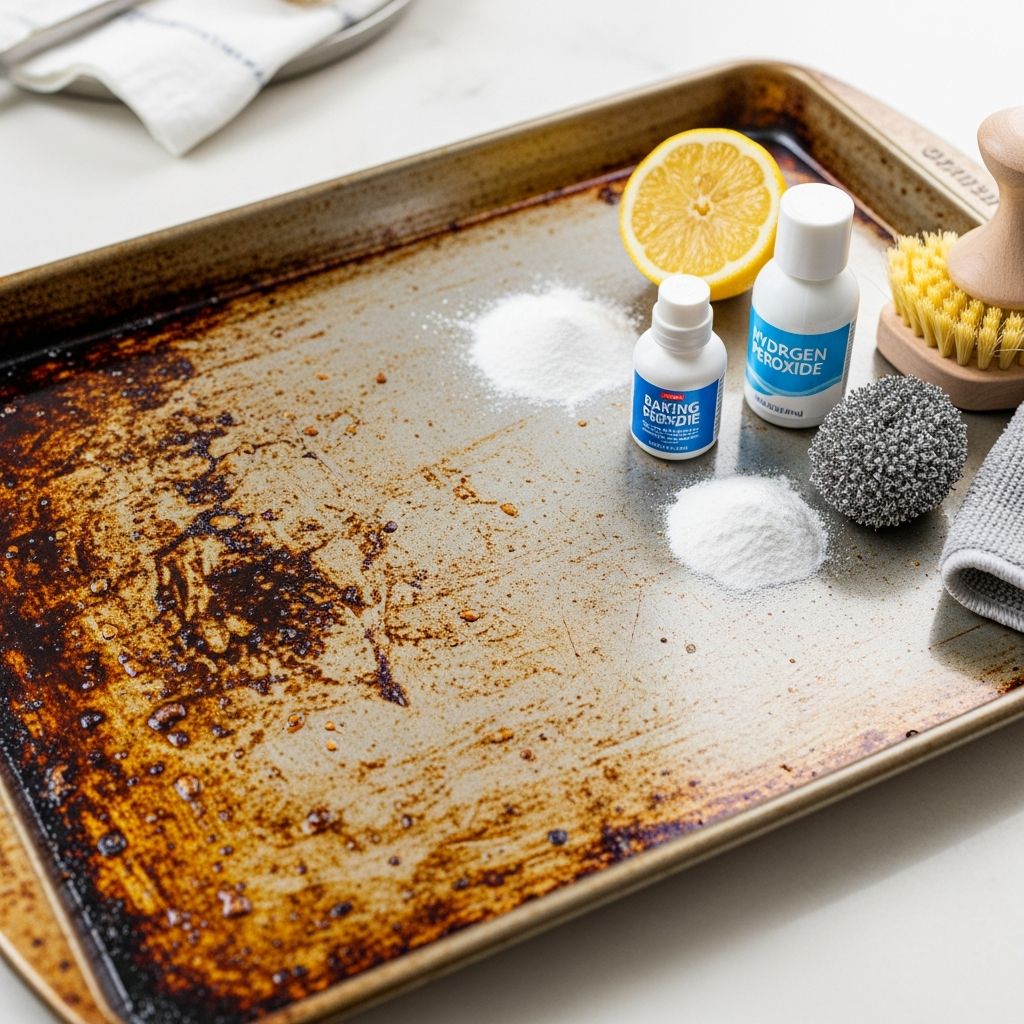
Baking sheets take a beating from weeknight dinners, cookies, and roasted vegetables. Over time, they develop dark stains, sticky residue, and baked-on grease that seem impossible to remove. With the right strategies and a little patience, you can dramatically improve the look and performance of most baking sheets while protecting their finish.
Understanding Different Types of Baking Sheets
Not all baking sheets are made from the same material, and each type responds differently to cleaners, scrubbing, and high heat. Knowing what you own helps you avoid scratches, warping, or peeling coatings.
| Material | Typical Appearance | Key Care Considerations |
|---|---|---|
| Uncoated aluminum | Light silver, may darken with age | Avoid strong bleach, expect some permanent discoloration over time. |
| Stainless steel | Shiny silver, heavier weight | More resistant to rust, can tolerate firmer scrubbing than nonstick. |
| Nonstick / coated | Dark or colored coating, slick surface | No steel wool or highly abrasive pads; avoid high heat and harsh chemicals. |
| Enamel-coated steel | White or colored glossy coating | Chips if struck or scratched; favor gentle tools and non-abrasive cleaners. |
Before you clean, quickly identify the material and look for any manufacturer care notes on the bottom of the pan. When in doubt, err on the side of gentler cleaners and softer sponges.
Pre-Clean Checklist: What to Do Before Scrubbing
A short prep step makes every cleaning method more effective and may prevent you from over-scrubbing the pan. Aim to loosen as much residue as possible before reaching for heavier-duty techniques.
- Allow the baking sheet to cool completely so it does not warp when exposed to water.
- Scrape any loose, flaky bits of food with a plastic scraper or a silicone spatula.
- Rinse the pan under warm water to soften surface grease and visible residue.
- Soak the sheet in hot, soapy water for 15–30 minutes when you are dealing with a fresh mess.
After this pre-clean, reassess the pan. Light discoloration or stains may be acceptable patina and do not necessarily require aggressive cleaning if the surface feels smooth and non-greasy.
Method 1: Everyday Soap and Hot Water
For routine cleanup and lightly used pans, basic dish soap and hot water are usually enough. This is the safest starting point for any material, especially coated and nonstick sheets.
Steps for Gentle Daily Cleaning
- Fill the sink with hot water and add a small amount of grease-cutting dish soap.
- Submerge the baking sheet fully, if possible, and let it soak for 10–20 minutes.
- Use a soft sponge or non-scratch scrub pad to work on greasy areas in circular motions.
- Rinse thoroughly, then dry immediately with a clean towel to minimize water spots and rust.
This basic method protects nonstick coatings and enamel surfaces. If you still see brown or black areas that feel rough, move on to deeper-cleaning techniques.
Method 2: Baking Soda Paste for Stubborn Residue
Baking soda is mildly abrasive and works well on stuck-on grime and general discoloration without the harshness of steel wool. It is especially helpful on uncoated aluminum and stainless steel baking sheets.
How to Use a Baking Soda Paste
- Sprinkle an even layer of baking soda over the stained areas of the dry pan.
- Add small splashes of warm water until the baking soda forms a spreadable paste.
- Use your fingers or a soft brush to distribute the paste across the stains.
- Let the mixture sit for 20–40 minutes so it can soften the baked-on residue.
- Scrub gently with a non-scratch pad, focusing on the darkest patches.
- Rinse away all paste and dry completely.
Repeat the process if needed, but stop if you notice the surface becoming dull or scratched. Accept that some discoloration on aluminum is permanent and does not affect performance.
Method 3: Natural Acid + Abrasive for Grease and Burn Marks
When grease has burned onto the pan and basic soaking does not work, pairing a mild acid with a gentle abrasive can help. This approach helps break down oils while providing enough grit to lift them away.
Common Natural Combos
- White vinegar and baking soda: Good for general oil and light discoloration.
- Lemon juice and salt: Useful for small rust spots and dark marks on stainless steel.
- Vinegar and fine salt: Helps loosen sticky residue near the rim and corners.
Example: Vinegar and Baking Soda Routine
- Sprinkle a thin layer of baking soda over the dirty surface.
- Mist or drizzle white vinegar on top, creating a foaming reaction.
- Let the mixture sit for 15–30 minutes while the bubbles work on the grime.
- Scrub with a sponge or soft brush, adding a few drops of dish soap if the grease is heavy.
- Rinse well with warm water and dry immediately.
Avoid prolonged soaking of uncoated steel in acidic solutions, as this may encourage rust over time. Short contact times followed by thorough drying are best.
Method 4: Targeted Cleaning for Nonstick Baking Sheets
Nonstick coatings can wear out if exposed to overly abrasive pads, strong chemicals, or extremely high temperatures. The goal is to clean the surface enough to remove residue without stripping the coating itself.
Safe Steps for Nonstick Surfaces
- Use only soft sponges or cloths; avoid steel wool, metal brushes, and rough scouring pads.
- Skip oven cleaners and harsh chemical sprays on nonstick coatings.
- Work with warm, soapy water first, then try a mild baking soda paste only on the worst areas.
- Never stack heavy items on a nonstick sheet while it is still warm to prevent warping.
If food begins to stick regularly despite careful cleaning, the nonstick layer may be worn out. At that point, replacing the pan is safer and more effective than resorting to aggressive cleaning methods.
Method 5: Tackling Discoloration on Aluminum and Stainless Steel
Aluminum and stainless steel pans are strong but often show dramatic stains and color shifts from high heat. Some of this is harmless patina, while some is stubborn burnt-on residue. The challenge is deciding when to stop scrubbing.
Approach for Heavily Discolored Pans
- Start with a baking soda paste and moderate scrubbing pressure.
- For stainless steel, switch to a cleaner specifically formulated for stainless surfaces if the paste is not enough.
- Use nylon or plastic scrapers to lift edges of thick, brittle burnt spots.
- Rinse frequently to check progress and prevent over-scratching.
Expect older aluminum baking sheets to keep some gray or golden tint even when perfectly clean. Trying to return them to a factory-fresh silver color can cause more wear than it is worth.
Method 6: Dealing with Rust Spots and Metal Flaking
Rust spots typically appear along the edges, on the underside, or on steel pans that have been left wet too long. Small areas can sometimes be treated, but widespread rust often signals that it is time to replace the sheet.
How to Handle Rust Safely
- Buff tiny rust spots with a fine nylon scrub pad or very fine sandpaper, staying only on the affected area.
- Wash, rinse, and dry thoroughly, then lightly oil the area with a neutral cooking oil.
- Stop using any tray with flaking metal, deep pitting, or peeling coating; these are best discarded.
Avoid using rusty or peeling pans for food, especially if metal flakes could transfer to whatever you are baking or roasting.
Daily Habits That Keep Baking Sheets Cleaner
Once you have restored your baking sheets as much as possible, a few easy habits can help keep them looking better for longer. These small changes prevent grease buildup and reduce how often you need deep cleaning sessions.
- Line pans with parchment paper or silicone baking mats when roasting or baking sticky foods.
- Remove baked-on spills promptly rather than leaving them through repeated oven cycles.
- Avoid aerosol cooking sprays directly on the metal, as they can leave a sticky film over time.
- Hand-wash pans instead of running them through very hot dishwasher cycles, especially nonstick or aluminum.
Storing your sheets vertically in a rack can also reduce scratches and dents caused by stacking heavy cookware on top of them.
Common Mistakes to Avoid
Trying to rescue a dirty baking sheet can lead to damage if the wrong tools or techniques are used. Avoid these frequent errors to extend the life of your pans.
- Using steel wool on coated pans: This can strip nonstick or enamel layers and shorten the pan’s lifespan.
- Soaking indefinitely: Leaving pans in water for long periods encourages rust, warping, and loose handles.
- Cranking up the heat to “burn off” residue: Excessive heat can permanently discolor and warp baking sheets.
- Mixing multiple strong chemicals: Combining cleaners can release dangerous fumes and is unnecessary for household baking sheets.
If you are unsure whether a cleaning method is safe, test it on the underside or a small corner first. That way you can check for discoloration or damage before treating the entire surface.
When It’s Time to Replace Your Baking Sheets
Even with the best care, baking sheets do not last forever. There comes a point where cleaning cannot restore performance or safety, and replacement becomes the better option.
Signs You Should Retire a Pan
- Large areas of peeling nonstick coating or chipped enamel.
- Deep warping that prevents the sheet from sitting flat in the oven.
- Persistent rust, especially near edges, seams, or handles.
- Metal flaking or sharp edges that could cut skin or snag sponges.
Consider keeping old, heavily stained but structurally sound sheets for messy tasks like broiling bacon, then use newer, nicer ones for cookies and baked goods where even browning matters.
Quick Reference Table: Cleaning Methods by Pan Type
| Pan Type | Best Everyday Method | Occasional Deep-Clean Option | What to Avoid |
|---|---|---|---|
| Uncoated aluminum | Hot water, dish soap, soft sponge | Baking soda paste; short vinegar treatments | Bleach, long acidic soaks, aggressive metal scouring |
| Stainless steel | Soapy water and non-scratch pad | Baking soda paste; stainless-steel cleaner | Harsh oven cleaners on a regular basis |
| Nonstick | Warm soapy water, soft sponge only | Mild baking soda paste on isolated spots | Steel wool, abrasive powders, very high heat |
| Enamel-coated steel | Gentle dish soap and soft cloth | Short baking soda soaks, non-abrasive cleaners | Metal tools, heavy impact, sudden temperature shocks |
FAQs About Cleaning Baking Sheets
Why do my baking sheets turn brown even when they’re clean?
The brown or golden tint on baking sheets is often a result of repeated exposure to high heat, oils, and sugars that slightly darken the metal surface over time. As long as the pan feels smooth and free of sticky residue, this patina is usually harmless and does not need to be removed.
Is it safe to use oven cleaner on baking sheets?
Oven cleaner can be too harsh for many baking sheets, especially nonstick or coated pans, and may damage finishes or leave residues you do not want near food. If you choose to use it on plain metal, follow label directions carefully, use it sparingly, and rinse thoroughly before cooking on the pan again.
Can baking sheets go in the dishwasher?
Some stainless steel and dishwasher-safe trays tolerate machine washing, but frequent dishwasher cycles can dull aluminum, discolor nonstick coatings, and encourage rust along edges. Hand-washing with warm, soapy water is usually the safest option for extending the life of your baking sheets.
How can I prevent food from sticking without ruining my pans?
Using parchment paper, silicone baking mats, or a light coating of oil applied with a brush can help prevent sticking while still protecting the pan’s surface. Avoid heavy layers of aerosol spray directly on the metal, as these can build up and turn sticky over time.
Should I worry if my baking sheet is warped?
Minor warping that causes a slight wobble is usually just an inconvenience and may make oil pool around the edges, but the pan is still usable. However, if the sheet is significantly bent, rocks dramatically in the oven, or has cracks or breaks along the edges, replacement is the safest choice.
Final Thoughts
Perfectly shiny baking sheets are not necessary for delicious food, but clean, well-maintained pans bake more evenly and are easier to use. With gentle methods, occasional deep cleaning, and a few protective habits, you can keep your baking sheets in reliable condition for many years of weeknight dinners and weekend baking projects.
Similar Articles






Read full bio of Sneha Tete