How to Clean Area Rugs Yourself: A Complete Guide
Master the art of DIY area rug cleaning with professional results and expert techniques.
Area rugs add warmth, comfort, and aesthetic appeal to any room in your home. However, keeping them clean and well-maintained requires regular attention and proper care. While professional rug cleaning services offer expertise, learning how to clean area rugs yourself can save money and ensure your rugs receive the care they deserve. This comprehensive guide will walk you through everything you need to know about DIY area rug cleaning, from basic maintenance to deep cleaning techniques.
Why Regular Rug Cleaning Matters
Area rugs accumulate dust, dirt, allergens, and stains over time. Regular cleaning not only keeps your rugs looking fresh and vibrant but also extends their lifespan significantly. Neglecting rug maintenance can lead to permanent staining, odor problems, and deterioration of the fibers. By implementing a consistent cleaning routine, you protect your investment and maintain a healthier indoor environment for your family.
Preparing Your Rug for Cleaning
Before you begin the cleaning process, proper preparation is essential for achieving the best results. Start by vacuuming your rug thoroughly to remove surface dust and debris. Use a vacuum with a beater bar or brush roll for best results, but be gentle with delicate or antique rugs. Check the rug’s manufacturer label for specific cleaning recommendations and fiber content, as different materials require different approaches.
Move furniture off the rug and inspect it for any visible stains or problem areas. Test any cleaning solution on a hidden corner of the rug first to ensure it won’t cause discoloration or damage. This spot test is crucial for protecting your rug from potential harm. If your rug has fringe or tassels, protect them by wrapping them in plastic or securing them away from the cleaning area.
Essential Tools and Materials
Having the right tools makes the cleaning process more effective and efficient. Here are the basic supplies you’ll need:
- Vacuum cleaner with adjustable height settings
- Soft-bristled brush or carpet brush
- Clean white towels or cloths
- Spray bottles for applying cleaning solutions
- Bucket for mixing cleaning solutions
- Sponges or soft cloths for scrubbing
- Mild dishwashing liquid or rug-specific cleaner
- White vinegar for natural cleaning
- Baking soda for odor removal
- Carpet cleaning machine (optional but recommended for deep cleaning)
Basic Stain Removal Techniques
Acting quickly when spills occur is the key to preventing permanent stains. The moment you notice a spill, blot the area with a clean, dry cloth to absorb as much liquid as possible. Never rub or scrub immediately, as this can push the stain deeper into the fibers and make it harder to remove.
For liquid spills, continue blotting with fresh sections of cloth until no more moisture comes up. For solid debris, use a spoon or dull knife to gently lift the material. Once you’ve removed the excess, apply your cleaning solution using a spray bottle, working from the outside of the stain toward the center to prevent it from spreading.
Allow the cleaning solution to sit for a few minutes to break down the stain, then blot again with clean cloths. Rinse the area with cool water and blot once more to remove any residue. Common household stains like coffee, wine, and pet accidents respond well to a mixture of one tablespoon of liquid dishwashing detergent, one tablespoon of white vinegar, and two cups of warm water.
DIY Cleaning Solutions for Different Stains
Creating effective cleaning solutions at home is both economical and environmentally friendly. Here are several recipes for tackling different types of stains:
All-Purpose Rug Cleaner
Mix one tablespoon of liquid dish soap, one tablespoon of white vinegar, and two cups of warm water. This solution works well for general dirt and light stains. Spray it on the affected area, let it sit for five minutes, and blot thoroughly.
Tough Stain Solution
Combine one-quarter teaspoon of liquid dish soap, one teaspoon of white vinegar, and one cup of warm water. This more concentrated solution tackles stubborn stains. Use sparingly to avoid over-wetting your rug, and always blot afterward.
Baking Soda Treatment
Sprinkle baking soda directly on stains and odor-prone areas. Let it sit for 15 to 30 minutes, then vacuum thoroughly. This method is particularly effective for pet odors and absorbing moisture from fresh spills.
Vinegar and Water Solution
Mix equal parts white vinegar and water for a natural, non-toxic cleaning option. This solution is safe for most rug types and effectively removes mineral deposits and odors.
Deep Cleaning Methods
While spot cleaning handles immediate spills, periodic deep cleaning removes embedded dirt and maintains rug freshness. Several effective methods work well for DIY rug cleaning.
Manual Scrubbing Method
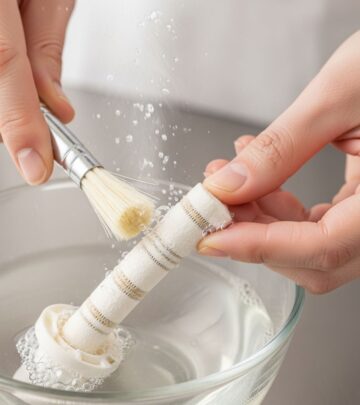
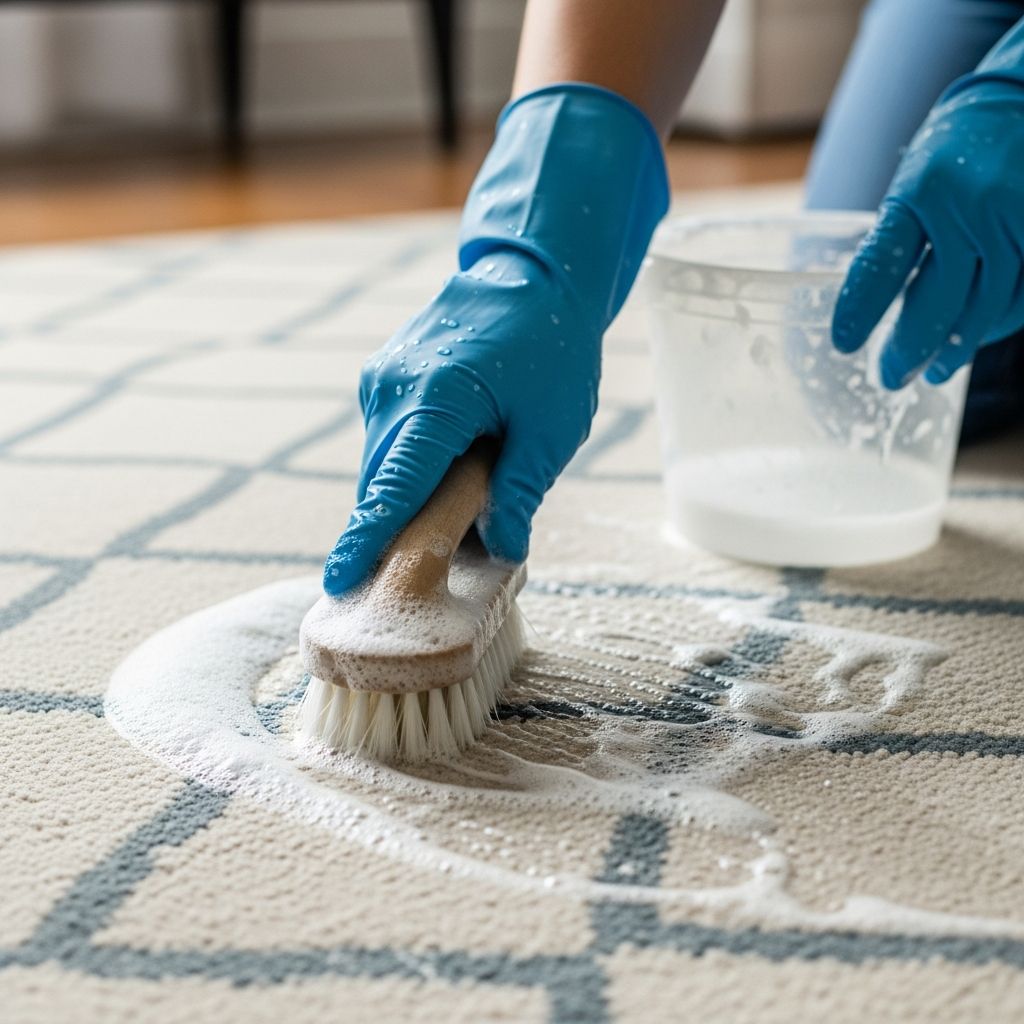
This traditional approach uses elbow grease but requires no special equipment. Apply your cleaning solution generously to the rug and work it in using a soft-bristled brush with circular motions. Pay extra attention to high-traffic areas where dirt accumulates. Allow the solution to sit for 10 to 15 minutes, then rinse thoroughly with clean water and blot dry.
Carpet Cleaning Machine Rental
Many hardware and home improvement stores rent carpet cleaning machines at reasonable daily rates. These machines combine hot water and cleaning solution to extract dirt from deep within rug fibers. They’re significantly more effective than manual methods for thorough cleaning. Fill the machine’s tank with the appropriate cleaning solution, follow the manufacturer’s instructions, and work systematically across the entire rug.
Shampoo Method
Rug-specific shampoos create abundant foam that lifts dirt and stains to the surface. Dilute the shampoo according to package directions, apply it with a brush, and let it sit briefly. Vacuum up the foam and moisture, then rinse with clean water and repeat vacuuming until no shampoo residue remains.
Drying Your Rug Properly
Proper drying is critical to prevent mold, mildew, and odors. After cleaning, remove as much moisture as possible by blotting with clean towels. For best results, use fans to improve air circulation around the rug. Open windows if weather permits to promote evaporation. Avoid walking on the rug until it’s completely dry, which typically takes 24 to 48 hours depending on humidity and rug thickness.
Never use heat sources like hair dryers or space heaters to speed drying, as excessive heat can damage rug fibers and adhesives. If your rug still feels damp after 48 hours, consider using a dehumidifier to extract moisture from the air.
Protecting Your Rug from Future Stains
Prevention is easier than remediation. Applying a rug protectant spray creates a barrier against stains and spills, allowing you more time to blot before permanent damage occurs. Professional-grade protectants are available for purchase, or you can apply them yourself following product instructions.
Establish a no-eating policy in rooms with valuable area rugs to minimize spill risks. Use rug pads underneath to prevent movement and reduce dirt accumulation at the rug’s edges. Rotate your rug seasonally to ensure even wear and sun exposure.
Maintenance Tips for Long-Term Care
Consistent maintenance extends your rug’s life and preserves its appearance. Vacuum high-traffic areas weekly and the entire rug at least biweekly. This regular maintenance prevents dirt from becoming embedded in the fibers. During shedding season, a lint roller can help manage loose fibers without damaging the rug.
Schedule deep cleaning once or twice annually, depending on traffic levels and household conditions. Pet owners and households with children may need more frequent cleaning. Sunlight exposure can fade rug colors over time, so use curtains or blinds to limit direct sunlight in rooms with area rugs.
When to Call Professional Cleaners
While DIY cleaning handles most situations effectively, professional help becomes necessary for certain circumstances. Antique or delicate rugs require professional expertise to avoid damage. Severe staining from sources like red wine, ink, or pet accidents may benefit from professional treatment. If your rug smells musty or shows signs of mold growth, professional restoration is recommended.
Some rug materials like silk, wool, or hand-knotted designs need specialized care that professionals provide. When in doubt, consult a professional cleaner rather than risk damaging a valuable rug.
Common Mistakes to Avoid
Understanding common cleaning mistakes helps you achieve better results and prevent damage. Over-wetting your rug can lead to mold growth and backing damage. Use cleaning solutions sparingly and extract as much liquid as possible. Rubbing stains instead of blotting pushes them deeper into fibers and can damage the material.
Using hot water on protein-based stains like blood or egg sets them permanently. Stick with cool or lukewarm water for these stains. Mixing different cleaning products can create harmful chemical reactions, so use one solution at a time. Never use bleach on colored rugs unless specifically directed by the manufacturer, as it causes permanent discoloration.
Frequently Asked Questions
Q: How often should I vacuum my area rug?
A: Vacuum high-traffic areas weekly and less-used sections biweekly. Increase frequency in households with pets, children, or allergy sufferers.
Q: Can I use regular carpet cleaner on my area rug?
A: Many regular carpet cleaners work fine, but always test on a hidden corner first. Check your rug’s care label and avoid harsh chemicals that could damage natural fibers.
Q: What’s the best way to remove pet odors from rugs?
A: Sprinkle baking soda on affected areas, let sit for 30 minutes, then vacuum thoroughly. For persistent odors, use enzymatic cleaners designed to break down pet waste odors.
Q: How long does it take for a rug to dry after cleaning?
A: Most rugs dry within 24 to 48 hours. Factors like humidity, room temperature, and rug thickness affect drying time. Use fans to speed the process.
Q: Is vinegar safe to use on all types of rugs?
A: Vinegar works well on most synthetic and wool rugs but can damage delicate natural fibers. Test on a small, hidden area first to ensure compatibility.
Conclusion
Learning how to clean area rugs yourself empowers you to maintain your home’s comfort and appearance while saving money on professional services. By following these techniques, using the right tools and solutions, and maintaining a consistent cleaning schedule, your area rugs will remain fresh, clean, and beautiful for years to come. Remember that immediate action on spills, proper drying procedures, and preventive measures form the foundation of effective rug care. With these skills and knowledge, you’re well-equipped to handle any rug cleaning challenge that comes your way.
References
- Carpet and Rug Institute — Cleaning and Care Guide — The Carpet and Rug Institute. 2024. https://www.carpet-rug.org/
- Environmental Protection Agency — Indoor Air Quality and Household Cleaning — U.S. Environmental Protection Agency. 2024. https://www.epa.gov/iaq/index.html
- American Cleaning Institute — Stain Removal Guide — American Cleaning Institute. 2024. https://www.cleaninginstitute.org/
- The Spruce — Area Rug Care and Maintenance — Dotdash Meredith Publishing. 2024. https://www.thespruce.com/
- International Textile and Apparel Association — Fabric Care Standards — ITAA. 2023. https://www.itaaonline.com/
Similar Articles


Read full bio of Sneha Tete