How to Clean Black Mold: A Complete Guide
Learn effective methods to safely identify, clean, and prevent black mold in your home.
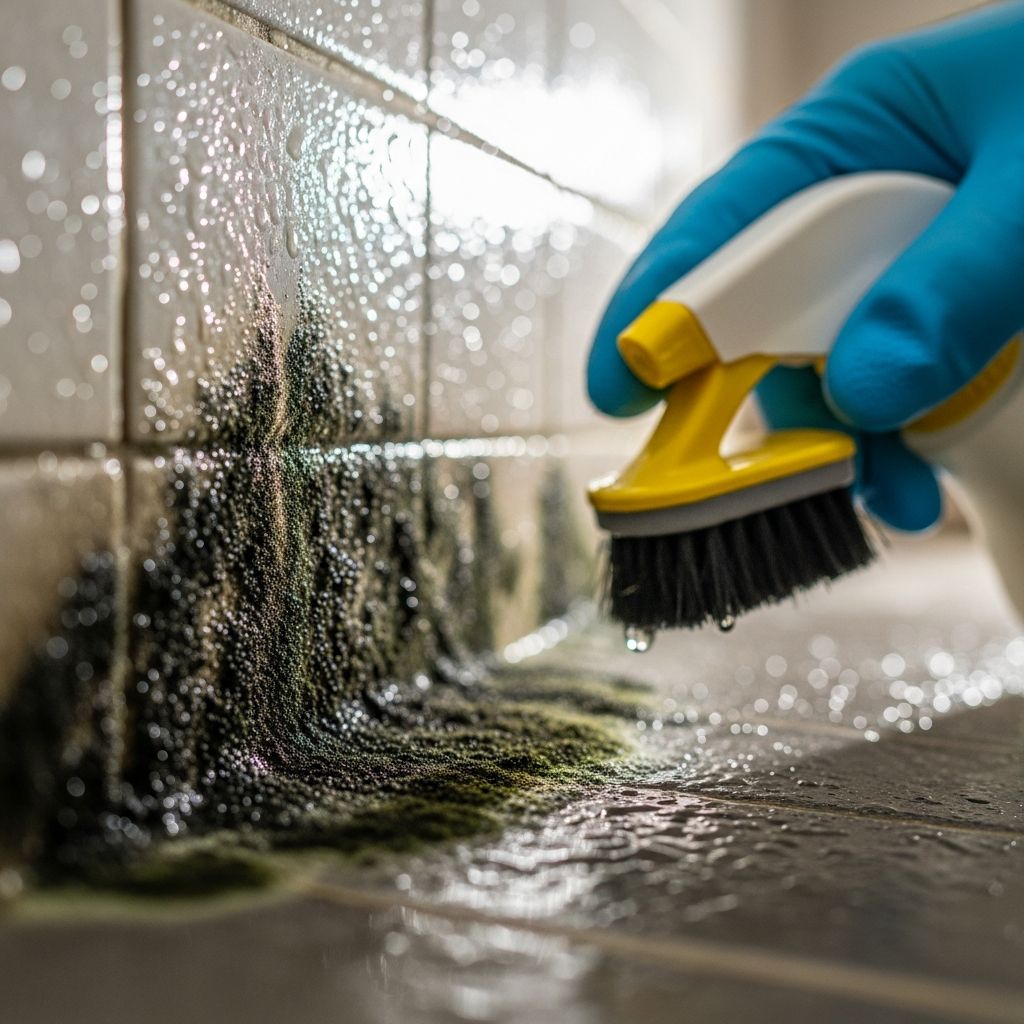
Black mold is one of the most common household problems homeowners face, particularly in bathrooms, kitchens, and areas prone to moisture accumulation. While the appearance of dark spots on walls, ceilings, or grout lines can be alarming, understanding how to properly identify and clean black mold can help you maintain a healthy living environment. This comprehensive guide walks you through everything you need to know about addressing mold in your home, from recognition to remediation and long-term prevention strategies.
Understanding Black Mold
Black mold, scientifically known as Stachybotrys chartarum, thrives in damp, poorly ventilated areas where moisture accumulates. It appears as dark, slimy patches and typically develops on porous surfaces like wood, drywall, and grout. Unlike other mold types, black mold can produce mycotoxins that may cause health issues, particularly for individuals with respiratory sensitivities, allergies, or compromised immune systems. Recognizing the early signs of mold growth is crucial for quick intervention before the problem becomes severe.
Where Black Mold Commonly Grows
Black mold prefers environments with high humidity and poor air circulation. Common locations include:
- Bathroom shower walls and bathtub surrounds
- Under bathroom sinks and in cabinet areas
- Kitchen areas around sinks and dishwashers
- Basement corners and crawl spaces
- Around windows and door frames
- HVAC systems and air ducts
- Attic spaces with roof leaks
- Walls affected by water damage or flooding
Safety Precautions Before Cleaning
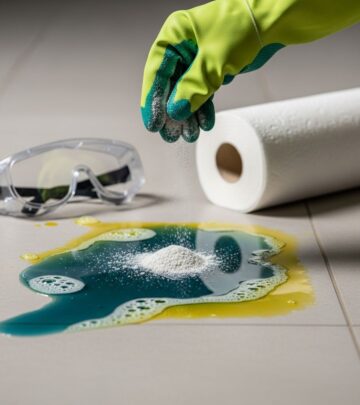
Before attempting to clean black mold, take appropriate safety measures to protect your health and prevent spore dispersal throughout your home. Proper preparation ensures you can clean effectively while minimizing exposure risks.
Essential Safety Equipment
Gather the following items before starting your mold removal project:
- N95 or N100 respirator mask
- Disposable gloves (nitrile or rubber)
- Safety glasses or eye protection
- Long-sleeved clothing
- Plastic sheeting and duct tape for containment
- HEPA filter vacuum (if available)
- Garbage bags for waste disposal
When to Call Professionals
While small mold patches can be cleaned by homeowners, larger infestations require professional remediation. Call a certified mold remediation specialist if:
- The affected area exceeds 10 square feet
- Mold is present in HVAC systems or ductwork
- Mold has penetrated into wall cavities or structural materials
- Water damage from flooding or major leaks caused the mold
- You have respiratory conditions or compromised immunity
- Previous cleaning attempts have been unsuccessful
Steps to Clean Black Mold
Following a systematic approach ensures thorough cleaning and reduces the likelihood of mold returning. These steps work for small to moderate mold problems on accessible surfaces.
Step 1: Ventilate the Area
Open windows and doors to increase air circulation in the affected room. Turn on exhaust fans if available, or position portable fans to direct air toward open windows. This helps prevent mold spores from spreading to other areas of your home.
Step 2: Prepare Cleaning Solutions
You have several options for mold-killing solutions. Choose based on your preference and the surface being cleaned:
- Bleach solution: Mix one part bleach with ten parts water. Use only on non-porous surfaces like tile and glass.
- White vinegar: Use undiluted or with water. Effective on porous surfaces and less toxic than bleach.
- Hydrogen peroxide: Use 3% solution directly on affected areas.
- Commercial mold removers: Follow product instructions carefully.
- Baking soda solution: Mix one teaspoon with water to create a spray.
Step 3: Apply the Cleaning Solution
Spray or apply your chosen cleaning solution generously over the moldy area. Allow it to sit for at least 10-15 minutes to penetrate and kill the mold. This waiting period is crucial for effectiveness, as it gives the solution time to break down the mold structure.
Step 4: Scrub the Surface
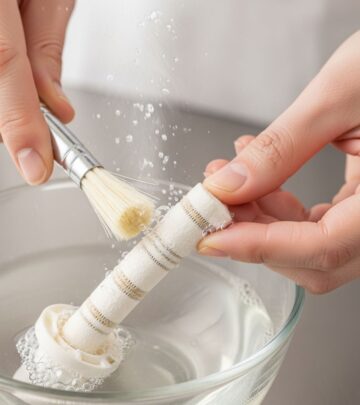
Using a stiff-bristled brush, scrub the moldy area vigorously. For grout lines, a grout brush works particularly well. Apply firm pressure to ensure you’re removing all visible mold. Pay special attention to corners and crevices where mold tends to hide.
Step 5: Rinse Thoroughly
After scrubbing, rinse the area completely with clean water. Use a damp cloth or sponge to wipe away all traces of the cleaning solution and dead mold. Incomplete rinsing can leave residue that may encourage future growth.
Step 6: Dry Completely
This is one of the most critical steps in preventing mold recurrence. Use towels, a shop vacuum, or compressed air to dry the area thoroughly. Leave windows open and fans running for several hours afterward to ensure complete dryness. Any remaining moisture creates an ideal environment for mold to return.
Cleaning Mold from Different Surfaces
Different materials require slightly different approaches to cleaning. Understanding how to treat each surface ensures effective removal without damage.
Bathroom Tiles and Grout
Tiles are non-porous and relatively forgiving to clean. Use a bleach-based solution or commercial tile cleaner. For grout lines, a grout brush or old toothbrush allows you to scrub thoroughly into the crevices. If mold repeatedly returns in grout, consider replacing it with epoxy grout, which is more resistant to moisture and mold.
Caulk and Sealants
Caulk is particularly susceptible to mold growth because it’s porous and absorbs moisture. If mold has thoroughly colonized caulk, replacement is often more effective than cleaning. Remove old caulk with a caulk removal tool, clean the area thoroughly, dry completely, and apply new mold-resistant caulk.
Drywall and Painted Surfaces
Porous surfaces like drywall absorb moisture and mold can penetrate deeply. Clean surface mold with a vinegar or hydrogen peroxide solution and a soft brush to avoid damaging the material. However, if mold has penetrated the drywall or if it returns repeatedly, replacement may be necessary to fully eliminate the problem.
Wood Surfaces
Wood is porous and mold can damage its structure if not addressed promptly. Use a wood-safe cleaner or white vinegar solution. After cleaning and drying, consider applying a wood sealant to help protect against future moisture absorption. For severely affected wood, professional treatment or replacement may be required.
Rubber Seals and Weather Stripping
These materials readily develop mold due to their texture and moisture absorption. Clean with a vinegar solution and a stiff brush. For severely affected seals, replacement is often the best solution, as mold can hide within the material’s texture.
Natural Cleaning Alternatives
If you prefer to avoid harsh chemicals, several natural options effectively kill mold. These alternatives are safer to use around children and pets while still providing reliable results.
White Vinegar
Undiluted white vinegar contains acetic acid that kills most mold species. Spray affected areas, wait 30 minutes to an hour, then scrub and rinse. While the smell is strong initially, it dissipates as it dries. Vinegar works particularly well on porous surfaces.
Baking Soda
Mix one teaspoon of baking soda with one cup of water to create a spray. It’s gentler than vinegar or bleach but still effective, particularly for light mold. Apply, scrub gently, and rinse. Repeat as necessary for stubborn spots.
Hydrogen Peroxide
The 3% solution available at most stores is surprisingly effective against mold. Apply directly to the affected area and let sit for 10 minutes before scrubbing. It’s safer than bleach and works on most surface types.
Tea Tree Oil
Mix one teaspoon of tea tree oil with one cup of water in a spray bottle. Though expensive, it’s highly effective and leaves no toxic residue. Allow the solution to sit for 10-15 minutes before wiping.
Preventing Black Mold Growth
Prevention is far more effective than remediation. By controlling moisture and maintaining proper ventilation, you can significantly reduce the likelihood of mold problems developing.
Control Humidity Levels
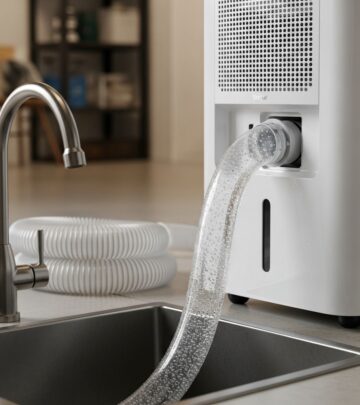
Maintain indoor humidity between 30% and 50%. Use a dehumidifier in particularly damp areas like basements or bathrooms. Run bathroom exhaust fans during and for at least 30 minutes after showers. In kitchens, use range hoods while cooking to remove moisture.
Improve Ventilation
Ensure all bathrooms and kitchens have adequate exhaust fans vented to the outside. Open windows on dry days to allow fresh air circulation. Use portable fans to improve air movement in areas with poor circulation. This helps moisture disperse rather than accumulate.
Fix Leaks Promptly
Even small water leaks create perfect mold environments. Check under sinks regularly, inspect pipes for condensation or drips, and repair roof leaks immediately. Address water damage from flooding or water intrusion within 24-48 hours to prevent mold colonization.
Use Non-Porous Materials
When renovating bathrooms or kitchens, choose non-porous materials resistant to moisture and mold. Acrylic surfaces, sealed stone, and large-format porcelain tiles resist mold better than traditional tile and grout. Frameless shower doors eliminate the moisture-trapping tracks that harbor mold.
Maintain Regular Cleaning
Regular cleaning removes early mold growth before it spreads. Wipe down damp surfaces after showers, clean grout lines monthly, and use squeegees on shower doors. These simple habits prevent moisture accumulation and mold establishment.
Improve Drainage
Ensure gutters are clean and direct water away from your foundation. Grade soil around your home to encourage water drainage away from the structure. In basements, install sump pumps or foundation drainage systems if water intrusion is common.
Use Mold-Resistant Products
When replacing bathroom materials, choose mold-resistant options. Mold-resistant drywall, caulk, paint, and grout are available and worth the investment in moisture-prone areas. These products inhibit mold growth even when moisture is present.
Frequently Asked Questions
Q: Is black mold dangerous?
A: Black mold can produce mycotoxins that cause health issues for sensitive individuals, including respiratory problems, allergies, and asthma aggravation. While not universally toxic, it should be cleaned promptly to avoid potential health effects.
Q: Can I clean black mold myself?
A: Small mold patches (under 10 square feet) on non-porous surfaces can be cleaned by homeowners with proper safety precautions. Larger infestations, mold in HVAC systems, or people with health vulnerabilities should hire professionals.
Q: What’s the best cleaner for black mold?
A: No single cleaner works best for all situations. Bleach works well on tile, vinegar on porous surfaces, and hydrogen peroxide on most materials. Choose based on your surface type and personal preference regarding chemical safety.
Q: How do I prevent mold from returning?
A: The key is controlling moisture through proper ventilation, fixing leaks, maintaining humidity below 50%, and ensuring surfaces dry quickly after exposure to water. Regular cleaning also helps catch early growth.
Q: What should I do if mold returns repeatedly?
A: Recurring mold indicates an underlying moisture problem. Investigate the source—leaks, poor ventilation, or high humidity. Address the root cause rather than just cleaning surface growth. Professional assessment may be necessary.
Q: Is mold in walls dangerous?
A: Mold hidden in walls can be more serious because it affects larger areas and is harder to remove. If you suspect wall mold, have a professional inspection. It may require removal of affected materials rather than simple cleaning.
Q: Can I use bleach on all surfaces?
A: No. Bleach works on non-porous surfaces like tile and glass but can damage porous materials like grout and wood. Always test on an inconspicuous area first, and follow product safety instructions.
References
- Mold Prevention and Control — U.S. Environmental Protection Agency (EPA). 2024. https://www.epa.gov/mold
- Moisture and Mold Assessment and Remediation — Occupational Safety and Health Administration (OSHA). 2024. https://www.osha.gov/dts/shib/shib_012506.html
- Black Mold Health Effects and Exposure Prevention — Centers for Disease Control and Prevention (CDC). 2024. https://www.cdc.gov/mold/faqs.htm
- Bathroom Design and Mold Prevention — National Association of Home Builders. 2024. https://www.nahb.org
- Humidity Control and Indoor Air Quality — American Society of Heating, Refrigerating and Air-Conditioning Engineers (ASHRAE). 2023. https://www.ashrae.org
Similar Articles



Read full bio of Sneha Tete