How to Clean Brass with Vinegar: Easy Guide
Restore your brass shine using simple vinegar solutions and household items.
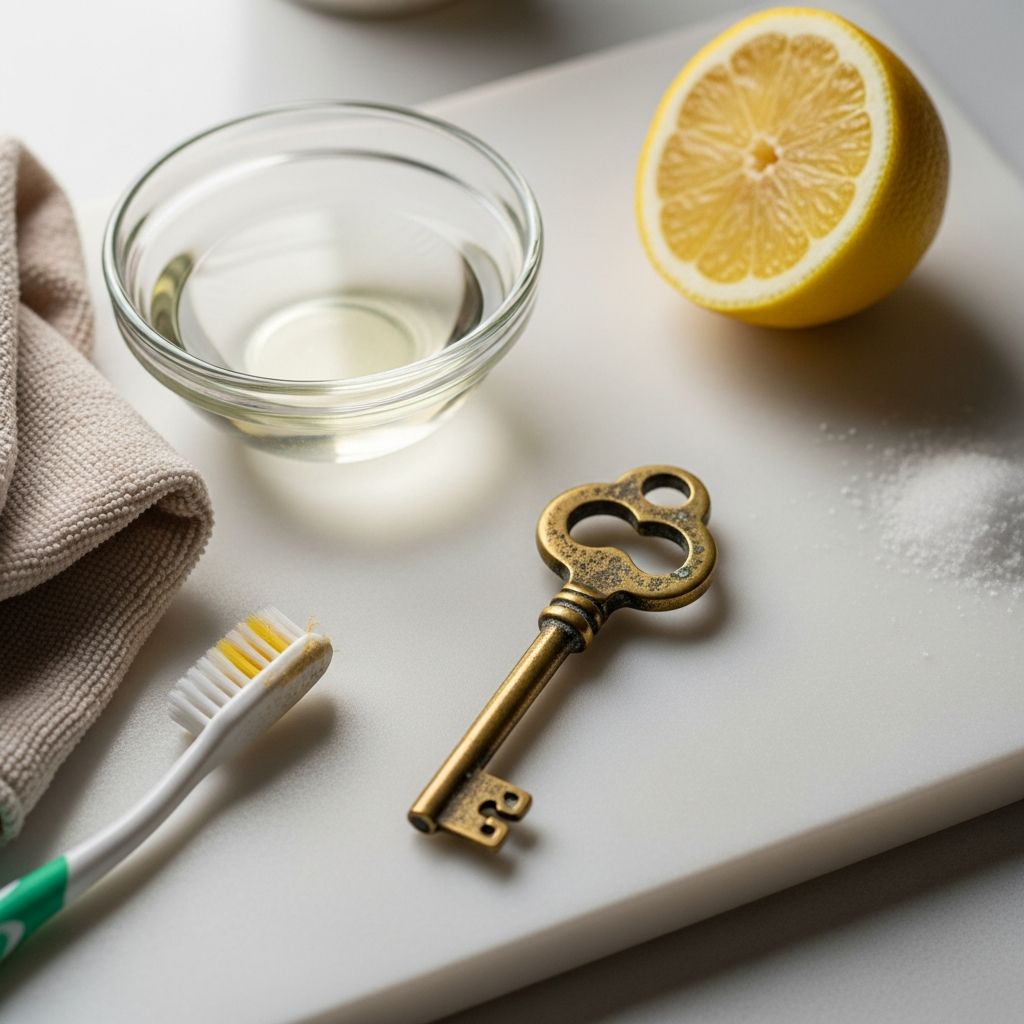
Brass is a beautiful metal alloy that adds elegance and charm to homes, kitchens, and decorative items. However, over time, brass develops a dull patina and oxidation that can make it look tired and neglected. Rather than investing in expensive commercial brass cleaners or professional cleaning services, you can restore your brass items to their original luster using simple household ingredients you likely already have on hand. Vinegar, one of the most versatile cleaning agents available, is particularly effective at removing tarnish and oxidation from brass surfaces. This comprehensive guide will walk you through various methods to clean brass with vinegar, helping you achieve professional-quality results at a fraction of the cost.
Why Vinegar Works for Cleaning Brass
Vinegar is an excellent choice for cleaning brass because of its acidic properties. The acetic acid content in vinegar, typically around 5 percent in household white vinegar, works to break down and dissolve the oxidation layer that forms on brass surfaces. This oxidation, often appearing as a green or brown patina, is a natural process that occurs when brass is exposed to air and moisture over time. The acidic nature of vinegar penetrates this oxidized layer without being so harsh that it damages the underlying brass metal. Additionally, vinegar is non-toxic, environmentally friendly, and safe to use around children and pets, making it an ideal alternative to harsh chemical cleaners. When combined with other household staples like baking soda, salt, or lemon juice, vinegar becomes an even more powerful cleaning solution tailored to different levels of tarnish and oxidation.
What You’ll Need: Essential Supplies
Before beginning your brass cleaning project, gather the following supplies to ensure you have everything necessary for success:
- White vinegar: The primary cleaning agent; ensure it is at least 5 percent acidity
- Soft cloths or microfiber towels: Essential for applying solutions and buffing without scratching
- Soft-bristled brushes: Helpful for reaching crevices and detailed areas on decorative brass items
- Baking soda: Acts as a gentle abrasive and enhances the cleaning power of vinegar
- Salt: Provides additional abrasive action for stubborn tarnish
- Lemon juice: Another acidic option that complements vinegar’s cleaning properties
- Plastic or glass containers: For mixing cleaning solutions; avoid metal containers
- Rubber gloves: Protects your hands from the acidic solution
- Paper towels: For initial cleanup and drying
- Distilled water: For rinsing to prevent water spots
Method 1: Simple Vinegar Soak
The simplest approach to cleaning brass with vinegar is the direct soak method, ideal for smaller brass items, hardware, or decorative objects that aren’t attached to larger structures.
Step-by-Step Instructions:
- Pour white vinegar into a shallow container or bowl, ensuring there is enough to completely submerge your brass item
- Place the brass piece into the vinegar and allow it to soak for 15 to 30 minutes, depending on the level of tarnish and oxidation
- Remove the item and use a soft cloth or soft-bristled brush to gently scrub the surface, paying special attention to areas with heavy tarnish
- Rinse thoroughly under clean running water, ensuring all vinegar residue is removed
- Dry immediately with a clean, soft cloth to prevent water spots and new oxidation
- For extra shine, buff the brass with a dry microfiber cloth using circular motions
This method works exceptionally well for small brass items like door handles, cabinet knobs, old coins, jewelry, and decorative figurines. The extended soak time allows the vinegar’s acidity to work on stubborn tarnish without requiring excessive scrubbing.
Method 2: Vinegar and Baking Soda Paste
For brass items with moderate to heavy tarnish, combining vinegar with baking soda creates a more aggressive cleaning paste that provides both chemical and gentle abrasive action.
Creating and Applying the Paste:
- Mix white vinegar with baking soda in a small bowl until you achieve a paste-like consistency
- Adjust the ratio as needed: start with equal parts and add more baking soda if the mixture is too wet, or more vinegar if it’s too dry
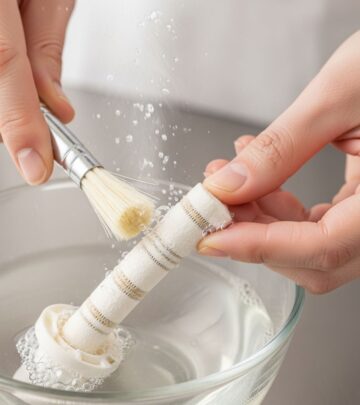
- Apply the paste directly to tarnished areas of the brass using a soft cloth or old toothbrush
- Gently rub the paste into the surface using circular motions, allowing it to sit for 5 to 10 minutes for stubborn tarnish
- Use a damp cloth to wipe away the paste, working in sections until the entire surface is clean
- Rinse thoroughly with distilled water to remove all residue and prevent discoloration
- Dry completely with a soft cloth and buff to a shine
This method is particularly effective for brass fixtures, wall sconces, picture frames, and other decorative items with textured surfaces where the paste can settle into crevices and grooves for thorough cleaning.
Method 3: Vinegar and Salt Solution
When baking soda isn’t available or you need a stronger abrasive action, combining vinegar with salt creates an effective cleaning solution for heavily tarnished brass.
Application Process:
- Mix one tablespoon of salt with one cup of white vinegar in a glass or plastic container
- Stir until the salt completely dissolves
- Dip a soft cloth into the solution and apply it to the brass surface
- For stubborn tarnish, use a soft-bristled brush dipped in the solution to gently scrub affected areas
- Allow the solution to work on the brass for 10 to 15 minutes
- Rinse thoroughly under running water, ensuring no salt residue remains
- Dry immediately with a clean cloth and polish to a finish
The salt provides gentle abrasive action that helps lift tarnish more effectively than vinegar alone, while remaining gentle enough not to scratch the brass. This method is ideal for older brass items that have significant oxidation buildup.
Method 4: Vinegar and Lemon Juice Combination
Lemon juice offers another acidic alternative that can be combined with vinegar for enhanced cleaning power and a fresh scent during the cleaning process.
Using This Method:
- Combine equal parts white vinegar and fresh lemon juice in a container
- Soak brass items in this solution for 15 to 30 minutes
- Alternatively, apply the solution to the brass surface with a soft cloth and let it sit
- Scrub gently with a soft brush if needed to remove stubborn tarnish
- Rinse thoroughly with distilled water
- Dry and buff the brass to restore its shine
This combination offers a more pleasant aroma than vinegar alone and provides the benefit of both citric and acetic acids working together to dissolve oxidation more efficiently.
Tips for Cleaning Different Brass Items
Brass Jewelry
Delicate brass jewelry requires careful handling to avoid damage. Soak pieces in undiluted vinegar for 5 to 10 minutes, then use a soft toothbrush to gently clean intricate details. Rinse with distilled water and dry immediately on a soft cloth. Avoid soaking gemstone-adorned pieces for extended periods, as some stones may be affected by prolonged acid exposure.
Door Hardware and Fixtures
For brass doorknobs, hinges, and kickplates, apply the vinegar and baking soda paste directly to the fixture and let it sit for 10 to 15 minutes. Use a soft cloth to remove the paste, working carefully around any finishes or adjacent materials. For attached fixtures, avoid oversaturating with liquid solutions that could drip onto surrounding surfaces.
Decorative Brass Items
Ornamental brass pieces, such as figurines, vases, and sculptures, benefit from the vinegar soak method. For items with detailed work or engravings, apply paste with a soft brush to ensure the solution reaches all recessed areas. Pay special attention to crevices where oxidation tends to accumulate.
Large Brass Surfaces
For extensive brass surfaces like fireplace screens or large wall plaques, create a spray solution by diluting vinegar with equal parts water. Spray the solution onto the surface, let it sit briefly, and wipe clean with soft cloths. This method prevents oversaturation while still allowing the vinegar to work effectively.
Drying and Buffing for Maximum Shine
Proper drying is crucial to achieving that desired brass shine and preventing new oxidation from forming. Immediately after rinsing, use a clean, dry microfiber cloth to thoroughly dry the entire surface. Avoid leaving any wet spots, as these can lead to new water marks or oxidation. Once completely dry, buff the brass using circular motions with a clean cloth. This buffing action helps restore the metal’s natural shine and creates a protective layer. For extra luster, use a dedicated brass polish after cleaning, or continue buffing with a soft cloth until the desired finish is achieved.
Preventive Maintenance and Long-Term Care
To extend the time between cleanings and maintain your brass items’ appearance, implement regular maintenance practices. Dust brass pieces regularly with a soft, dry cloth to prevent dust and debris accumulation. Avoid touching brass frequently with bare hands, as skin oils can contribute to oxidation. Store decorative brass items in cool, dry locations away from moisture and humidity. For high-use items like door handles, consider applying a clear protective coating designed for brass, which creates a barrier against oxidation while maintaining the metal’s appearance. Keep brass away from harsh chemicals, salty air, and extreme temperature fluctuations, as these accelerate tarnishing.
Safety Considerations
While vinegar is a safe and natural cleaning agent, certain precautions should be observed. Always wear rubber gloves to protect your skin from prolonged acid exposure. Ensure adequate ventilation when working with vinegar, particularly in small enclosed spaces, to avoid inhaling strong fumes. Do not mix vinegar with bleach or other commercial cleaners, as this can produce harmful chemical reactions. Test any cleaning method on a small, inconspicuous area of the brass item first to ensure the method doesn’t cause unexpected discoloration or damage. If brass items have significant sentimental or monetary value, consider consulting a professional conservator before attempting cleaning.
Frequently Asked Questions (FAQs)
Q: How long should I soak brass in vinegar?
A: Soak time typically ranges from 15 to 30 minutes, depending on the level of tarnish. Lightly tarnished items may only need 10 to 15 minutes, while heavily oxidized pieces might benefit from the full 30 minutes. Check progress periodically and adjust soaking time as needed.
Q: Can I use apple cider vinegar instead of white vinegar?
A: While apple cider vinegar contains acetic acid, white vinegar is recommended because it has a higher acidity level and won’t leave colored residues on brass. White vinegar also lacks the sugars found in apple cider vinegar that could leave sticky residue.
Q: Will vinegar damage my brass finish?
A: Vinegar is safe for brass and won’t damage the metal when used properly. However, extended exposure beyond the recommended soaking times or excessive scrubbing might affect certain finishes. Always test on a small area first and follow recommended application times.
Q: How often should I clean my brass items?
A: The frequency depends on environmental conditions and usage. Items in humid environments or with frequent handling may need cleaning every 1 to 3 months. Display pieces in controlled environments might only need annual cleaning. Regular dusting helps reduce the frequency of deep cleaning needed.
Q: Is there a way to prevent brass from tarnishing?
A: While tarnishing is a natural process, you can minimize it by storing brass in dry environments, avoiding excessive moisture exposure, and limiting bare-hand contact. Clear protective coatings specifically designed for brass can provide a barrier against oxidation when properly applied.
Q: Can I clean lacquered brass with vinegar?
A: Lacquered brass has a protective coating that should not be removed with vinegar. Only use dry dusting for lacquered items. If the lacquer has worn away in spots, you can carefully treat those exposed brass areas with vinegar while protecting the remaining lacquer coating.
References
- Vinegar as a Cleaning Agent: Efficacy and Safety — University of Illinois Extension. 2023-06-15. https://extension.illinois.edu/
- Metal Preservation and Conservation Guidelines — Smithsonian Institution Collections Care Center. 2024-01-20. https://www.si.edu/collections
- Brass Alloy Properties and Oxidation Chemistry — American Society for Metals. 2023-09-10. https://www.asminternational.org/
- Household Cleaning Solutions: pH and Effectiveness — EPA Environmental Protection Agency. 2024-02-28. https://www.epa.gov/
- Safe Handling of Acetic Acid in Household Products — CDC National Institute for Occupational Safety and Health. 2023-11-15. https://www.cdc.gov/niosh/
Similar Articles



Read full bio of Sneha Tete