How to Clean a Coffee Maker with Vinegar
Master the art of cleaning your coffee maker with vinegar for fresher, better-tasting coffee every time.
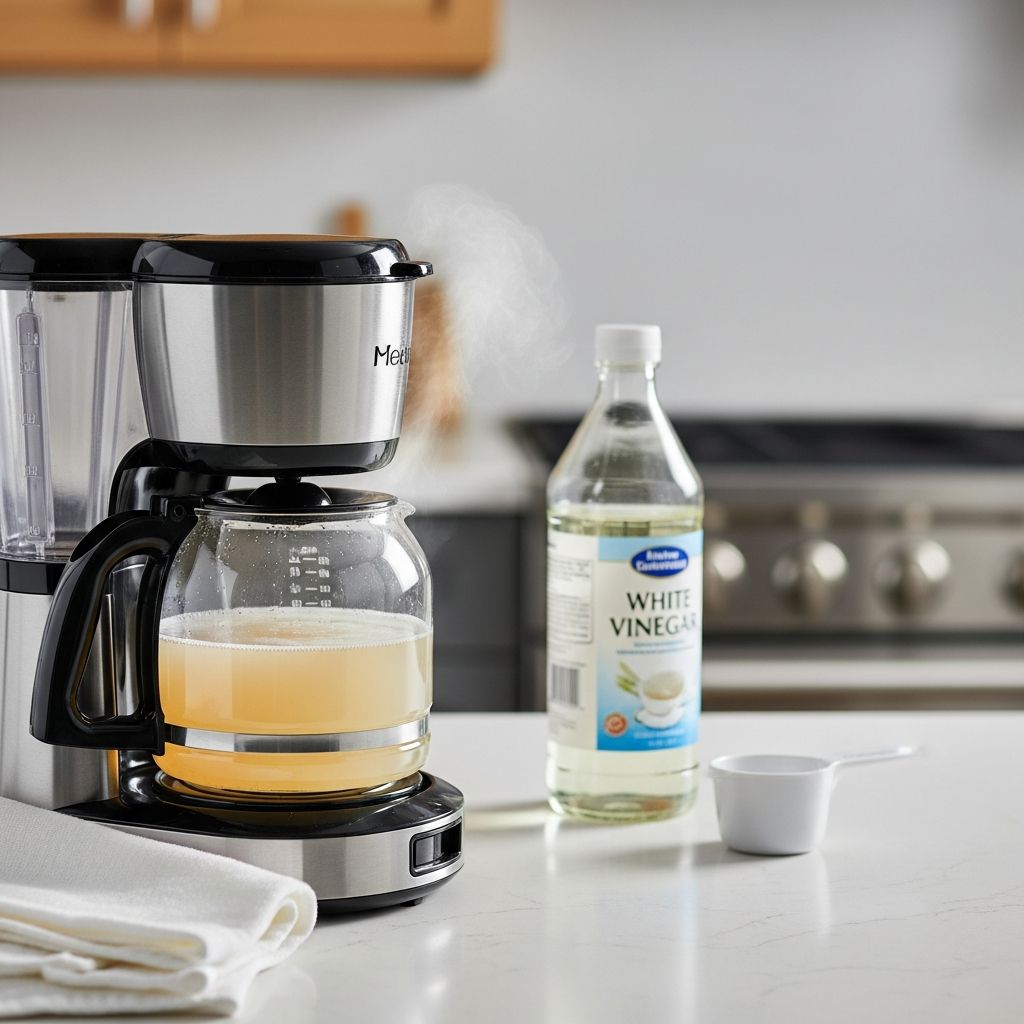
A clean coffee maker is essential for brewing the perfect cup of coffee every morning. Over time, mineral deposits, coffee oils, and residue accumulate inside your coffee maker, affecting both the taste of your brew and the machine’s performance. One of the most effective and affordable ways to maintain your coffee maker is by using white vinegar, a natural cleaning agent that dissolves mineral buildup and descales your machine without harsh chemicals. Whether you have a drip coffee maker or a single-serve brewer, learning how to clean your coffee maker with vinegar will extend its lifespan and ensure every cup tastes fresh and delicious.
Why You Should Clean Your Coffee Maker Regularly
Understanding the importance of regular coffee maker maintenance helps motivate you to stick to a cleaning schedule. Coffee makers accumulate mineral deposits from water, coffee grounds residue, and oils that can create a film inside the machine. These deposits not only affect the flavor of your coffee, making it taste stale or bitter, but they can also slow down brewing time and reduce the efficiency of your appliance. Regular cleaning prevents these issues and keeps your machine functioning optimally. Additionally, a clean coffee maker is more hygienic and reduces the risk of mold or bacteria growth, which can develop in warm, moist environments. By dedicating just a few minutes once a month to cleaning with vinegar, you can enjoy better-tasting coffee and a longer-lasting machine.
What You’ll Need
Before you begin the cleaning process, gather the following supplies to ensure you have everything on hand:
- White vinegar (distilled is preferred)
- Water
- Your coffee maker
- A clean carafe or container
- A soft cloth or sponge
- Optional: baking soda or lemon juice as alternative cleaning agents
The beauty of using vinegar to clean your coffee maker is that it’s likely already in your kitchen pantry. White vinegar is an inexpensive, natural cleaning solution that effectively breaks down mineral deposits and eliminates odors without damaging your machine or leaving toxic residues.
Step-by-Step Guide to Cleaning Your Coffee Maker with Vinegar
Step 1: Empty and Prepare Your Coffee Maker
Begin by unplugging your coffee maker from the electrical outlet to ensure safety. Remove any leftover coffee from the carafe and discard it. Take out the filter basket and dispose of any used coffee grounds. If you use a reusable filter, rinse it thoroughly under running water. This initial step is crucial because it allows you to access the internal components of your machine and prevents old grounds from interfering with the cleaning process. Make sure the machine has cooled down completely before proceeding to the next step.
Step 2: Create the Vinegar Solution
The key to an effective cleaning solution is getting the right ratio of vinegar to water. Fill your coffee maker’s water reservoir with a mixture that consists of one part white vinegar to two parts water. For example, if your reservoir holds ten cups of water, use approximately five cups of white vinegar and five cups of water. Some people prefer a stronger solution with equal parts vinegar and water, especially if their machine has heavy mineral buildup. The vinegar solution works by breaking down calcium deposits and other mineral accumulations that have formed inside your coffee maker during regular use.
Step 3: Run the Brew Cycle
Place an empty carafe or container under the coffee maker’s drip area to catch the vinegar solution as it brews. If your coffee maker has a “Clean” or “Descale” function, use this setting to run the most effective cleaning cycle. If your machine doesn’t have a dedicated cleaning function, simply start the normal brewing cycle as you would when making a regular pot of coffee. Allow the vinegar solution to flow through the entire system, which helps dissolve and remove mineral deposits from all internal components, including the heating element, water lines, and brewing chamber.
Step 4: Let It Sit
Once the brewing cycle is complete, turn off the coffee maker and let it sit undisturbed for at least fifteen to thirty minutes. This resting period is critical because it allows the vinegar solution to penetrate and break down stubborn mineral deposits more effectively. The acetic acid in the vinegar continues to work even after the brewing cycle ends, dissolving calcium buildup that may be resistant to the flowing water. Patience during this step ensures a more thorough cleaning and better results.
Step 5: Empty and Rinse
After the waiting period, carefully empty the carafe containing the brewed vinegar solution. Discard this mixture down the sink and rinse the carafe thoroughly with clean water. If you used a paper filter, dispose of it and replace it with a fresh one. If you have a permanent filter, rinse it well under running water. Wipe down the exterior of the carafe to remove any vinegar residue. This step prepares your machine for the rinsing cycles that follow.
Step 6: Rinse with Water Only (First Cycle)
Refill the water reservoir with fresh, clean water only—no vinegar. Run a complete brewing cycle with plain water to rinse out remaining vinegar from the system. Place a carafe underneath to catch the water. Empty the carafe when the cycle completes. This first water-only cycle begins the process of removing vinegar residue, but one cycle isn’t enough.
Step 7: Rinse Again with Water (Second Cycle)
Repeat step six a second time by running another complete brewing cycle with fresh water only. Empty the water from the carafe. This second rinsing cycle ensures that all vinegar smell and taste are completely removed from your coffee maker. You want to eliminate any possibility of vinegar affecting the flavor of your next pot of coffee. Some coffee makers with heavy buildup may benefit from a third water-only cycle if you still detect a vinegar smell.
Step 8: Clean the Carafe and Parts
While your coffee maker completes the rinsing cycles, take time to thoroughly clean the carafe and other removable parts. Wash the carafe with warm, soapy water and a soft cloth, paying special attention to the interior where mineral deposits may have accumulated. For stubborn stains or mineral spots inside the carafe, try swirling a small amount of uncooked rice with warm water—the friction from the rice gently scrubs away deposits while protecting the glass. Rinse all parts thoroughly and dry them completely before reattaching to your machine.
Alternative Cleaning Methods
Lemon Juice Option
If you don’t have white vinegar on hand or prefer to avoid the vinegar smell, lemon juice is an excellent alternative cleaning agent. Use equal parts fresh lemon juice and water to create your cleaning solution. The citric acid in lemon juice has similar descaling properties to vinegar and will effectively break down mineral deposits. Follow the same brewing and rinsing steps as the vinegar method. The advantage of using lemon juice is that your coffee maker will smell fresher afterward, though you may still want to run a couple of water-only cycles to fully rinse the system.
Baking Soda Method
For a gentler cleaning approach, you can use baking soda, which is particularly effective for removing coffee oil stains and residue. Mix one part baking soda with four parts warm water. Before adding this mixture to your coffee maker, stir it thoroughly in a separate container to prevent clumping. Remove your coffee filter first, as baking soda particles could potentially clog the filter basket. Pour the baking soda solution into the reservoir and run a brewing cycle. Follow up with two water-only cycles to rinse thoroughly. This method is especially good for monthly maintenance cleanings when mineral buildup is light to moderate.
Important Precautions and Tips
Safety Considerations
Always unplug your coffee maker before beginning the cleaning process. Never immerse the electrical base, power cord, or plug in water or vinegar solution, as this poses an electrical hazard. Only clean removable parts like the carafe, filter basket, and water reservoir. If your coffee maker has dishwasher-safe components, you can clean these in the dishwasher as an additional step, but always verify your machine’s manual to confirm which parts are safe for dishwashing. Allow the machine to cool completely before handling to avoid burns from hot surfaces or residual heat.
Frequency and Maintenance
Plan to deep clean your coffee maker with vinegar at least once a month, or more frequently if you have hard water in your area. Hard water contains higher mineral content, which accelerates buildup inside your machine. Additionally, rinse your carafe and filter basket after every use to prevent coffee residue from accumulating. Regular daily maintenance combined with monthly vinegar cleaning will keep your machine in optimal condition. Some people prefer to deep clean every two weeks if they notice their coffee brewing more slowly than usual or if they detect any flavor changes in their coffee.
Vinegar Selection Tips
Use distilled white vinegar for the best results, as it has a consistent acidity level and won’t introduce unwanted flavors. Avoid using apple cider vinegar, as it has a stronger taste that can linger even after rinsing cycles and affect the flavor of your subsequent pots of coffee. Similarly, avoid cleaning vinegars or specialty vinegars that may contain added ingredients. Plain white vinegar from your grocery store’s cleaning supply section is both effective and affordable.
Troubleshooting Common Issues
Persistent Vinegar Smell
If your coffee maker still smells like vinegar after completing the two recommended water-only cycles, run additional cycles with fresh water. Some machines with heavy mineral buildup may require three or even four rinse cycles. You can also try running a cycle with a few drops of lemon juice in water to help neutralize lingering vinegar odors. Another option is to leave the carafe in place overnight with a small container of baking soda inside to absorb remaining odors.
Slow Brewing
If your coffee maker continues to brew slowly even after cleaning, mineral deposits may still be present. This indicates that the vinegar didn’t fully dissolve all the buildup, which can happen if the cleaning solution wasn’t strong enough or wasn’t allowed to sit long enough. Try repeating the cleaning process with a stronger ratio of vinegar to water (equal parts instead of one part vinegar to two parts water), and extend the sitting time to forty-five minutes to one hour.
Leaking Coffee Maker
If you notice leaking during or after cleaning, the gasket or seals may have shifted. Turn off the machine, empty it, and inspect whether all parts are properly assembled. Disassemble and reassemble the carafe and any removable components to ensure they’re seated correctly. If leaking persists, consult your machine’s manual or contact the manufacturer for guidance.
Frequently Asked Questions
Q: How often should I clean my coffee maker with vinegar?
A: For most household coffee drinkers, cleaning your coffee maker with vinegar once a month is sufficient. However, if you have hard water in your area or use your coffee maker daily, you may benefit from cleaning it every two weeks. Daily rinsing of the carafe and filter basket helps reduce the need for frequent deep cleaning.
Q: Can I use apple cider vinegar instead of white vinegar?
A: While apple cider vinegar technically works, it’s not recommended because it has a stronger, more pungent taste that can linger in your machine and affect the flavor of your coffee even after rinsing. Stick with distilled white vinegar for the best results.
Q: Will vinegar damage my coffee maker?
A: No, white vinegar is safe for most coffee makers and won’t damage internal components. However, always check your machine’s manufacturer manual to confirm that vinegar cleaning is recommended for your specific model. Always remember to never immerse the electrical base or power cord in vinegar or water.
Q: What if my coffee maker doesn’t have a “Clean” function?
A: If your coffee maker lacks a dedicated clean function, simply start the normal brewing cycle and allow the vinegar solution to flow through the entire system. This achieves the same cleaning effect as the specialized function would.
Q: Can I use vinegar to clean single-serve coffee makers?
A: Yes, the vinegar cleaning method works for single-serve coffee makers as well. Adjust the vinegar and water ratio based on your machine’s water reservoir capacity. Follow the same steps: run the vinegar solution through, let it sit, and rinse with water-only cycles afterward.
Q: Why does my coffee taste better after cleaning with vinegar?
A: Mineral deposits and coffee oils accumulate inside your machine over time, creating a film that can impart a stale or bitter taste to your coffee. Vinegar dissolves these deposits and removes the film, allowing your coffee’s true flavor to come through clearly. The result is fresher-tasting, more flavorful coffee.
Q: Is it safe to drink the first pot of coffee after vinegar cleaning?
A: It’s best to discard the first pot of coffee brewed after your vinegar cleaning session. Even though you’ve completed water-only rinse cycles, trace amounts of vinegar may remain. Discarding the first pot ensures no vinegar flavor carries into your morning cup.
References
- How To Clean A Coffee Maker The Easy Way — Mr. Coffee. 2024. https://www.mrcoffee.com/blog/how-to-clean-your-coffee-maker-the-easy-way.html
- How to Clean the Coffee Maker — Martha Stewart. 2014. https://www.youtube.com/watch?v=6sljxGhBsmU
Similar Articles



Read full bio of Sneha Tete