How to Clean Copper: Effective Tips for Shiny Copper Surfaces
Discover practical and safe methods to clean and maintain your copper cookware and décor with natural and easy approaches.
How to Clean Copper: Bring Back the Shine
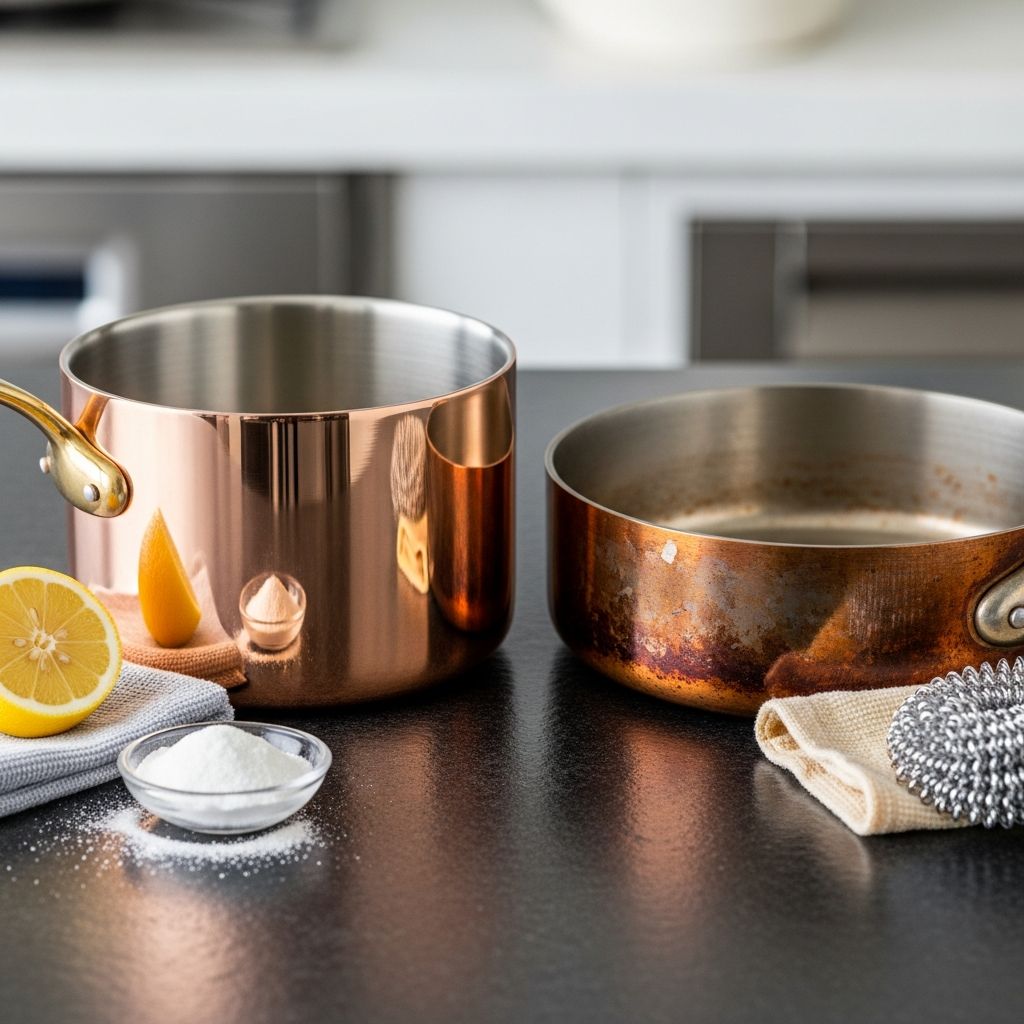
Copper adds warmth and charm to your home, whether through beautiful cookware, decorative pieces, or vintage sinks. However, copper’s natural oxidation can cause it to tarnish, losing its signature vibrant sheen and reddish-orange glow. With the right cleaning techniques, restoring copper to its original brilliance is simple and achievable using items you likely already have in your kitchen.
Why Copper Tarnishes
Copper tarnishes due to a chemical reaction called oxidation, which happens when copper reacts with air and moisture over time. This process forms a layer of patina – a dull, greenish, or dark coating on the surface. While some appreciate the patina as a vintage look, most want their copper bright and clean for cooking or display.
Important Considerations Before Cleaning Copper
- Identify your copper item: Different items (cookware, jewelry, hardware) might require slight variations in cleaning method.
- Check for coating: Some copper items have protective lacquers; harsh cleaning can remove this coating.
- Test in an inconspicuous spot: Always test your cleaning method on a small area to ensure it does not damage your copper.
Simple and Natural Ways to Clean Copper
Many natural household ingredients effectively remove tarnish and polish copper without using harsh chemicals.
1. Lemon and Salt
This classic method combines the acidity of lemon and the abrasiveness of salt to dissolve tarnish and brighten copper.
- Cut a lemon in half and sprinkle salt on the cut side.
- Rub the lemon over the copper surface, squeezing gently to release juice as you scrub.
- For stubborn spots, dip the salt in lemon juice and apply directly with a soft cloth.
- Rinse thoroughly with warm water and dry with a clean, soft cloth to prevent water spots.
2. Vinegar, Salt, and Flour Paste
Make a paste using:
- 1 tablespoon salt
- 1/2 cup white vinegar
- 1 cup flour
Mix these ingredients until smooth. Apply to copper with a cloth, cover the piece entirely, and let sit for 15–20 minutes. Rinse thoroughly and dry.
3. Cream of Tartar and Lemon Juice
Cream of tartar mixed with lemon juice is slightly acidic and abrasively gentle to clean and shine copper without scratching.
- Combine 1 tablespoon cream of tartar with enough lemon juice to form a paste.
- Apply to copper and gently rub using a soft cloth.
- Allow the paste to sit for a few minutes, then rinse and dry.
4. Tomato Ketchup
The mild acids in tomatoes can also effectively remove tarnish.
- Apply a small amount of ketchup on a soft cloth.
- Rub copper surface in circular motions focusing on tarnished areas.
- Leave it on for 5–10 minutes, then rinse and dry.
5. Sourdough Starter (Unusual but Effective)
A surprising but gentle option involves applying sourdough starter. Its natural acids and enzymes help break down tarnish gradually without harsh chemicals. Apply the starter, rub gently, then rinse thoroughly after some minutes.
How to Polish Copper After Cleaning
Once tarnish is removed, polishing copper will enhance its radiant glow and protect it from quick re-tarnishing.
- Use a soft microfiber cloth specifically for polishing.
- You can apply commercial copper polish, but for safer options, buff with a mixture of equal parts flour, salt, and white vinegar.
- Rub in gentle circles until copper shines, then buff with a clean cloth.
How to Prevent Copper Tarnish
Maintaining clean copper longer is easier with regular care.
- Clean regularly: Wipe your copper items after use with a soft cloth to remove oils and moisture.
- Avoid harsh chemicals: Acidic food residue like vinegar or lemon juice left on copper can cause bright spots or faster tarnishing.
- Store properly: Keep copper items in dry places, away from humidity and direct air exposure.
- Use protective coatings: Apply clear lacquer coatings on decorative copper, but note that these need professional application and repair when worn.
Cleaning Copper Cookware – Special Tips
Copper cookware demands careful cleaning to maintain both the copper exterior and the functional cooking surface inside.
- Do not soak: Avoid soaking copper pans for long periods to prevent warping or damage.
- Use mild detergents and soft sponges: Abrasive pads can scratch copper and remove protective layers.
- Boil water with salt in the pan: For stuck-on grime, boil a mixture of water and salt in the pan to loosen residues before cleaning.
- Dry immediately: Always dry cookware quickly to avoid water spotting and oxidation.
Tools and Products for Cleaning Copper
| Tool/Product | Purpose | Notes |
|---|---|---|
| Soft Cloths or Microfiber Towels | Gentle cleaning and polishing | Prevent scratches and swirl marks |
| Salt and Lemon | Natural tarnish remover | Common kitchen ingredients, environmentally friendly |
| Cream of Tartar | Gentle abrasive cleaner | Mix with lemon juice for effective paste |
| Vinegar, Salt & Flour | Create cleaning paste | Powerful homemade cleaner; use with caution on delicate items |
| Commercial Copper Polish | Polishing and cleaning | Effective but chemical-based; wear gloves and follow directions |
Frequently Asked Questions (FAQs)
Q: Is it safe to use lemon juice on all copper items?
A: Lemon juice is generally safe for most copper items but avoid prolonged exposure and always rinse thoroughly. It’s best to test a small hidden area first.
Q: Can I use dishwasher detergent to clean copper?
A: Dishwashers are not recommended for copper as detergents and high heat can strip finishes and cause discoloration.
Q: How often should I clean copper items?
A: For frequently used cookware, clean after each use to prevent buildup. Decorative items may only need cleaning every few months depending on exposure.
Q: How do I remove stubborn tarnish from old copper?
A: Use a paste of vinegar, salt, and flour or consider commercial copper cleaners designed for heavy tarnish. Always follow product instructions carefully.
Q: Can copper cleaning remove the protective coating?
A: Yes, harsh abrasives and some chemical cleaners can remove lacquers or coatings, so gentle methods are preferred on coated copper.
Summary
Cleaning copper to restore its beautiful shine is straightforward with natural household ingredients like lemon, salt, vinegar, and cream of tartar. Avoid harsh chemicals and abrasive tools to protect the metal’s surface. Regular cleaning and polishing preserve copper’s warmth and elegance in your home and kitchen.
References
- How to Clean Copper — HGTV. 2023-08-25. https://www.hgtv.com/lifestyle/clean-and-organize/how-to-clean-copper
- How to Clean Copper — The Home Depot. 2024. https://www.homedepot.com/c/ah/how-to-clean-copper/9ba683603be9fa5395fab900b9b7b92
- The Decades-Old Cleaning Hack That Makes Copper Pots And Pans Shine — AOL. 2024-04-02. https://www.aol.com/decades-old-cleaning-hack-makes-130000360.html
Similar Articles



Read full bio of medha deb