How To Clean A Dishwasher With Vinegar: 6 Easy Steps
Master the art of cleaning your dishwasher naturally using vinegar and simple household items.
How to Clean a Dishwasher with Vinegar
Your dishwasher works hard every day to clean your dishes, but it also needs regular cleaning and maintenance to function properly and keep your kitchenware spotless. Over time, food particles, grease, mineral deposits, and soap scum accumulate inside the machine, leading to unpleasant odors, reduced cleaning performance, and potential mechanical issues. The good news is that cleaning your dishwasher doesn’t require expensive commercial cleaners or harsh chemicals. Vinegar, a common household staple, is a natural and effective solution for removing buildup and restoring your dishwasher to its original condition.
Vinegar’s acidic properties make it ideal for breaking down stubborn deposits and grime that regular washing cycles cannot remove. Unlike bleach and other corrosive chemicals, vinegar is safe for your dishwasher’s interior components, including the rubber seals and stainless steel surfaces. In this comprehensive guide, we’ll walk you through the process of cleaning your dishwasher with vinegar, step by step, to ensure optimal performance and a fresh-smelling kitchen appliance.
Why Clean Your Dishwasher?
Many homeowners don’t realize that their dishwashers need regular cleaning. When you think about it, your dishwasher processes thousands of dishes and removes food particles daily. Without proper maintenance, these particles accumulate in the filter, spray arms, and drain, creating breeding grounds for bacteria and mold. A dirty dishwasher can leave residue on your dishes, create foul odors, and eventually malfunction.
Regular cleaning with vinegar prevents these issues and extends the lifespan of your appliance. You’ll notice that your dishes come out cleaner and your kitchen smells fresher when your dishwasher is properly maintained. Cleaning your dishwasher monthly or every few weeks ensures optimal performance and hygiene.
What You’ll Need
Before you begin the cleaning process, gather these essential supplies:
- Distilled white vinegar
- A dishwasher-safe measuring cup or glass
- Baking soda (optional but recommended)
- An old toothbrush
- Soft microfiber cloths
- Rubber cleaning gloves
- A toothpick or small brush for unclogging spray arms
- Warm water
Having these items ready before you start will make the process smoother and more efficient. Most of these items are inexpensive and commonly found in households, making this cleaning method budget-friendly.
Step-by-Step Guide to Cleaning Your Dishwasher with Vinegar
Step 1: Empty and Inspect Your Dishwasher
Begin by removing all dishes and removable components from your dishwasher. Pull out the bottom rack, utensil basket, and any other removable parts. This gives you access to areas that typically go uncleaned and allows you to inspect the interior thoroughly. If you notice loose food particles or debris on the bottom, use a small brush or vacuum to remove them before proceeding with the deeper cleaning process.
Step 2: Clean the Filter
The filter is one of the most important components of your dishwasher, yet it’s often overlooked during cleaning. Located at the bottom of the machine, the filter traps food particles to prevent them from entering the drain system. When filters become clogged with debris, they cause drainage problems and unpleasant odors.
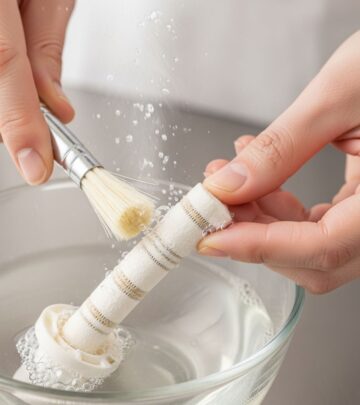
To clean the filter, twist it counterclockwise to remove it, then hand wash it under hot running water with dish soap. For stubborn buildup, soak the filter in a mixture of hot water and vinegar for 10–15 minutes, then scrub with an old toothbrush. Rinse thoroughly and replace the filter when clean.
Step 3: Inspect and Clean the Spray Arms
The spray arms distribute water throughout the dishwasher during the wash cycle. When mineral deposits or food particles clog the small holes in these arms, water distribution becomes uneven, and your dishes won’t get clean. Remove the spray arms according to your dishwasher’s manual and inspect them carefully.
Use a toothpick or small needle to clear any clogs from the spray holes. Soak the arms in vinegar solution for several minutes to dissolve mineral deposits, then scrub gently with an old toothbrush. Rinse under warm running water and reinstall them once they’re clean.
Step 4: Wipe Down the Interior
With removable parts set aside, focus on cleaning the interior surfaces of the dishwasher. Spray or wipe the walls, door interior, and basin with a cloth dampened with vinegar solution. Pay special attention to the rubber gasket around the door, which often collects mold and mildew. Use an old toothbrush to scrub this area thoroughly, then wipe clean with a microfiber cloth.
Step 5: Run the Vinegar Cycle
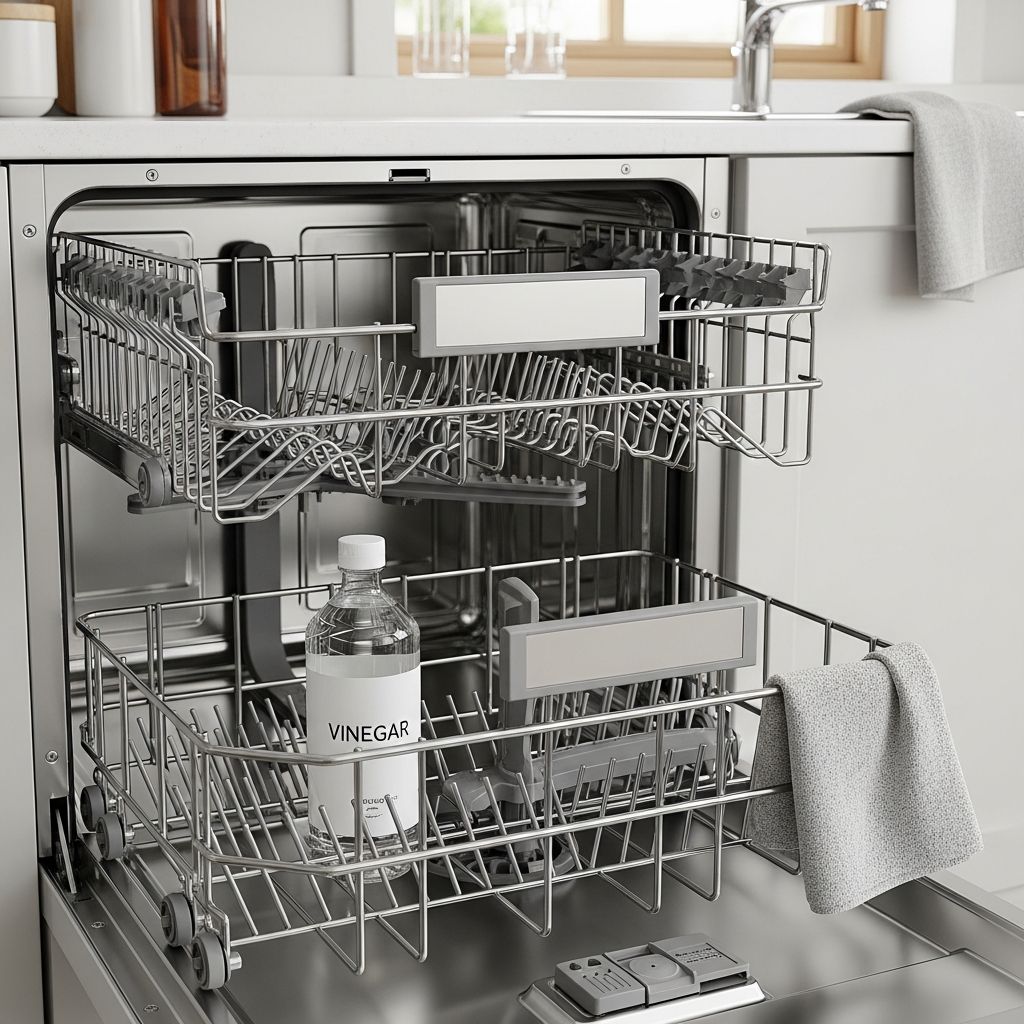
This is the main cleaning step where vinegar does most of the heavy lifting. Fill a dishwasher-safe measuring cup with 1–2 cups of distilled white vinegar and place it upright in the center of the top rack. Ensure no other items are in the dishwasher, then run a full wash cycle on the hottest setting available.
The heat activates the vinegar’s cleaning properties, allowing it to circulate through the spray arms, filter, and throughout the entire machine. As the cycle completes, the acidic vinegar breaks down accumulated grease, soap residue, and mineral deposits.
Step 6: Optional Baking Soda Boost
For an extra-clean finish, after the vinegar cycle completes, sprinkle one cup of baking soda across the bottom of the dishwasher and run another hot cycle. Baking soda works alongside vinegar to neutralize odors and remove any remaining residue. This two-step process is particularly effective for heavily soiled dishwashers.
Why Vinegar Works
Vinegar’s effectiveness comes from its acidic composition, which dissolves mineral deposits, grease, and soap scum that accumulate inside your dishwasher. Unlike harsh chemical cleaners, vinegar is food-safe and won’t damage your machine’s internal components or leave toxic residues on your dishes.
When heated during the wash cycle, vinegar’s acidity intensifies, penetrating stubborn buildup in hard-to-reach areas. It also acts as a natural deodorizer, eliminating the musty smells that often develop in dishwashers. The combination of vinegar and hot water creates an environment hostile to mold and bacteria growth, keeping your dishwasher fresher between regular cleanings.
Important Tips and Precautions
Before beginning your dishwasher cleaning project, check your appliance’s user manual to ensure vinegar cleaning won’t void your warranty or damage specific components. Most modern dishwashers can safely handle vinegar, but some manufacturers have specific recommendations.
Always use distilled white vinegar rather than apple cider vinegar or other varieties, as these contain coloring agents that may stain your dishwasher’s interior surfaces. Never use bleach inside your dishwasher, as bleach is highly corrosive and will damage stainless steel components and rubber seals.
Never spray vinegar directly throughout the dishwasher. Always place it in a cup or container to control its distribution. Direct application can damage certain components and prevent even cleaning.
Maintenance Schedule
To keep your dishwasher running smoothly and smelling fresh, establish a regular cleaning routine. For most households, cleaning the dishwasher with vinegar monthly is sufficient. However, if you have hard water or use your dishwasher frequently, you may want to increase frequency to every two weeks.
Between deep vinegar cleanings, remove the filter weekly and rinse it under running water to prevent debris accumulation. Wipe the door gasket occasionally to prevent mold growth. These simple maintenance tasks extend the time between deep cleanings and keep your dishwasher functioning optimally.
Comparison: Vinegar vs. Other Cleaning Methods
| Cleaning Method | Cost | Safety | Effectiveness | Environmental Impact |
|---|---|---|---|---|
| Vinegar | Very Low | Very Safe | Highly Effective | Biodegradable |
| Baking Soda | Very Low | Very Safe | Effective | Biodegradable |
| Commercial Cleaners | Moderate to High | Potentially Harmful | Effective | Chemical Pollutants |
| Bleach | Low | Not Safe for Dishwashers | Corrosive | Toxic |
Troubleshooting Common Issues
Dishwasher Still Smells Bad
If odors persist after vinegar cleaning, the problem may be in the drain line. Pour a mixture of vinegar and baking soda down the drain and let it sit for 15–20 minutes before running hot water through. You may also need to clean the drain line with a pipe cleaner or snake to remove trapped debris.
Cloudy Residue on Dishes
Cloudy film typically indicates hard water mineral deposits. Increasing the amount of vinegar used during cleaning or running additional vinegar cycles can help. Consider using a rinse aid designed for hard water conditions in combination with vinegar cleaning.
Visible Mold or Mildew
If you see mold or mildew in the gasket or spray arms, soak these components in undiluted vinegar for 30 minutes before scrubbing with a toothbrush. For persistent mold, repeat the process or increase the vinegar concentration used in the main cleaning cycle.
Frequently Asked Questions
Q: Is it safe to use vinegar in my dishwasher?
A: Yes, vinegar is safe for most dishwashers. Always check your manufacturer’s manual first to confirm. Vinegar won’t damage stainless steel or rubber components when used properly in a cup rather than sprayed throughout the machine.
Q: Can I use apple cider vinegar instead of white vinegar?
A: While apple cider vinegar works similarly, distilled white vinegar is preferable because it lacks coloring agents that might stain your dishwasher’s interior. Stick with distilled white vinegar for best results.
Q: How often should I clean my dishwasher with vinegar?
A: For most households, monthly cleaning is sufficient. If you have hard water or use your dishwasher heavily, increase frequency to every two weeks for optimal performance.
Q: Can I use vinegar and baking soda together?
A: Yes, combining vinegar and baking soda creates a powerful cleaning combination. Run a vinegar cycle first, then follow with a baking soda cycle for maximum cleaning power and odor elimination.
Q: What should I do if my dishwasher still smells bad after cleaning?
A: Check for clogs in the drain line and spray arms. These often harbor trapped food and bacteria. Deep clean these components separately, and consider running multiple vinegar cycles for stubborn odors.
Q: Is vinegar effective for hard water stains?
A: Yes, vinegar’s acidic nature is excellent for dissolving hard water mineral deposits. Increase the amount used to 2 cups and run regular vinegar cycles to manage hard water buildup.
Q: Can I leave vinegar in my dishwasher between uses?
A: No, vinegar should only be used during the cleaning cycle. Always remove the cup of vinegar after the cycle completes to prevent corrosion and ensure proper functioning during regular wash cycles.
References
- How to Clean Your Dishwasher With Vinegar: Our Method — Branch Basics. 2024. https://branchbasics.com/blogs/cleaning/how-to-clean-dishwashers-with-vinegar
- The Right (And Wrong) Way To Clean Your Dishwasher With Vinegar — Homemade Simple. 2024. https://www.homemadesimple.com/kitchen/how-to-clean-dishwasher-with-vinegar/
- How to Clean a Dishwasher to Reduce Smells & Dirt — Whirlpool. 2024. https://www.whirlpool.com/blog/kitchen/how-to-clean-a-dishwasher.html
- Easiest Way To Clean A Dishwasher And Dishwasher Filter — YouTube. 2023. https://www.youtube.com/watch?v=pn-MbsulUIg
Similar Articles





Read full bio of Sneha Tete