How to Clean and Maintain Garden Tools
Learn expert tips for cleaning and maintaining your garden tools to extend their lifespan.
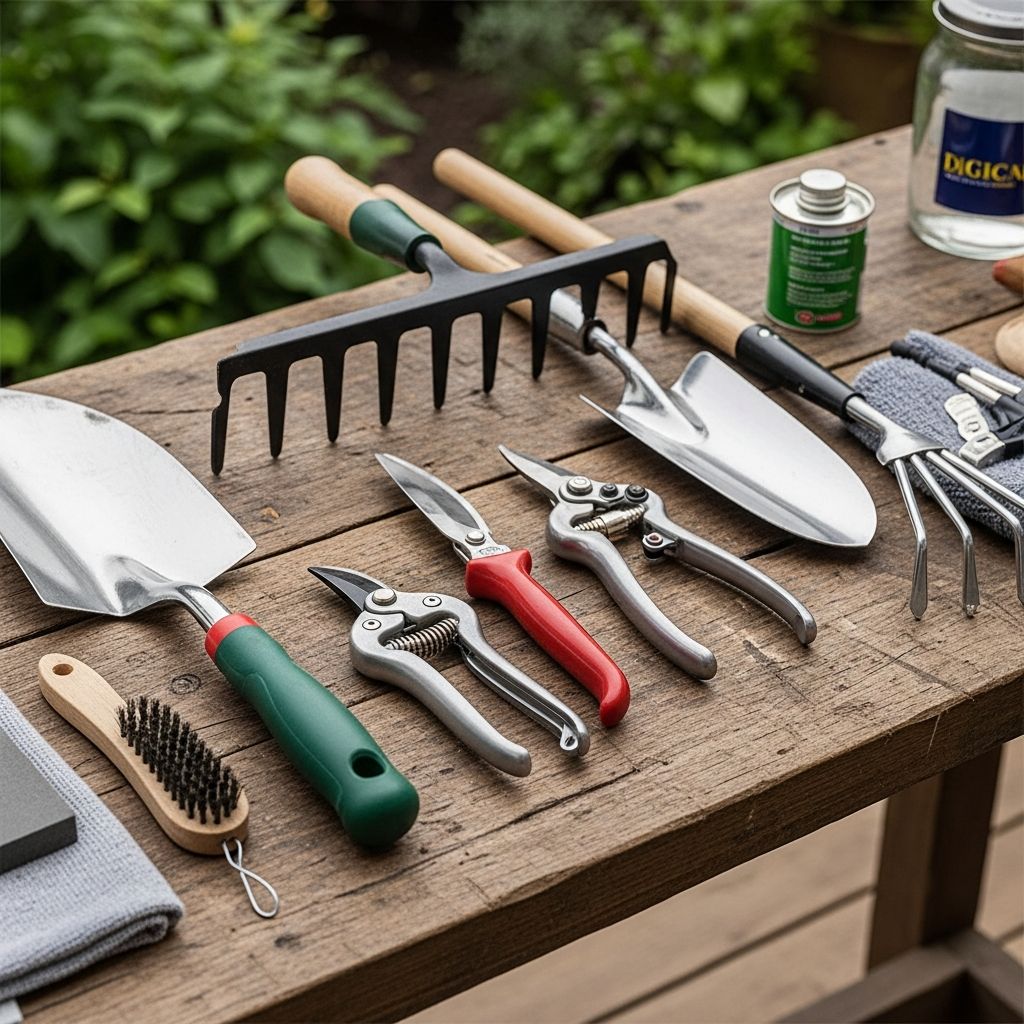
Garden tools are essential investments for any gardening enthusiast. Whether you’re tending to a small herb garden or maintaining expansive flower beds, your tools deserve proper care and maintenance. Cleaning and maintaining your garden tools not only extends their lifespan but also ensures they function at peak performance. A well-maintained tool makes gardening tasks easier, safer, and more enjoyable. This comprehensive guide will walk you through the best practices for keeping your garden tools in pristine condition.
Why Clean Garden Tools Matter
Many gardeners overlook the importance of regular tool maintenance, but doing so can have significant consequences. Dirty tools can harbor bacteria, fungi, and pathogens that spread disease from plant to plant. Rust and corrosion weaken metal components, making tools less effective and potentially dangerous to use. Additionally, tools caked with dried soil and plant material become harder to manipulate and require more physical effort to use, leading to fatigue and potential injury. By maintaining clean tools, you protect your garden’s health, ensure your safety, and preserve your investment for years to come.
Basic Cleaning Supplies You’ll Need
Before beginning your tool maintenance routine, gather the following supplies:
- Wire brush or steel wool
- Bucket or tub of water
- Mild dish soap
- Vinegar or white vinegar solution
- Clean cloths or old towels
- Mineral oil or linseed oil
- Sandpaper or steel wool
- Work gloves
- Safety glasses
- Hose or pressure washer (optional)
Step-by-Step Guide to Cleaning Garden Tools
Step 1: Rinse Off Loose Debris
Start by rinsing your tools with water to remove loose soil and plant material. Use a garden hose or bucket of water to wash away surface dirt. For stubborn debris, you can use a soft brush or old toothbrush to gently scrub the surface. This initial rinse makes the subsequent cleaning steps more effective and prevents dirt from mixing with your cleaning solutions.
Step 2: Soak in Soapy Water
Fill a bucket with warm water and add a few drops of mild dish soap. Submerge your tools and let them soak for 10-15 minutes. This helps loosen dried-on soil and makes cleaning easier. For heavily soiled tools, you may need to extend the soaking time. Use a soft brush or cloth to gently scrub the tool surfaces while they’re submerged in the soapy water.
Step 3: Scrub Away Stubborn Buildup
After soaking, use a wire brush or steel wool to scrub away any remaining soil and buildup. Pay special attention to crevices and joints where dirt tends to accumulate. Work the brush in circular motions to effectively remove stubborn residue. Be gentle with wooden handles to avoid splintering or damaging the wood surface. For metal parts, you can apply more pressure as needed.
Step 4: Address Rust and Corrosion
For tools with rust spots, create a vinegar solution by mixing equal parts white vinegar and water. Soak rusty tools in this solution for several hours or overnight for heavy rust. The acidic nature of vinegar helps dissolve rust. After soaking, use steel wool or a wire brush to scrub away the loosened rust. For severe rust, you may need to repeat this process or use a commercial rust remover following the product instructions.
Step 5: Final Rinse and Dry
Thoroughly rinse all tools with clean water to remove any soap residue and rust particles. Use a clean towel to dry each tool completely. Moisture left on metal surfaces can lead to new rust formation, so ensure tools are entirely dry before storage. Pay particular attention to joints and crevices where water tends to collect.
Treating and Protecting Different Tool Materials
Metal Tool Heads
After cleaning and drying metal tool heads, apply a thin coat of mineral oil or linseed oil to protect against rust. Use a clean cloth to wipe the oil evenly across the metal surface. This protective coating acts as a barrier against moisture and oxygen, preventing rust formation. Reapply the oil coating every few months or as needed, especially before long-term storage.
Wooden Handles
Wooden handles require special care to maintain their integrity and appearance. After cleaning, dry wooden handles thoroughly and check for splinters or cracks. If splinters are present, sand them gently with fine-grit sandpaper. To preserve wooden handles and protect them from weather damage, apply a natural wood oil or finish. This not only protects the wood but also makes handles more comfortable and safer to use.
Plastic Handles
Plastic handles are generally low-maintenance. Simply wash them with soapy water and dry thoroughly. If plastic handles become discolored or stained, a gentle scrub with a plastic-safe brush may restore their appearance. Avoid using harsh chemicals or abrasive materials that could damage or degrade plastic components.
Seasonal Maintenance Tips
Spring Preparation
As spring arrives and gardening season begins, give your tools a thorough cleaning and inspection. Check for any damage that occurred during winter storage and address it before using the tools extensively. Sharpen tool blades as needed to ensure efficient cutting and digging. Apply protective oils to metal components and condition wooden handles for the busy gardening season ahead.
Summer Care
During the active gardening season, clean tools after each use, especially after working with diseased plants. This prevents the spread of pathogens and keeps tools in optimal condition. In hot, dry weather, tools may dry quickly after cleaning, making this an ideal time for routine maintenance. Store tools in a shaded location to prevent excessive sun damage to handles and protective coatings.
Fall Maintenance
As summer winds down, perform a mid-season deep clean of all tools. This is an excellent time to replace worn or damaged tool parts, repair handles, and address any rust that may have developed. Prepare your tools for the reduced activity of winter months by ensuring they’re properly cleaned, dried, and protected.
Winter Storage
Before storing tools for winter, clean them thoroughly and apply protective oils to metal surfaces. Store tools in a dry location away from extreme temperature fluctuations. A garage, shed, or basement with controlled humidity is ideal. Hanging tools on a wall or tool rack keeps them organized, prevents damage, and allows air circulation around the tools. Ensure wooden handles are properly conditioned before extended storage to prevent cracking.
Specific Tool Cleaning Guidelines
| Tool Type | Cleaning Method | Special Considerations |
|---|---|---|
| Spades and Shovels | Rinse, soak, scrub with wire brush | Check for bent edges; sharpen if needed |
| Pruning Shears | Wipe with cloth, use vinegar for rust | Keep blades sharp; oil joints regularly |
| Rakes and Hoes | Rinse well, scrub tines, apply oil | Check for bent or missing tines |
| Hand Tools | Soak, scrub, dry thoroughly | Inspect handles for damage |
| Pruning Saws | Gentle cleaning, keep teeth clean | Oil blade; store with blade guard |
Preventing Common Tool Problems
Rust Prevention
The best approach to rust is prevention. Keep tools dry after cleaning, store them in a dry location, and apply protective oil coatings regularly. Avoid leaving tools exposed to rain or sprinkler water for extended periods. A simple preventive maintenance routine is far more effective and easier than dealing with extensive rust later.
Handle Damage
Wooden handles can crack, splinter, or rot if not properly maintained. Prevent damage by keeping handles dry, storing tools properly, and conditioning wood regularly. Replace damaged handles promptly to maintain tool safety and effectiveness. Many tool handles can be replaced without replacing the entire tool, making repairs cost-effective.
Blade Dulling
Keep tool blades sharp by honing them regularly and storing them properly. A dull blade requires more effort to use and is less effective. For pruning shears and saws, keep blades sharp by using proper cutting techniques and storing them with blade guards. Sharpen tools before they become excessively dull to maintain peak performance.
Storage Solutions
Proper storage is crucial for tool longevity. Organize tools on a wall-mounted rack, pegboard, or tool chest where they’re easily accessible and visible. This organization prevents tools from getting lost and allows you to quickly spot any that need maintenance. Hanging tools vertically saves space and allows air circulation around them. Keep frequently used tools separate from occasional-use items for quick access during gardening season.
Frequently Asked Questions
Q: How often should I clean my garden tools?
A: Clean tools after each use to prevent disease spread and rust formation. At minimum, perform a thorough cleaning and maintenance routine at the beginning and end of the gardening season.
Q: Can I use a pressure washer to clean garden tools?
A: Pressure washers can be used on metal tool heads but use low pressure to avoid damaging wooden handles or driving water into joints. Hand cleaning is gentler and often more effective for delicate components.
Q: What’s the best oil to use on garden tools?
A: Mineral oil, linseed oil, and commercial tool oils all work well. Choose food-grade options if the tool may contact food plants. Apply thin, even coats and wipe away excess to prevent sticky buildup.
Q: How do I remove rust from old tools?
A: Soak rusty tools in a vinegar solution, use steel wool or a wire brush to scrub away rust, or try commercial rust removers. For severe rust, electric drill attachments with wire wheels can be effective.
Q: Should I oil my tools before or after storage?
A: Always oil tools before storage to create a protective barrier against moisture during the dormant season. This is especially important before winter storage when humidity and temperature fluctuations are common.
References
- Garden Tool Maintenance and Care — University of Minnesota Extension. 2024. https://extension.umn.edu/gardening/garden-tool-care
- Preventing Disease in the Garden — Clemson University Cooperative Extension. 2023. https://www.clemson.edu/extension/hgic
- Tool Storage and Organization Best Practices — Penn State University College of Agricultural Sciences. 2024. https://extension.psu.edu/gardening
- Rust Prevention and Removal Techniques — University of California Agriculture and Natural Resources. 2023. https://ucanr.edu/sites/anrstaff/
- Wooden Handle Care and Maintenance — Smithsonian Magazine Gardening Guide. 2024. https://www.si.edu
Similar Articles








Read full bio of Sneha Tete