How to Clean Laminate Floors: Best Methods and Products
Master laminate floor cleaning with safe methods and products that preserve shine and durability.
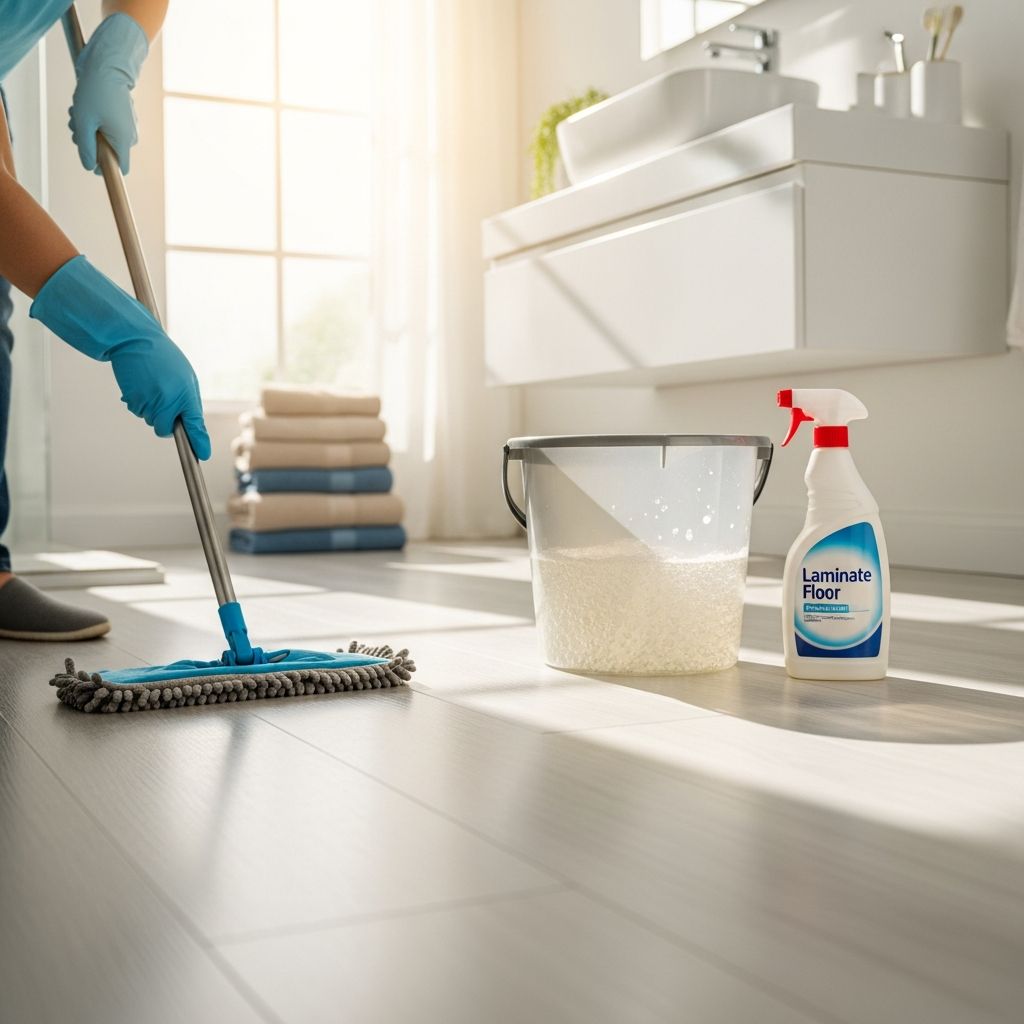
Laminate flooring has become increasingly popular in modern homes due to its affordability, durability, and aesthetic appeal. However, maintaining these floors requires knowledge of proper cleaning techniques and products to prevent damage and preserve their beautiful appearance. Unlike hardwood floors, laminate is sensitive to excess moisture and requires a more delicate approach. Understanding what to clean laminate floors with is essential for any homeowner looking to keep their investment looking pristine for years to come.
Understanding Laminate Floor Composition
Laminate flooring consists of multiple layers, with a protective wear layer on top, decorative paper in the middle, and a core layer underneath. This construction makes laminate floors resistant to scratches and stains, but also vulnerable to water damage and swelling when exposed to excessive moisture. The key to maintaining laminate floors is understanding their composition and choosing cleaning methods that won’t compromise the integrity of these layers.
The protective top layer is what gives laminate its durability and resistance to everyday wear and tear. However, if this layer is damaged or if moisture seeps into the joints between planks, the entire floor can become compromised. This is why using the correct cleaning products and methods is absolutely critical for laminate floor maintenance.
Why Certain Products Are Harmful to Laminate Floors
Many common household cleaners can damage laminate floors if used improperly. It’s important to understand which products and methods to avoid before learning what you should use.
- Excess Water: The most damaging element for laminate floors is water. Excessive moisture can cause the core layers to swell and warp, leading to buckling and permanent damage. Never use wet mops or allow standing water on laminate surfaces.
- Oil-Based Products: Some commercial floor cleaners contain oils that can leave buildup and make floors slippery. They may also attract dust and dirt, requiring more frequent cleaning.
- Abrasive Cleaners: Harsh, abrasive scrubbing agents can scratch the protective wear layer, compromising the floor’s appearance and durability.
- Acidic Cleaners: Products containing vinegar or other acids can dull the finish and damage the surface coating over time.
- Wax and Polish Products: These are designed for hardwood floors and can leave buildup on laminate, creating a slippery surface.
Dry Cleaning Methods
Before using any wet cleaning methods, it’s essential to remove dry debris from laminate floors. This initial step prevents dirt and dust from scratching the surface when you perform wet cleaning.
Sweeping and Vacuuming
Regular sweeping is one of the most important maintenance tasks for laminate floors. Use a soft-bristled broom or microfiber cloth to capture dust and debris without scratching the surface. For more thorough cleaning, use a vacuum cleaner equipped with a soft brush attachment. Make sure the vacuum has a hard floor setting that doesn’t have a beater bar, as this can scratch the laminate. Aim to sweep or vacuum your laminate floors at least two to three times per week, depending on traffic levels.
Microfiber Dust Mops
Microfiber dust mops are excellent tools for maintaining laminate floors between deeper cleanings. These mops attract and trap dust particles electrostatically, effectively removing allergens and debris without the need for chemical cleaners. Microfiber is gentle on the laminate surface and won’t cause scratches or damage.
Approved Wet Cleaning Solutions
When it’s time to perform wet cleaning on your laminate floors, it’s crucial to use products specifically designed for this type of flooring or to create your own safe cleaning solution.
Laminate Floor-Specific Cleaners
The safest option for cleaning laminate floors is to use products specifically formulated for laminate care. These cleaners are designed to clean effectively while protecting the floor’s finish and preventing damage. Many manufacturers of laminate flooring produce their own cleaning products that are guaranteed to be compatible with their floors. When shopping for laminate cleaners, look for products labeled as safe for laminate and avoid those containing wax, oil, or harsh chemicals.
Homemade Cleaning Solutions
Many homeowners prefer to create their own cleaning solutions using common household ingredients. Here are some safe options:
- Water and Mild Dish Soap: Mix a few drops of mild dish soap with warm water to create a gentle cleaning solution. This method is effective for light cleaning and is safe for all laminate floors.
- White Vinegar Solution: While vinegar is acidic, a highly diluted solution can work for laminate floors. Mix one part white vinegar with four parts water. However, use this sparingly and infrequently, as vinegar can eventually dull the finish.
- Baking Soda Solution: For stubborn stains, mix baking soda with a small amount of water to create a paste. Apply to the stain, let sit briefly, and wipe clean with a damp cloth.
Best Practices for Wet Cleaning Laminate Floors
Knowing what cleaner to use is only half the battle. How you apply it is equally important to prevent damage and achieve optimal results.
Moisture Control is Key
The cardinal rule of laminate floor cleaning is to use as little water as possible. Always use a damp mop rather than a wet mop. The mop should be wrung out thoroughly so it’s barely damp to the touch. After applying the cleaning solution, wipe up excess moisture immediately with a dry cloth or towel. This prevents water from seeping into the seams between planks and causing swelling or warping.
Spot Cleaning for Spills
Address spills immediately to prevent staining and water damage. Blot spills with a clean, dry cloth rather than wiping. For tougher stains, apply a small amount of your chosen cleaning solution directly to the cloth (not the floor) and gently rub the affected area. Never pour cleaner directly onto the laminate surface.
Proper Mop Selection
Choose the right mop for laminate floors. Microfiber mops are ideal as they effectively clean while using minimal water. String mops tend to retain too much water and should be avoided. Avoid steam mops entirely, as the heat and steam can cause significant damage to laminate flooring.
Recommended Laminate Floor Cleaning Products
| Product Type | Best For | Key Features | Application Method |
|---|---|---|---|
| Laminate-Specific Cleaner Spray | Regular maintenance and light cleaning | Designed specifically for laminate, adds shine, streak-free formula | Spray on microfiber mop or cloth |
| Mild Dish Soap Solution | General daily cleaning | Gentle, affordable, safe for all laminate types | Mix with water and apply with damp mop |
| Baking Soda Paste | Stubborn stains and scuffs | Natural, non-toxic, mildly abrasive | Apply to stain, let sit, wipe clean |
| Microfiber Mop System | Daily dry cleaning and light wet cleaning | Reusable, effective at trapping dust and debris | Dry dusting or with minimal moisture |
Removing Common Stains and Marks
Different types of stains require different approaches when cleaning laminate floors.
Scuff Marks
Light scuff marks can often be removed with a dry eraser or by rubbing gently with a soft cloth. For more stubborn scuffs, apply a small amount of baking soda mixed with water to create a paste, gently rub the affected area, and wipe clean with a damp cloth immediately.
Sticky Residue
Remove sticky residue from adhesive labels or spilled substances by applying a small amount of rubbing alcohol to a cloth. Gently rub the affected area and wipe clean with a damp cloth. Work quickly to minimize moisture contact with the laminate.
Pet Accidents
Clean pet accidents immediately to prevent odor and damage. Blot the area thoroughly with paper towels, then clean with a damp cloth and mild soap solution. For odor, sprinkle baking soda on the affected area, let it sit for several hours, and vacuum thoroughly.
Food and Beverage Stains
Most food and beverage stains can be cleaned with a mild soap and water solution. Apply the solution to a cloth (not directly to the floor), gently rub the stain, and wipe clean with a damp cloth. For wine or juice stains, act quickly to prevent permanent discoloration.
Products to Avoid on Laminate Floors
- Steam mops or steam cleaners of any kind
- Oil-based or wax-containing products
- Harsh chemicals or industrial-strength cleaners
- Vinegar used at full strength or in concentrated solutions
- Traditional hardwood floor polishes and waxes
- Abrasive scrubbing pads or steel wool
- Bleach or bleach-containing products
- Products designed for tile or stone floors
Preventative Maintenance Tips
The best way to keep laminate floors looking their best is through preventative maintenance. By taking steps to minimize wear and damage, you’ll spend less time cleaning and more time enjoying your beautiful floors.
- Use Entry Mats: Place mats at entryways to trap dirt and moisture before it reaches your laminate floors. This significantly reduces the amount of cleaning needed.
- Protect with Furniture Pads: Install felt pads under furniture legs to prevent scratches and scuff marks when moving items.
- Control Humidity: Maintain indoor humidity levels between 30% and 50% to prevent warping and swelling of laminate planks.
- Wipe Spills Immediately: Never allow spills to sit on laminate floors, as moisture can cause permanent damage.
- Use Rugs Strategically: Place rugs in high-traffic areas to protect the finish and reduce dirt accumulation.
- Avoid Dragging Items: Always lift items when moving them across laminate floors rather than dragging them, which can cause scratches.
Frequently Asked Questions
Q: Can I use vinegar to clean laminate floors?
A: While vinegar can be used in highly diluted solutions (one part vinegar to four parts water), it should be used sparingly and infrequently. The acidity can eventually dull the finish. For regular cleaning, it’s better to use products specifically designed for laminate.
Q: Is it safe to use a Swiffer on laminate floors?
A: Swiffer dry pads are generally safe for laminate floors as they use minimal moisture. However, be cautious with wet Swiffer pads, as they can leave too much moisture on the surface. Use them sparingly and ensure you wring them out thoroughly before applying to floors.
Q: How often should I clean my laminate floors?
A: Dry cleaning (sweeping or vacuuming) should be done two to three times weekly, depending on foot traffic. Wet cleaning can be performed weekly or as needed, depending on the amount of soiling and spills.
Q: What should I do if my laminate floor gets water damage?
A: If significant water exposure occurs, wipe up the moisture immediately with towels and increase air circulation by opening windows and using fans. If warping or swelling occurs, consult a professional, as the affected planks may need replacement.
Q: Can I use Murphy Oil Soap on laminate floors?
A: No, Murphy Oil Soap and other oil-based cleaners are not recommended for laminate floors as they can leave buildup, attract dust, and make surfaces slippery. Stick to products specifically formulated for laminate.
Q: Are hardwood floor cleaners safe for laminate?
A: Many hardwood floor cleaners contain wax or oil that can be problematic for laminate floors. Always use products specifically labeled as safe for laminate to ensure compatibility and protection.
References
- Laminate Flooring Maintenance Guidelines — International Association of Certified Home Inspectors (InterNACHI). 2024. https://www.nachi.org/
- Protecting Wood and Laminate Floors from Water Damage — U.S. Environmental Protection Agency (EPA). 2023. https://www.epa.gov/indoor-air-quality-iaq/moisture-control
- Best Practices for Laminate Floor Care — Pergo (Official Manufacturer). 2024. https://www.pergo.com/en-us/floor-care
- Household Cleaning Products and Indoor Air Quality — Consumer Product Safety Commission (CPSC). 2023. https://www.cpsc.gov/
- Floor Care and Maintenance Standards — Carpet and Rug Institute. 2024. https://www.carpet-rug.org/
Similar Articles








Read full bio of medha deb