How to Clean Your Oven with Baking Soda and Vinegar
Master the art of natural oven cleaning using baking soda and vinegar for a sparkling, chemical-free result.
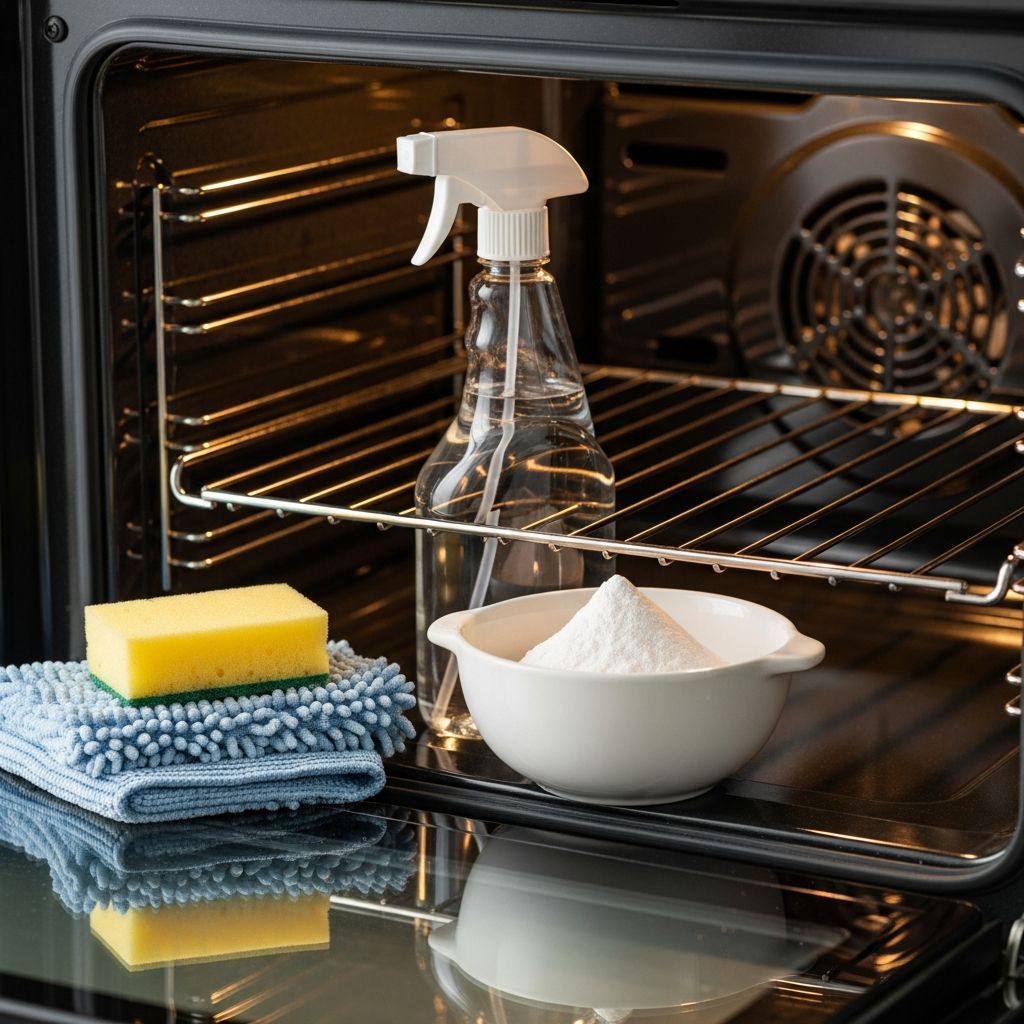
Cleaning your oven is one of those household chores that many people dread. The buildup of grease, food splatters, and burnt residue can make your oven look uninviting and potentially harbor unpleasant odors. While commercial oven cleaners promise quick results, they often come with harsh chemical fumes that can irritate your lungs and leave toxic residues on the surfaces where you prepare your food. Fortunately, there’s a safer, more economical alternative that has been trusted by homemakers for generations: baking soda and vinegar.
This natural cleaning method is not only effective at breaking down stubborn grease and baked-on food, but it’s also environmentally friendly, budget-conscious, and completely safe for your family and pets. The combination of baking soda and vinegar creates a powerful chemical reaction that lifts away grime without the need for dangerous fumes or toxic ingredients. In this comprehensive guide, we’ll walk you through everything you need to know about cleaning your oven naturally.
Why Baking Soda and Vinegar Work So Well
The magic behind using baking soda and vinegar for oven cleaning lies in basic chemistry. Baking soda, scientifically known as sodium bicarbonate, is a mild abrasive that gently scrubs away debris without scratching surfaces. When combined with vinegar, an acid, a neutralization reaction occurs that produces carbon dioxide bubbles. These bubbles work to dislodge stuck-on food particles and grease from the oven surfaces.
Unlike commercial oven cleaners that rely on caustic chemicals like sodium hydroxide, the baking soda and vinegar method is gentle enough to use regularly without concern for chemical buildup or respiratory irritation. This makes it an ideal choice for households with children, elderly members, or anyone with sensitivity to strong chemical odors. The process is also considerably less expensive than purchasing specialized cleaning products, making it an economical option for budget-conscious families.
What You’ll Need
Before you begin your oven cleaning project, gather the following supplies to ensure you have everything within reach:
- Baking soda (sodium bicarbonate)
- White vinegar
- Water
- Spray bottle
- Rubber gloves
- Plastic scraper or putty knife
- Soft sponges or cloths
- Old towels or newspaper for protection
- Small bowls for mixing
- Newspaper or drop cloth
Having these items prepared before you start will make the process smoother and more efficient. The beauty of this method is that most people already have these items in their homes, eliminating the need for a special shopping trip.
Step-by-Step Cleaning Instructions
Step 1: Remove the Oven Racks
Begin your cleaning project by carefully removing the oven racks. Most oven racks simply slide out, though some may require slight lifting and angling. Place them on old towels or newspaper to protect your floors. If the racks are particularly dirty, you can clean them separately using the same baking soda and vinegar method, soaking them in a bathtub filled with hot water, baking soda, and vinegar for several hours before scrubbing.
Step 2: Prepare Your Work Area
Lay newspaper or a drop cloth around your oven to catch any drips or debris. This protective layer will prevent damage to your kitchen floor and make cleanup significantly easier. Ensure the oven is completely cool before beginning—never attempt to clean a hot oven, as you risk burns and the heat may cause the baking soda to lose its effectiveness.
Step 3: Make Your Cleaning Paste
In a small bowl, combine baking soda with water to create a spreadable paste. Start with half a cup of baking soda and gradually add water, stirring until you achieve a consistency similar to peanut butter. The paste should be thick enough to coat the oven surfaces but spreadable enough to apply without excessive force. Adjust the consistency as needed by adding more baking soda for a thicker paste or more water for a thinner consistency.
Step 4: Apply the Baking Soda Paste
Using a sponge or cloth, spread the baking soda paste generously throughout the interior of your oven. Avoid applying the paste to heating elements, as this can damage them. Focus on areas with the heaviest buildup of grease and burnt food. Work the paste into crevices and corners where grime tends to accumulate. Allow the paste to sit for at least 12 hours, though overnight application is ideal for best results. This resting period allows the baking soda to penetrate and loosen stubborn deposits.
Step 5: Spray with Vinegar
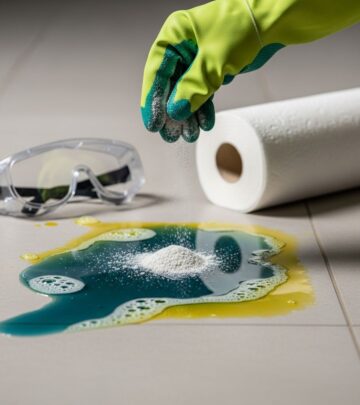
After the paste has set, fill a spray bottle with white vinegar and generously spray it over the baking soda-covered surfaces. You’ll immediately notice the mixture begin to fizz and bubble—this is the chemical reaction that makes this method so effective. The fizzing action helps lift away the loosened grime. Allow the mixture to bubble for several minutes, respraying as necessary to maintain the fizzing action.
Step 6: Scrape and Remove Residue
Once the fizzing has subsided, use a plastic scraper, putty knife, or non-abrasive sponge to gently scrape away the loosened paste and grime. Work methodically from top to bottom to prevent debris from falling onto already-cleaned areas. For stubborn spots that resist scraping, reapply the vinegar spray and let it sit for a few more minutes before attempting to remove again. Be patient with this step—rushing can result in incomplete cleaning.
Step 7: Wipe Down the Interior
Using damp cloths or sponges, thoroughly wipe down all interior surfaces of the oven to remove any remaining paste and debris. You may need to use multiple cloths and change your water several times to ensure all residue is removed. Pay special attention to corners, the bottom, and the top of the oven interior. Once wiped clean, do a final pass with a dry cloth to remove excess moisture.
Step 8: Clean the Racks
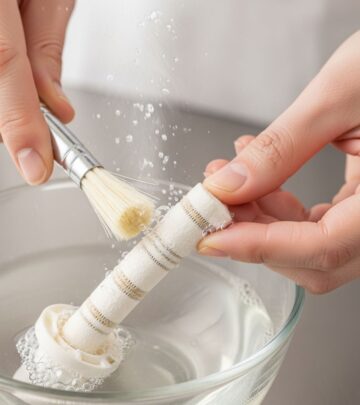
While the oven dries, return to your oven racks. If you soaked them earlier, drain the water and scrub them with a soft brush or sponge to remove loosened debris. Rinse thoroughly with clean water and dry completely. If the racks weren’t pre-soaked, apply the baking soda paste directly to them, spray with vinegar, and follow the same scraping and wiping process used for the oven interior.
Step 9: Reinstall the Racks
Once all components are clean and dry, carefully slide the racks back into their original positions in the oven. Ensure they’re seated securely and level. Take a moment to admire your sparkling clean oven before moving on to the next step.
Step 10: Final Polish
For a final touch, wipe down the exterior of your oven with a damp cloth. Use a dry cloth to buff away any water spots or smudges. Your oven should now look refreshed and clean, ready for your next culinary creation.
Cleaning Oven Glass Doors
Oven glass doors deserve special attention, as they’re often the most visible part of your oven. Apply the baking soda paste directly to the glass, being careful not to get it on the rubber seals. Let it sit for the same 12-hour period, then spray with vinegar. The dried paste may appear stubborn on glass, but gently scraping with a plastic scraper should remove it easily. Finish with a glass cleaner or a vinegar and water solution for streak-free shine.
Tips for Best Results
- Use white vinegar only: Avoid colored vinegars, which may stain your oven surfaces
- Don’t skip the waiting period: The longer you let the paste sit, the easier it is to remove baked-on debris
- Reapply as needed: For heavily soiled ovens, you may need to repeat the process for maximum cleanliness
- Ensure proper ventilation: Although vinegar is natural, proper air circulation helps dissipate the odor
- Protect your skin: Wear gloves to protect your hands from the baking soda paste
- Test on a small area first: If your oven has special finishes, test the method on a hidden area first
Maintenance Tips to Keep Your Oven Cleaner Longer
Once you’ve achieved a sparkling clean oven, maintaining that cleanliness is much easier than doing a deep clean from scratch. Place a sheet of aluminum foil on the rack below where you’re cooking to catch splatters and drips. Wipe up spills immediately when the oven is cool, as dried-on food is much harder to remove. Consider cleaning your oven quarterly using this method rather than waiting for heavy buildup to accumulate.
Safety Considerations
While baking soda and vinegar are non-toxic and safe for regular household use, always ensure adequate ventilation when cleaning. Open windows and turn on exhaust fans to help disperse the vinegar odor. Wear gloves to protect your skin from prolonged exposure to baking soda, which can be drying. If you have a self-cleaning oven, consult your manufacturer’s instructions before using this method, as some ovens have special coatings that may be damaged by abrasive pastes.
Cost Comparison
| Cleaning Method | Cost Per Use | Chemical Fumes | Effectiveness |
|---|---|---|---|
| Baking Soda & Vinegar | $0.50-$1.00 | None | Excellent |
| Commercial Oven Cleaner | $5.00-$15.00 | High | Good |
| Professional Service | $75-$200 | None | Excellent |
Frequently Asked Questions
Q: Can I use regular vinegar instead of white vinegar?
A: While regular vinegar can work, white vinegar is preferred because it won’t leave stains or discoloration on your oven surfaces. Apple cider vinegar and other colored vinegars may leave residue that requires additional cleaning.
Q: How often should I clean my oven?
A: For regular home cooks, a quarterly deep clean using this method is ideal. However, light maintenance and immediate cleanup of spills will extend the time between deep cleans and keep your oven looking fresh year-round.
Q: Is this method safe for non-stick oven interiors?
A: Yes, baking soda is gentle enough for non-stick surfaces when used with a plastic scraper. Avoid metal scrapers that could damage the non-stick coating. Always use gentle scrubbing motions.
Q: Will the vinegar smell linger in my kitchen?
A: The vinegar odor typically dissipates within a few hours, especially with proper ventilation. Opening windows and running exhaust fans will help speed up the process. The smell is completely harmless and indicates the cleaning reaction is working.
Q: Can I use this method on a self-cleaning oven?
A: Check your oven’s manual first. Some self-cleaning ovens have specialized interiors that may be damaged by abrasive pastes. If your manual doesn’t address it, it’s best to consult the manufacturer before proceeding.
Q: What should I do if the baking soda paste hardens before I can remove it?
A: Simply spray it again with vinegar to reactivate the fizzing action, or dampen it with water to soften it. Hard, dried paste is actually easier to remove than wet paste because it scrapes away more cleanly.
References
- Sodium Bicarbonate (Baking Soda) – Uses and Safety Information — U.S. Food and Drug Administration. 2024. https://www.fda.gov/
- Green Cleaning Guide: Natural Household Cleaners — Environmental Protection Agency. 2023. https://www.epa.gov/
- Effective Kitchen Cleaning Methods: A Practical Guide — Family Handyman. 2021. https://www.familyhandyman.com/
- Natural Acids and Bases in Household Cleaning — Journal of Chemical Education. 2022. https://pubs.acs.org/journal/jched
- Vinegar as a Natural Cleaning Agent: Antimicrobial Properties and Applications — International Journal of Environmental Research and Public Health. 2023. https://www.mdpi.com/journal/ijerph
Similar Articles


Read full bio of medha deb