How to Clean Rust: Easy Methods for Every Surface
Remove rust from tools, metal, and household items using simple and effective cleaning methods.
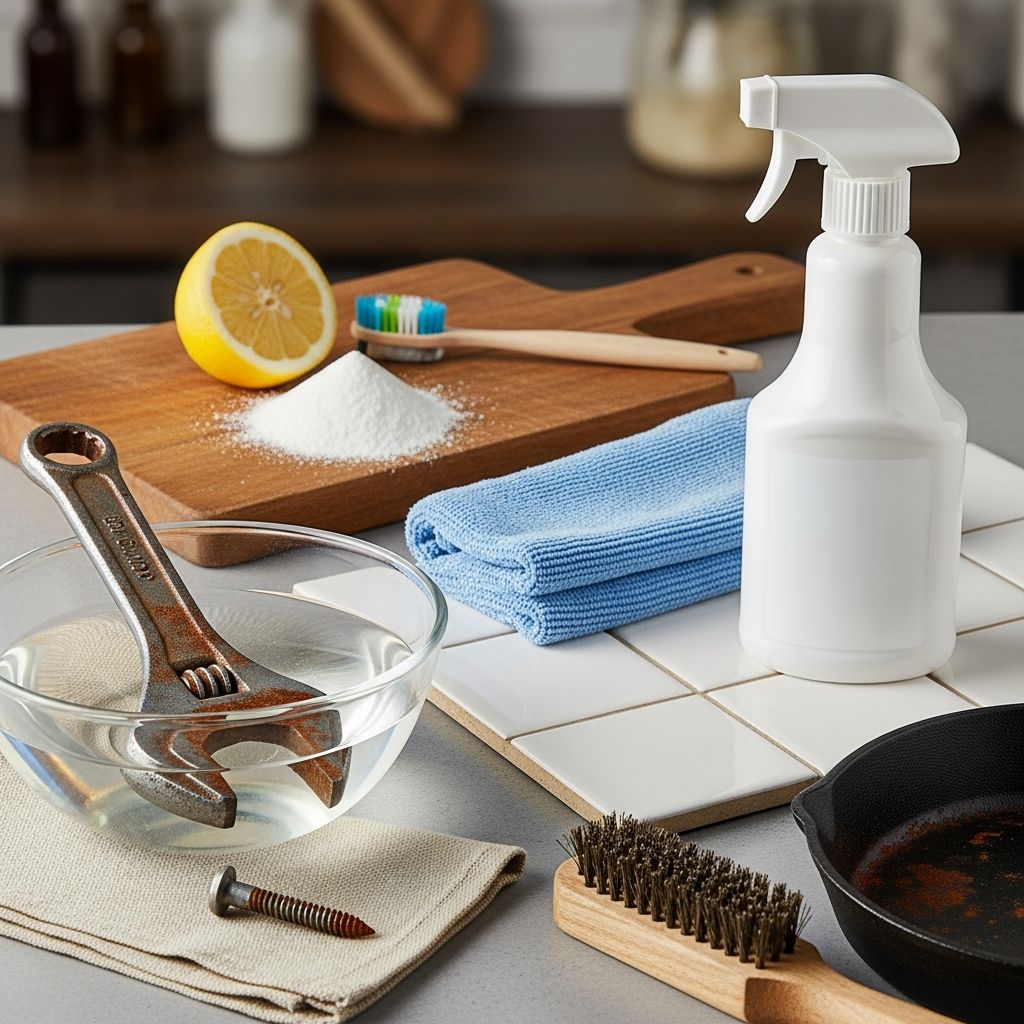
How to Clean Rust: Complete Guide to Rust Removal
Rust is one of the most common problems homeowners and DIY enthusiasts face when dealing with metal tools, outdoor equipment, and household items. Whether it’s your grandfather’s vintage wrench, garden shears that have been sitting in the shed, or cast-iron cookware that’s seen better days, rust can be unsightly and can compromise the functionality of your items. The good news is that removing rust doesn’t have to be difficult, expensive, or time-consuming. With the right knowledge and household ingredients, you can restore your rusted items to their former glory.
Understanding Rust and Why It Forms
Before diving into rust removal methods, it’s helpful to understand what rust is and how it forms. Rust is the result of a chemical reaction between iron, oxygen, and moisture. When these three elements combine, they create iron oxide, commonly known as rust. This process, called oxidation, can occur on any iron-containing metal that’s exposed to moisture and air. Understanding this process helps explain why certain rust removal methods work and how you can prevent rust from returning.
The Vinegar Soak Method: The Most Effective Solution
One of the most effective and economical ways to remove rust is using vinegar, a mild acid that safely dissolves rust without damaging your tools or items. The acetic acid in vinegar reacts with rust to form iron acetate, which is water-soluble and easily washes away.
What You’ll Need
Before starting the vinegar soak method, gather these simple materials:
- Rusty tool or item
- Cleaning vinegar or white distilled vinegar
- Empty jar, aluminum can, or small container
- Heavy-duty scouring pad (such as green Scotch-Brite)
- Soft clean rag
- Multi-purpose oil or lubricant
- Clear water for rinsing
Step 1: Soak Your Tool in a Vinegar Bath
Begin by placing your rusty tool in a jar or container and pouring in enough vinegar to completely submerge the rusted areas. The soaking duration depends on the severity of the rust and the type of vinegar used. For light rust, one to two hours may be sufficient. For moderate to heavy rust, soak for 12 to 24 hours. During this time, the acetic acid in the vinegar breaks down the rust, causing it to loosen and separate from the metal surface.
If you’re using cleaning vinegar, which has a higher acidity level than regular white vinegar, you may see results more quickly, especially on stubborn, heavily corroded items. White vinegar is a more economical option and still works effectively for most rust removal tasks.
Step 2: Scour the Rust Off
After the soaking period, remove your tool from the vinegar bath. Using a heavy-duty scouring pad, gently wipe away any remaining rust. You’ll be pleased to discover that the rust should come off with minimal effort since the vinegar has already loosened it. For tools with moving parts, such as pruners or scissors, make sure to get into all the crevices, joints, and hard-to-reach areas with your scouring pad.
Once you’ve removed the visible rust, rinse the tool thoroughly under clear running water to eliminate any remaining rust flakes and vinegar residue. For heavily rusted items that haven’t been cleaned in years, you may need to repeat Steps 1 and 2 until all the rust is completely removed.
Step 3: Dry and Lubricate the Tool
Proper drying is crucial to prevent new rust from forming. Use a soft, clean rag to dry your tool thoroughly, paying special attention to pivot joints, crevices, and any areas where moisture tends to collect. Even small amounts of trapped moisture can lead to new rust formation.
Once completely dry, apply a few drops of multi-purpose oil to the blade, joints, and any moving parts. Wipe away any excess oil with a clean rag, leaving behind a thin protective coating that prevents moisture from reaching the metal surface and causing new rust to form.
Treating Larger Tools and Equipment
Not all rusty items fit conveniently into a jar. Garden tools like shovels, hedge clippers, and larger equipment require alternative approaches to the vinegar soak method.
The 5-Gallon Bucket Method
For tools that are too large for a jar, fill a 5-gallon bucket with cleaning vinegar or white vinegar and submerge the rusty portions of your tool. Follow the same steps as the standard vinegar soak method: soak for 12 to 24 hours, scrub away the loosened rust with a scouring pad, rinse thoroughly with water, dry completely, and apply a protective coat of oil.
The Vinegar-Soaked Towel Method
For tools with specific rusted areas, such as a shovel blade, you can use the vinegar-soaked towel technique. Spray vinegar directly onto the rusted area, then wrap a vinegar-soaked towel tightly around the corroded section. Place the wrapped tool inside a plastic bag and tie it loosely to retain moisture. Leave this setup in place for approximately 24 hours. The plastic bag prevents the towel from drying out and keeps the vinegar in contact with the rust.
After the soaking period, the rust should be mostly dissolved. Use a scouring pad to remove any remaining corrosion, then hose down the tool with water to remove rust flakes and vinegar. Dry thoroughly and apply a thin coat of protective oil before storing.
Alternative Rust Removal Methods
While vinegar is highly effective and economical, there are other household methods for removing rust from various items.
Baking Soda Paste
For smaller rusted items, mix baking soda with water to create a thick paste. Apply this paste directly to the rusted areas and let it sit for several hours or overnight. The mild abrasive properties of baking soda combined with its chemical properties help break down rust. Scrub the area with a damp cloth or soft brush and rinse thoroughly with water.
Salt and Lemon
Lemon juice contains citric acid that can dissolve rust effectively. Sprinkle salt on the rusted area, then squeeze fresh lemon juice over it. The combination of salt and acid creates an effective rust-dissolving paste. Let it sit for several hours, then scrub with a cloth or soft brush and rinse well.
Wire Brush or Steel Wool
For light surface rust, a wire brush or steel wool can be effective when used with elbow grease. This manual method works best for minor rust and may not be practical for heavily corroded items. Always wear work gloves when using wire brushes or steel wool to protect your hands.
Preventing Rust from Returning
After successfully removing rust from your tools and items, prevention is key to avoiding future corrosion.
Proper Storage
Store your tools in a dry location away from moisture. A climate-controlled garage or tool shed is ideal. Avoid leaving tools outside or in damp environments where moisture can accumulate.
Regular Maintenance
Apply a protective coat of oil to metal tools regularly, even when they’re not rusty. This protective layer prevents moisture from reaching the metal surface. After using any metal tool in wet conditions, wipe it dry immediately and apply a light coat of oil.
Use Protective Coatings
For items that will be stored for extended periods, consider using a more substantial protective coating such as wax or specialized metal protective spray. These products create a barrier against moisture and oxygen.
Keep Tools Clean and Dry
After each use, especially if your tools have been exposed to moisture, clean them thoroughly and dry them completely before storage. This simple habit can significantly extend the life of your tools.
Treating Rusted Household Items
Rust removal techniques aren’t limited to garden tools and equipment. Various household items can benefit from rust removal methods.
Cast-Iron Cookware
Cast-iron pans are beloved by cooking enthusiasts but can develop rust if not maintained properly. To remove rust from cast iron, use the vinegar soak method for smaller pans or the towel method for larger pieces. After removing the rust, thoroughly dry the pan and apply a thin layer of cooking oil while the pan is still warm. This helps the oil adhere to the surface and creates a protective seasoning layer.
Kitchen Utensils and Pots
Metal pots, pans, and kitchen utensils can develop rust spots over time. Use the baking soda paste method for gentle rust removal on cookware, as vinegar can be harsh on some finishes. After rust removal, dry items immediately and store in a dry location.
Bathroom Fixtures
Rust stains on bathroom fixtures can be addressed with vinegar spray or baking soda paste. Apply the solution to the rusty area, let it sit briefly, and scrub gently with a soft cloth to avoid damaging the fixture’s finish.
Why Vinegar Works So Effectively
The science behind vinegar’s rust-removing abilities is straightforward and fascinating. Vinegar contains acetic acid, which reacts chemically with iron oxide (rust) to form iron acetate, a water-soluble compound. This chemical reaction breaks down the rust at the molecular level, making it easy to remove mechanically with minimal scrubbing or effort. This is why vinegar is significantly more effective than simple water or mechanical scrubbing alone, especially for moderate to heavy rust.
Cost-Effectiveness and Availability
One of the greatest advantages of using vinegar for rust removal is its affordability. Cleaning vinegar typically costs only $3 to $4 per gallon and is readily available in the cleaning aisle of most grocery stores, home improvement stores, and discount retailers. When compared to commercial rust removal products, vinegar is one of the most economical options available. A single gallon can remove rust from numerous tools and items, making it an excellent value for homeowners and DIY enthusiasts.
Safety Considerations
When removing rust, keep these safety guidelines in mind. Always wear work gloves when handling scouring pads, wire brushes, or heavily rusted items to protect your hands. Ensure adequate ventilation when working with vinegar or other chemical solutions. Though vinegar is non-toxic and safe, proper ventilation is still recommended. If you have sensitive skin, consider wearing gloves when handling vinegar-soaked items. When using power tools like Dremel rotary tools for heavy rust removal, always wear appropriate safety equipment including eye protection and hearing protection.
Frequently Asked Questions About Rust Removal
Q: How long does it take to remove rust with vinegar?
A: Light rust may need only 1-2 hours of soaking, while moderate to heavy rust typically requires 12-24 hours. The exact time depends on the severity of the rust and the type of vinegar used. Cleaning vinegar works faster than white vinegar due to higher acidity levels.
Q: Can I use white vinegar instead of cleaning vinegar?
A: Yes, white vinegar works effectively for rust removal. Cleaning vinegar has a higher acidity level (around 20% versus 5% for white vinegar), so it works faster on heavily rusted items, but white vinegar is more economical and still produces good results for most rust removal tasks.
Q: Will vinegar damage my tools?
A: No, vinegar is safe for tools when used properly. The mild acetic acid safely dissolves rust without damaging the underlying metal. However, don’t leave tools soaking indefinitely, as prolonged exposure could affect some finishes. Stick to the recommended 12-24 hour soaking period.
Q: What should I do after removing rust to prevent it from returning?
A: After rust removal, dry your tools thoroughly and apply a protective coat of multi-purpose oil or similar lubricant. Store tools in a dry location and reapply oil periodically for ongoing protection. Regular maintenance is key to rust prevention.
Q: Can I remove rust from cast-iron cookware using vinegar?
A: Yes, you can remove rust from cast-iron cookware using the vinegar method. After rust removal, dry the cookware thoroughly and apply a thin layer of cooking oil while it’s still warm. This creates a protective seasoning layer that prevents future rust formation.
Q: What container should I use for soaking tools in vinegar?
A: Use any non-reactive container such as a glass jar, aluminum can, ceramic container, or even a large yogurt container. Avoid using reactive metals like steel containers, as vinegar can interact with them and reduce effectiveness.
Conclusion
Removing rust from your tools, household items, and equipment doesn’t require expensive commercial products or hours of strenuous scrubbing. By using simple household ingredients like vinegar and basic tools you likely already have on hand, you can effectively eliminate rust and restore your items to working condition. The vinegar soak method is economical, effective, safe, and environmentally friendly, making it an excellent choice for homeowners and DIY enthusiasts. Remember to dry your items thoroughly after rust removal and apply a protective coat of oil to prevent future corrosion. With these rust removal techniques and prevention strategies, your tools can remain rust-free and functional for years to come.
References
- The Best Way to Remove Rust From Tools—No Scrubbing Required — Garden Betty. Accessed 2025-12-03. https://gardenbetty.com/remove-rust-without-scrubbing/
- How to House: Get Rid of Rust — HGTV. https://www.hgtv.com/lifestyle/clean-and-organize/how-to-clean-rust
- How to Clean and Season Cast-Iron Cookware — HGTV. https://hgtv.co.uk/cleaning/how-to-clean-and-season-cast-iron-cookware/
Similar Articles


Read full bio of Sneha Tete