How to Clean Your Shower Curtain and Keep It Clean
Master the art of shower curtain cleaning with proven methods and preventative maintenance tips.
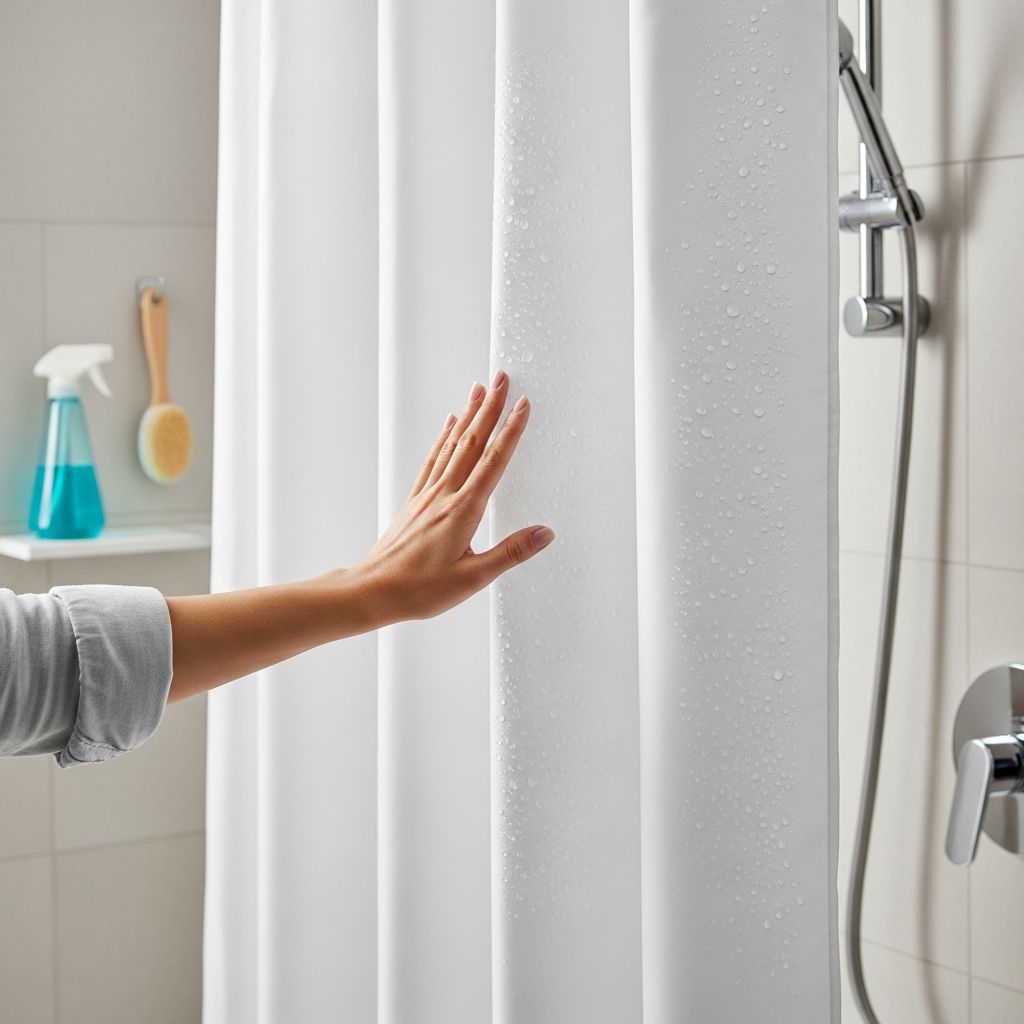
Your shower curtain is one of the most frequently used items in your bathroom, yet it’s often overlooked when it comes to regular cleaning. Over time, shower curtains accumulate dust, soap scum, mold, and mildew due to constant exposure to moisture and heat. A dirty shower curtain not only looks unattractive but can also harbor harmful bacteria and allergens that affect your bathroom’s hygiene and air quality. Learning how to properly clean your shower curtain and implementing preventative maintenance strategies will extend its lifespan, improve your bathroom’s appearance, and create a healthier bathing environment for your entire family.
Why Your Shower Curtain Gets Dirty
Understanding why your shower curtain becomes soiled is the first step toward effective cleaning and maintenance. Shower curtains are constantly exposed to moisture from your daily showers, creating an ideal environment for mold and mildew growth. The combination of warm water, soap residue, body oils, and hard water minerals creates a perfect storm for buildup. Additionally, dust particles settle on the curtain surface, and mineral deposits from tap water can leave stubborn stains and rings. The longer you go without cleaning, the more difficult the buildup becomes to remove.
Before You Start: Essential Preparation
Before tackling your shower curtain cleaning project, take a few minutes to prepare properly. Check the manufacturer’s label on your shower curtain for specific washing instructions and any warnings about water temperature or cleaning agents. Some delicate materials may require gentle hand washing rather than aggressive scrubbing or machine washing. Gather all necessary supplies and materials, and clear your bathroom of unnecessary items to give yourself adequate workspace. Having everything ready before you begin will make the cleaning process smoother and more efficient.
Deep Cleaning Methods
The Borax, Vinegar, and Water Solution
One of the most effective and budget-friendly deep cleaning methods combines three simple household ingredients. This solution works exceptionally well for removing tough stains, mold, and mildew from plastic and vinyl shower curtains.
Ingredients needed:
- 1 cup Borax
- 1 cup white vinegar
- 4 cups distilled water
- Large plastic bucket
- Rubber gloves
- Sponge or soft-bristled brush
Steps to follow:
- In a large plastic bucket, combine 1 cup Borax, 1 cup white vinegar, and 4 cups distilled water. Mix the solution thoroughly until the Borax is completely dissolved.
- Carefully carry the bucket to your shower and pour the mixture directly onto the shower curtain, starting from the top.
- Put on rubber gloves to protect your skin and use a sponge or soft-bristled brush to scrub away dirt, grime, and stains. Pay special attention to areas with heavy mold or mildew buildup.
- Work systematically from top to bottom, ensuring you cover the entire surface of the curtain.
- Rinse thoroughly with clean water using your shower head, making sure to remove all cleaning solution residue.
- Allow the curtain to air dry completely by opening it wide to promote airflow.
Machine Washing Method
Most vinyl and plastic shower curtains are machine washable, making this an easy option for those with heavy soiling. Check your curtain’s label first to confirm it’s safe for machine washing. Wash your shower curtain on a gentle or delicate cycle with warm water, adding one cup of baking soda to your regular laundry detergent. Baking soda acts as a natural deodorizer and mild abrasive that helps remove stubborn stains without damaging the material. For extra protection, place your shower curtain inside a mesh laundry bag to prevent excessive agitation. Avoid using bleach unless the label specifically permits it, as bleach can weaken vinyl and plastic materials over time.
Hand Washing Approach
For delicate or vintage shower curtains that cannot tolerate machine washing, hand washing provides a gentle alternative. Fill your bathtub with warm water and add one-half cup of baking soda and a tablespoon of liquid dish soap. Submerge your shower curtain and let it soak for fifteen to thirty minutes to loosen dirt and stains. Using a soft sponge or cloth, gently scrub both sides of the curtain, paying particular attention to heavily soiled areas. Rinse thoroughly with clean running water until all soap residue is gone. Squeeze out excess water gently without wringing, then hang to air dry.
Treating Stubborn Rings and Stains
Stubborn rings at the bottom of your shower curtain, often caused by mineral deposits and mold, may require targeted treatment. Soak these problem areas in a solution of equal parts white vinegar and water for one to two hours. The acidity of the vinegar breaks down mineral deposits effectively. For particularly resistant stains, create a paste using baking soda and water, apply it directly to the stain, let it sit for ten minutes, then scrub gently with an old toothbrush. Always test any cleaning solution on an inconspicuous area first to ensure it won’t damage your curtain’s material or color.
Maintenance and Prevention Strategies
Preventative Spray Solution
Once you’ve cleaned your shower curtain thoroughly, maintaining its cleanliness is crucial for long-term freshness. Create a preventative maintenance spray using ingredients you likely already have at home.
Maintenance spray ingredients:
- 2 cups white vinegar
- 2 tablespoons liquid dish soap
- 1 cup distilled water
- Spray bottle with funnel
Preparation instructions:
- Pour the ingredients into a spray bottle using a funnel to avoid spilling.
- Shake the mixture well to combine all components thoroughly.
- Spray this solution on your shower curtain every two weeks.
- Wipe the entire curtain surface with a clean, dry towel.
- Leave the curtain open to air dry completely.
Daily Habits for Cleanliness
Beyond weekly or monthly maintenance, simple daily habits can significantly slow the accumulation of dirt and mildew. Always leave your shower curtain fully open after showering to allow maximum air circulation and faster drying. Moisture trapped in folds promotes mold growth, so spreading the curtain wide prevents this problem. Wipe down the curtain with a dry towel immediately after your shower if possible, removing excess moisture and soap residue. Ensure your bathroom has adequate ventilation by running your exhaust fan during and for at least thirty minutes after showering. Consider opening a window if weather permits to improve air circulation and reduce humidity levels.
Proper Storage and Replacement
When not in use for extended periods, store your clean, completely dry shower curtain rolled loosely in a cool, dry location away from direct sunlight. Never store a damp curtain, as this invites mold growth. Most quality shower curtains last two to three years with proper care. If your curtain shows persistent discoloration despite multiple cleaning attempts, or if you notice holes or tears, replacement is more practical than continued cleaning efforts. When replacing your curtain, consider upgrading to a higher quality material or one with antimicrobial properties for improved durability and hygiene.
Understanding Different Curtain Materials
Different shower curtain materials require slightly different care approaches. Vinyl and plastic curtains are the most common and are generally durable and easy to clean. Fabric shower curtains, while less common, require gentler treatment and should typically be machine washed on a delicate cycle. Microfiber and anti-mildew treated curtains often come with specific manufacturer recommendations. Waterproof fabric blends may need special detergent to maintain their water-resistant properties. Always consult your specific curtain’s care label before attempting any cleaning method to avoid damage and ensure longevity.
Cleaning Products Comparison
| Cleaning Method | Best For | Time Required | Cost | Effectiveness |
|---|---|---|---|---|
| Borax/Vinegar Solution | Heavy soiling, mold | 30-45 minutes | Very Low | Excellent |
| Machine Washing | General maintenance | 60-90 minutes | Low | Very Good |
| Hand Washing | Delicate materials | 45-60 minutes | Low | Good |
| Preventative Spray | Weekly maintenance | 5-10 minutes | Very Low | Good |
| Commercial Cleaners | Stubborn stains | 15-30 minutes | Medium-High | Excellent |
Common Mistakes to Avoid
Many people make preventable mistakes when cleaning shower curtains. Using water that’s too hot can damage plastic and vinyl materials, so always use warm to lukewarm water. Scrubbing too aggressively can create micro-tears that compromise the curtain’s waterproofing. Mixing different cleaning chemicals, particularly bleach with other cleaners, creates dangerous fumes and can damage the curtain. Allowing your curtain to air dry improperly, such as leaving it bunched up in a corner, traps moisture and promotes mold growth. Not checking the manufacturer’s label before cleaning is perhaps the most common mistake, as it can lead to permanent damage to your curtain.
Frequently Asked Questions
Q: How often should I clean my shower curtain?
A: Perform deep cleaning every two to three months, with preventative maintenance spray applied every two weeks. Daily habits like leaving the curtain open and wiping it dry extend the time between deep cleanings.
Q: Can I use bleach to clean my shower curtain?
A: Check your curtain’s label first. While bleach is effective against mold, it can weaken or discolor vinyl and plastic materials. Use only if the manufacturer specifically recommends it, and dilute thoroughly.
Q: What should I do if my shower curtain smells musty?
A: Spray your curtain with the preventative maintenance solution and allow it to air dry in sunlight if possible. Sunlight naturally kills odor-causing bacteria. Ensure adequate bathroom ventilation to prevent future musty smells.
Q: Is it safe to machine wash all shower curtains?
A: No. Always check the manufacturer’s label. Most vinyl and plastic curtains are machine washable, but some delicate or specialty materials require hand washing.
Q: How can I prevent mold growth on my shower curtain?
A: Always leave your curtain fully open after showering for complete air drying, use your bathroom exhaust fan during and after showers, wipe the curtain dry, and apply preventative spray solution regularly.
Q: What’s the best way to remove hard water stains from my shower curtain?
A: Soak the stained area in white vinegar for one to two hours, then scrub gently with a soft sponge. The acidity of vinegar dissolves mineral deposits effectively without damaging the curtain material.
Q: Can I dry my shower curtain in a clothes dryer?
A: Check your manufacturer’s label. Some curtains can be dried on low heat, but most should air dry. Heat from a dryer can damage or warp vinyl and plastic materials permanently.
Conclusion
Keeping your shower curtain clean and well-maintained is a simple yet often overlooked aspect of bathroom hygiene. By understanding the causes of buildup and implementing both deep cleaning methods and preventative maintenance strategies, you can extend your curtain’s lifespan and maintain a fresh, healthy bathroom environment. Whether you choose the economical Borax and vinegar solution, the convenient machine washing method, or the gentle hand washing approach, consistency is key. Remember that daily habits like proper air drying and adequate ventilation are just as important as periodic deep cleaning. With the methods and tips outlined in this guide, your shower curtain will remain fresh, clean, and visually appealing for years to come.
References
- Easy Does It: How to Clean a Shower Curtain Liner — HGTV. 2018-08-03. https://www.hgtv.com/design/decorating/clean-and-organize/how-to-clean-your-shower-curtain-and-keep-it-clean
- How to Clean Shower Curtains — The Home Depot. https://www.homedepot.com/c/ah/how-to-clean-shower-curtains/9ba683603be9fa5395fab901623bcb26
Similar Articles



Read full bio of medha deb