How to Clean Solar Panels: A Complete Guide
Keep your solar panels efficient and performing at peak capacity with proper cleaning.
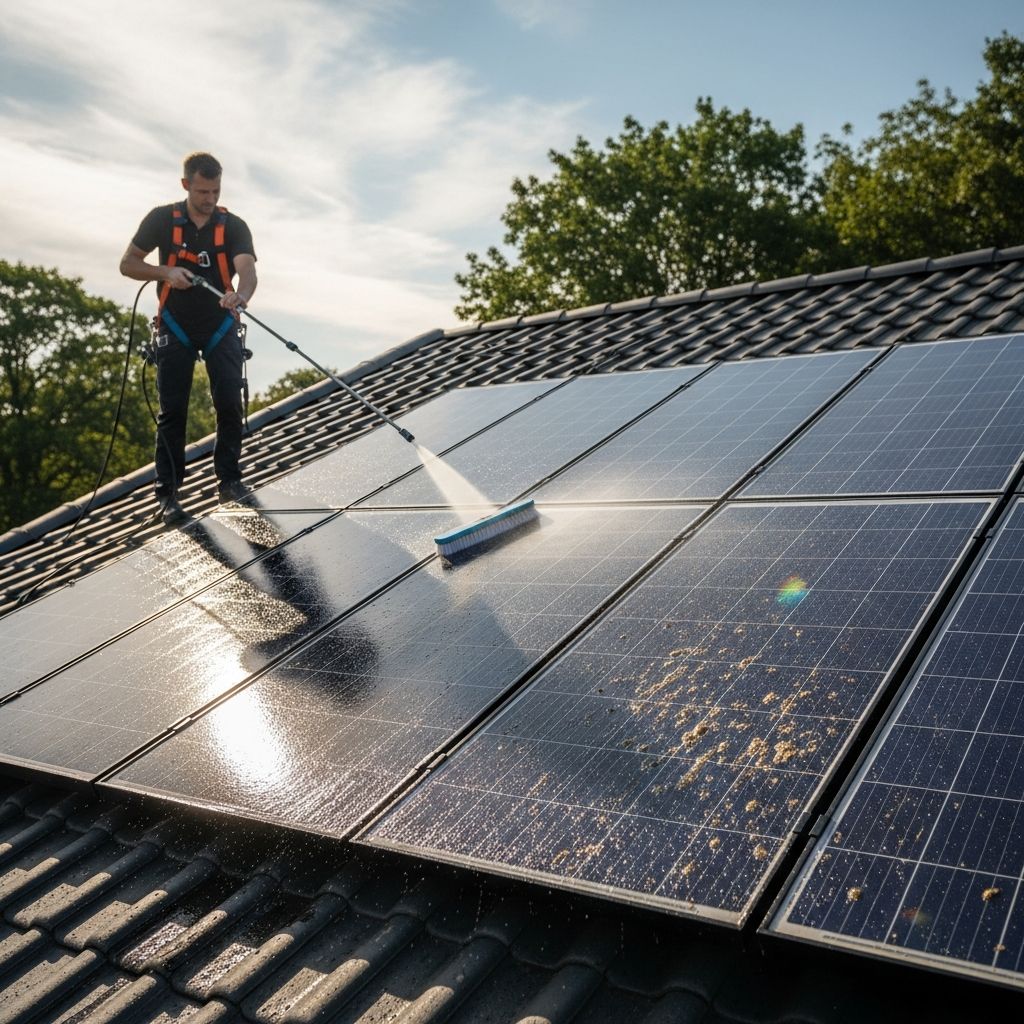
Solar panels are a smart investment for homeowners looking to reduce energy costs and embrace renewable energy. However, like any significant home improvement, they require regular maintenance to function at their best. One of the most important maintenance tasks is keeping your solar panels clean. Dust, dirt, bird droppings, tree sap, and other debris can accumulate on your panels over time, reducing their efficiency and power output. Understanding how to clean your solar panels properly will help you maintain their performance and extend their lifespan.
Why Regular Solar Panel Cleaning Matters
Solar panels work by converting sunlight into electricity. When dirt, dust, or debris covers the glass surface, it blocks sunlight from reaching the photovoltaic cells underneath, significantly reducing the amount of electricity your system can generate. Studies show that dirty solar panels can lose 15-25% of their efficiency compared to clean panels. In dusty environments, near construction sites, or areas with heavy bird activity, the efficiency loss can be even more dramatic. Regular cleaning ensures that your solar investment continues to generate maximum power output year-round.
Beyond efficiency, regular cleaning also helps you catch potential problems early. During the cleaning process, you can inspect your panels for cracks, loose connections, or other damage that might require professional attention. This preventive maintenance approach can save you money on costly repairs down the road.
How Often Should You Clean Your Solar Panels?
The frequency of solar panel cleaning depends on several factors, including your climate, local weather patterns, and surrounding environment. Most manufacturers recommend cleaning your panels at least once or twice per year. However, if you live in an area with specific environmental challenges, you may need to clean them more frequently.
Factors That Increase Cleaning Frequency
In certain locations, solar panels require more frequent cleaning:
- Desert or extremely dusty environments where sand and dust accumulate rapidly
- Heavily wooded areas with significant leaf litter and tree debris
- Regions with high bird populations and concentrated droppings
- Areas near coastlines where salt spray can accumulate
- Industrial zones with pollution or soot
If your home is in any of these environments, consider increasing your cleaning schedule to every three to four months. You should also inspect your panels monthly during heavy pollen season or after severe weather events.
Best Time to Clean Your Solar Panels
Timing is crucial when cleaning solar panels. The best time to clean your panels is early in the morning or late in the evening when temperatures are cooler. During these times, your panels are less likely to be hot, which provides several advantages.
Cleaning during the heat of the day can cause water or cleaning solutions to evaporate too quickly, leaving behind mineral deposits and streaks that can actually reduce panel efficiency. Additionally, in rare cases, the sudden temperature shift from rinsing hot panels with cool water can cause thermal shock, potentially leading to surface cracking. By choosing cooler times of day, you’ll achieve a more thorough cleaning and minimize the risk of damage.
You should also check the weather forecast before cleaning. Avoid cleaning during hot, windy conditions or if rain is expected within a few hours. Rain immediately after cleaning can leave new mineral deposits and undo your work.
Tools and Materials You’ll Need
Gathering the right supplies before you start is essential for safe and effective cleaning. Using the wrong tools can damage your panels, void your warranty, or reduce their efficiency.
Essential Cleaning Supplies
Water: The safest and most basic cleaning supply is plain water. Use room temperature water or water that matches the outdoor temperature to avoid thermal shock. If your tap water is hard with high mineral content, consider using filtered or distilled water to prevent mineral deposits and streaks.
Soft-Bristle Brushes: Always use soft bristle brushes specifically designed for cleaning. Hard or stiff brushes can scratch the protective glass coating on your panels, compromising their efficiency and potentially voiding your warranty. Microfiber mops and soft cloths are also excellent options.
Mild Detergent: If plain water isn’t sufficient, use a mild soap solution. Manufacturers like Canadian Solar recommend using lukewarm water with a small amount of mild detergent like Dawn dish soap. Avoid any corrosive or harsh chemicals, including hydrofluoric acid, alkali, acetone, or industrial alcohol, as these can damage panel coatings and void warranties.
Squeegees: Use a squeegee or microfiber cloth to dry panels after rinsing. This helps prevent water spots and mineral deposits from forming as the water dries.
Optional Equipment
Long-Handled Tools: Consider investing in long-handled brushes, mops, or extension poles to clean your panels from the ground. This eliminates the need for ladders and makes the job much safer, particularly if your panels are mounted at high angles or on steep roofs.
Water-Fed Pole Systems: These systems allow you to clean panels from ground level using purified water delivered through an extended pole. They’re particularly useful for two-story homes or difficult-to-reach panels.
Garden Hose: A standard garden hose with a spray nozzle works well for rinsing panels. Avoid using high-pressure washers, as the force can damage the panels and strip away protective coatings.
Ladder: If you must access your roof, use a sturdy, well-maintained ladder and always follow ladder safety guidelines. Consider having a helper present for safety.
Step-by-Step Solar Panel Cleaning Instructions
Following a systematic approach ensures safe and effective cleaning. Always check your manufacturer’s specific guidelines, as different systems may have unique requirements.
Step 1: Turn Off Your Solar System
Before you begin any cleaning work, shut off your entire solar system at the inverter and disconnect it from the electrical grid if possible. Solar panels can generate electricity whenever sunlight hits them, creating electrical hazards. Water and electricity don’t mix, so ensuring your system is completely powered down eliminates the risk of electrical shock or short circuits during cleaning.
Step 2: Allow Panels to Cool
After turning off your system, wait several hours—ideally until early morning or evening—for your panels to cool completely. Hot panels combined with cool water can cause thermal stress and potentially crack the glass surface. If you must clean during the day, at least wait until late afternoon when temperatures have dropped.
Step 3: Rinse with Water
Begin by rinsing your panels with room-temperature water from a garden hose set to a gentle spray. This initial rinse removes loose dust and debris that could scratch your panels if you scrubbed them away dry. Direct the water from top to bottom, allowing it to flow naturally down the panels. Spend extra time on areas with visible dirt accumulation.
Step 4: Prepare Your Cleaning Solution
Mix a gentle cleaning solution in a bucket using lukewarm water and a small amount of mild detergent. Submerge your soft-bristle brush or sponge in the solution, then wring it out thoroughly before applying it to the panels. You want the brush damp, not dripping wet. An overly wet brush can leave excess water on the panels that’s difficult to dry completely.
Step 5: Gently Scrub Each Panel
Using light pressure, gently scrub each panel with your dampened brush or soft sponge. Work systematically across your array to ensure complete coverage. Pay special attention to areas with stubborn stains or accumulation. Never scrub dry panels, as this can create micro-scratches on the glass surface. Keep your movements gentle and circular for best results.
Step 6: Dry As You Go
After scrubbing each panel, immediately use a squeegee or microfiber cloth to dry the surface. This prevents water spots and mineral deposits from forming as the water evaporates. Streak-free drying also helps you see if any debris remains that needs additional cleaning.
Step 7: Final Rinse
Once all panels have been scrubbed and dried, give them a final gentle rinse with clean water to remove any remaining soap residue. Soap left behind can actually attract more dirt over time, reducing the effectiveness of your cleaning efforts. Direct water from top to bottom and allow it to drain naturally.
Step 8: Allow Complete Drying
Before turning your system back on, ensure that all panels and electrical connections are completely dry. Wait at least 30 minutes to an hour after your final rinse, or longer if humidity is high. Completely dry surfaces eliminate any risk of electrical hazards when you restore power to your system.
Dealing with Stubborn Stains
Some debris is more challenging to remove than gentle scrubbing alone. Different types of stubborn buildup require slightly different approaches.
Bird Droppings and Sticky Residue
Fresh bird droppings, tree sap, and bug residue can be difficult to remove. Rather than scrubbing aggressively, try this gentler approach: Soak a microfiber cloth in purified water with a drop of mild detergent, then place it directly on the stained area. Let the solution saturate the debris for 5-10 minutes, allowing it to soften. Then gently wipe away the softened debris with minimal pressure. This soaking method is far more effective than rough scrubbing and won’t damage your panels.
Heavy Tree Sap Buildup
Thick tree sap may require slightly more aggressive treatment. Mix a solution of lukewarm water with a small amount of mild detergent like Dawn, and apply it generously to the affected area. Let it sit for several minutes to penetrate and loosen the sap. Use a soft-bristle brush with gentle circular motions to gradually work the sap loose. Never use harsh solvents, abrasive scrubbers, or high-pressure equipment, as these can compromise panel coatings and void your warranty.
Moss and Algae Growth
In humid or shaded environments, moss and algae can grow on panels. These organisms can significantly reduce efficiency. To remove them, create a solution of equal parts white vinegar and water, or use a mild algaecide specifically approved for solar panels. Apply this solution to affected areas and let it sit for 10-15 minutes. Then gently brush with a soft-bristle brush and rinse thoroughly. For heavily affected panels, you may need to repeat this process or consider professional cleaning.
Professional Solar Panel Cleaning Services
While DIY cleaning is cost-effective and often sufficient, professional solar panel cleaning services offer several advantages in certain situations.
When to Consider Professional Cleaning
Professional cleaning may be worth the investment if your panels are on a steep roof, if you have mobility issues or safety concerns about accessing your roof, or if your system is particularly large or complex. Professionals have specialized equipment, including water-fed poles, robotic cleaners, and pure water systems that deliver superior results without safety risks.
Benefits of Professional Services
Professional cleaners typically use filtered or deionized water that prevents mineral deposits and streaks. They can also inspect your entire system for maintenance issues and can often identify problems you might miss during casual cleaning. Additionally, professionals are trained in proper safety protocols and can navigate steep roofs or complex panel arrangements more efficiently than homeowners.
Automated Cleaning Systems
Some homeowners with large installations invest in automated cleaning systems. Options include robotic cleaners that autonomously traverse panels, sprinkler systems that deliver consistent gentle cleaning, and electrostatic systems that use charged particles to remove dust and debris. These systems are most cost-effective for large commercial or utility-scale installations.
Important Safety Precautions
Solar panel cleaning involves several safety considerations that should never be overlooked.
- Always turn off your system before beginning any cleaning work
- Never use high-pressure washers, as they can damage panels and strip protective coatings
- Avoid climbing on steep roofs or working at heights without proper safety equipment and a helper
- Never mix cleaning chemicals unless specifically instructed by the manufacturer
- Check weather conditions before cleaning to avoid working in extreme heat or before rain
- Wear appropriate footwear with good grip if you must walk on panels or nearby roof areas
- Use caution with ladders and never overreach; reposition the ladder as needed
Frequently Asked Questions
Q: Can I use regular household cleaners on my solar panels?
A: No. Avoid harsh chemicals, window cleaners, and abrasive cleansers that can damage protective coatings and void your warranty. Stick to mild detergent and water, or use cleaners specifically formulated for solar panels.
Q: Will cleaning my solar panels really increase their efficiency?
A: Yes. Dirty panels can lose 15-25% efficiency. Regular cleaning ensures maximum sunlight reaches the photovoltaic cells, directly improving power output and energy savings.
Q: How long does it take to clean solar panels?
A: For a typical residential system, DIY cleaning usually takes 1-3 hours, depending on the number of panels, the amount of debris, and whether you’re using ground-level tools or climbing on the roof.
Q: Is it safe to clean solar panels myself?
A: Yes, if you follow proper safety protocols: turn off your system, use ground-level tools when possible, avoid high-pressure equipment, and be cautious on roofs. If you’re uncomfortable with heights or don’t have proper equipment, hire a professional.
Q: Can rain clean my solar panels?
A: Rainwater provides some cleaning benefit, but it’s not sufficient for regular maintenance. Rain often contains minerals and leaves deposits, and it doesn’t remove stubborn debris like bird droppings or tree sap.
Q: Do I need to use distilled water for cleaning?
A: Regular tap water works fine if your local water isn’t extremely hard. If you have hard water with high mineral content, distilled or filtered water prevents mineral deposits and streaking on your panels.
Q: What should I do if I notice damage during cleaning?
A: Stop cleaning immediately and contact your solar installer or manufacturer. Document any cracks, discoloration, or loose connections with photos. Don’t attempt repairs yourself, as this could void your warranty.
Conclusion
Regular solar panel cleaning is a simple yet essential maintenance task that keeps your system running at peak efficiency. By understanding how often to clean your panels, gathering the right tools, and following proper cleaning techniques, you can maximize your solar investment’s performance and longevity. Whether you choose to clean your panels yourself using ground-level equipment or hire professionals for periodic deep cleaning, the key is consistency and caution. With proper maintenance, your solar panels will continue generating clean energy and impressive savings for decades to come.
References
- Step-by-Step Guide to Cleaning Solar Panels — Aurora Solar. Accessed 2025-12-03. https://www.aurorasolar.com/home-solar/blog/solar-101/solar-panel-cleaning-guide
- Guide To Solar Panel Cleaning For Efficiency & Longevity — SolarTech Online. Accessed 2025-12-03. https://solartechonline.com/blog/solar-cleaning-guide-efficiency-tips/
- The Ultimate Guide to Solar Panel Cleaning — EnergySage. Accessed 2025-12-03. https://www.energysage.com/solar/solar-panel-cleaning/
Similar Articles


Read full bio of medha deb