How to Clean Stainless Steel Sinks Like a Pro
Master the art of cleaning stainless steel sinks with proven techniques and simple solutions.
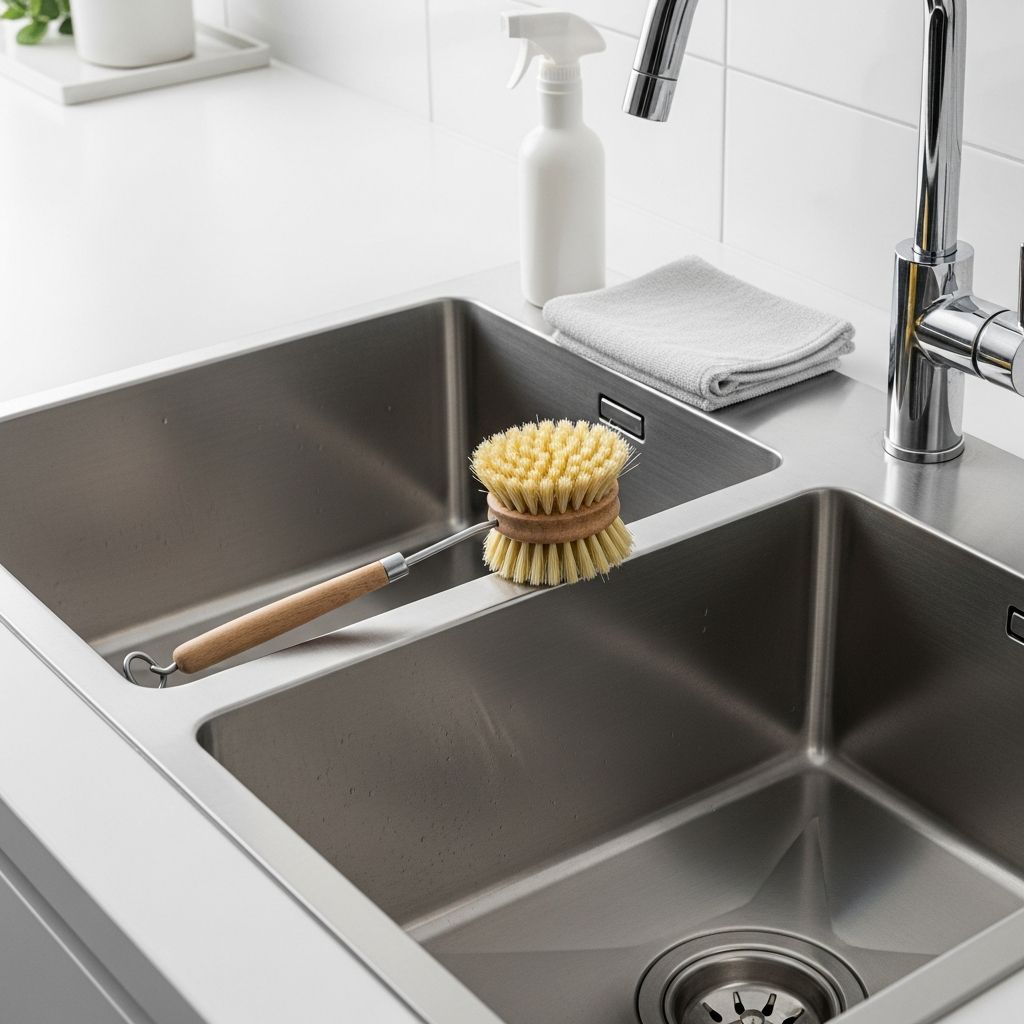
A gleaming stainless steel sink is the centerpiece of any well-maintained kitchen. However, keeping your sink in pristine condition requires more than just rinsing it with water. Stainless steel is susceptible to fingerprints, water spots, mineral deposits, and stubborn stains that can make it look dull and unkempt. Whether you’re dealing with daily grime or tackling a deep clean, understanding the right techniques and products will help you restore your sink’s brilliant shine and keep it looking like new for years to come.
Why Stainless Steel Requires Special Care
Stainless steel sinks are popular in modern kitchens because of their sleek appearance, durability, and resistance to rust and corrosion. However, this material is more delicate than many homeowners realize. The finish on stainless steel can be easily damaged by abrasive scrubbers, harsh chemicals, and improper cleaning techniques. Water spots, fingerprints, and mineral deposits are particularly problematic with stainless steel because they’re highly visible on the reflective surface. Understanding how to care for your sink properly ensures you maintain its warranty and aesthetic appeal while extending its lifespan significantly.
Daily Cleaning Essentials
The foundation of keeping your stainless steel sink looking beautiful is establishing a simple daily cleaning routine. Most daily cleaning tasks require only basic items you likely already have in your kitchen, making maintenance convenient and cost-effective. By dedicating just a few minutes each day to quick cleaning, you can prevent grime and mineral buildup that becomes much harder to remove over time.
Step-by-Step Daily Cleaning Process
Clear and Rinse the Sink: Begin by removing any dishes, utensils, or debris from your sink. This includes items like sponges, scrub brushes, or any other objects stored in the basin. Once cleared, rinse the entire sink thoroughly with warm water to remove loose food particles, coffee grounds, or other visible debris.
Apply Dish Soap: Use a quality dish soap and a non-scratch sponge or cloth to scrub down the entire sink surface. Focus especially on areas where grime tends to accumulate, such as around the drain, the garbage disposal area, and along the edges where the sink meets the countertop. Gentle circular motions work best for stainless steel, as they follow the grain of the material.
Rinse Thoroughly: After scrubbing with soap, rinse the sink completely with warm water. Make sure to remove all soap residue, as leftover soap can leave streaks and dull the finish. Pay special attention to the drain area and any crevices where water might collect.
Dry with a Microfiber Towel: This is the crucial step many people skip. Using a clean, dry microfiber towel, buff the entire sink surface. This removes any water droplets that would otherwise leave mineral deposits and water spots. Drying your sink also prevents streaking and enhances the natural shine of the stainless steel.
Deep Cleaning Your Stainless Steel Sink
While daily cleaning maintains your sink’s appearance, periodic deep cleaning tackles stubborn stains, mineral deposits, and built-up grime that regular washing cannot remove. Deep cleaning should be performed at least once a month, or more frequently if you have hard water or heavy usage in your kitchen.
Using Baking Soda for Natural Cleaning
Baking soda is one of the most effective and economical solutions for deep cleaning stainless steel sinks. This mild abrasive works exceptionally well because it lifts grime without damaging the sink’s protective finish. To use baking soda effectively, sprinkle a generous amount across the entire sink surface. Add a few drops of dish soap on top, and then use a damp sponge to scrub the sink thoroughly. The combination of baking soda and soap creates a gentle paste that tackles tough stains while being safe for stainless steel. After scrubbing for several minutes, rinse the sink completely with warm water and dry with a microfiber towel for a bright, clean finish.
Specialized Stainless Steel Cleaners
For more stubborn stains and heavy mineral buildup, specialized stainless steel cleaning products are invaluable. Barkeeper’s Friend is a highly popular option that has earned a reputation as a professional-grade cleaner for stainless steel. To use this product, moisten the sink surface and sprinkle Barkeeper’s Friend evenly across the area you’re treating. Using a damp microfiber cloth or soft sponge, scrub the affected areas with the grain of the steel. Allow the cleaner to sit for approximately one minute, which gives it time to work on the stains. Then rinse thoroughly with clean water and dry immediately with a microfiber towel to prevent water spots.
Tackling Hard Water Deposits
Hard water can leave stubborn mineral deposits on your stainless steel sink, particularly around the drain and faucet areas. White vinegar is an excellent natural solution for dissolving these deposits. Spray white vinegar directly on the affected areas and let it sit for several minutes. The acidity of vinegar breaks down mineral deposits effectively. After allowing it to work, scrub gently with a soft cloth and rinse thoroughly. For particularly heavy mineral buildup, commercial descaling products specifically designed for hard water stains can provide more powerful results.
Cleaning Your Garbage Disposal and Drain
The garbage disposal area is often the dirtiest part of your stainless steel sink because it collects food particles, grease, and grime. Many sinks have removable rubber splash guards on their garbage disposals, which can be taken out for thorough cleaning. If your splash guard is removable, take it out and wash it separately in hot soapy water, using a brush to scrub away stubborn buildup.
For splash guards that cannot be removed, use an old toothbrush to scrub around the guard and into the crevices where debris accumulates. Pay special attention to the lip beneath the guard, as this area traps a surprising amount of grime. For the drain opening itself, combine baking soda and vinegar for a natural cleaning solution. Pour about half a cup of baking soda down the drain, followed by a cup of white vinegar. Allow the mixture to fizz and work for 15-20 minutes, then flush with hot water to clear away debris and odors.
Removing Fingerprints and Smudges
Stainless steel’s reflective surface makes fingerprints and smudges extremely visible, which is one of the primary aesthetic complaints homeowners have about this sink material. Fortunately, removing fingerprints is straightforward. For occasional fingerprints, simply wipe them away with a microfiber cloth slightly dampened with water. For stubborn smudges, apply a small amount of stainless steel cleaner to your cloth and buff the affected area with the grain. Always work in the direction of the grain, as this maintains the finish’s appearance and prevents visible scratching.
Descaling Your Faucet
The faucet head is particularly prone to hard water buildup and mineral deposits because water consistently flows through it. To descale your faucet, fill a small bag with white vinegar or a commercial descaling solution. Secure the bag around the faucet head using a rubber band, ensuring the aerator is fully submerged in the solution. Allow it to soak for approximately two to three hours, or overnight for heavily scaled faucets. After soaking, remove the bag and use a soft brush to scrub away any remaining deposits. Run water through the faucet to rinse away loosened debris. This treatment not only improves water flow but also enhances the faucet’s appearance by removing the white, crusty mineral coating.
Preventing Common Stainless Steel Problems
Prevention is always easier than correction when it comes to maintaining your stainless steel sink. Understanding what causes common problems helps you adopt habits that minimize damage and maintain your sink’s pristine condition.
Water Spots and Mineral Deposits
The most common complaint about stainless steel sinks is the appearance of water spots and mineral deposits. These occur when water droplets evaporate, leaving behind mineral content from hard water. The most effective prevention is simple: always dry your sink with a clean microfiber towel immediately after use. This single habit eliminates the primary cause of water spots and maintains your sink’s shine consistently.
Avoiding Scratches and Damage
To prevent scratching your stainless steel sink, avoid using abrasive scrubbers, steel wool, or harsh scouring pads. Instead, opt for soft sponges, microfiber cloths, and gentle brushes. When cleaning, always move in the direction of the grain, which is less visible than cross-grain scratches. Never use bleach or chlorine-based cleaners on stainless steel, as these can cause corrosion and pitting. Additionally, avoid leaving acidic foods or liquids sitting in the sink for extended periods, as prolonged contact can damage the protective finish.
Managing Grease and Oil
Grease and cooking oils can leave dull, slick residue on stainless steel. These should be wiped away promptly with a cloth dampened in hot water and a small amount of dish soap. For stubborn grease buildup, white vinegar is particularly effective at cutting through oily residue. Simply spray vinegar on the affected area, let it sit for a few minutes, then wipe clean with a microfiber cloth.
Recommended Products and Tools
Having the right products and tools on hand makes stainless steel sink maintenance significantly easier and more effective. A well-stocked cleaning kit should include soft microfiber cloths, which are gentler than regular towels and leave fewer lint particles; non-abrasive sponges that won’t scratch the surface; quality dish soap for daily cleaning; baking soda for natural deep cleaning; white vinegar for mineral deposits and grease; specialized stainless steel cleaner for stubborn stains; and an old toothbrush for reaching tight spaces around the drain and faucet. Additionally, keeping a spray bottle of white vinegar readily available in your kitchen encourages frequent spot-cleaning and quick maintenance.
The Importance of Regular Maintenance
Consistency is key to maintaining a beautiful stainless steel sink. A few minutes of daily maintenance prevents the buildup of grime and mineral deposits that require significantly more effort to remove later. Monthly deep cleaning sessions ensure that stubborn stains and hard water deposits don’t accumulate. By establishing a regular cleaning routine and using appropriate products, you’ll keep your sink looking pristine and protect your investment for many years.
Frequently Asked Questions
Q: Can I use vinegar on stainless steel sinks?
A: Yes, white vinegar is safe and effective for stainless steel sinks. It’s particularly useful for removing hard water deposits and mineral buildup. Always dilute vinegar or use it in small amounts, and follow up by rinsing thoroughly and drying with a microfiber cloth to prevent water spots.
Q: Is baking soda safe for stainless steel?
A: Absolutely. Baking soda is a mild abrasive that effectively lifts grime without damaging stainless steel’s protective finish. When combined with dish soap, it creates an excellent cleaning paste for deep cleaning your sink. Always rinse thoroughly after use and dry with a microfiber towel.
Q: How often should I deep clean my stainless steel sink?
A: For optimal appearance and maintenance, deep clean your sink at least once a month. If you have hard water or use your sink frequently, consider deep cleaning every two weeks. Daily quick cleanings should be performed as part of your regular kitchen routine.
Q: What should I avoid when cleaning stainless steel?
A: Avoid using abrasive scrubbers like steel wool, harsh scouring pads, bleach, or chlorine-based cleaners. These can scratch the surface, cause corrosion, or damage the protective finish. Always move in the direction of the grain and use gentle, non-abrasive tools.
Q: How can I remove stubborn rust spots from my stainless steel sink?
A: While true stainless steel rarely rusts, surface rust can occur from exposure to iron-rich particles. Use Barkeeper’s Friend or a specialized stainless steel cleaner on the affected area. Apply the product, let it sit briefly, scrub gently, then rinse thoroughly. For persistent rust, repeat the process or consult professional cleaning services.
Q: Why does my sink still have water spots after drying?
A: Water spots indicate mineral content in your water (hard water). While you can’t prevent all spots, drying immediately after use minimizes them significantly. Consider using a microfiber cloth specifically designed for streak-free drying. If spots persist, regular descaling treatments and white vinegar rinses help prevent mineral accumulation.
Q: Can I use commercial stainless steel polishes on my sink?
A: Many commercial stainless steel polishes are safe for sinks, but always check the product label first. Some polishes are designed only for appliances and may leave residues unsuitable for food preparation areas. When in doubt, stick with proven options like Barkeeper’s Friend or natural solutions like baking soda and vinegar.
References
- The Secret to Cleaning Stainless Steel Sinks Like a Pro — YouTube. 2024. https://www.youtube.com/watch?v=9kwQ8Iar5Z0
- How To Deep Clean Your Kitchen — HGTV Home Guides, YouTube. 2024. https://www.youtube.com/watch?v=MCb7vM7_Hvw
- How to House: How to Clean Stainless Steel — HGTV, YouTube. 2024. https://www.youtube.com/watch?v=uO_YUsqgqfA
Similar Articles





Read full bio of Sneha Tete