How To Clean Vinyl Floors: 5 Steps For Pristine Results
Master the art of cleaning vinyl floors with expert tips and techniques for lasting shine.
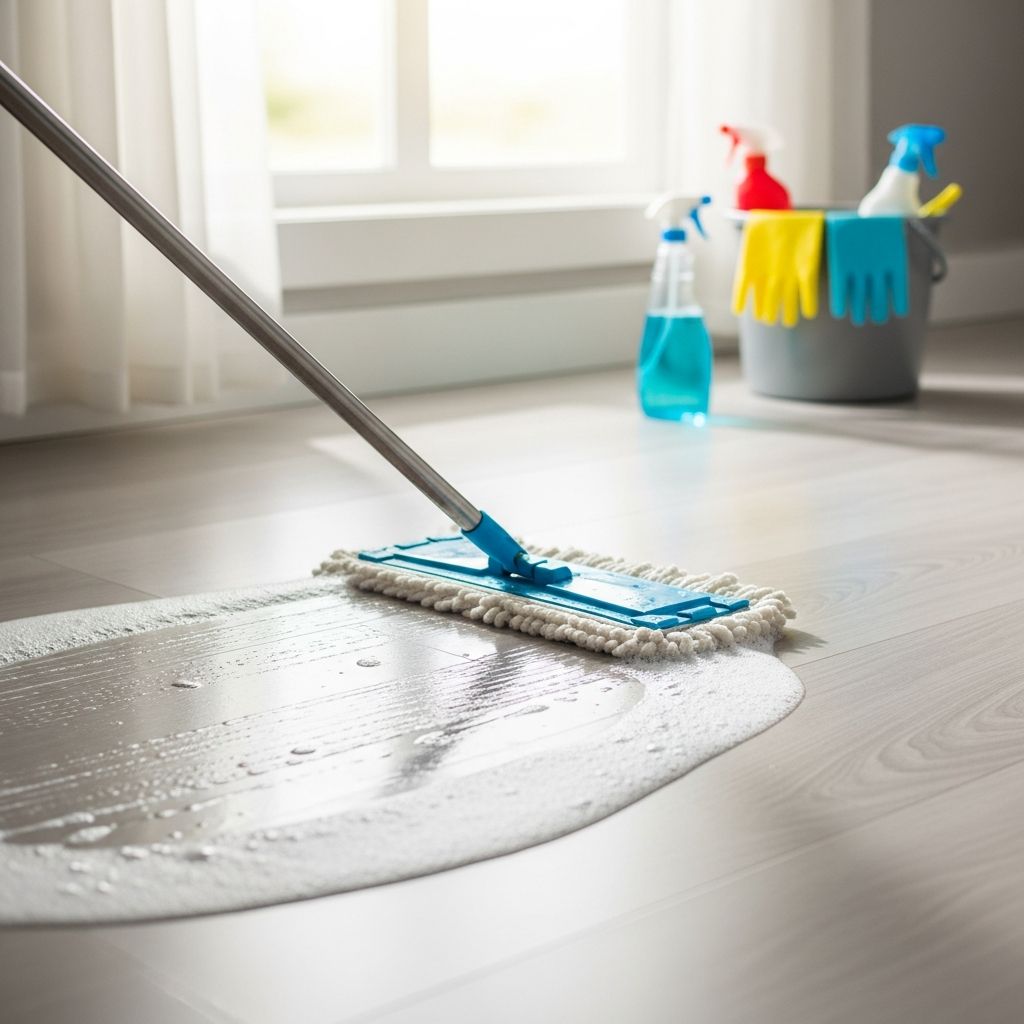
How to Clean Vinyl Floors: The Complete Guide to Keeping Your Floors Pristine
Vinyl flooring has become increasingly popular in modern homes due to its durability, affordability, and attractive appearance. However, maintaining the beauty of vinyl floors requires more than just a quick sweep and mop. Many homeowners unknowingly damage their vinyl floors by using incorrect cleaning methods or inappropriate products. Understanding the proper techniques for cleaning and caring for vinyl floors ensures they remain beautiful and durable for years to come.
Why Proper Vinyl Floor Cleaning Matters
Vinyl flooring, while highly durable, has a protective wear layer that can be compromised by harsh chemicals, excessive moisture, and improper cleaning techniques. When you use the wrong products or methods, you risk creating streaks, dull spots, or permanent damage to the floor’s finish. Additionally, using unapproved cleaning products may void your flooring warranty, leaving you responsible for expensive repairs or replacements. By following the correct cleaning procedures, you protect your investment and ensure your vinyl floors maintain their aesthetic appeal and structural integrity.
Tools and Cleaners You Actually Need
Before you begin cleaning your vinyl floors, gather the appropriate tools and products. Having the right equipment makes the cleaning process more efficient and prevents accidental damage to your flooring.
Essential Cleaning Tools
- Soft-bristled broom: Use a broom with soft bristles to sweep away loose debris without scratching the floor surface
- Vacuum cleaner: A vacuum with a hard floor setting is ideal for removing dust and particles from between planks
- Microfiber mop: Microfiber material is gentle on vinyl and highly effective at picking up dirt without leaving residue
- Microfiber cleaning cloths: These are perfect for spot cleaning and drying without leaving streaks
- Bucket for mixing: A dedicated bucket for mixing cleaning solutions helps control the water ratio
- Soft cloth or sponge: Keep a soft cloth on hand for gentle scrubbing of stubborn spots
Recommended Cleaning Products
When selecting cleaning products for vinyl floors, choose solutions specifically formulated for vinyl or laminate flooring. A neutral pH floor cleaner that is non-oil-based is your best option, as it effectively removes dirt without leaving buildup or damaging the protective finish. Many professionals recommend pH-neutral cleaners designed specifically for vinyl and laminate floors, as these products have been tested to ensure they won’t harm your flooring.
For routine cleaning, warm water combined with a small amount of neutral pH cleaner is often sufficient. This combination removes most dirt and grime while keeping your floors streak-free and protected.
Products to Avoid
Certain products should never be used on vinyl floors, regardless of how effective they seem for other surfaces. Bleach, ammonia, and soap-based cleaners can damage the protective wear layer and may void your warranty. Similarly, avoid mop-and-shine products, floor waxes, and products claiming to “bring your floors back to life,” as these typically contain chemicals or waxes that leave buildup and deteriorate the floor’s finish over time. Products with oils should also be completely avoided, as they leave slippery residue and compromise the floor’s integrity.
Step-by-Step Guide to Cleaning Vinyl Floors
Step 1: Sweep or Vacuum Like a Pro
The first step in any floor cleaning routine is removing loose dirt and debris. Dirt particles act like sandpaper on your vinyl floor’s surface, and every pass of your mop without first removing these particles will scratch the protective wear layer. Use a soft-bristled broom or a vacuum with a hard floor setting to thoroughly sweep or vacuum your entire floor. Pay special attention to corners, along baseboards, and between planks where dirt tends to accumulate.
Step 2: Prepare Your Cleaning Solution
Fill a bucket with warm water and add your chosen pH-neutral vinyl floor cleaner according to product instructions. Never exceed the recommended amount of cleaner, as too much product can leave streaks and buildup. Stir the solution gently to combine the ingredients. Ensure the water is warm but not hot, as extremely hot water can potentially affect the flooring material.
Step 3: Mop with the Grain
Dip your microfiber mop into the cleaning solution and wring it out thoroughly until it’s only slightly damp. This is crucial—excessive water is the enemy of vinyl flooring and can seep into seams, causing swelling and warping. Mop in the direction of the planks, following the grain pattern of your vinyl flooring. This technique not only cleans more effectively but also makes the floor appear more polished. Rinse your mop head frequently in clean water between passes to avoid spreading dirty water across your floor.
Step 4: Spot Clean Tough Stains
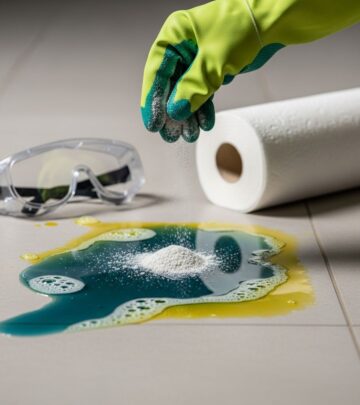
For sticky messes or stains that don’t come clean with regular mopping, spot cleaning is necessary. Apply a small amount of your cleaning solution to a soft cloth and gently rub the affected area. For tougher stains like dried paint, nail polish, or sticky residue, mineral spirits can be effective as a first treatment, followed by recleaning with your regular solution. As a last resort for extremely stubborn stains, a tiny amount of acetone on a soft cloth may be used, but always test this on a hidden area first to ensure it doesn’t damage your specific vinyl flooring.
Step 5: Dry if Needed
If you use a quality vinyl floor cleaner and maintain a proper moisture level while mopping, your floor should air dry quickly and leave a streak-free finish. However, if you notice standing water or puddles, wipe them up immediately with a microfiber towel to prevent water damage. Using appropriate cleaning products minimizes the need for towel drying, but always err on the side of caution when it comes to moisture on vinyl floors.
How Often Should You Clean Your Vinyl Floors?
The frequency of vinyl floor cleaning depends on your household’s activity level and traffic patterns. Generally, sweep or vacuum your vinyl floors once to twice per week to remove dirt and debris before they accumulate. Homes with children or pets may require more frequent sweeping, sometimes daily, to manage increased dirt and spills. Deep mopping with a cleaning solution can typically be done weekly or as needed, depending on visible dirt or spills.
Pro Tips for Long-Term Floor Protection
Preventive Measures
Protecting your vinyl floors starts with prevention. Place doormats or entry rugs at all exterior doors and sliding glass doors to catch mud, grit, and sand before they get tracked onto your floors. This simple step dramatically reduces the amount of abrasive material that contacts your flooring. Use felt pads under all furniture legs to prevent scratches and scuffs when moving items. Never drag heavy furniture across vinyl floors—instead, lift it or use furniture sliders to glide items smoothly without damaging the surface.
Maintenance Strategies
Rotate area rugs and furniture periodically to ensure even wear across your vinyl floor. Since vinyl can show wear patterns in high-traffic areas, rotating your furnishings helps distribute the wear evenly. Additionally, always refer to your manufacturer’s care instructions, as different vinyl products may have specific recommendations for maintenance and approved cleaning products.
Common Vinyl Floor Cleaning Mistakes to Avoid
The Streaking Problem
The most common complaint from vinyl floor owners is streaking. In nearly every case, streaking results from using the wrong cleaner—typically one containing waxes or soaps that leave residue on the surface. The best way to avoid streaks is to use a microfiber mop with damp warm water or a vinyl-specific cleaner, as this combination consistently delivers professional-looking results without residue or buildup.
Excessive Moisture Damage
Using too much water during mopping is a critical mistake that can lead to permanent damage. Water seeping into seams between planks can cause swelling, warping, and mold growth. Always wring your mop out thoroughly so it’s only slightly damp, not dripping wet. This ensures your floors get cleaned without risking water damage.
Wrong Products and Warranty Voidance
Using unapproved cleaning products doesn’t just damage your floors—it can void your warranty, leaving you responsible for repairs or replacement. Always verify that your cleaning products are approved for vinyl flooring by checking the product label or consulting your floor’s warranty documentation.
Comparison: Cleaning Products for Vinyl Floors
| Product Type | Effectiveness | Safety for Vinyl | Warranty Safe | Recommendation |
|---|---|---|---|---|
| Neutral pH Vinyl Cleaner | Excellent | Safe | Yes | Best Choice |
| Warm Water Only | Good | Safe | Yes | Acceptable |
| Mop and Shine Products | Fair | Damages finish | No | Avoid |
| Bleach or Ammonia | Good | Damages wear layer | No | Never Use |
| Soap-Based Cleaners | Fair | Leaves buildup | No | Avoid |
| Oil-Based Products | Poor | Creates slipping hazard | No | Never Use |
Frequently Asked Questions About Vinyl Floor Cleaning
Q: Can I use a steam mop on vinyl floors?
A: Most vinyl flooring manufacturers recommend against using steam mops, as the high heat and moisture can damage the protective wear layer and potentially cause warping or separation of planks. Stick with damp microfiber mopping instead.
Q: What should I do if my vinyl floors are scratched?
A: Minor surface scratches may become less visible with regular cleaning. For deeper scratches, consult your flooring manufacturer about repair options, which may include touch-up products or plank replacement.
Q: Is it safe to use vinegar on vinyl floors?
A: While vinegar is natural, it’s acidic and can dull the protective finish on vinyl floors over time. Neutral pH cleaners specifically formulated for vinyl are a safer choice.
Q: How do I remove pet accidents from vinyl floors?
A: Clean up accidents immediately with a soft cloth and your vinyl floor cleaner. For lingering odors, a small amount of white vinegar on a cloth can help neutralize the smell before final cleaning with your regular solution.
Q: Can I use furniture polish on vinyl floors?
A: No, furniture polish is not designed for flooring and can leave slippery residue and buildup. Stick to products specifically formulated for vinyl floor care.
Q: What’s the best way to clean vinyl floors with pets in the home?
A: Vacuum or sweep more frequently to manage pet hair and dirt. Use felt pads under furniture to prevent scratches from pet claws, place protective mats in high-traffic areas, and clean accidents immediately to prevent staining or odor absorption.
The Bottom Line
Cleaning vinyl floors properly is essential for maintaining their beauty and longevity. By using the right tools, approved cleaning products, and following a consistent cleaning routine, you can keep your vinyl floors looking like new for years to come. Remember to prioritize prevention through protective measures like doormats and furniture pads, sweep and vacuum regularly to remove abrasive dirt, and mop with a slightly damp microfiber mop using a pH-neutral cleaner. Avoid harsh chemicals, excessive moisture, and improper techniques that can damage the protective wear layer and void your warranty. With these guidelines in mind, your vinyl floors will maintain their attractive appearance and provide a durable, beautiful surface for your home.
References
- How to Clean LVP Flooring (Step-by-Step Guide) — YouTube. 2024. https://www.youtube.com/watch?v=lInbsrl5f2s
- Vinyl Plank Flooring Manufacturer Care Guidelines — Flooring Industry Standards. 2024. https://www.nwfa.org
- Proper Floor Maintenance for Residential Flooring — American Cleaning Institute. 2024. https://www.cleaninginstitute.org
Similar Articles








Read full bio of Sneha Tete