How to Clean with Bleach in a Bathroom
Master bathroom cleaning with bleach: Safety tips, techniques, and step-by-step instructions.
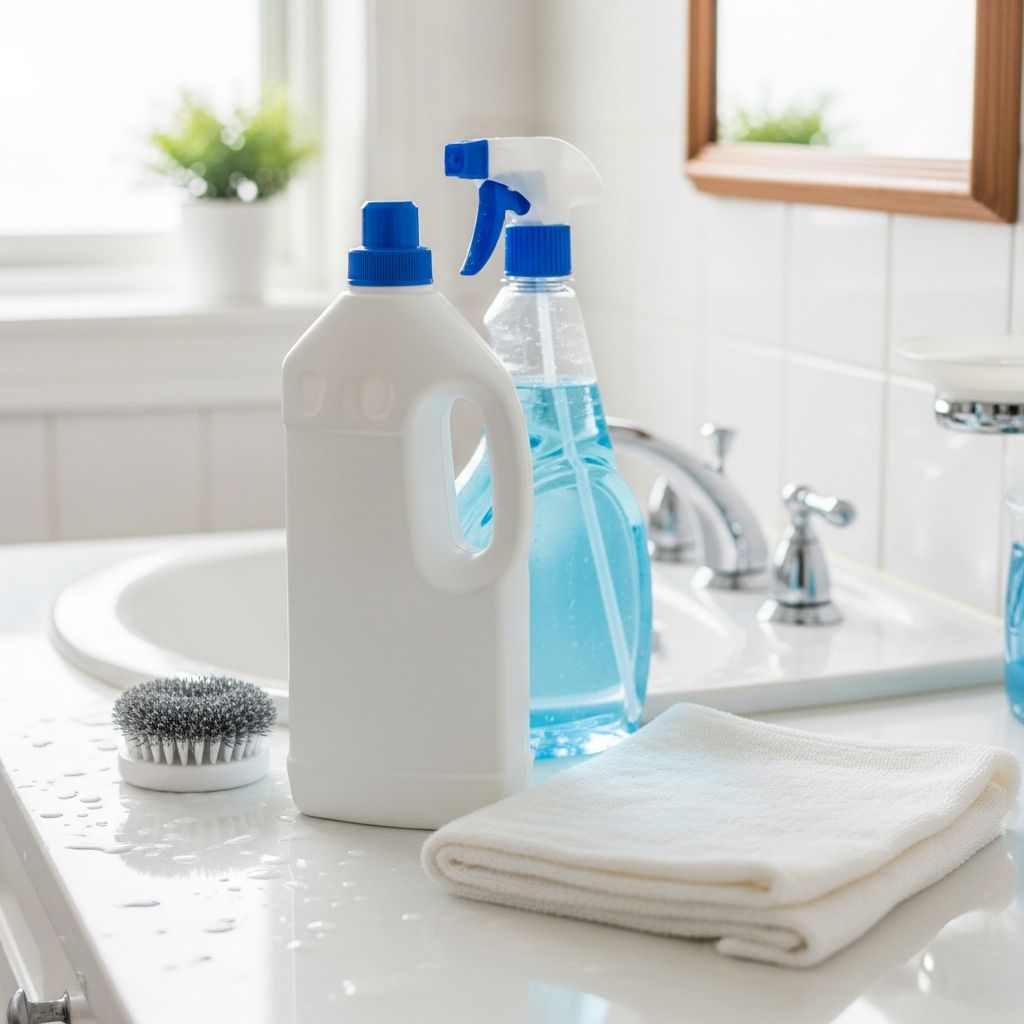
How to Clean with Bleach in a Bathroom: A Comprehensive Guide
Bleach is one of the most powerful and effective cleaning agents available for bathroom sanitation and disinfection. When used correctly, it can eliminate bacteria, viruses, mold, and mildew, leaving your bathroom sparkling clean and hygienic. However, improper use of bleach can be dangerous and may damage surfaces. This guide will walk you through the proper techniques for cleaning every part of your bathroom with bleach, ensuring both safety and effectiveness.
Safety Precautions Before You Start
Before you begin any bleach-based cleaning project, it’s essential to take proper safety measures to protect yourself and your family.
- Always wear rubber gloves to protect your skin from bleach exposure
- Ensure your bathroom is well-ventilated by opening windows and turning on exhaust fans
- Never mix bleach with other cleaning products, especially ammonia-based cleaners, as this creates toxic chlorine gas
- Keep children and pets out of the bathroom while cleaning with bleach
- If you have sensitive skin or respiratory issues, consider wearing a mask during cleaning
Understanding Dwell Time: The Key to Effective Disinfection
One of the most critical concepts in bleach cleaning is “dwell time”—the amount of time a bleach-based cleaner needs to sit on a surface to effectively disinfect and kill germs. Different cleaning goals require different dwell times. For general disinfection, most surfaces require a minimum of 30 seconds of contact time. However, if you’re targeting mold and mildew on porous surfaces, you may need to allow the bleach solution to sit for 5 to 10 minutes. Understanding and respecting dwell times ensures that your cleaning efforts are truly effective rather than just surface-level.
Cleaning Bathroom Sinks and Countertops
The sink and countertop area are high-traffic zones that accumulate hair, soap residue, and bacteria. Here’s how to clean them properly with bleach:
Step-by-Step Process
Step 1: Pre-clean the surface. Before applying any bleach-based cleaner, remove loose debris like hair and dust. Use a damp towel or duster to wipe down the sink and surrounding countertop. This ensures the bleach can make direct contact with surfaces and work more effectively.
Step 2: Apply the cleaner. Spray a bleach-based bathroom cleaner directly onto the sink, faucet, and countertops. Don’t be shy with application—make sure all surfaces are adequately covered.
Step 3: Allow proper dwell time. Let the cleaner sit for a minimum of 30 seconds. This contact time allows the bleach to disinfect the surface and kill bacteria and viruses.
Step 4: Wipe down surfaces. Use a damp cloth to wipe down all the sprayed surfaces. Make sure to remove all traces of the bleach solution.
Step 5: Dry the area. For a streak-free finish with a professional look, use a clean microfiber cloth to dry and buff the surfaces.
Cleaning the Toilet Bowl and Exterior
The toilet is one of the most important areas to disinfect in the bathroom. Proper bleach cleaning of toilets involves two distinct processes: interior bowl cleaning and exterior surface disinfection.
Interior Toilet Bowl Cleaning
Step 1: Flush first. Begin by giving the toilet a quick flush to remove any waste and prepare the bowl for cleaning.
Step 2: Apply bleach cleaner. Pour approximately 6 ounces of toilet bowl cleaner containing bleach under the rim and along the entire bowl. The under-rim application is crucial as it distributes the cleaner as you flush.
Step 3: Scrub thoroughly. Using a toilet bowl scrubber, give the entire bowl a thorough scrubbing, paying special attention to the waterline and under the rim where bacteria accumulate.
Step 4: Allow contact time. Let the bleach solution sit for 10 minutes to ensure maximum disinfection.
Step 5: Flush clean. Flush the toilet to rinse away the cleaner and debris.
Exterior Toilet Cleaning
The outside of the toilet, including the seat, handle, tank, and base, also requires disinfection:
Step 1: Apply cleaner. Spray bleach-based cleaner on the toilet seat, handles, tank, and exterior surfaces.
Step 2: Wait for dwell time. Allow the cleaner to sit for 30 seconds for proper disinfection.
Step 3: Wipe clean. Wipe all exterior surfaces with a damp cloth to remove cleaner residue.
Maintaining Your Toilet Brush
Don’t forget to keep your toilet brush clean and sanitized. After each use, spray the brush head with disinfectant and allow it to dry by closing the toilet seat on the handle. This prevents bacteria growth and extends the life of your brush.
Cleaning Showers and Bathtubs
Showers and bathtubs are prime areas for mold and mildew growth due to constant moisture. Bleach is highly effective at cleaning and whitening porcelain and preventing fungal growth.
General Shower and Tub Cleaning
Step 1: Apply cleaner generously. Spray bleach-based cleaner across all shower and tub walls, ensuring complete coverage.
Step 2: Determine dwell time based on your goal. For basic disinfection, let the cleaner sit for 30 seconds. If you’re specifically targeting mold and mildew, allow it to sit for 5 minutes to maximize effectiveness.
Step 3: Rinse thoroughly. Use water to thoroughly rinse the entire area, ensuring all bleach residue is removed.
Step 4: Dry for a polished finish. Wipe down with a clean microfiber cloth to prevent water spots and streaks.
Cleaning Tile and Grout
Tile and grout in showers require special attention as they’re prone to mold and mildew buildup. For best results, create a diluted bleach solution:
Preparing the solution: Mix 1/3 cup of bleach in one gallon of water in a bucket. Ensure you’re working in a well-ventilated area and wearing gloves.
Scrubbing grout lines: Dip a grout brush or old toothbrush into the solution and scrub directly along the grout lines to remove stains and kill mold.
Treating tile surfaces: For mold and mildew on non-porous tile surfaces, apply your bleach cleaner and allow it to sit for the appropriate dwell time—6 minutes for disinfection or 10 minutes for killing mold and mildew.
Final rinse and dry: Rinse thoroughly with water and dry with a cloth.
Comparing Dwell Times for Different Cleaning Goals
| Cleaning Goal | Surface Type | Required Dwell Time |
|---|---|---|
| General Disinfection | Non-porous (sinks, counters, fixtures) | 30 seconds |
| General Disinfection | Toilet Bowl | 10 minutes |
| Mold & Mildew Removal | Shower/Tub Walls | 5 minutes |
| Mold & Mildew Removal | Tile (non-porous) | 10 minutes |
| Mold & Mildew Removal | Grout (porous) | Scrub and rinse |
Common Mistakes to Avoid
When cleaning with bleach, certain mistakes can reduce effectiveness or create safety hazards:
- Insufficient dwell time: Wiping too quickly prevents the bleach from killing all germs and mold
- Poor ventilation: Working without proper airflow exposes you to harmful fumes
- Mixing with other cleaners: This creates dangerous toxic gases
- Not pre-cleaning surfaces: Dirt and debris reduce bleach effectiveness
- Over-concentration: Using too much bleach can damage surfaces and isn’t more effective
- Forgetting protective equipment: Gloves protect your skin from irritation and potential damage
Pro Tips for Superior Results
Use a top-down approach: When cleaning the toilet or any vertical surface, start at the top and work downward. This allows gravity to help distribute the cleaner and prevents you from re-contaminating cleaned areas.
Invest in quality tools: Microfiber cloths leave fewer streaks than traditional cotton rags and are more effective at drying surfaces.
Don’t skip the rinse: Thoroughly rinsing after bleach application removes chemical residue and prevents damage to finishes.
Schedule regular maintenance: Weekly bleach cleaning prevents heavy buildup and reduces deep-cleaning frequency.
Test on small areas first: If you’re uncertain how a surface will react to bleach, test on an inconspicuous area first.
Frequently Asked Questions About Bathroom Bleach Cleaning
Q: How often should I clean my bathroom with bleach?
A: For most households, weekly bleach cleaning is sufficient for maintenance. For high-traffic bathrooms or homes with immunocompromised individuals, twice weekly cleaning may be beneficial. During cold and flu season, you might consider more frequent cleaning.
Q: Can I use bleach on all bathroom surfaces?
A: No. Bleach is safe for porcelain, ceramic tile, chrome fixtures, and grout, but it can damage natural stone like marble or granite, colored grout, or certain finishes. Always test on a small area first if you’re unsure.
Q: What’s the difference between bleach cleaner spray and concentrated bleach?
A: Pre-made bleach cleaners are already diluted to safe concentrations and are convenient for most tasks. Concentrated bleach requires dilution but is more economical for large projects like deep-cleaning grout. For regular bathroom cleaning, spray cleaners are typically preferred.
Q: Is it safe to use bleach in a poorly ventilated bathroom?
A: No. Always ensure adequate ventilation by opening windows and running exhaust fans. Poor ventilation exposes you to harmful bleach fumes that can irritate respiratory systems.
Q: What should I do if I accidentally mix bleach with another cleaner?
A: Immediately leave the bathroom, close the door, and open all windows for ventilation. If you or anyone else experiences respiratory distress, call emergency services. Never re-enter the room until it’s been thoroughly ventilated.
Q: Can bleach kill COVID-19 and other viruses?
A: Yes. The CDC recognizes bleach as an effective disinfectant against many viruses, including coronavirus, when used at proper dilutions and dwell times. A 30-second contact time is generally sufficient for most viruses on bathroom surfaces.
Q: How do I remove bleach stains from bathroom surfaces?
A: If bleach has discolored a surface, try diluting with water immediately. For set-in stains, unfortunately there’s limited remedy. Prevention through careful application and immediate rinsing is key.
Conclusion
Cleaning your bathroom with bleach, when done correctly, provides superior disinfection and keeps your space hygienic and fresh. The key to success lies in understanding the importance of dwell time, maintaining proper ventilation, protecting yourself with gloves, and following a systematic approach for different surfaces. By following the step-by-step instructions provided in this guide and avoiding common mistakes, you’ll achieve professional-level bathroom cleaning results. Remember that consistency in your cleaning routine prevents the need for intense deep-cleaning and maintains a consistently healthy bathroom environment for your family.
References
- Guideline for Disinfection and Sterilization in Healthcare Facilities — Centers for Disease Control and Prevention (CDC). 2008 (updated). https://www.cdc.gov/infectioncontrol/guidelines/disinfection/index.html
- Sodium Hypochlorite (Bleach) as a Disinfectant: Use, Efficacy, and Safety — U.S. Environmental Protection Agency (EPA). https://www.epa.gov/pesticide-registration/sodium-hypochlorite-bleach
- Recommendations for Cleaning Household Surfaces — Centers for Disease Control and Prevention (CDC). 2024. https://www.cdc.gov/hygiene/household/disinfect/index.html
- Safe Handling of Household Chemicals — Occupational Safety and Health Administration (OSHA). https://www.osha.gov/dsg/naics-4216/household-chemicals-cleaning-products
- Efficacy of Bleach Against Common Bathroom Pathogens — Journal of Hospital Infection, 2023. https://doi.org/10.1016/j.jhin.2023.02.015
Similar Articles



Read full bio of Sneha Tete